Birds · Galliformes · Cracidae
Horned Guan
Oreophasis derbianus
It faces a very high risk of extinction in the wild in the near future. See full glossary
The horned guan, known in Spanish as guan cornudo or pavón cornudo and also as pavo de cacho, chachalaca cornuda, faisán de cuerno rojo, paují cornudo or simply pavón, is a species of galliform bird of the family Cracidae, the only one in the genus Oreophasis, found mainly in the humid montane forests of Chiapas between 2,500 and 3,350 m above sea level, although it can also be seen in other states of southern Mexico and very sparsely in Guatemala. This species is thought to be the only survivor of an ancient lineage of cracids that evolved independently of the rest of the family.
Weight
3 kg – 4.5 kg
Size
75 cm – 85 cm
Lifespan
20 years
Diet
Herbivore
Feeds mainly on plants.
Activity
Diurnal
Active mainly during the day.
Social structure
In pairs
Usually lives in pairs, sometimes for life.
Sighting difficulty
Hard
Fun facts
- The red horn on its forehead, present in both sexes, has no equivalent in any other bird in the world and its function is still unclear.
- It is the only living representative of its genus and a relic of the Mesoamerican montane forests: its total range barely reaches a few thousand square kilometres spread across isolated volcanoes and sierras.
Life cycle & biology
- Skeleton type
- Vertebrate - internal bony skeleton (bird)
- Habitat & environment
- Montane cloud forest of the highlands of Chiapas and Guatemala, between 1,500 and 3,350 metres
- Sexual maturity
- 3 years
- Gestation / incubation
- 35 days of incubation
- Litter / clutch size
- 2 eggs
Sources consulted: https://es.wikipedia.org/wiki/Oreophasis_derbianus
Where to watch it
Parks and dive sites where this species has been documented.
Related species
Other species in the catalogue with the most in common with Horned Guan — same habitat, park, country, tags or family.
Crested Guan
Penelope purpurascens
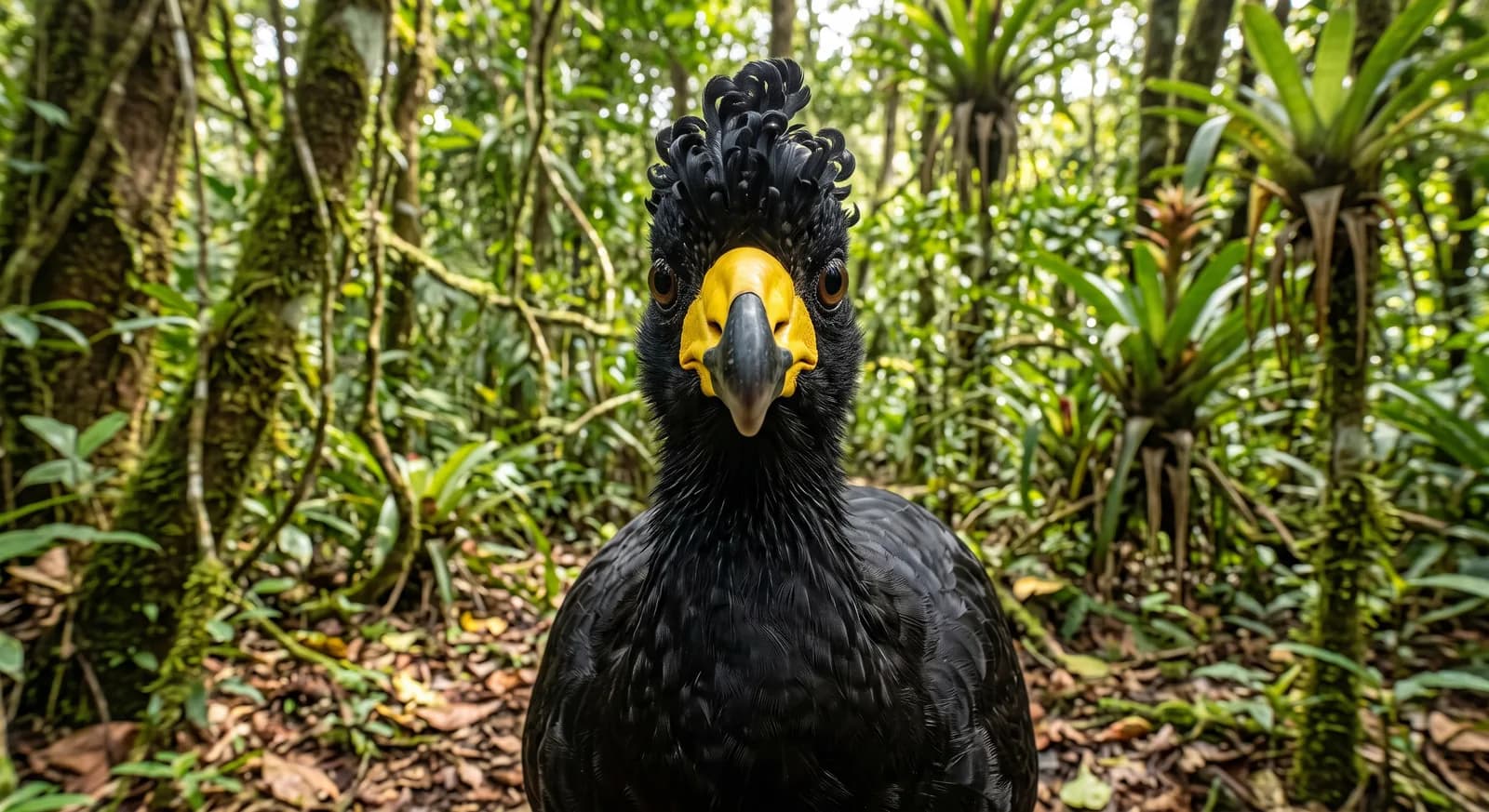 Vulnerable
Great Curassow
Crax rubra
 Endangered
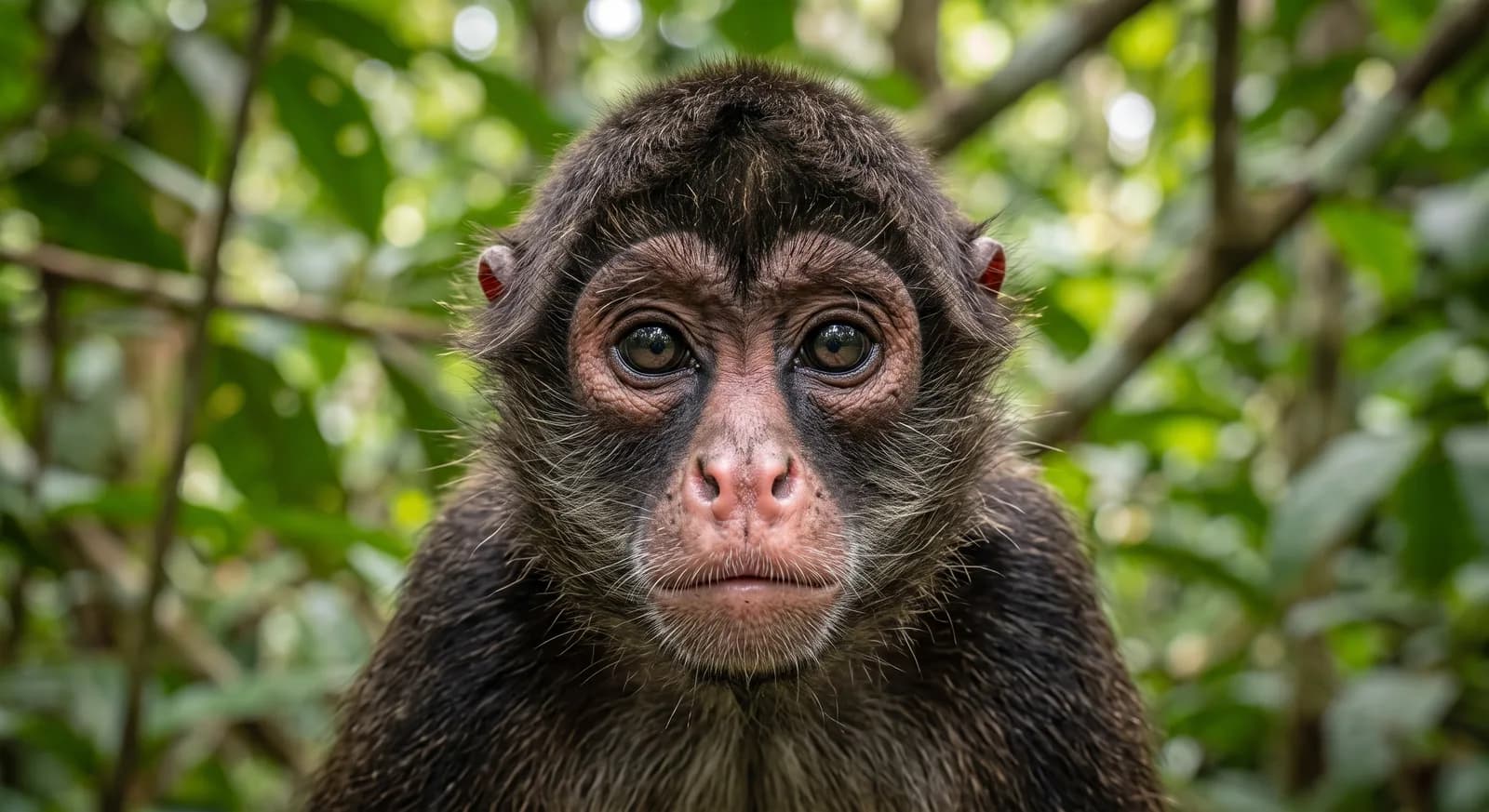
Central American Spider Monkey
Ateles geoffroyi
 Least Concern
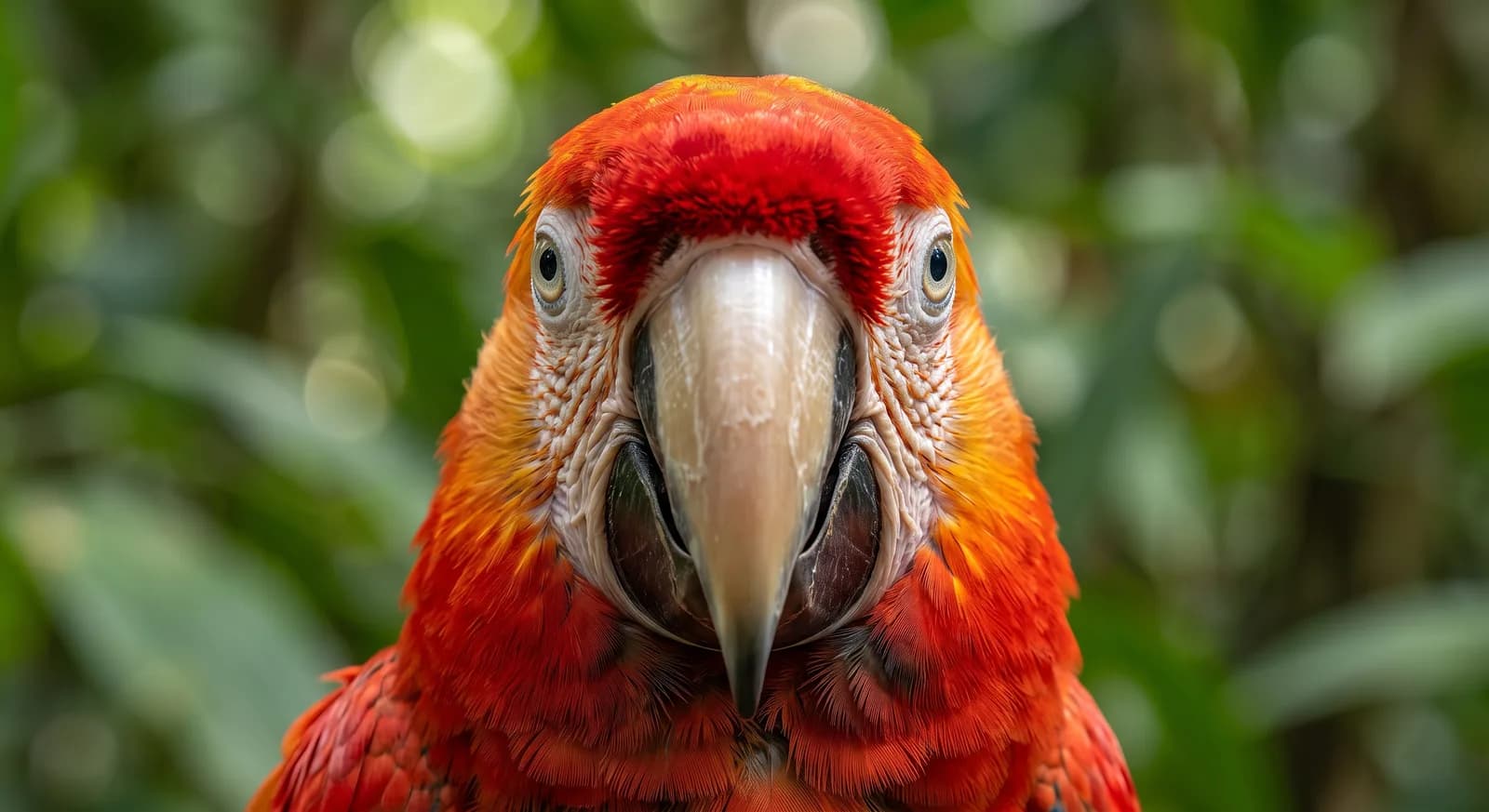
Scarlet Macaw
Ara macao
Central American Agouti
Dasyprocta punctata
 Endangered
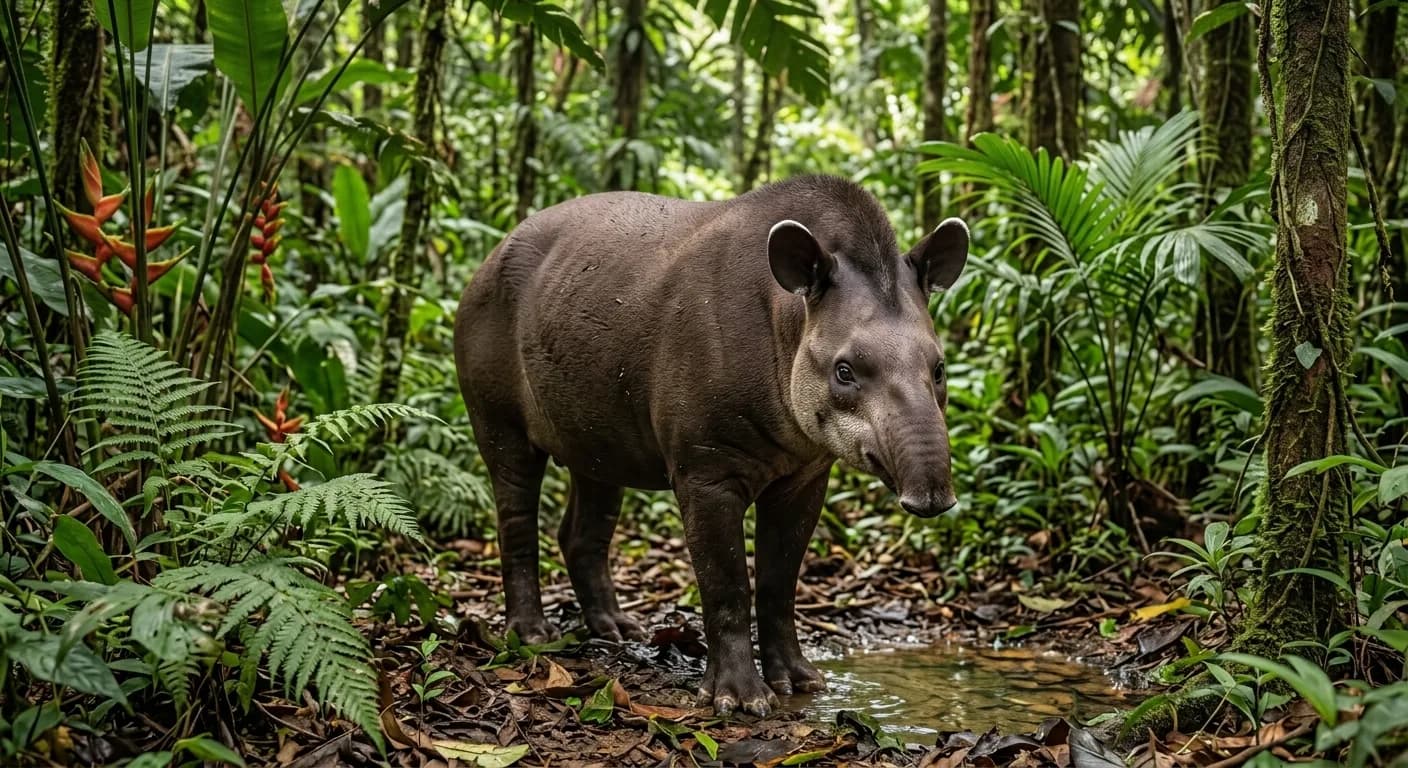
Baird's Tapir
Tapirus bairdii
How to help
The horned guan is classified as endangered. Organizations such as UICN, WWF y Wildlife Conservation Society work specifically on its conservation and that of its habitat; looking into their programs is a good starting point if you want to get involved.
It's documented in 3 real protected areas — part of why protecting these places matters for its conservation.
Keep exploring
Based on what we already know about horned guan.
Comments
Share an experience, a fun fact or a tip for seeing the horned guan.
Be the first to comment.