Arachnids · Solifugae · Eremobatidae
Pallipes Windscorpion
Eremobates pallipes
It has not yet been assessed against the IUCN criteria. See full glossary
A North American solifuge, a straw-coloured arachnid with disproportionately large chelicerae that take up almost a third of its body. It is neither a spider nor a scorpion: it produces no silk and has no venom. It hunts insects and other arthropods at a run by night and grinds them up with its jaws.
Size
2 cm – 5 cm
Diet
Carnivore
Feeds mainly on other animals.
Activity
Nocturnal
Active mainly at night.
Social structure
Solitary
Lives and hunts alone, joining others only to breed.
Sighting difficulty
Unknown
Fun facts
- Its chelicerae are, proportionally, among the most powerful mouthparts in the animal kingdom, and work as two independent vertical shears.
- It has no venom glands whatsoever, despite the reputation for lethality that trails the group.
- Its first pair of legs does not walk: it uses them as sense organs, feeling the ground like a pair of antennae.
- It is neither a spider nor a scorpion: the solifuges are an order of arachnids in their own right, with no venom and no silk, and among the least studied in existence.
- It has the largest jaws relative to body size of any arachnid: enormous chelicerae shaped like double pincers that take up nearly a third of its length, with which it literally grinds up its prey.
- It has no venom glands. It kills by sheer mechanical force.
- It walks on six legs: the front pair of appendages, the sensory pedipalps, are carried raised and end in adhesive organs with which it snatches prey in mid-air.
- It is extremely fast, and its reputation for chasing people is a misunderstanding: it is actually seeking shade, and since the nearest shade is usually the observer's shadow, it looks as if it is giving chase.
- Its popular English names, camel spider and wind scorpion, describe neither of those things.
Life cycle & biology
- Skeleton type
- Invertebrate - chitin exoskeleton (arachnid)
- Habitat & environment
- Arid and semi-arid ground of western North America
Sources consulted: Punzo, The Biology of Camel-Spiders; Universidad de Florida, Featured Creatures; Bird et al., revisiones de Solifugae
Where to watch it
Parques y spots de buceo donde se ha documentado esta especie — se muestran 10 de 17 documentados.
Related species
Other species in the catalogue with the most in common with Pallipes Windscorpion — same habitat, park, country, tags or family.
Great Horned Owl
Bubo virginianus
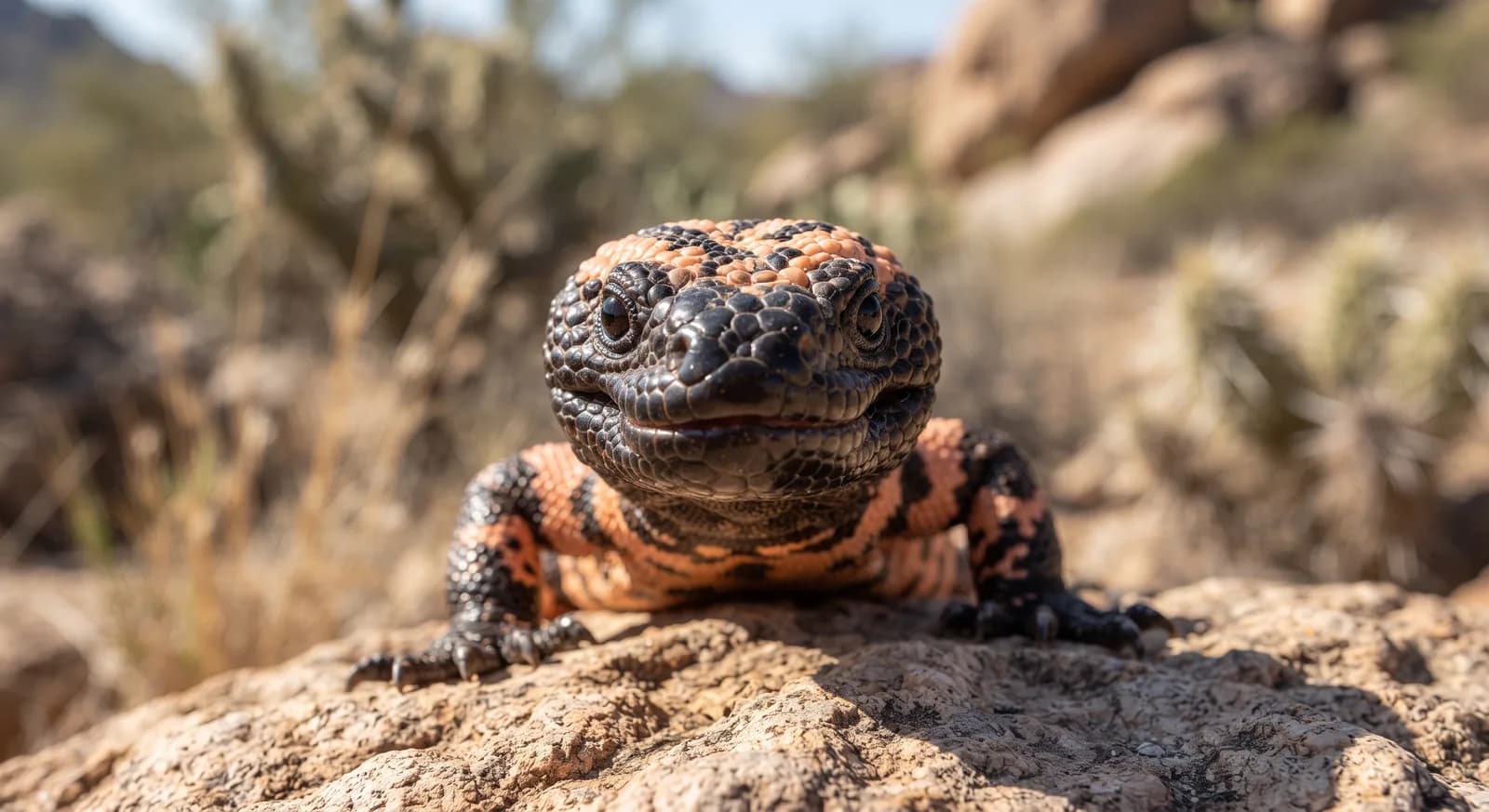 Near Threatened
Gila Monster
Heloderma suspectum
Sonoran Desert Toad
Incilius alvarius
Bark Scorpion
Centruroides sculpturatus
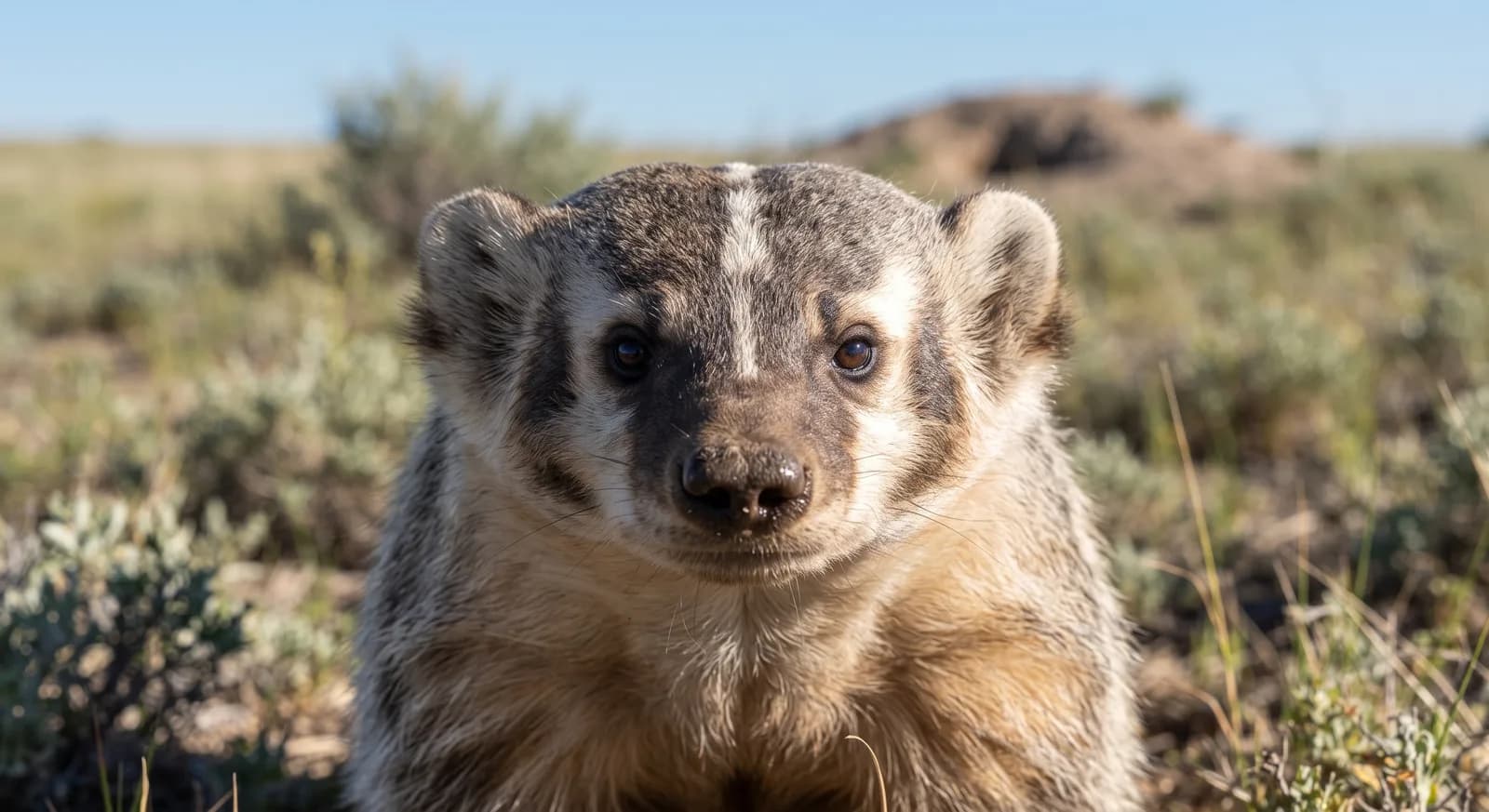 Least Concern
American Badger
Taxidea taxus
Keep exploring
Based on what we already know about pallipes windscorpion.
Comments
Share an experience, a fun fact or a tip for seeing the pallipes windscorpion.
Be the first to comment.