Birds · Gruiformes · Rallidae
Giant Coot
Fulica gigantea
The species is abundant and widely distributed; it faces no significant short-term risk. See full glossary
The giant coot is the largest coot in the world and lives in the lagoons of the high Andean puna, above 3,000 metres and up to almost 5,000. It builds spectacular floating nests: platforms of aquatic vegetation more than a metre across and weighing several hundred kilos, anchored to the bottom, which the pair maintains and enlarges throughout the season.
Weight
2 kg – 2.5 kg
Size
48 cm – 64 cm
Lifespan
15 years
Diet
Herbivore
Feeds mainly on plants.
Activity
Diurnal
Active mainly during the day.
Social structure
In pairs
Usually lives in pairs, sometimes for life.
Sighting difficulty
Easy
Fun facts
- It is the second largest of all living rails, behind only the New Zealand takahē, which is also in this catalogue.
- It belongs to the subfamily Rallinae within Rallidae, alongside rails, moorhens and coots.
- It was described in 1841 by the French naturalists Eydoux and Souleyet.
- Its floating nest can weigh several hundred kilos: a platform of aquatic vegetation more than a metre across that the pair builds and anchors to the bottom of the lagoon, and that a person can walk on.
- It lives in lagoons above 4,000 metres, where the water freezes overnight: it is one of the highest-living waterbirds on the planet.
- Adults are all but unable to fly because of their weight and only do so as a last resort, running long stretches across the water to take off.
Life cycle & biology
- Skeleton type
- Vertebrate - internal bony skeleton (bird)
- Habitat & environment
- High Andean lagoons with aquatic vegetation, between 3,000 and 6,000 metres of altitude
- Sexual maturity
- 2 years
- Gestation / incubation
- 25 days of incubation
- Litter / clutch size
- 3 eggs
Sources consulted: IUCN Red List 2016 (e.T22692943A93375413); IOC World Bird List v12.2 (2022); HBW y BirdLife International 2021, digital checklist v6; Eydoux y Souleyet 1841
Where to find it
See its range on the interactive mapBest time: All year round on the high Andean lagoons
Where to watch it
Parks and dive sites where this species has been documented.
Related species
Other species in the catalogue with the most in common with Giant Coot — same habitat, park, country, tags or family.
Andean Gull
Chroicocephalus serranus
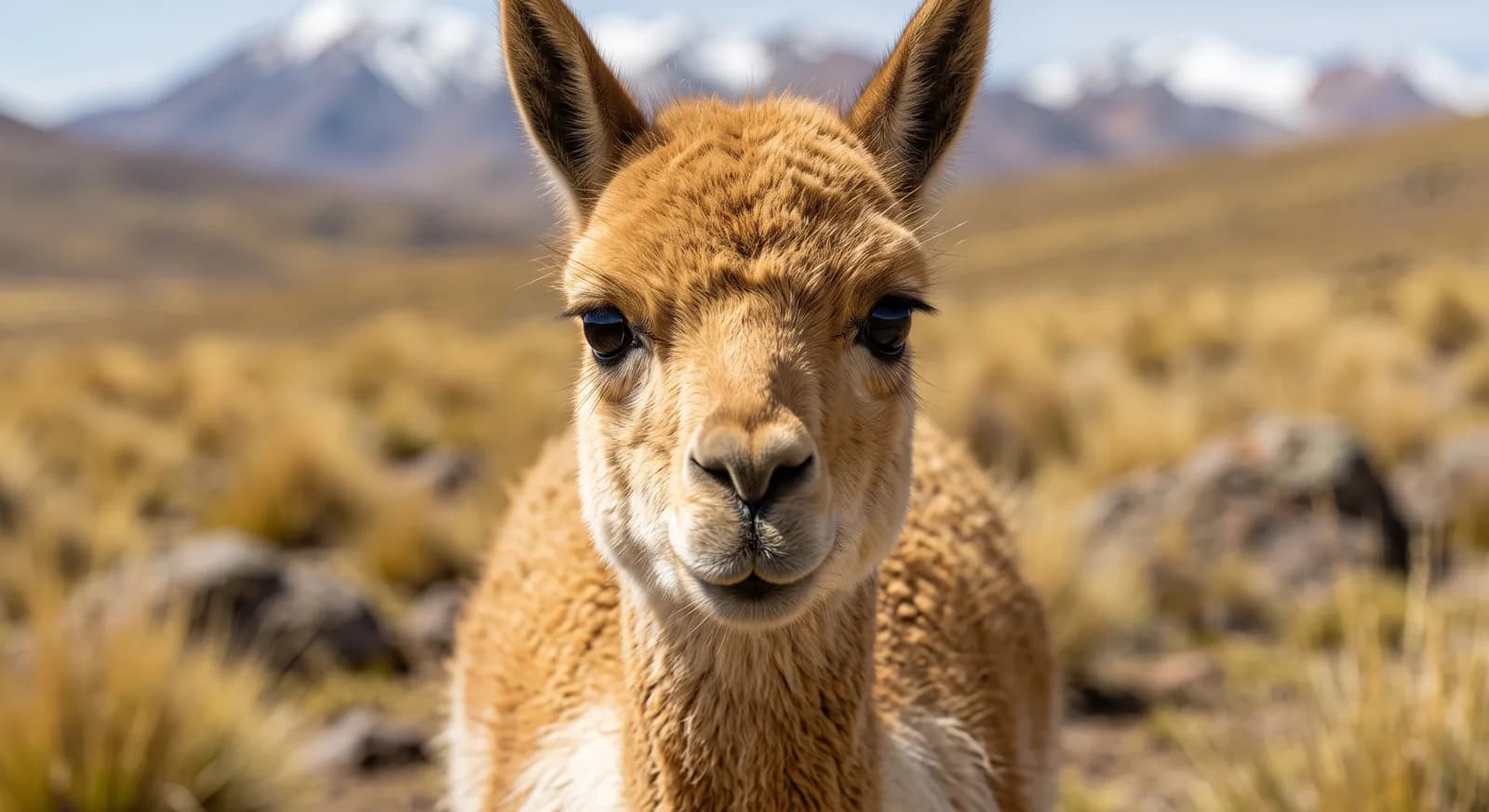 Least Concern
Vicuna
Vicugna vicugna
Southern Mountain Viscacha
Lagidium viscacia
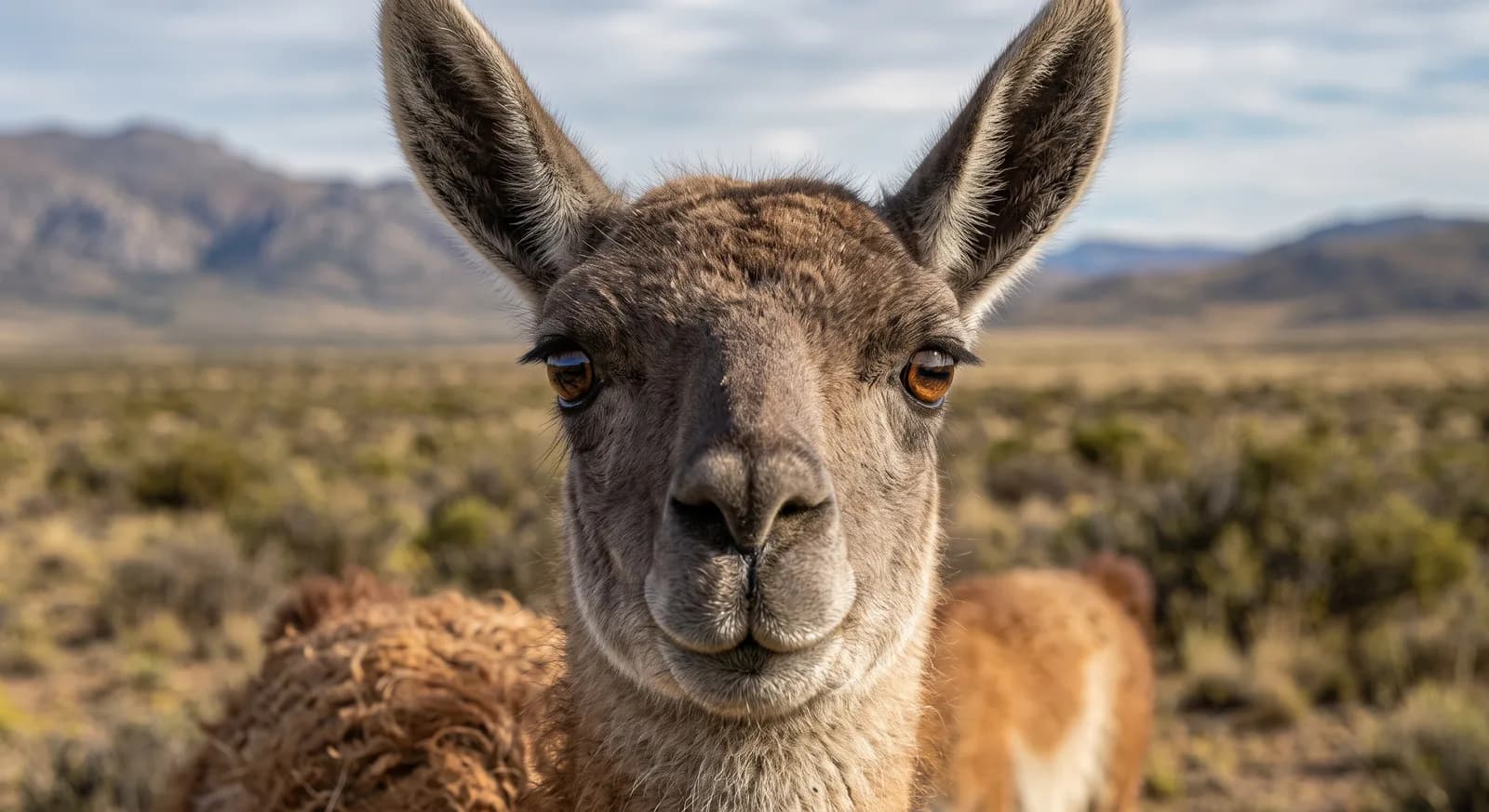 Least Concern
Guanaco
Lama guanicoe
Giant Hummingbird
Patagona gigas
 Vulnerable
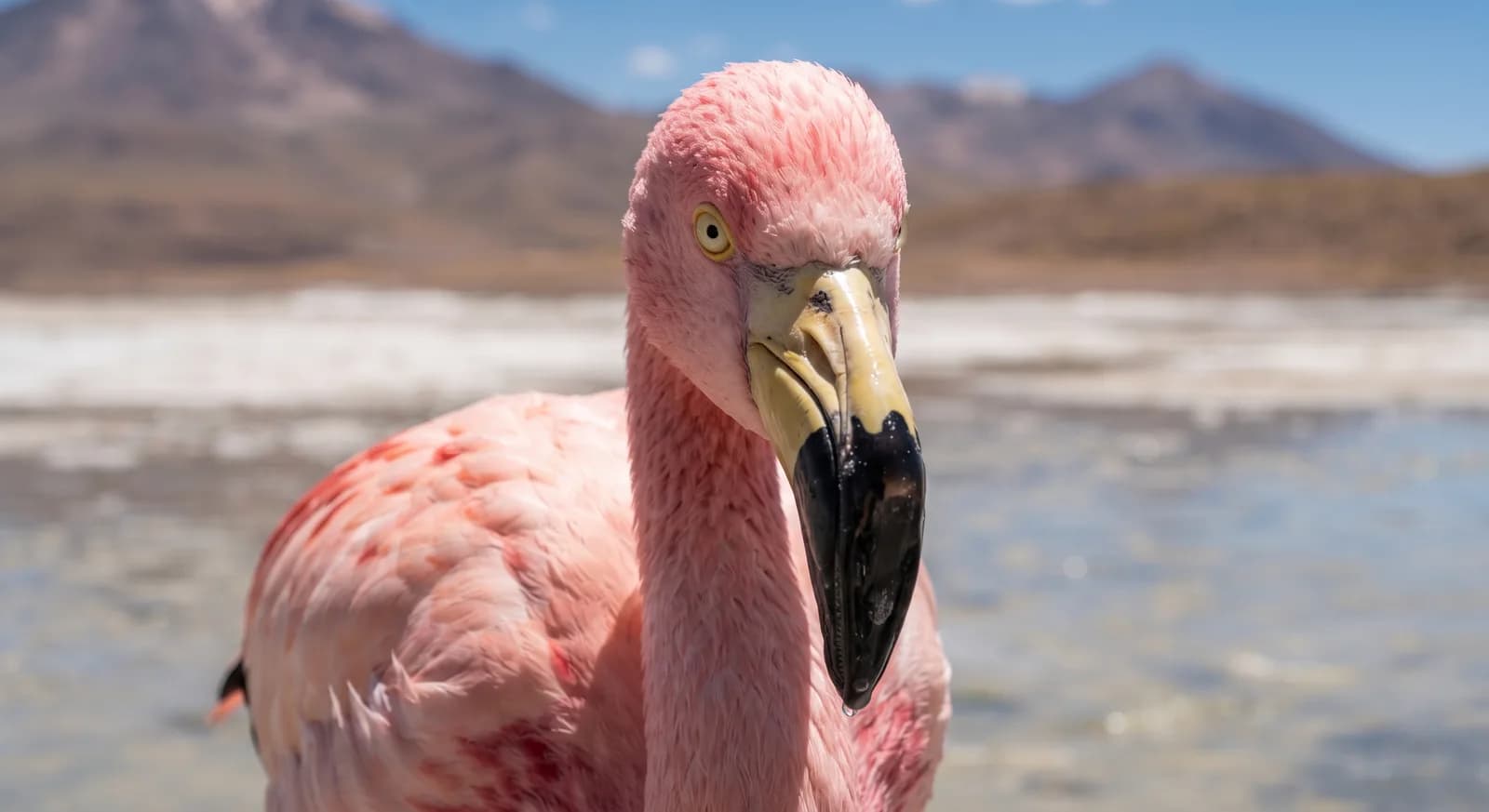
Andean Flamingo
Phoenicoparrus andinus
Keep exploring
Based on what we already know about giant coot.
Comments
Share an experience, a fun fact or a tip for seeing the giant coot.
Be the first to comment.