Cartilaginous fish · Torpediniformes · Narcinidae
Venezuelan Dwarf Numbfish
Diplobatis guamachensis
It faces a high risk of extinction in the wild over the medium term. See full glossary
A small electric ray endemic to the continental shelf of northern Venezuela, with an almost circular disc and mottled colouring that camouflages it against the sand. It lives buried and catches small invertebrates on the bottom.
Size
15 cm – 30 cm
Diet
Carnivore
Feeds mainly on other animals.
Social structure
Solitary
Lives and hunts alone, joining others only to breed.
Sighting difficulty
Moderate
Fun facts
- It has two electric organs on either side of the head, made of modified muscle cells, with which it produces discharges to stun its prey and to defend itself.
- Its range is tiny: it is confined to a few hundred kilometres of Venezuelan coast, which makes it very vulnerable to the shrimp trawling that takes it as bycatch.
- Like the other electric rays, it is slow-moving and does not rely on speed to hunt.
- It is a dwarf electric ray: it grows no bigger than about 30 cm, against the metre reached by the Mediterranean torpedo ray.
- Like the rest of the narcinids, it has paired electric organs on either side of the head with which it stuns small bottom-dwelling invertebrates.
- Its range is tiny and overlaps almost entirely with shrimp-trawling grounds, which explains its threat category.
Life cycle & biology
- Skeleton type
- Vertebrate - cartilaginous skeleton (chondrichthyan)
- Habitat & environment
- Shallow sand and mud bottoms off northern Venezuela
Sources consulted: https://en.wikipedia.org/wiki/Brownband_numbfish
Where to watch it
Parks and dive sites where this species has been documented.
Related species
Other species in the catalogue with the most in common with Venezuelan Dwarf Numbfish — same habitat, park, country, tags or family.
South American Bushmaster
Lachesis muta
 Vulnerable
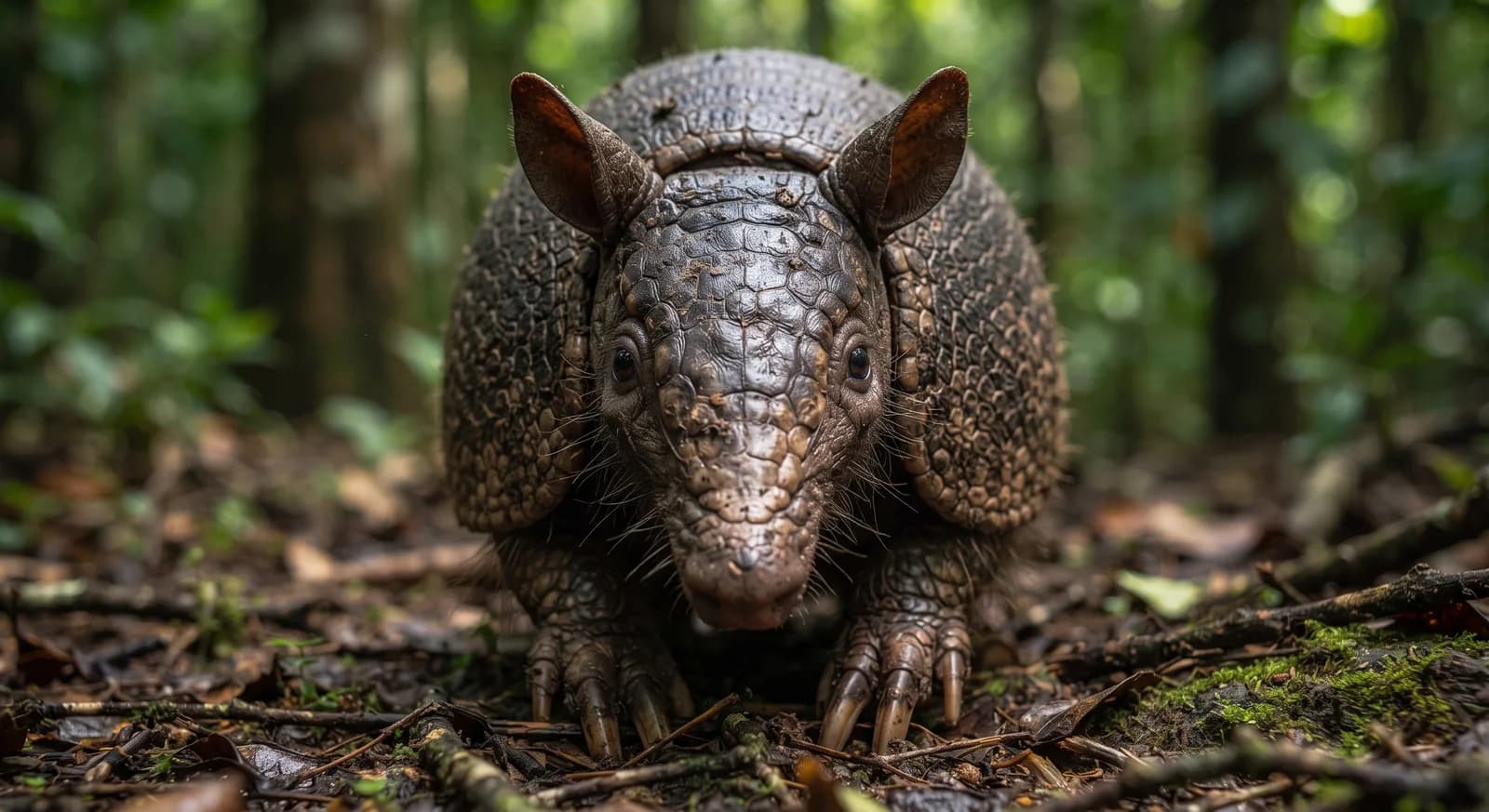
Giant Armadillo
Priodontes maximus
 Vulnerable
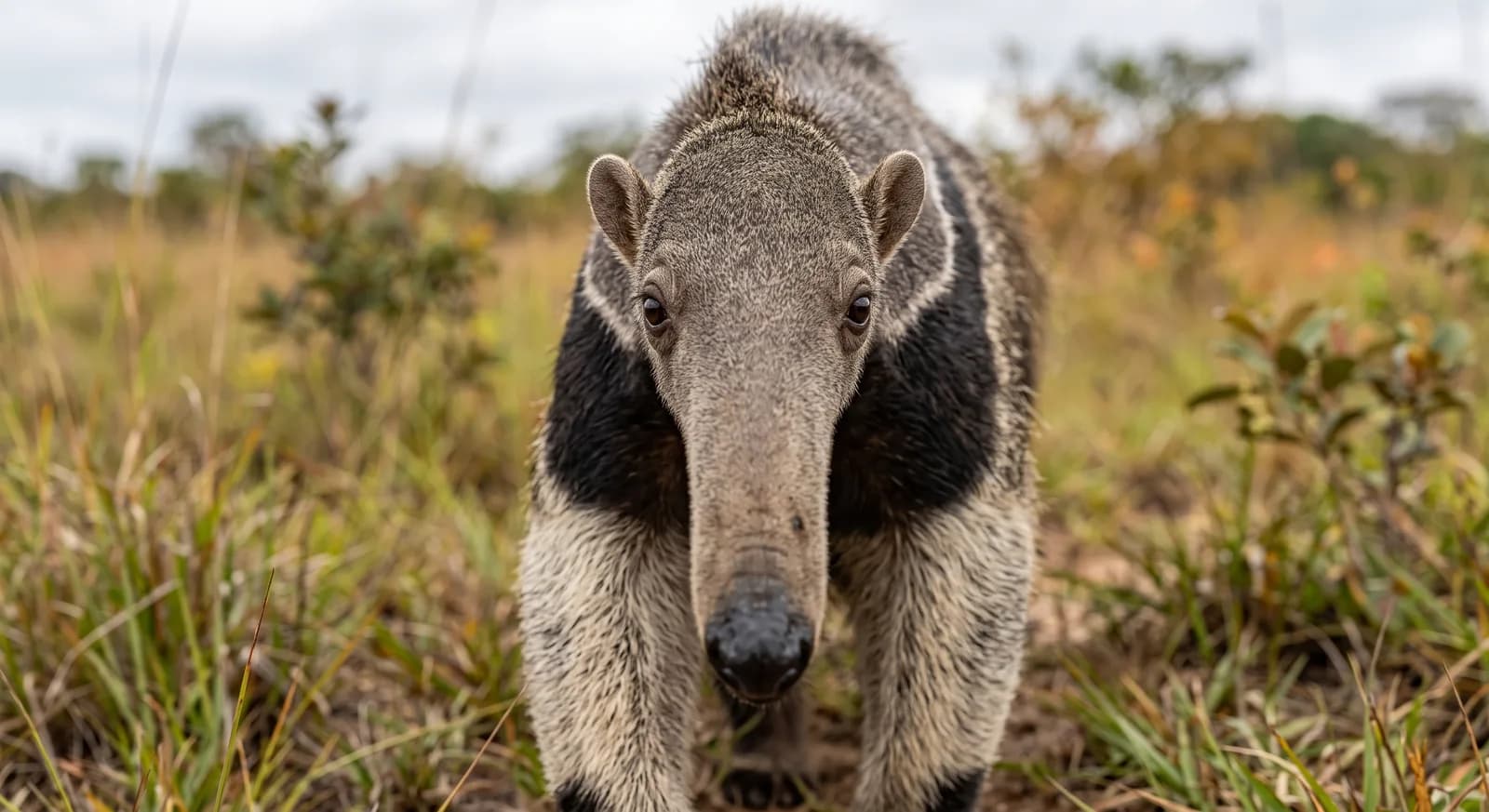
Giant Anteater
Myrmecophaga tridactyla
 Vulnerable
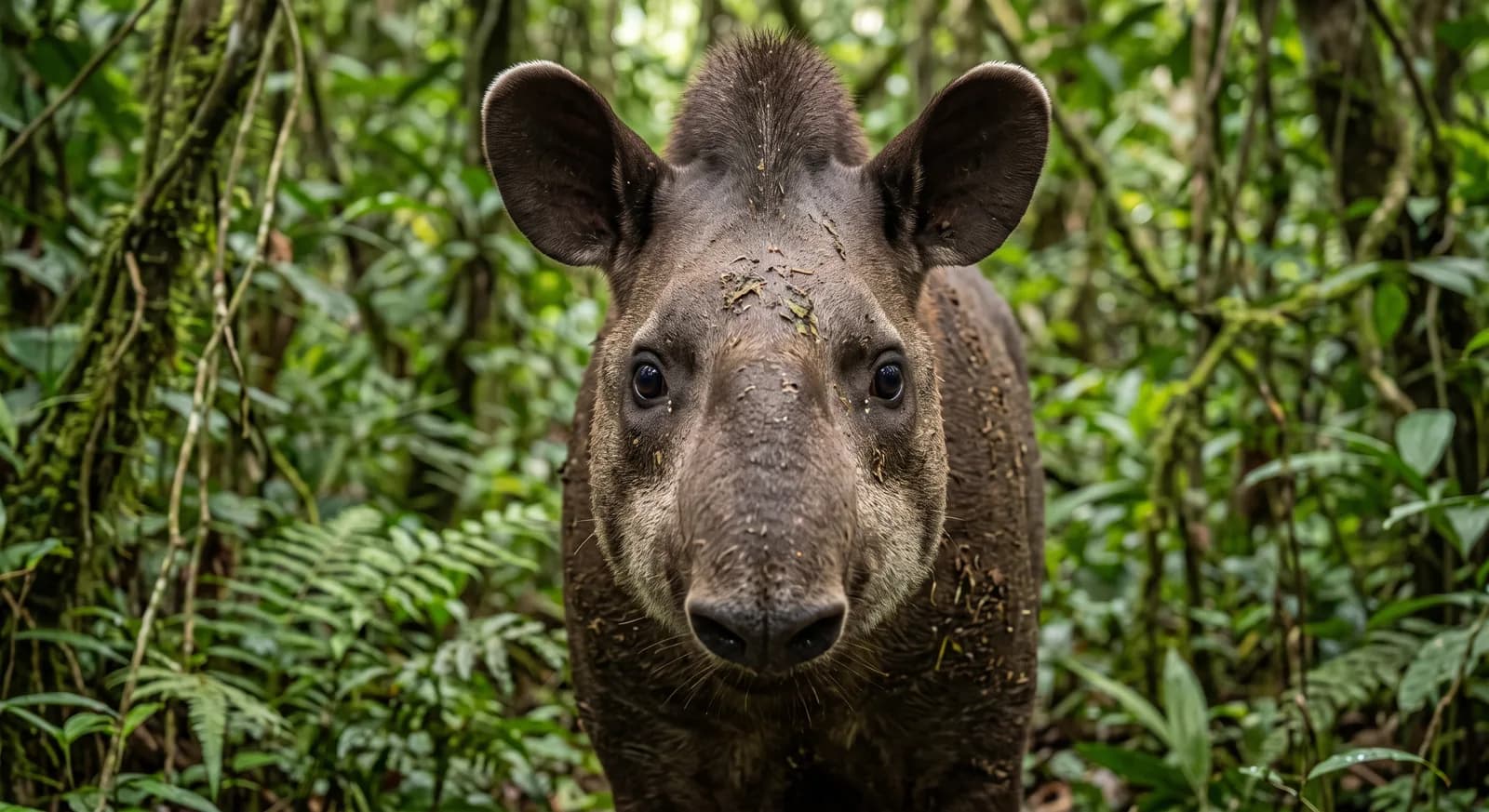
Lowland Tapir
Tapirus terrestris
Electric Eel
Electrophorus electricus
How to help
The venezuelan dwarf numbfish is classified as vulnerable. Organizations such as UICN, WWF y Wildlife Conservation Society work specifically on its conservation and that of its habitat; looking into their programs is a good starting point if you want to get involved.
It's documented in 3 real protected areas — part of why protecting these places matters for its conservation.
Keep exploring
Based on what we already know about venezuelan dwarf numbfish.
Comments
Share an experience, a fun fact or a tip for seeing the venezuelan dwarf numbfish.
Be the first to comment.