One of the 8 flying foxes on WAnimals
Mammals · Chiroptera · Pteropodidae
Aldabra Flying-fox
Pteropus aldabrensis
It faces a very high risk of extinction in the wild in the near future. See full glossary
The Aldabra flying fox is a fruit bat endemic to Aldabra Atoll, in the Seychelles, one of the largest coral atolls in the world and a World Heritage site. The entire world population of the species lives on that single atoll. It feeds on fruit, flowers and nectar from the island vegetation and roosts by day in groups in the mangroves. Its rarity is not the result of direct persecution but of how tiny its range is: any cyclone or disturbance of the atoll affects the whole species.
Weight
250 g – 350 g
Size
20 cm – 25 cm
Diet
Herbivore
Feeds mainly on plants.
Activity
Nocturnal
Active mainly at night.
Social structure
Colony
Lives in large concentrations, often for breeding reasons.
Sighting difficulty
Hard
Fun facts
- The entire species fits on a single atoll: it is one of the mammals with the smallest range on the planet.
- Island flying foxes like this one are essential pollinators and dispersers; when they disappear from an island, several tree species stop reproducing.
Life cycle & biology
- Skeleton type
- Vertebrate - internal bony skeleton (mammal)
- Habitat & environment
- Mangroves and scrub forest of Aldabra Atoll, in the south-western Indian Ocean
- Litter / clutch size
- 1
Sources consulted: https://www.iucnredlist.org/ | https://animaldiversity.org/ | https://es.wikipedia.org/
Where to watch it
Parks and dive sites where this species has been documented.
Related species
Other species in the catalogue with the most in common with Aldabra Flying-fox — same habitat, park, country, tags or family.
Large Flying-fox
Pteropus vampyrus
Spectacled Flying Fox
Pteropus conspicillatus
Golden-capped Fruit Bat
Acerodon jubatus
Giant African Snail
Lissachatina fulica
 Endangered
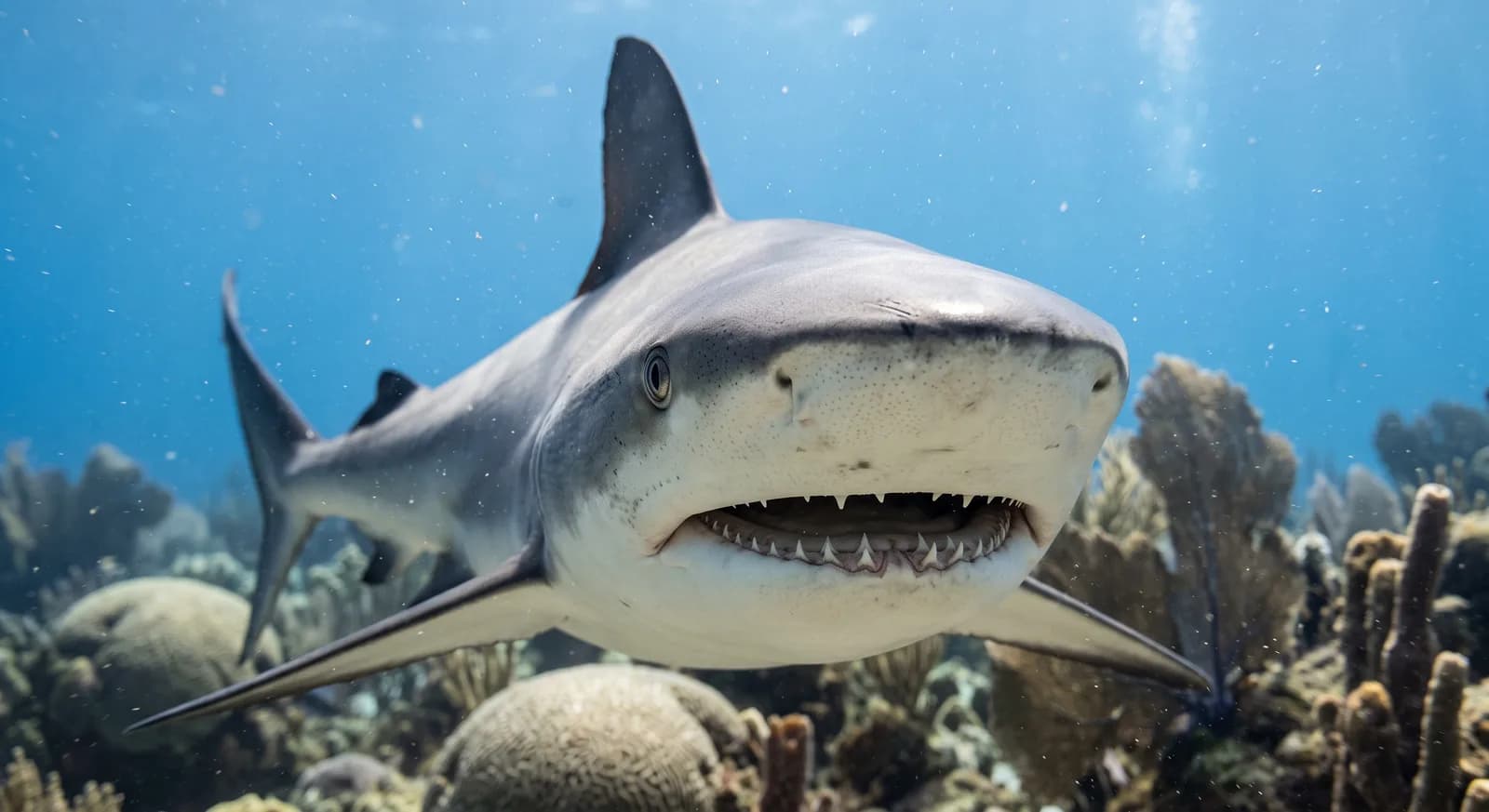
Grey Reef Shark
Carcharhinus amblyrhynchos
Large Flying-fox
Pteropus giganteus
How to help
The aldabra flying-fox is classified as endangered. Organizations such as UICN, WWF y Wildlife Conservation Society work specifically on its conservation and that of its habitat; looking into their programs is a good starting point if you want to get involved.
It's documented in 1 real protected area — part of why protecting these places matters for its conservation.
Keep exploring
Based on what we already know about aldabra flying-fox.
Comments
Share an experience, a fun fact or a tip for seeing the aldabra flying-fox.
Be the first to comment.