Kootenay
Canada · North AmericaFrom glacier to desert: a Canadian Rockies park running from frozen summits to the warm canyons of the Columbia valley.
Area
1,406 km²
Declared in
1920
Region
North America
Climate
Templado, Polar / frío
Best time
June to September
Highlight
A gradient from high mountains to dry valley in the Rockies
Kootenay National Park covers 1,406 km² on the western slope of the Canadian Rockies, in British Columbia, and extends as a narrow strip on either side of the road that crosses Vermilion Pass. It was created in 1920 in singular circumstances: it arose from an agreement by which the province ceded to the federal government a band of land on each side of the road in exchange for the completion of the route, the first motor road to cross the range from south to north. It forms part of the Canadian Rocky Mountain Parks, inscribed on the World Heritage List in 1984 alongside Banff, Jasper, Yoho and several provincial parks.
Its defining feature is climatic contrast. At the northern end, beside the continental divide, glaciers, cirques and subalpine forests of fir and pine dominate; at the southern end, dropping towards the Columbia valley, the landscape turns dry and slopes of ponderosa pine and almost semi-arid environments appear, unusual in the Rockies. Between the two ends come landmarks such as Marble Canyon, a narrow gorge cut by Tokumm Creek; the Paint Pots, mineral springs surrounded by ochre sediments that the Ktunaxa peoples have gathered for centuries as pigment and traded over long distances; and the Radium hot springs, in Sinclair Canyon, which were the original reason for tourist interest in the area.
In the upper reaches of the park, in the area of the Stanley Glacier, deposits of Burgess Shale type are exposed, the assemblage of soft-bodied Middle Cambrian fauna that revolutionised the understanding of the Cambrian explosion and that can be visited on guided walks. The fauna is that characteristic of the Rockies: mountain goat, bighorn sheep, elk, black bear, grizzly bear and a community of mountain birds. The natural fire regime is a determining factor in the present landscape; the great fires of 2003 affected a substantial part of the park's forest area.
Location
See on the interactive map21 species documented in Kootenay
Ampelis americano
Bombycilla cedrorum
Búho cornudo americano
Bubo virginianus
Busardo colirrojo
Buteo jamaicensis
Cabra montés de las Rocosas
Oreamnos americanus
Carbonero de capucha negra
Poecile atricapillus
Carpintero escapulario
Colaptes auratus
Cascanueces americano
Nucifraga columbiana
Castor canadiense
Castor canadensis
Cernícalo americano
Falco sparverius
Chinche patas de hoja occidental
Leptoglossus occidentalis
Junco pizarroso
Junco hyemalis
 Least Concern
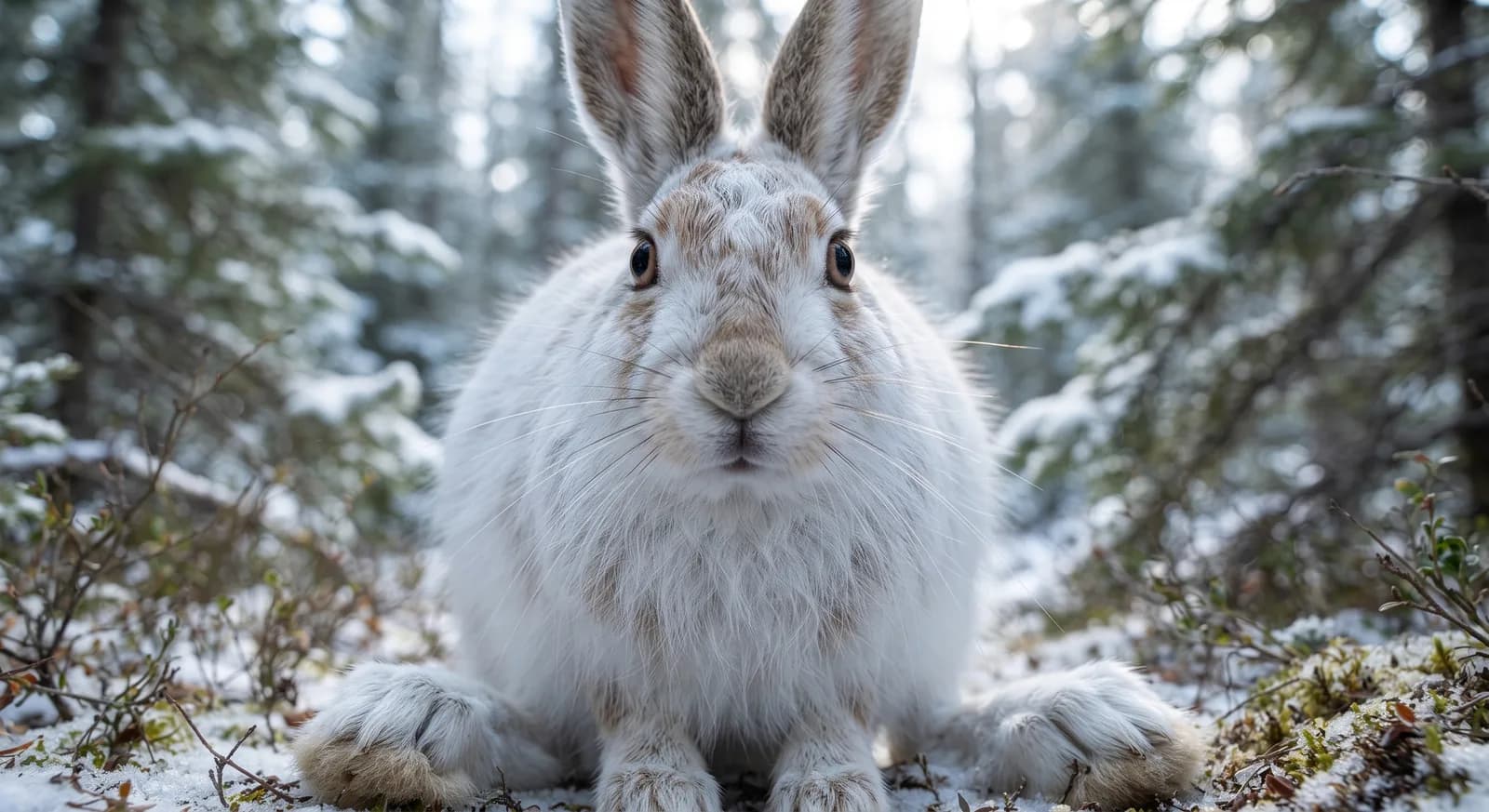
Liebre americana
Lepus americanus
Flora and ecosystems
Ecosystems found in Canada, where Kootenay lies.
Experiences in this park
Similar parks
Which other parks are like this one?
Keep exploring
Based on what we already know about Kootenay.
Your rating
How many stars would you give Kootenay?
Comments
Share your experience visiting Kootenay, or a tip for other travellers.
Be the first to comment.