Plateaux with spectacular flowering and glacial lakes in the Umbrian-Marchigian Apennines, with a unique endemic crustacean.
Area
700 km²
Declared in
1993
Region
Southern Europe
Climate
Templado, Mediterráneo, Montañoso
Highlight
The Piano Grande of Castelluccio and Lake Pilato
Monti Sibillini National Park was created in 1993 in the central Apennines, straddling Umbria and the Marche, and protects a limestone massif rising above 2,400 metres at Monte Vettore. Its name comes from the medieval legend of the Sibyl, the prophetess whom tradition placed in a cave in these mountains, an imagery that drew travellers and necromancers for centuries.
Its most celebrated landscape is the Piano Grande of Castelluccio, a broad karst plateau of lacustrine origin ringed by mountains, without trees or surface watercourses because everything drains underground. Each summer, the simultaneous flowering of the cultivated lentils and the wild plants tints the plain in bands of colour in a phenomenon that has become the park's symbol. Beside it, the system of Castelluccio plateaux preserves a centuries-old agro-pastoral landscape that depends on the traditional crop being maintained.
Beneath the eastern wall of Vettore lies Lake Pilato, a small high-altitude glacial lake of changing shape, the only one of glacial origin in the Apennines. It is home to Chirocephalus marchesonii, an endemic branchiopod crustacean that exists nowhere else in the world and whose survival depends on the lake not drying out, something increasingly frequent. The park's wildlife includes Apennine wolf, wildcat, roe deer and a cliff-dwelling birdlife with golden eagle. The 2016 earthquakes caused severe damage in the villages of the park, including the near-total destruction of Castelluccio.
Location
See on the interactive map4 dive sites within 300 km are also shown.
154 species documented in Monti Sibillini
At conservation risk:Capricornio del roble,Murciélago de cueva (murciélago de alas largas),Nóctulo grande
Abeja albañil
Osmia bicornis
Abeja carpintera violeta
Xylocopa violacea
Abeja del sudor europea
Lasioglossum malachurum
Abejorro común
Melolontha melolontha
Abejorro terrestre
Bombus terrestris
Abubilla
Upupa epops
Acentor común
Prunella modularis
Águila calzada
Hieraaetus pennatus
Alcaudón común
Lanius senator
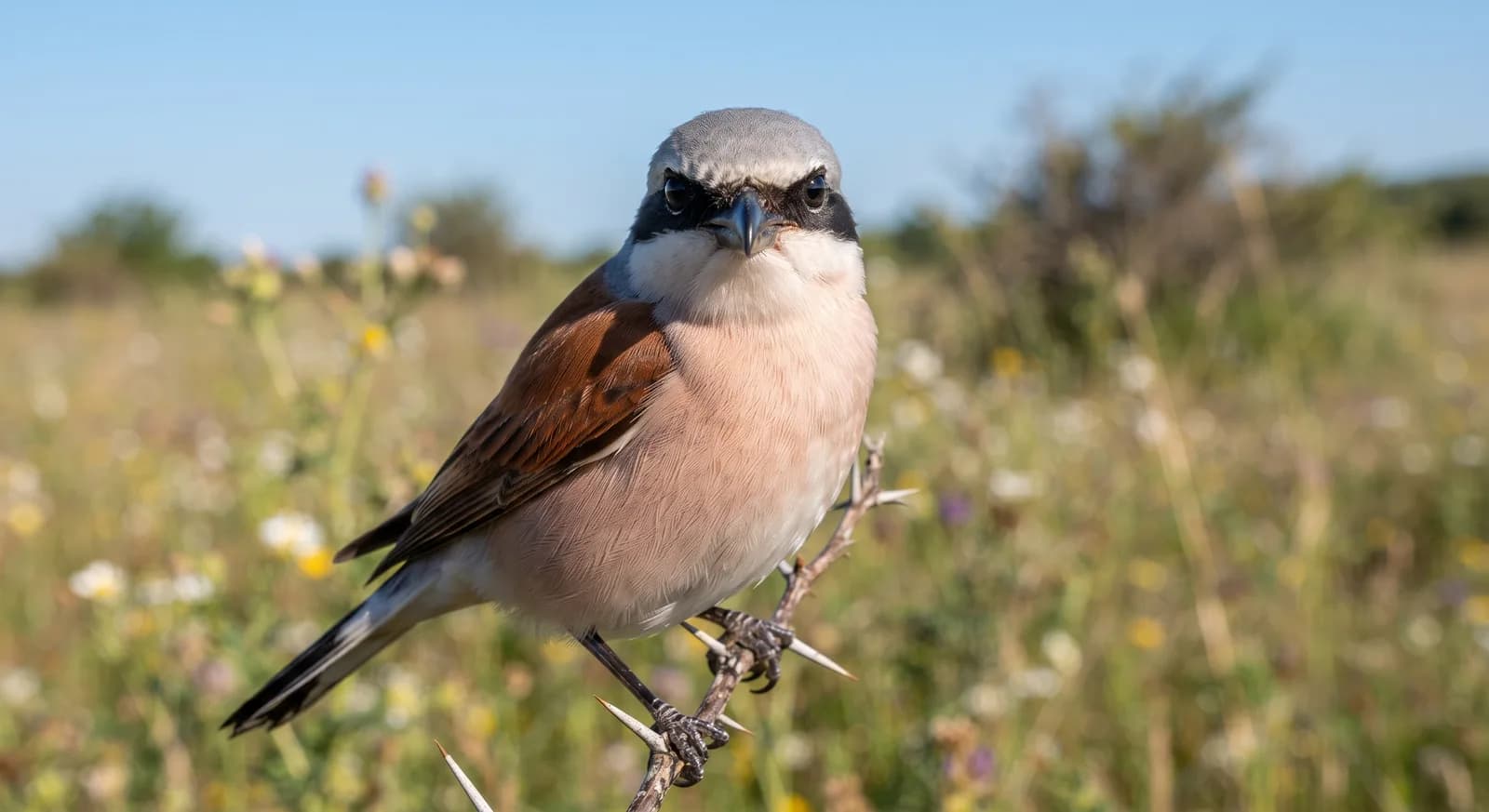 Least Concern
Alcaudón dorsirrojo
Lanius collurio
Alondra común
Alauda arvensis
 Least Concern
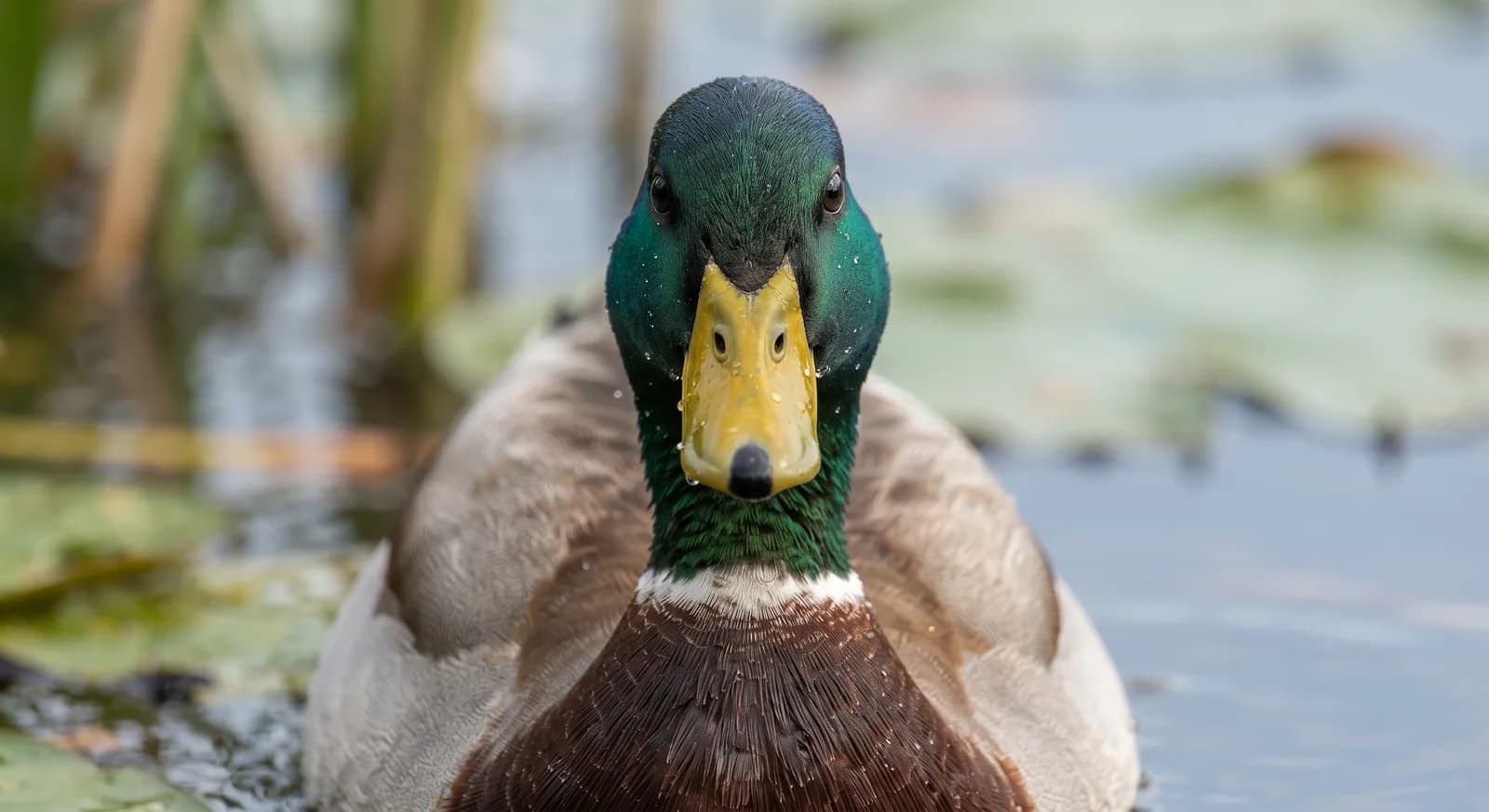
Ánade real
Anas platyrhynchos
Flora and ecosystems
Ecosystems found in Italy, where Monti Sibillini lies.
Experiences in this park
Nearby dive sites
Where can I dive near here?
Kornati Islands
194 km away
Tremiti Islands
204 km away
Blue Cave of Biševo
220 km away
Ponza Island
224 km away
Similar parks
Which other parks are like this one?
Keep exploring
Based on what we already know about Monti Sibillini.
Your rating
How many stars would you give Monti Sibillini?
Comments
Share your experience visiting Monti Sibillini, or a tip for other travellers.
Be the first to comment.