Rolling tundra cut by canyons north of the Arctic Circle, created by the Inuit of Paulatuk to protect caribou calving.
Area
18,181 km²
Declared in
1996
Region
North America
Climate
Templado, Polar / frío
Best time
June to September
Highlight
Bluenose-West caribou calving grounds and the Hornaday canyons
Tuktut Nogait means "young caribou" in Inuvialuktun, and the name sums up the park's reason for being. It lies in the Melville Hills, some 40 km east of Paulatuk, in the Northwest Territories, and 170 km north of the Arctic Circle; most of its northern boundary runs parallel to Amundsen Gulf, some 20 km beyond. It was created thanks to the determination of the Inuit of Paulatuk, who wanted a national park that would protect the calving grounds of the Bluenose herd of barren-ground caribou, an animal essential to their way of life.
The landscape is a rolling tundra deeply incised by the Hornaday, Brock and Roscoe rivers, which have cut canyons with vertical walls and waterfalls; the best known is La Roncière, in the north-west of the park on the Hornaday, named after the Oblate missionary Émile Petitot, the first European to descend the river, in 1868. The park takes in most of the core calving and post-calving grounds of the Bluenose-West herd: in mid-June some 20,000 caribou return to it to calve. Its creation is regarded as a factor in the subsequent recovery of these herds, in a context in which the other three barren-ground caribou populations of the Northwest Territories fell by between 84 and 93 % from their peaks in the 1980s and 1990s.
Alongside the caribou live muskoxen, grizzly bears, wolves, red foxes, wolverines, Arctic ground squirrels and collared lemmings. It is also an important breeding area for migratory birds: peregrine falcons, gyrfalcons, rough-legged buzzards and golden eagles nest on the canyon walls, and tundra swans, sandhill cranes, skuas, golden plovers and divers breed out on the tundra. There is evidence of human occupation along the rivers over the past 3,000 years, and the land claim agreements recognise the harvesting rights of the local population within the park's boundaries.
Location
See on the interactive map24 species documented in Tuktut Nogait
At conservation risk:Morsa
Ampelis europeo
Bombycilla garrulus
 Least Concern
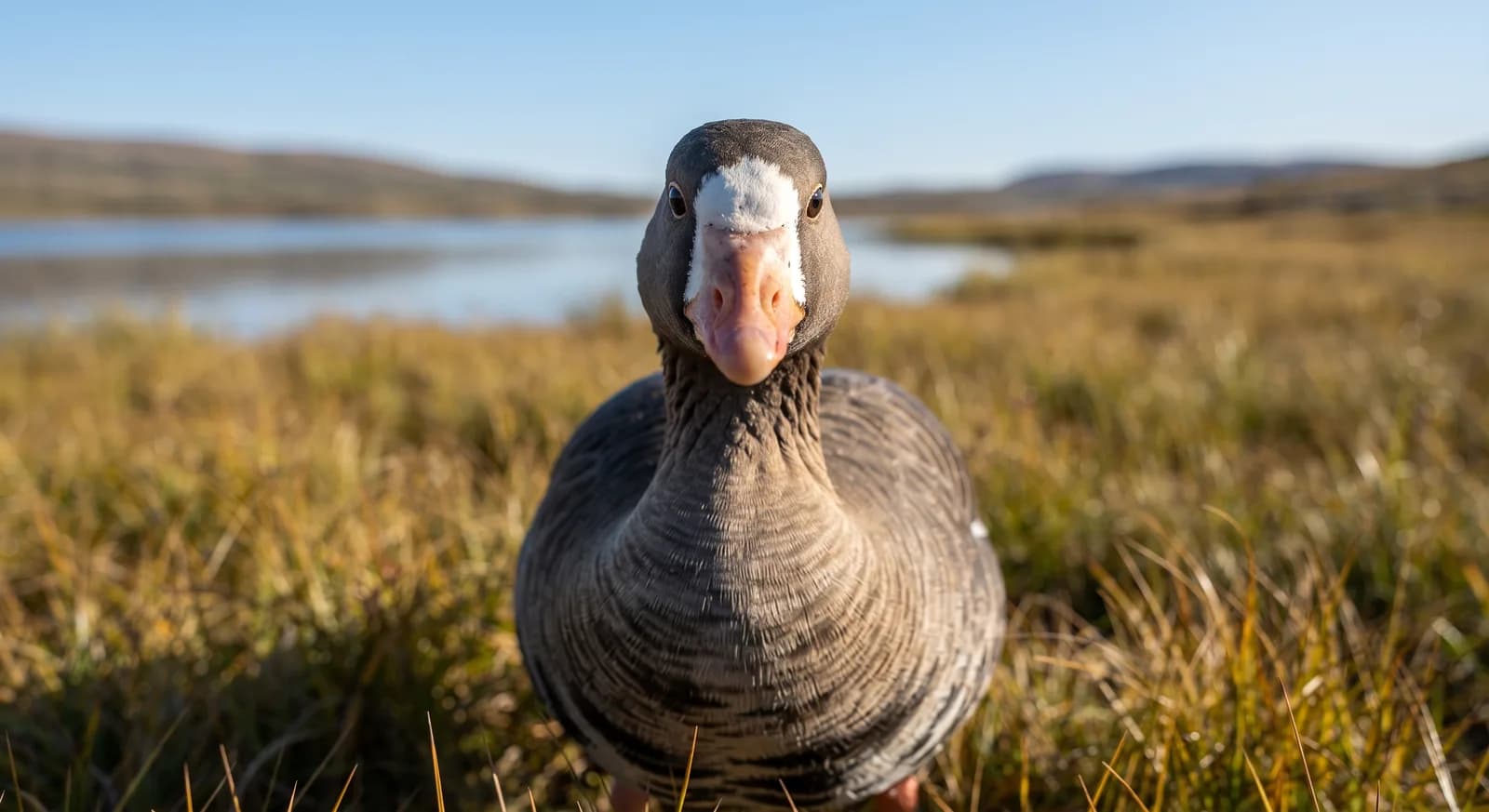
Ánsar careto
Anser albifrons
Ballena de Groenlandia
Balaena mysticetus
Barnacla canadiense
Branta canadensis
Barnacla carinegra
Branta bernicla
 Near Threatened
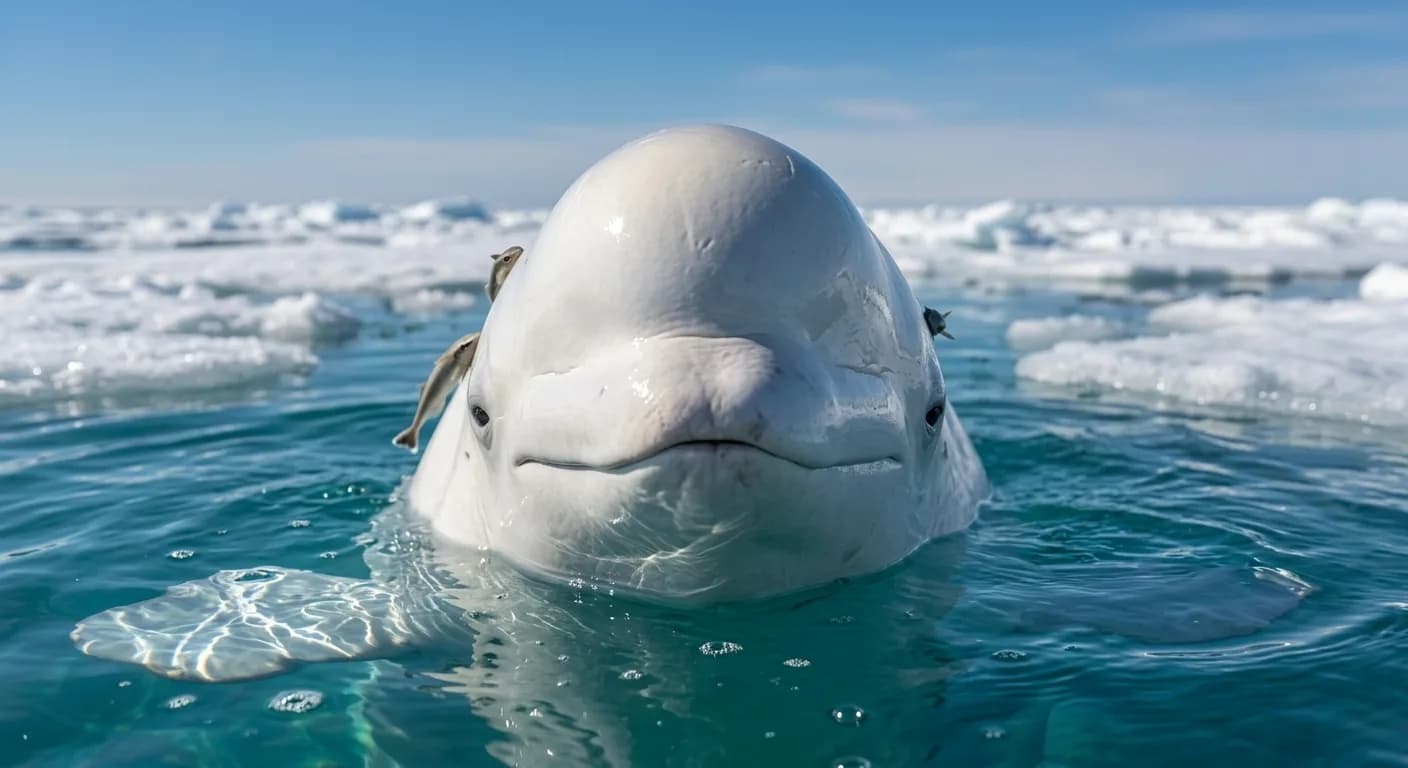
Beluga
Delphinapterus leucas
Búho campestre (lechuza campestre)
Asio flammeus
Chorlito dorado americano
Pluvialis dominica
Colimbo chico
Gavia stellata
Correlimos semipalmeado
Calidris pusilla
Escribano lapón
Calcarius lapponicus
Escribano nival
Plectrophenax nivalis
Flora and ecosystems
Ecosystems found in Canada, where Tuktut Nogait lies.
Experiences in this park
Similar parks
Which other parks are like this one?
Keep exploring
Based on what we already know about Tuktut Nogait.
Your rating
How many stars would you give Tuktut Nogait?
Comments
Share your experience visiting Tuktut Nogait, or a tip for other travellers.
Be the first to comment.