One of the 5 buntings on WAnimals
Birds · Passeriformes · Calcariidae
Lapland Longspur
Calcarius lapponicus
The species is abundant and widely distributed; it faces no significant short-term risk. See full glossary
The Lapland longspur is a bird of the circumpolar Arctic tundra, the male showing in summer a black head, a chestnut nape and a strongly marked white eyebrow. It breeds on the ground among the low Arctic vegetation and winters in large flocks in fields and steppes of the northern hemisphere. It is one of the few passerines that breeds right around the Arctic belt of the planet.
Weight
20 g – 33 g
Size
14 cm – 16 cm
Lifespan
8 years
Diet
Omnivore
Combines animal and plant food depending on availability.
Activity
Diurnal
Active mainly during the day.
Social structure
In pairs
Usually lives in pairs, sometimes for life.
Sighting difficulty
Easy
Fun facts
- It is one of the very few passerines with a circumpolar distribution: it breeds on the tundra of Alaska, Canada, Greenland, Scandinavia and Siberia, practically without a break right around the pole.
- In March 1904 a snowstorm in Minnesota killed more than a million and a half Lapland longspurs in a single night during their migration, one of the best-documented mass bird die-offs in history.
- Its winter flocks can gather tens of thousands of birds in the cereal fields, moving in waves that give the ground a rippling look.
Life cycle & biology
- Skeleton type
- Vertebrate - internal bony skeleton (bird)
- Habitat & environment
- Arctic tundra for breeding; steppes, fields and coasts of the northern hemisphere for wintering
- Birth weight
- Altricial: born blind, naked or with sparse down and entirely dependent
- Size at birth
- Altricial: born blind, naked or with sparse down and entirely dependent
- Sexual maturity
- 12 months
- Gestation / incubation
- 12 days
- Litter / clutch size
- 5
Sources consulted: https://es.wikipedia.org/wiki/Calcarius_lapponicus
Where to find it
See its range on the interactive mapBest time: From June to July on the Arctic tundra, during the breeding season; in winter it forms flocks in open country across Europe, Asia and North America.
Where to watch it
Parques y spots de buceo donde se ha documentado esta especie — se muestran 10 de 45 documentados.
Related species
Other species in the catalogue with the most in common with Lapland Longspur — same habitat, park, country, tags or family.
Snow Bunting
Plectrophenax nivalis
 Least Concern
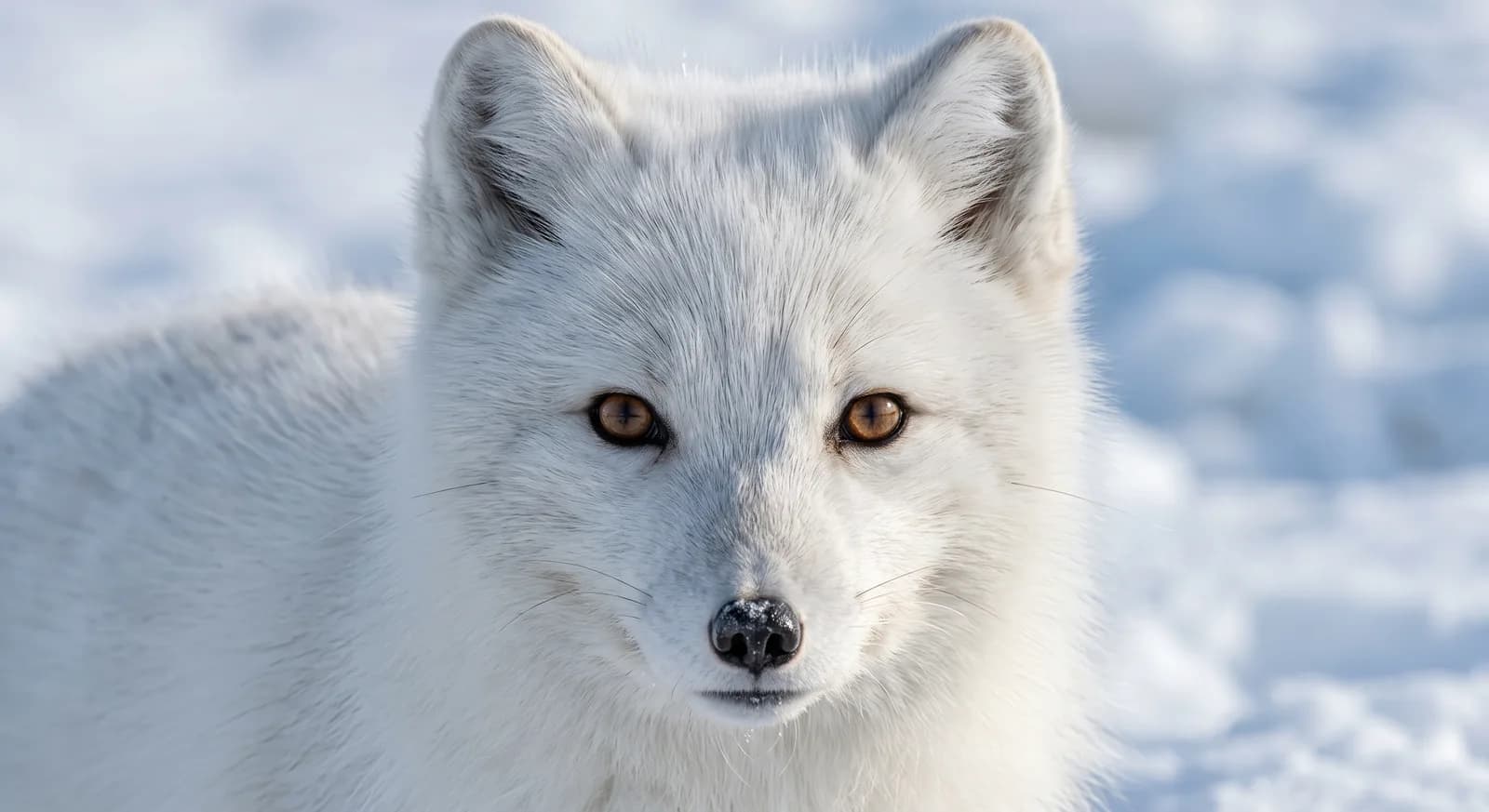
Arctic Fox
Vulpes lagopus
Willow Ptarmigan
Lagopus lagopus
Eurasian Collared Dove
Streptopelia decaocto
Mourning Dove
Zenaida macroura
 Least Concern
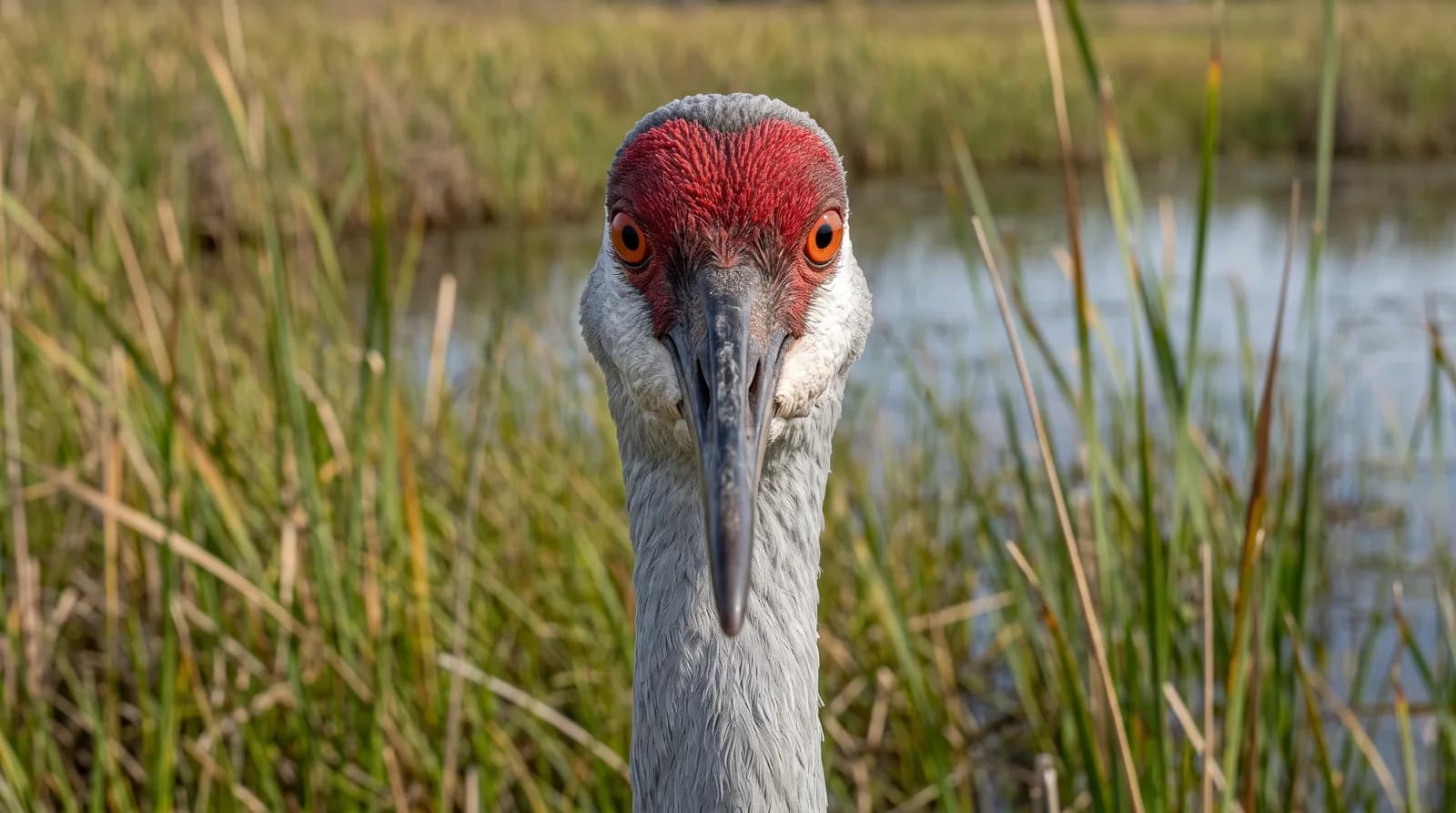
Sandhill Crane
Antigone canadensis
Keep exploring
Based on what we already know about lapland longspur.
Comments
Share an experience, a fun fact or a tip for seeing the lapland longspur.
Be the first to comment.