Skip to content
WAnimals
  • Map
  • Species
  • Parks
  • Diving
Log inCreate account
WAnimals

The guide for travellers and animal lovers: discover, plan and share your wild adventures around the world.

Discover wildlife

  • Species
  • Ecosystems
  • Glossary
  • Tags

Explore places

  • Map
  • Countries
  • Parks
  • Diving

Plan experiences

  • Guides

Learn

  • Blog

Resources

  • About us
  • How we build our profiles
  • Help centre
  • Contact
  • Install the app

Follow us

Account

  • Log in
  • Create account

© 2026 WAnimals. All rights reserved.

Terms of servicePrivacyCookiesLegal notice
MapSpeciesParksDiving
  1. Home
  2. Species
  3. Bighorn Sheep
Bighorn Sheep (Ovis canadensis)

Mammals · Artiodactyla · Bovidae

Bighorn Sheep

Ovis canadensis

Least Concern

The species is abundant and widely distributed; it faces no significant short-term risk.

Spotted something wrong?

The bighorn sheep is the wild sheep of the mountains of western North America, from the Canadian Rockies to the deserts of Mexico. The males grow massive, curled horns that can weigh more than the animal's entire skeleton, and use them in spectacular head-on fights during the rut. It lives on steep ground, where it escapes predators. Diseases transmitted by domestic sheep, above all bacterial pneumonia, cause mass die-offs in its populations.

Weight

53 kg – 140 kg

Size

1.2 m – 1.8 m

Life expectancy

14 years
Diet

Herbivore

Feeds mainly on plants.

Activity

Diurnal

Active mainly during the day.

DesertMountain
3countries11parks86same family

AI-generated images: illustrations, not photographs.

Fun facts

  • GeneralMales clash horns at over 30 km/h, and those horns can weigh 14 kg — more than the whole skeleton.
  • In rutting fights two males charge head-on at more than 30 kilometres an hour and clash horns with a crack audible a kilometre away; the skull has a double layer of bone and an internal septum that absorbs the impact.
  • An adult male's horns can weigh more than all the bones of his skeleton put together.

Life cycle and biology

Skeleton type
Vertebrate - internal bony skeleton (mammal)
Habitat and environment
Cliffs, steep slopes and alpine meadows of the mountains of western North America
Sexual maturity
23.2 months
Gestation / incubation
5.9 months
Litter / clutch size
1

Sources consulted: Wikipedia (es): Ovis canadensis

Where to find it

Loading map…

The pins mark the parks where its presence is documented.

Where to see it

Parks and dive sites where this species has been documented — showing 10 of 11.

Related species

Other species in the catalogue with the most in common with Bighorn Sheep — same habitat, park, country, tags or family.

Same taxonomic family
Shares a park

Related guides

Keep exploring

Based on what we already know about bighorn sheep.

Share an experience, a fun fact or a tip for seeing the bighorn sheep.
See full glossary
This page in other languages: Español · Deutsch · Français · Português · Italiano
See its range on the interactive map→
Yellowstone National ParkUnited States
GlacierUnited States
BanffCanada
JasperCanada
YohoCanada
Waterton LakesCanada
Great BasinUnited States
BadlandsUnited States
Theodore RooseveltUnited States
Black Canyon of the GunnisonUnited States
See all 11 parks
Least Concern

Mountain Goat

Oreamnos americanus

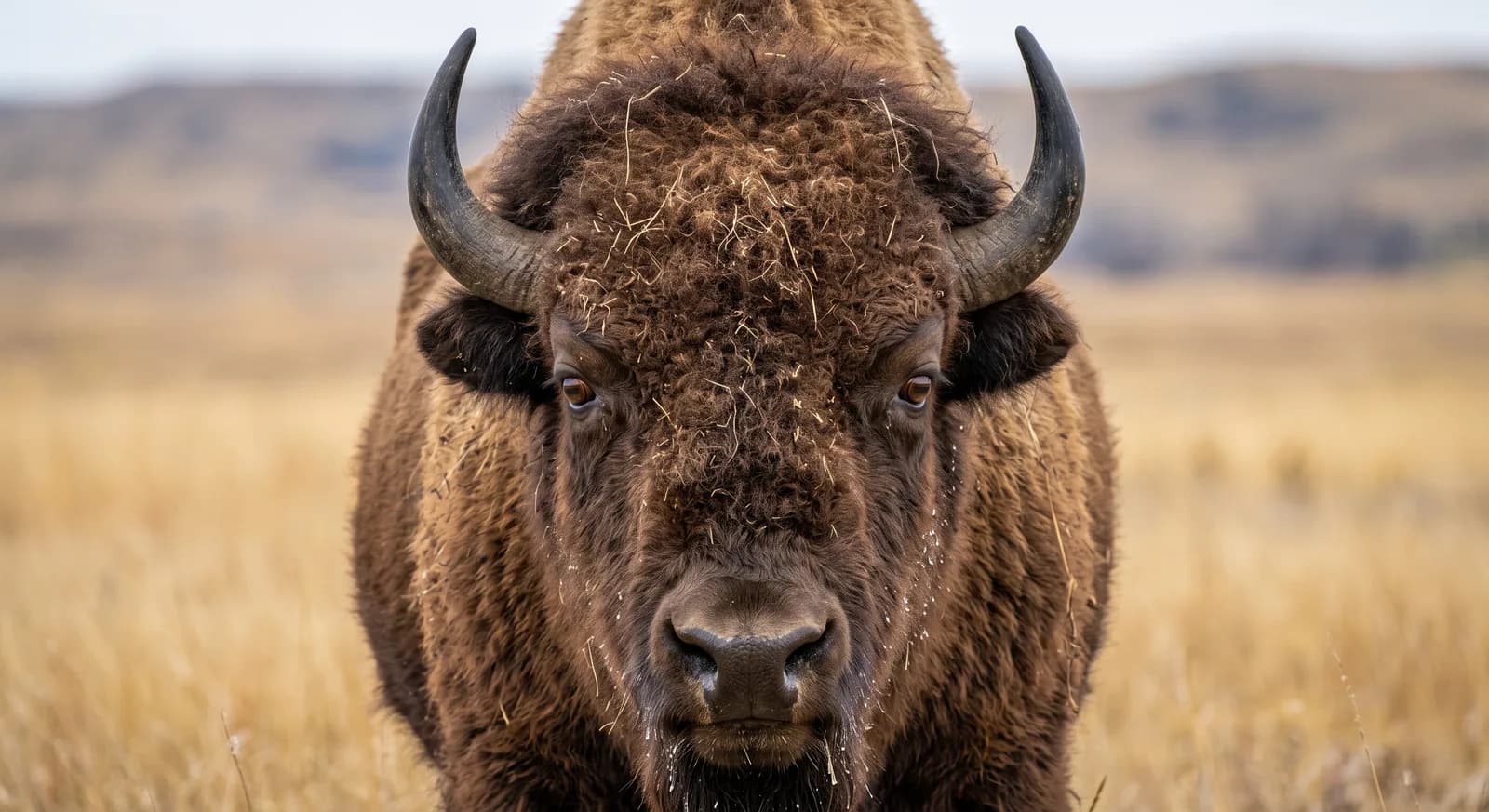
American BisonNear Threatened

American Bison

Bison bison

Least Concern

Blackbuck

Antilope cervicapra

Least Concern

Thinhorn Sheep

Ovis dalli

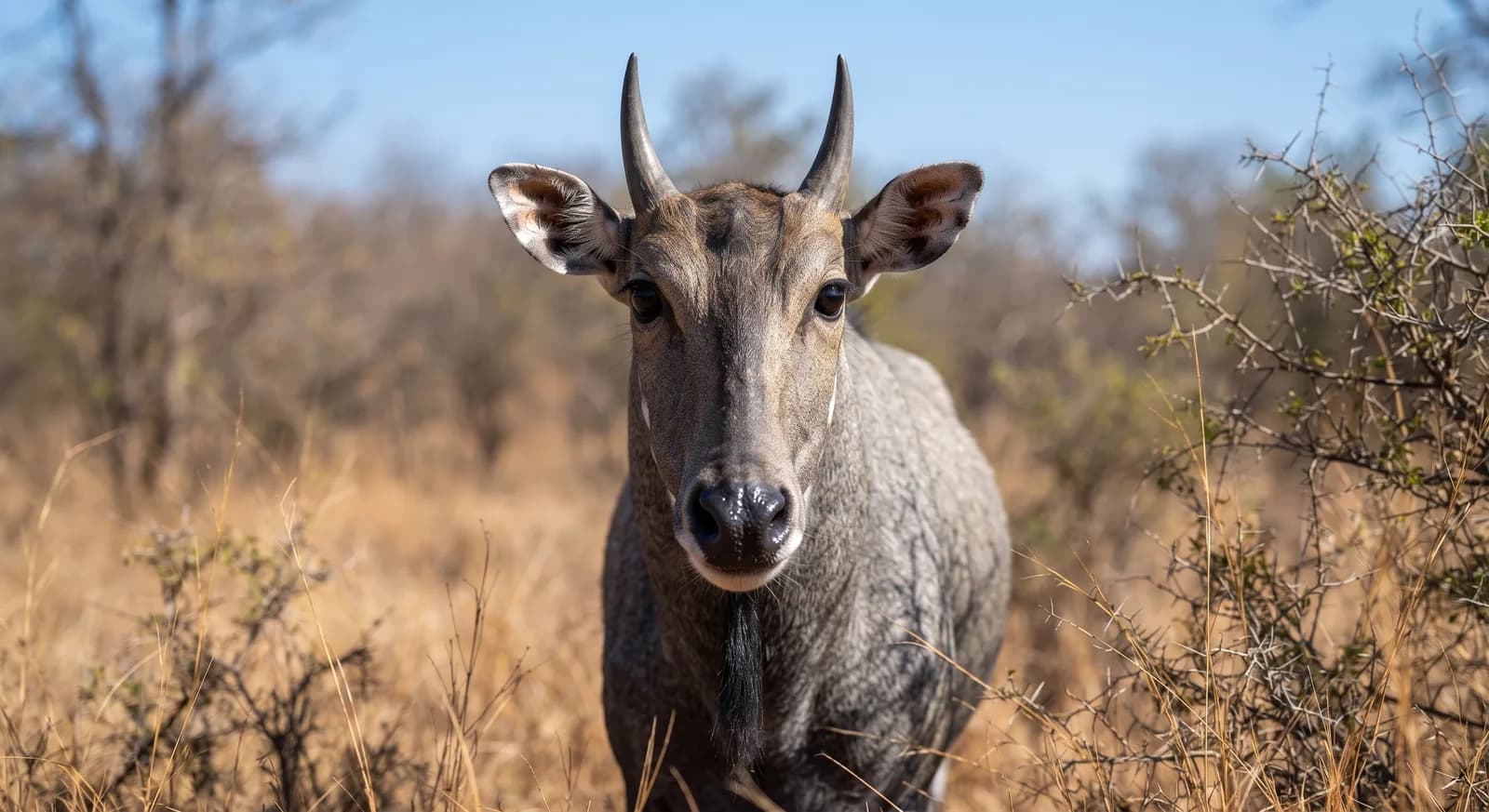
NilgaiLeast Concern

Nilgai

Boselaphus tragocamelus

Least Concern

Bushy-tailed Woodrat

Neotoma cinerea

Where to see Bighorn Sheep11 places
CountriesUnited States
ParksYellowstone National ParkUnited States
TagsHerbivore
Herbivore
Diurnal
Desert
Mountain
Mammal
United States
Canada
Mexico