Skip to content
WAnimals
  • Map
  • Species
  • Parks
  • Diving
Log inCreate account
WAnimals

The guide for travellers and animal lovers: discover, plan and share your wild adventures around the world.

Discover wildlife

  • Species
  • Ecosystems
  • Glossary
  • Tags

Explore places

  • Map
  • Countries
  • Parks
  • Diving

Plan experiences

  • Guides

Learn

  • Blog

Resources

  • Help centre
  • Contact
  • Install the app

Follow us

Account

  • Log in
  • Create account

© 2026 WAnimals. All rights reserved.

About usHow we build our profilesTerms of servicePrivacyLegal notice
MapSpeciesParksDiving
  1. Home
  2. Species
  3. Thinhorn Sheep

One of the 2 sheep on WAnimals

Mammals · Artiodactyla · Bovidae

Thinhorn Sheep

Ovis dalli

Least Concern

The species is abundant and widely distributed; it faces no significant short-term risk.

Spotted something wrong?

Ovis dalli, also known as the Dall ram, Dall's sheep, Dall sheep or thinhorn sheep, is a wild sheep native to north-western North America. The species Ovis dalli comprises two subspecies, Ovis dalli dalli and Ovis dalli stonei, which live in alpine mountain country across north-western British Columbia, the Yukon, the Northwest Territories and Alaska. They feed on a variety of plants such as grasses, sedges and even shrubs like willow at different times of year. They also take in minerals to supplement their diet.

Weight

45 kg – 110 kg

Size

1.3 m – 1.8 m

Life expectancy

14 years

Diet

Herbivore

Feeds mainly on plants.

Activity

Diurnal

Active mainly during the day.

Social structure

Herd

Lives in large groups as a strategy against predators.

Sighting difficulty

Easy

MountainTundraPolar
2countries10parks86same family

Fun facts

  • GeneralIts horns grow throughout its life, and their rings give away the animal's age.
  • The growth rings on its horns work like a tree's: each winter leaves a mark, and by counting them the exact age of a ram can be known.
  • It is the only wild sheep in the world with a pure white coat, effective camouflage during the eight months a year that its mountains are under snow.

Life cycle and biology

Skeleton type
Vertebrate - internal bony skeleton (mammal)
Habitat and environment
Dry alpine meadows beside rocky crags, in the mountains of Alaska and north-western Canada
Size at birth
Precocial: on its feet within half an hour, although it stays hidden for the first few weeks
Sexual maturity
22.5 months
Gestation / incubation
5.7 months
Litter / clutch size
1

Sources consulted: https://es.wikipedia.org/wiki/Ovis_dalli

Where to find it

Best time: From June to September in Alaska and the Yukon, when it is visible on the high slopes; in November and December the rams clash head to head.

Loading map…

The pins mark the parks where its presence is documented.

Where to see it

Parks and dive sites where this species has been documented.

Related species

Other species in the catalogue with the most in common with Thinhorn Sheep — same habitat, park, country, tags or family.

Same taxonomic family
Shares a park
Shares a park
Shares a park

Keep exploring

Based on what we already know about thinhorn sheep.

Comments

Share an experience, a fun fact or a tip for seeing the thinhorn sheep.

Be the first to comment.

See full glossary
This page in other languages: Español · Deutsch · Français · Português · Italiano
See its range on the interactive map→
DenaliUnited States
Wrangell-St. EliasUnited States
NahanniCanada
KluaneCanada
IvvavikCanada
Gates of the ArcticUnited States
Kobuk ValleyUnited States
Lake ClarkUnited States
Nááts'ihch'ohCanada
VuntutCanada
Least Concern

Mountain Goat

Oreamnos americanus

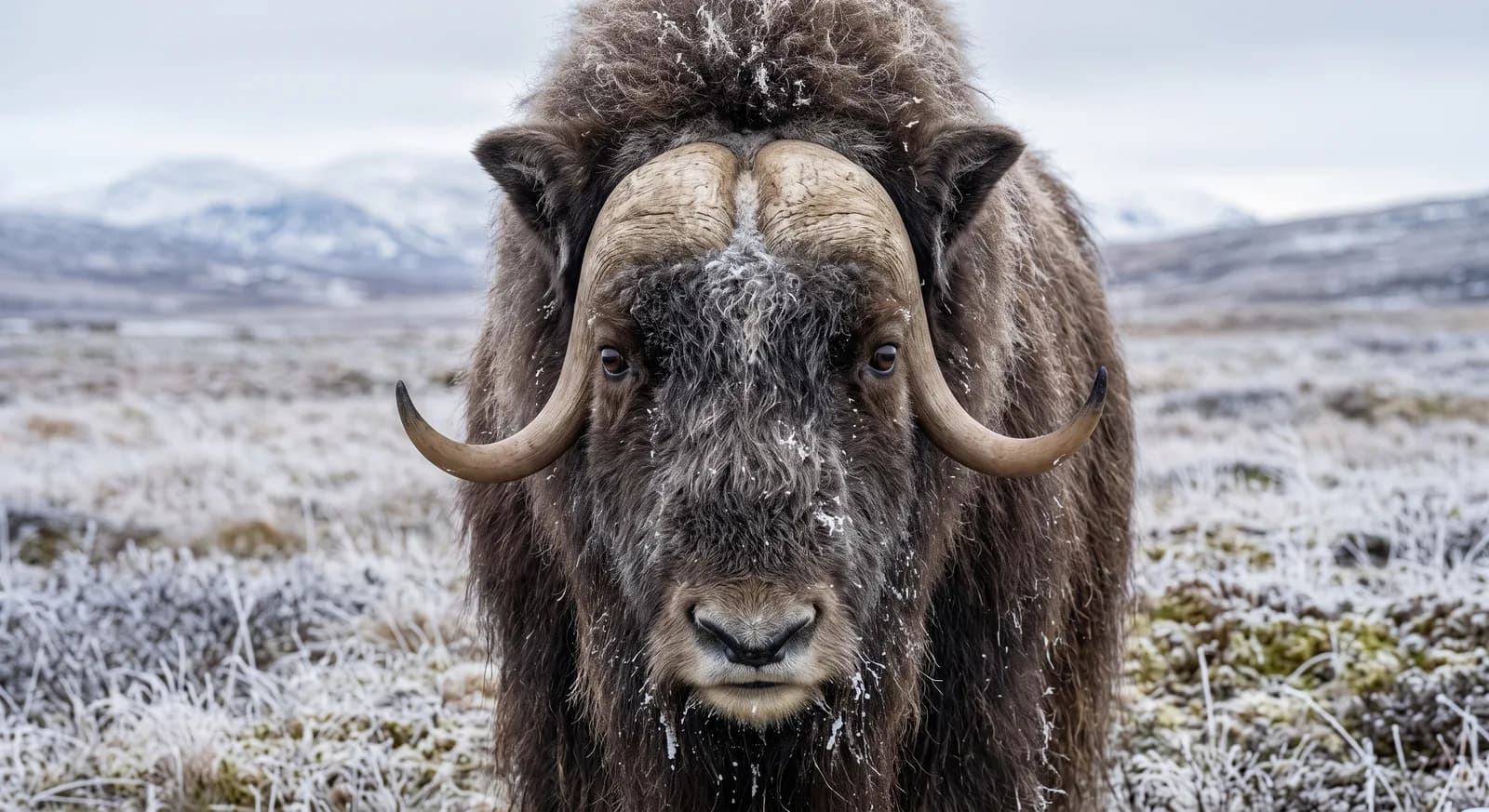
MuskoxLeast Concern

Muskox

Ovibos moschatus

Bighorn SheepLeast Concern

Bighorn Sheep

Ovis canadensis

Arctic HareLeast Concern

Arctic Hare

Lepus arcticus

Least Concern

Dark-eyed Junco

Junco hyemalis

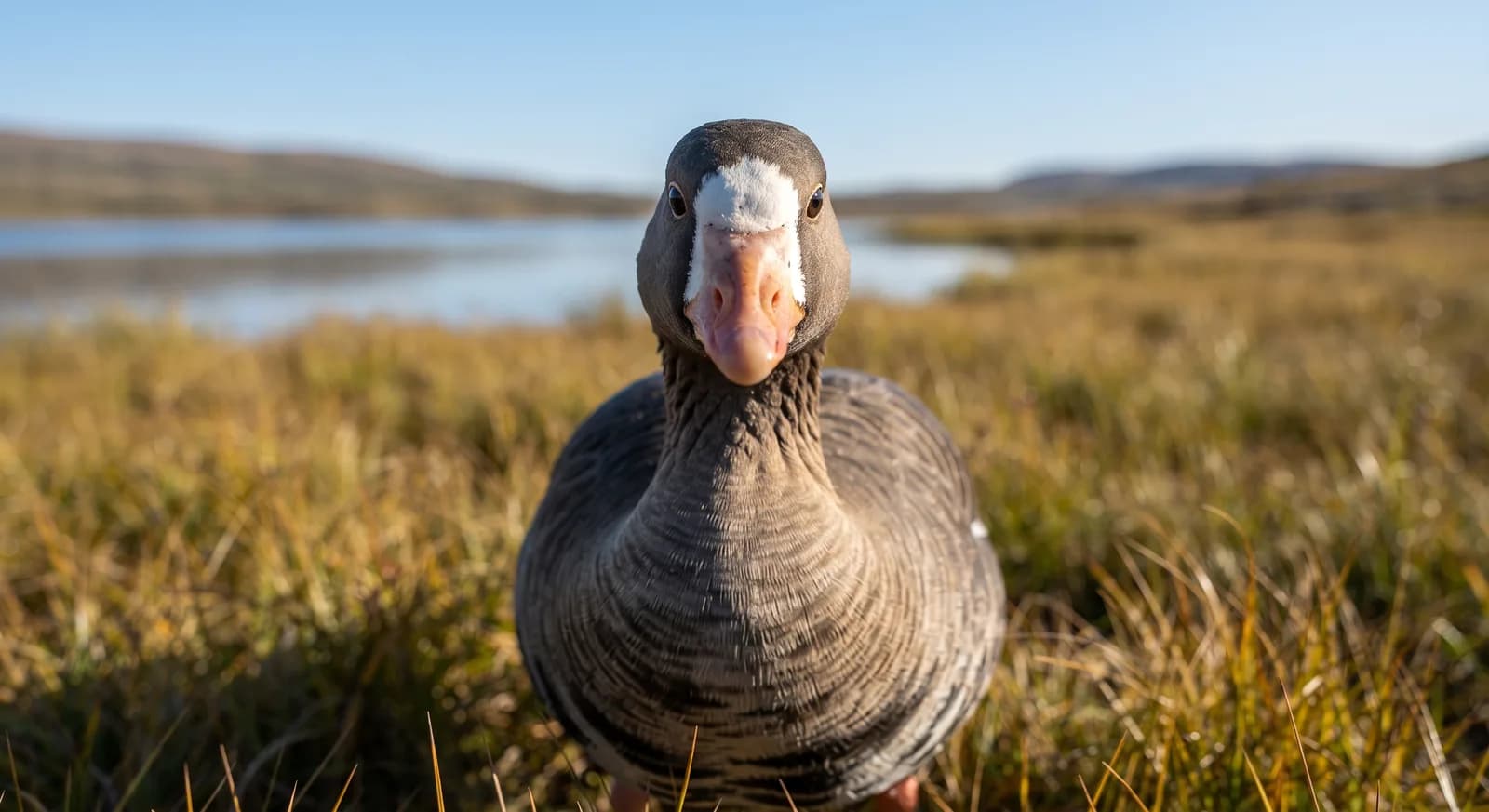
Greater White-fronted GooseLeast Concern

Greater White-fronted Goose

Anser albifrons

CountriesCanada
ParksDenaliUnited States
TagsHerbivore
Herbivore
Diurnal
In herds
Mountain
Tundra
Polar
Mammal
Canada
United States