 Not Evaluated
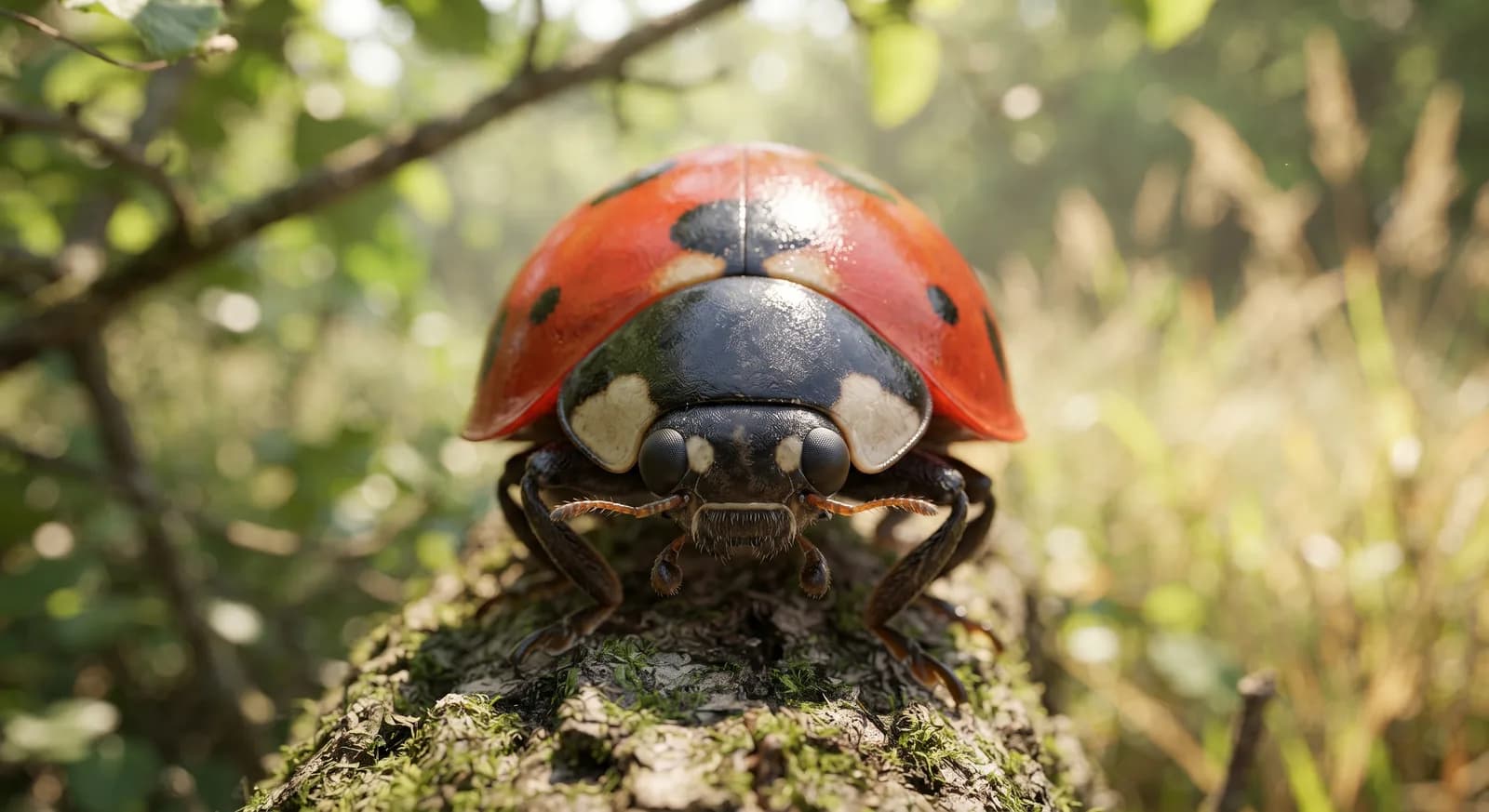
Seven-spotted Lady Beetle
Coccinella septempunctata
Insects · Phthiraptera · Pediculidae
Pediculus humanus
It has not yet been assessed against the IUCN criteria.
The human louse is a phthirapteran insect of the family Pediculidae that parasitises humans, especially children and adolescents. Its infestation causes pediculosis. Unlike the flea, this species has undergone no decline, and its distribution is worldwide. Two subspecies are recognised: Pediculus humanus humanus Linnaeus, 1758, also called Pediculus humanus corporis, and Pediculus humanus capitis De Geer, 1778.
Size
0.2 cm – 0.4 cm
Diet
Carnivore
Feeds mainly on other animals.
Activity
Nocturnal
Active mainly at night.
Social structure
Solitary
Lives and hunts alone, joining others only to breed.
Sources consulted: Wikipedia (en): Pediculus humanus · CDC DPDx, ficha Pediculosis · Penn State Extension · Texas DSHS, ficha de piojos de la cabeza
Other species in the catalogue with the most in common with Body Louse — same habitat, park, country, tags or family.
Based on what we already know about body louse.