Skip to content
WAnimals
  • Map
  • Species
  • Parks
  • Diving
Log inCreate account
WAnimals

The guide for travellers and animal lovers: discover, plan and share your wild adventures around the world.

Discover wildlife

  • Species
  • Ecosystems
  • Glossary
  • Tags

Explore places

  • Map
  • Countries
  • Parks
  • Diving

Plan experiences

  • Guides

Learn

  • Blog

Resources

  • About us
  • How we build our profiles
  • Help centre
  • Contact
  • Install the app

Follow us

Account

  • Log in
  • Create account

© 2026 WAnimals. All rights reserved.

Terms of servicePrivacyCookiesLegal notice
MapSpeciesParksDiving
  1. Home
  2. Species
  3. Australian Box Jelly

Box jellyfish · Chirodropida · Chirodropidae

Australian Box Jelly

Chironex fleckeri

Not Evaluated

It has not yet been assessed against the IUCN criteria.

Spotted something wrong?

The Australian box jellyfish is a cubozoan with an almost transparent cube-shaped bell and up to sixty tentacles that can extend three metres. Its venom is among the most potent known in any animal and has caused dozens of documented deaths in Australia.

Size

15 cm – 30 cm

Life expectancy

1 year

Diet

Carnivore

Feeds mainly on other animals.

Social structure

Solitary

Lives and hunts alone, joining others only to breed.

Ocean
2countries5parks4dive sites

Fun facts

  • It does not drift with the current: it swims actively at more than a metre a second, avoids obstacles and seeks out its prey, behaviour unusual for a jellyfish.
  • It has twenty-four eyes in four clusters, some of them with cornea, lens and retina, even though the animal has no centralised brain.
  • First aid is to apply vinegar, which stops the stinging cells still on the skin from firing, and a specific antivenom has existed since 1970.
  • It is the deadliest jellyfish in the world: it is blamed for at least 64 deaths in Australia between 1884 and 2021, and some sources put the figure at 77 over the last century.
  • It can kill in minutes. Deaths normally occur between 5 and 20 minutes after the sting, from cardiac arrest; its venom causes extreme pain, dermonecrosis, hypotension and arrhythmias.
  • And it is no passive drifting jellyfish: it swims actively at several km/h and pursues its prey.
  • It has 24 eyes, grouped into four sensory structures, some with a lens and retina capable of forming images. It uses them to find its way and to dodge obstacles, something exceptional in an animal without a centralised brain.
  • Its tentacles reach three metres and are covered in millions of nematocysts.
  • First aid is vinegar, which deactivates the nematocysts that have not yet fired and stops the situation getting worse, but it neither relieves the pain nor neutralises venom already injected. An antivenom has existed since 1970, though its real effectiveness is still debated.
  • The great majority of stings are not fatal and amount to painful weals.
  • In 2016 abundant populations were discovered below 50 m depth on reefs off Western Australia, which broadened what was known of its ecology.

Life cycle and biology

Skeleton type
Invertebrate - no rigid skeleton (cnidarian)
Habitat and environment
Shallow coastal waters and river mouths of northern Australia and the Indo-Pacific

Sources consulted: Wikipedia (es): Chironex fleckeri

Where to find it

Best time: Southern summer, October to May, in the coastal waters of northern Australia

Loading map…

The pins mark the parks and dive sites where its presence is documented.

Where to see it

Parks and dive sites where this species has been documented.

Related species

Other species in the catalogue with the most in common with Australian Box Jelly — same habitat, park, country, tags or family.

Shares a park
Shares a park
Shares a park
Shares a park
Shares a park
Shares a park

Keep exploring

Based on what we already know about australian box jelly.
Share an experience, a fun fact or a tip for seeing the australian box jelly.
See full glossary
This page in other languages: Español · Deutsch · Français · Português · Italiano
See its range on the interactive map→
KakaduAustralia
Great Barrier ReefAustralia
LitchfieldAustralia
Rinyirru (Lakefield)Australia
Whitsunday IslandsAustralia
SS YongalaAustralia
Ningaloo ReefAustralia
Whitsunday Islands (Chalkies Beach)Australia
Navy Pier (Exmouth)Australia
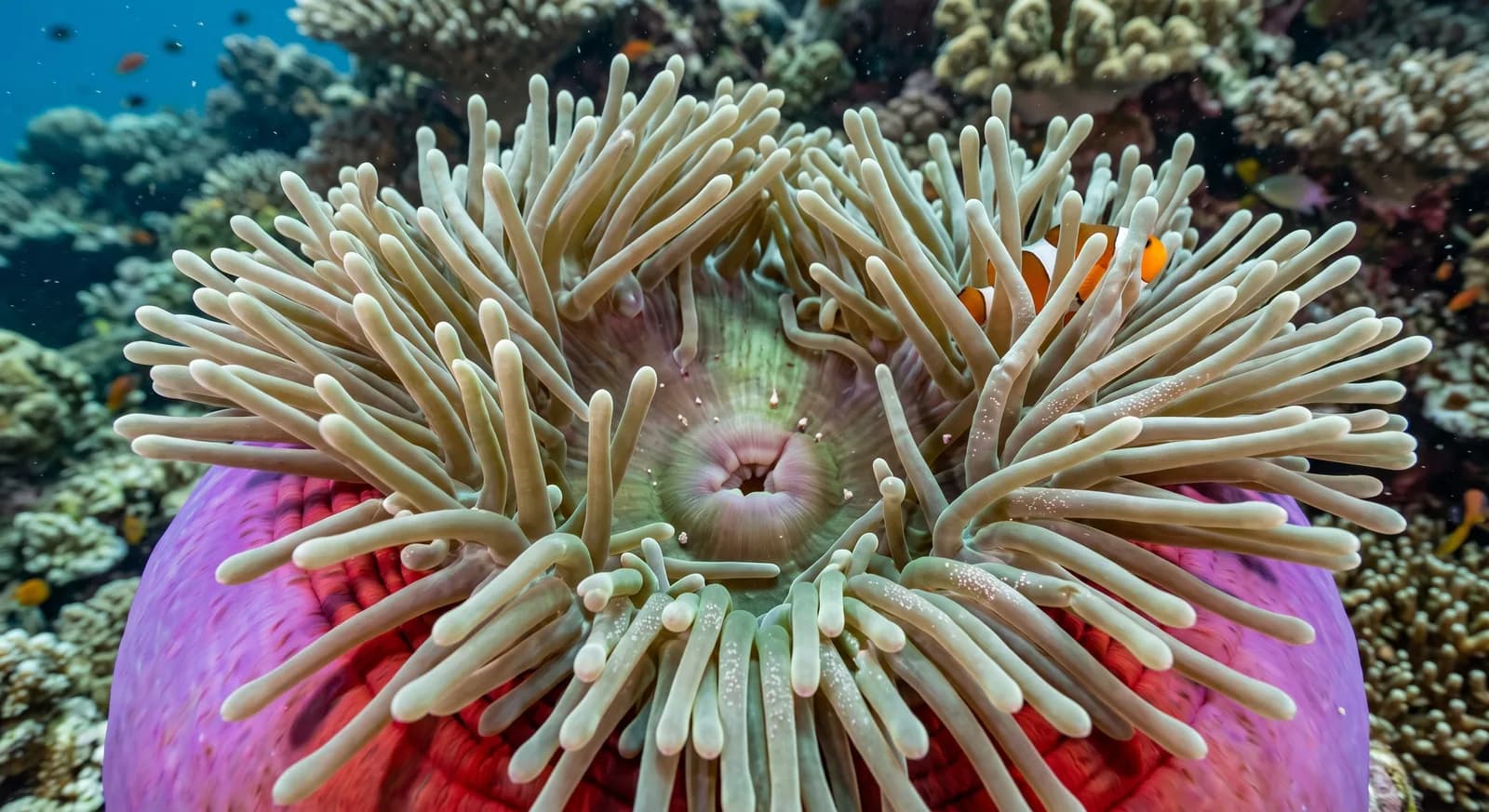
Ritteri AnemoneNot Evaluated

Ritteri Anemone

Heteractis magnifica

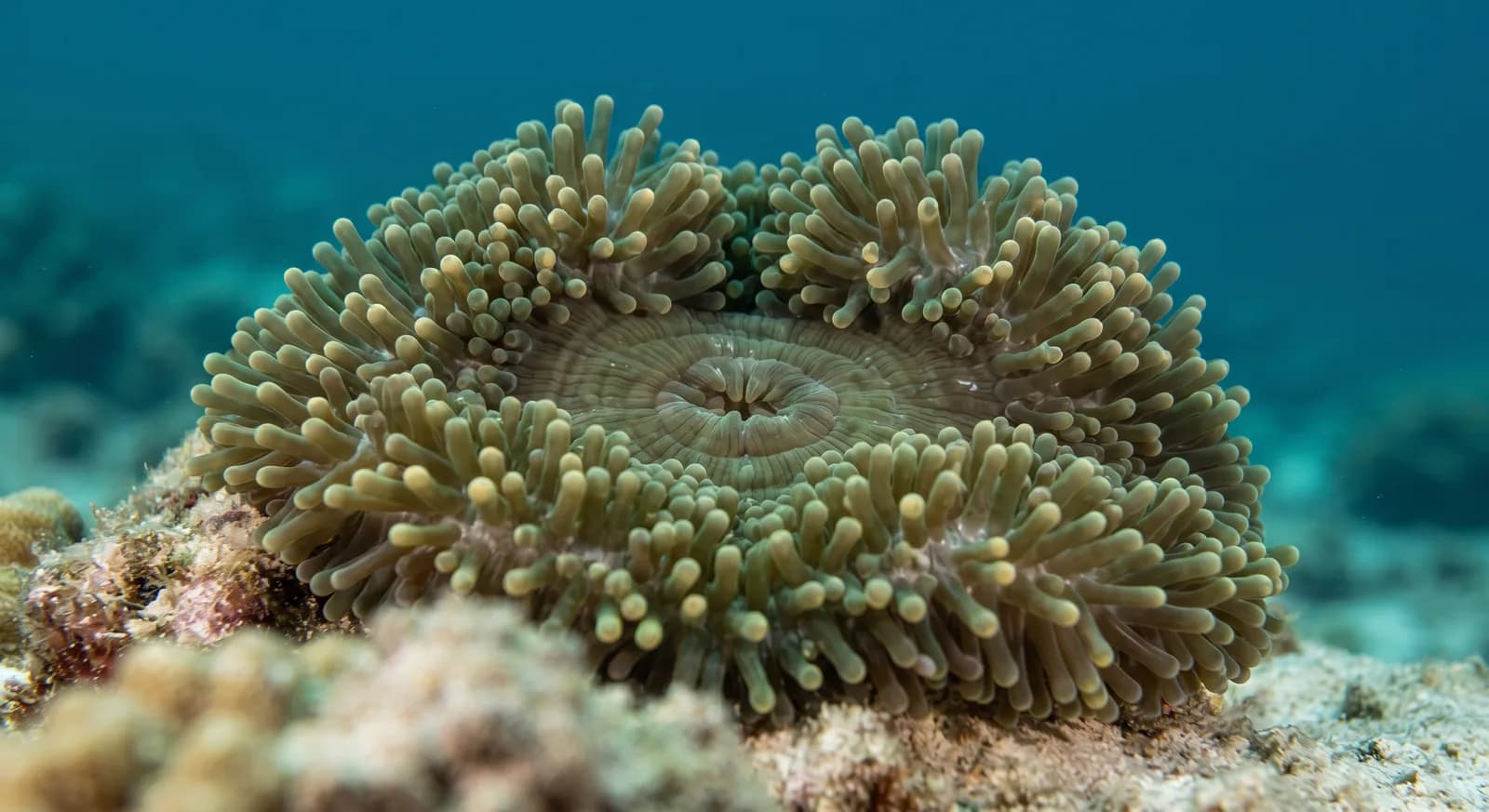
Common Mushroom CoralLeast Concern

Common Mushroom Coral

Fungia fungites

Giant Carpet AnemoneNot Evaluated

Giant Carpet Anemone

Stichodactyla gigantea

Not Evaluated

Irukandji Jellyfish

Carukia barnesi

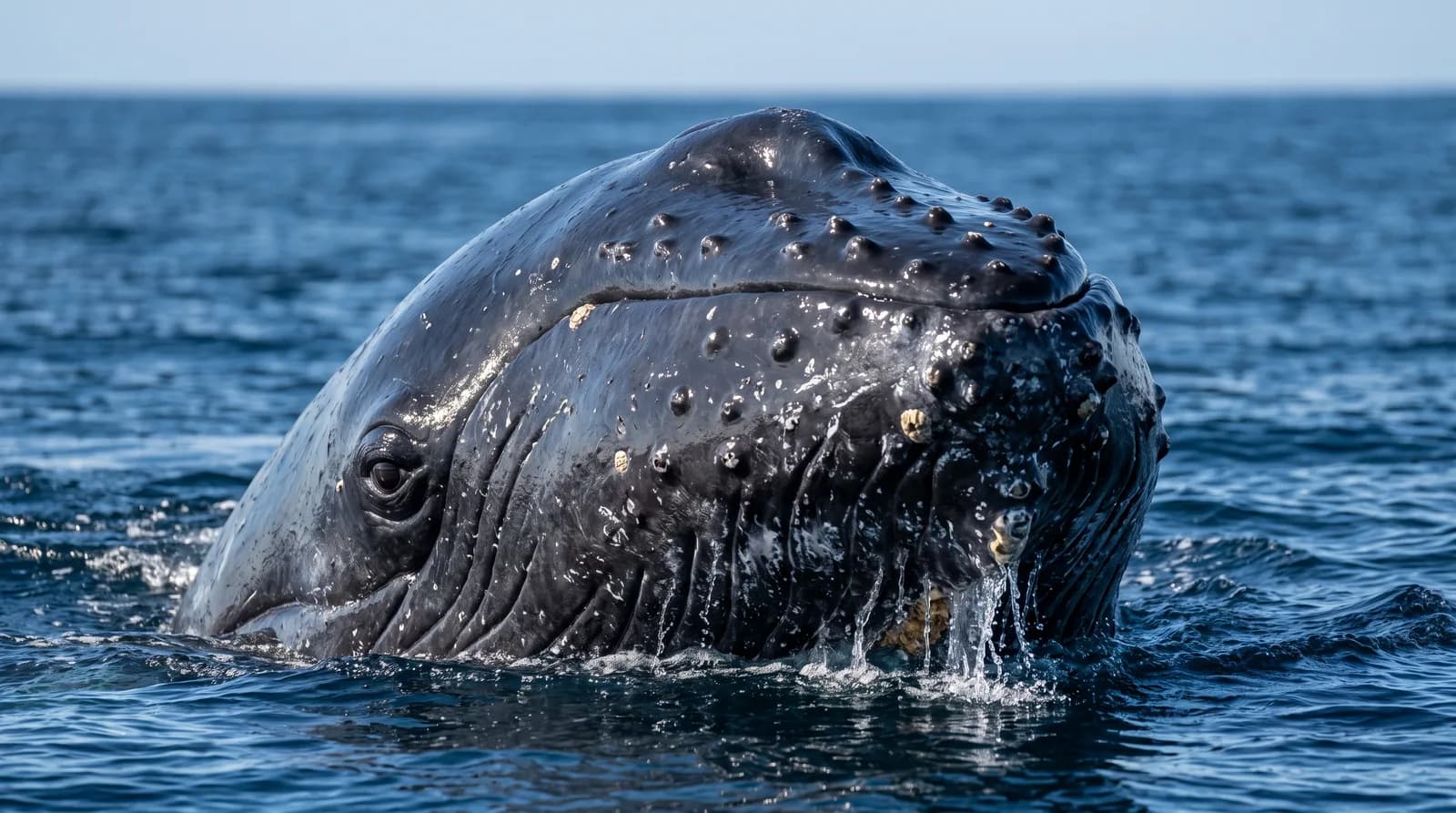
Humpback WhaleLeast Concern

Humpback Whale

Megaptera novaeangliae

Data Deficient

Flatback

Natator depressus

CountriesAustralia
ParksKakaduAustralia
TagsCarnivore
Carnivore
Solitary
Ocean
Cnidarian
Australia
Papua New Guinea