Skip to content
WAnimals
  • Map
  • Species
  • Parks
  • Diving
Log inCreate account
WAnimals

The guide for travellers and animal lovers: discover, plan and share your wild adventures around the world.

Discover wildlife

  • Species
  • Ecosystems
  • Glossary
  • Tags

Explore places

  • Map
  • Countries
  • Parks
  • Diving

Plan experiences

  • Guides

Learn

  • Blog

Resources

  • About us
  • How we build our profiles
  • Help centre
  • Contact
  • Install the app

Follow us

Account

  • Log in
  • Create account

© 2026 WAnimals. All rights reserved.

Terms of servicePrivacyCookiesLegal notice
MapSpeciesParksDiving
  1. Home
  2. Species
  3. Brandt's Cormorant

One of the 13 cormorants on WAnimals

Birds · Suliformes · Phalacrocoracidae

Brandt's Cormorant

Phalacrocorax penicillatus

Least Concern

The species is abundant and widely distributed; it faces no significant short-term risk.

Spotted something wrong?

Brandt's cormorant is a large black cormorant of the North American Pacific coast, with a ruff of fine white feathers and a throat of bright cobalt blue during courtship. It breeds in dense colonies on islands and cliffs and fishes in the kelp forests of the California Current. Its populations swing sharply with El Niño events.

Weight

1.8 kg – 2.8 kg

Size

70 cm – 79 cm

Life expectancy

18 years

Diet

Carnivore

Feeds mainly on other animals.

Activity

Diurnal

Active mainly during the day.

Social structure

Colony

Lives in large concentrations, often for breeding reasons.

OceanIslands
3countries13parks12same family

Fun facts

  • In courtship its throat turns an intense cobalt blue and the male displays it by throwing his head back until it touches his own back, a display that lasts only a few weeks a year.
  • Its populations collapse during El Niño events, when the warm water depresses the productivity of the California Current, and recover in the cold years.
  • It fishes in the giant kelp forests of the Pacific, diving among the fronds to more than forty metres deep.

Life cycle and biology

Skeleton type
Vertebrate - internal bony skeleton (bird)
Habitat and environment
Rocky coasts and shelf waters of the North American Pacific, from Alaska to Baja California
Sexual maturity
2 years
Gestation / incubation
30 days
Litter / clutch size
3

Sources consulted: Wikipedia (en): Brandt's cormorant

Where to find it

Loading map…

The pins mark the parks where its presence is documented.

Where to see it

Parks and dive sites where this species has been documented — showing 10 of 13.

Related species

Other species in the catalogue with the most in common with Brandt's Cormorant — same habitat, park, country, tags or family.

Same taxonomic family
Shares a park
Shares a park
Shares a park
Shares a park
Shares a park

Keep exploring

Based on what we already know about brandt's cormorant.
Share an experience, a fun fact or a tip for seeing the brandt's cormorant.
See full glossary
This page in other languages: Español · Deutsch · Français · Português · Italiano
See its range on the interactive map→
RedwoodUnited States
OlympicUnited States
Glacier BayUnited States
Channel IslandsUnited States
Pacific RimCanada
Gwaii HaanasCanada
Guadalupe IslandMexico
Point ReyesUnited States
Gulf IslandsCanada
Kenai FjordsUnited States
See all 13 parks
Least Concern

Double-crested Cormorant

Phalacrocorax auritus

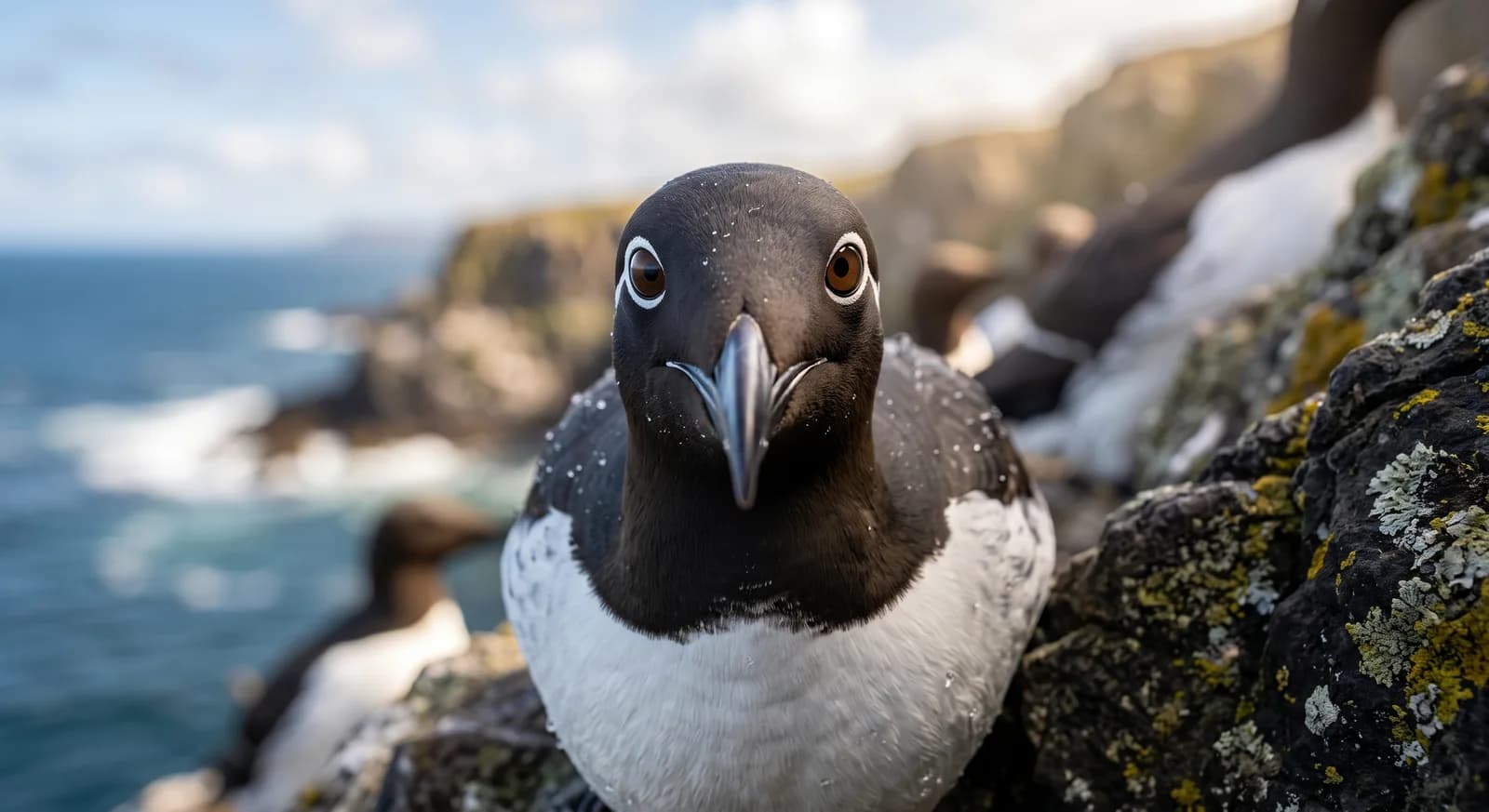
Common MurreLeast Concern

Common Murre

Uria aalge

Least Concern

Northern Fulmar

Fulmarus glacialis

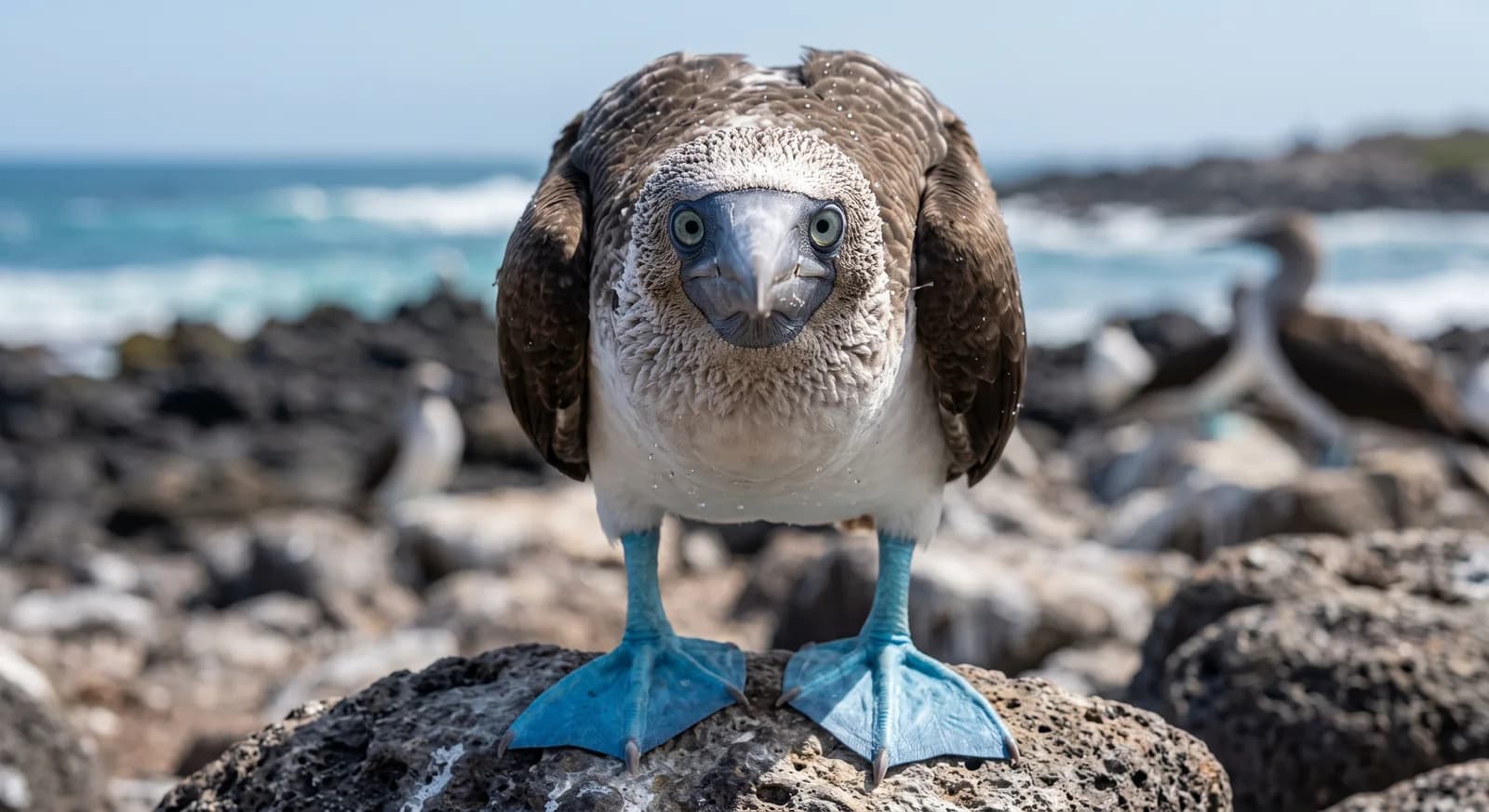
Blue-footed BoobyLeast Concern

Blue-footed Booby

Sula nebouxii

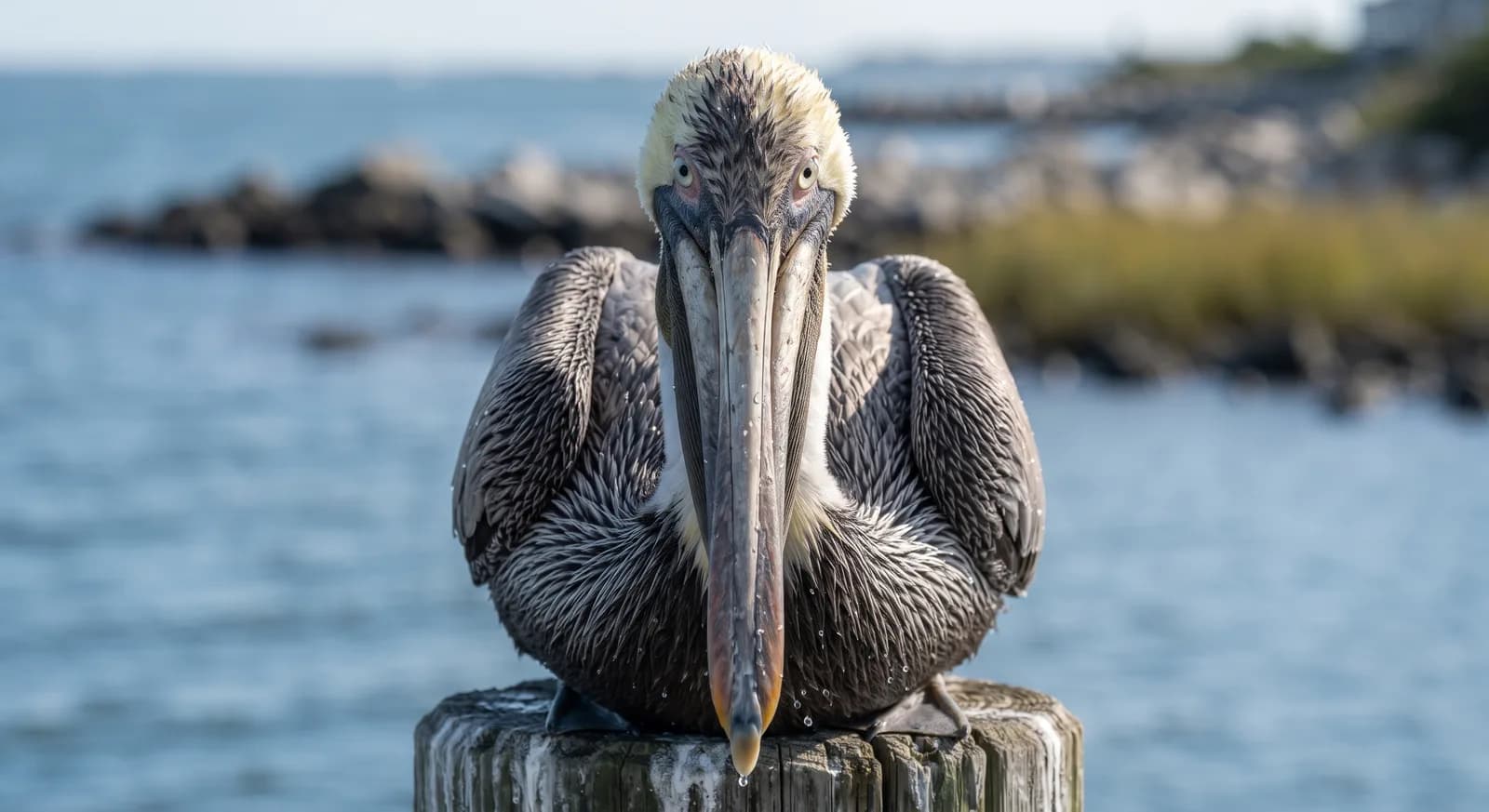
Brown PelicanLeast Concern

Brown Pelican

Pelecanus occidentalis

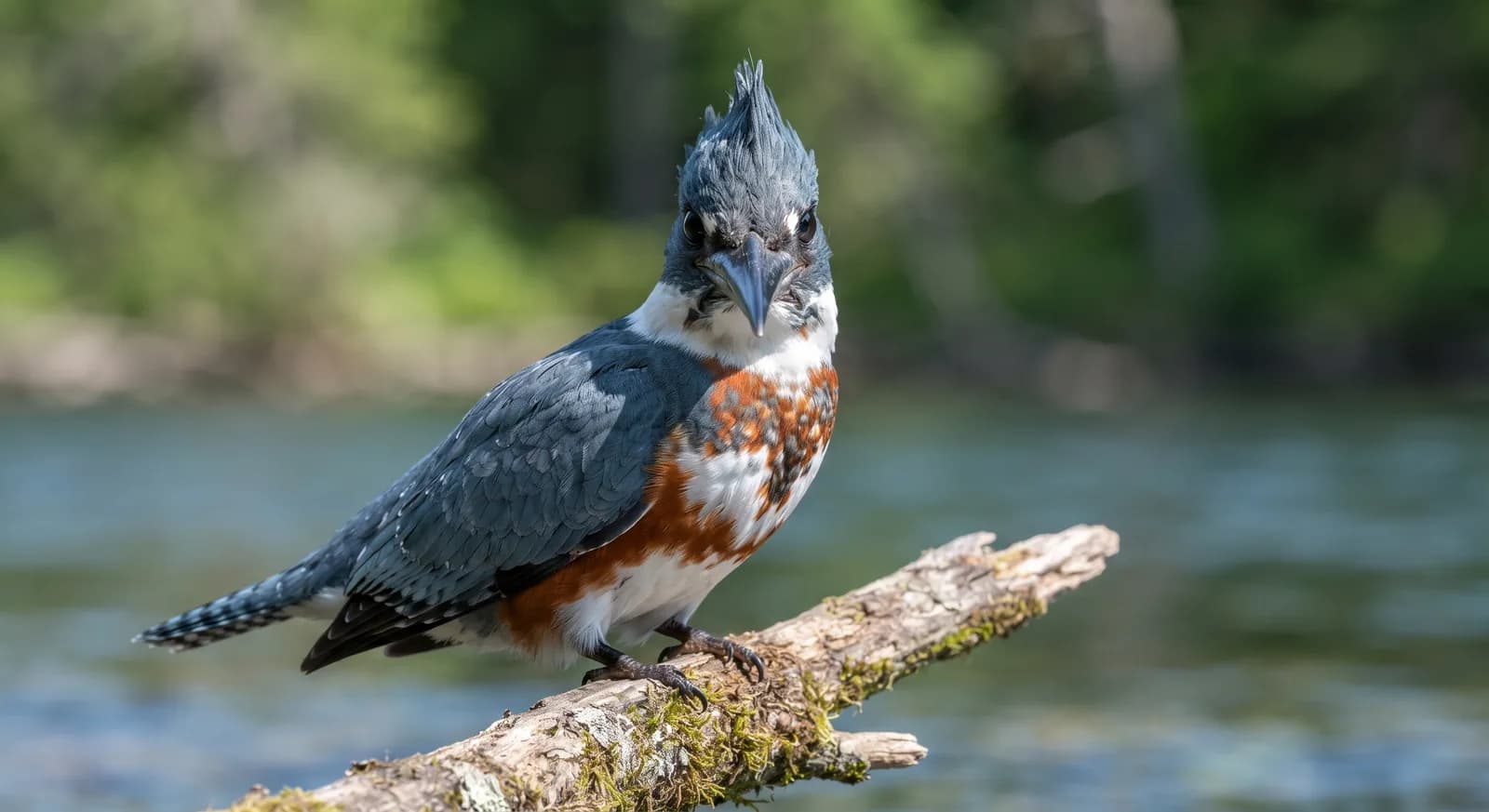
Belted KingfisherLeast Concern

Belted Kingfisher

Megaceryle alcyon

CountriesUnited States
ParksRedwoodUnited States
TagsCarnivore
Carnivore
Diurnal
Colonial
Bird
Ocean
Islands
United States
Mexico
Canada