Skip to content
WAnimals
  • Map
  • Species
  • Parks
  • Diving
Log inCreate account
WAnimals

The guide for travellers and animal lovers: discover, plan and share your wild adventures around the world.

Discover wildlife

  • Species
  • Ecosystems
  • Glossary
  • Tags

Explore places

  • Map
  • Countries
  • Parks
  • Diving

Plan experiences

  • Guides

Learn

  • Blog

Resources

  • Help centre
  • Contact
  • Install the app

Follow us

Account

  • Log in
  • Create account

© 2026 WAnimals. All rights reserved.

About usHow we build our profilesTerms of servicePrivacyLegal notice
MapSpeciesParksDiving
  1. Home
  2. Species
  3. Double-crested Cormorant

One of the 13 cormorants on WAnimals

Birds · Suliformes · Phalacrocoracidae

Double-crested Cormorant

Phalacrocorax auritus

Least Concern

The species is abundant and widely distributed; it faces no significant short-term risk.

Spotted something wrong?

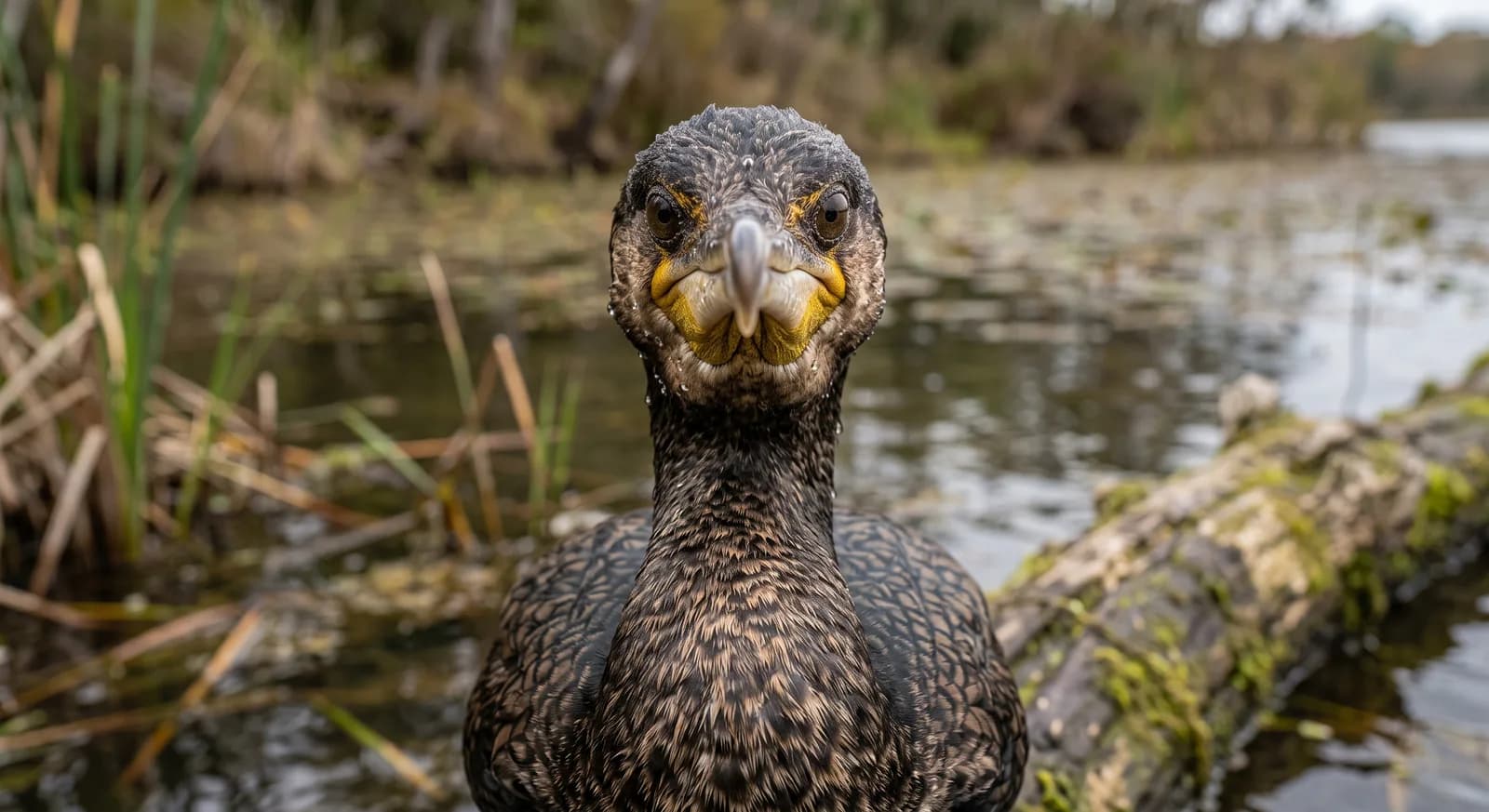
The double-crested cormorant is the most widespread cormorant in North America, black with a bare orange throat and two tufts of feathers over the eyes during the breeding season. Its population collapsed in the middle of the twentieth century because of DDT and has recovered spectacularly since the pesticide was banned, to the point that it now causes conflict with fisheries and aquaculture in the United States and Canada.

Weight

1.2 kg – 2.5 kg

Size

70 cm – 90 cm

Life expectancy

22 years

Diet

Carnivore

Feeds mainly on other animals.

Activity

Diurnal

Active mainly during the day.

Social structure

Colony

Lives in large concentrations, often for breeding reasons.

Sighting difficulty

Easy

OceanFreshwater
6countries53parks12same family

Fun facts

  • It was one of the indicator species for DDT: the pesticide thinned the eggshells until they broke under the weight of the adults, and its recovery after the ban is one of the great environmental success stories of the twentieth century.
  • Its recovery has been so complete that population control is now authorised in several states because of conflicts with aquaculture, an uncomfortable turn for a species that was once on the brink of collapse.
  • It spreads its wings in the sun after every dive because its plumage is not waterproof, a characteristic silhouette on any post or buoy on the lakes of North America.

Life cycle and biology

Skeleton type
Vertebrate - internal bony skeleton (bird)
Habitat and environment
Lakes, rivers, reservoirs, estuaries and coasts of North America and the Caribbean
Sexual maturity
2 years
Gestation / incubation
24 days
Litter / clutch size
4

Sources consulted: https://www.iucnredlist.org/ | https://animaldiversity.org/ | https://es.wikipedia.org/

Where to find it

Loading map…

Where to see it

Parks and dive sites where this species has been documented — showing 10 of 53.

Related species

Other species in the catalogue with the most in common with Double-crested Cormorant — same habitat, park, country, tags or family.

Same taxonomic family
Shares a park
Shares a park
Shares a park
Shares a park

Keep exploring

Based on what we already know about double-crested cormorant.

Comments

Share an experience, a fun fact or a tip for seeing the double-crested cormorant.

Be the first to comment.

See full glossary
This page in other languages: Español · Deutsch · Français · Português · Italiano

The pins mark the parks where its presence is documented.
See its range on the interactive map→
EvergladesUnited States
Great Smoky MountainsUnited States
RedwoodUnited States
AcadiaUnited States
OlympicUnited States
Glacier BayUnited States
Mammoth CaveUnited States
Channel IslandsUnited States
Gros MorneCanada
FundyCanada
See all 53 parks
Least Concern

Brandt's Cormorant

Phalacrocorax penicillatus

Great CormorantLeast Concern

Great Cormorant

Phalacrocorax carbo

Least Concern

Greater Bulldog Bat

Noctilio leporinus

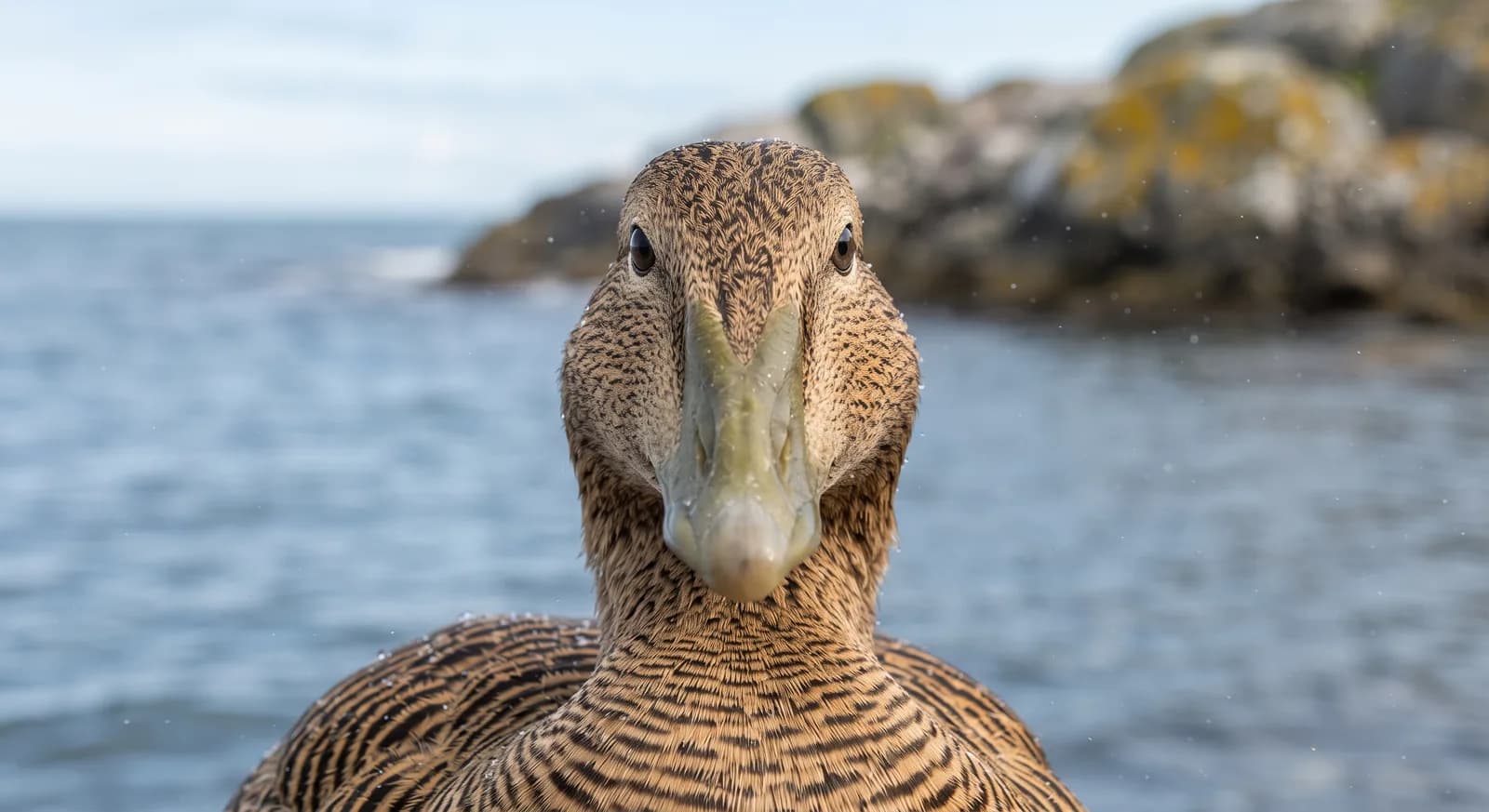
Common EiderLeast Concern

Common Eider

Somateria mollissima

Least Concern

Great Black-backed Gull

Larus marinus

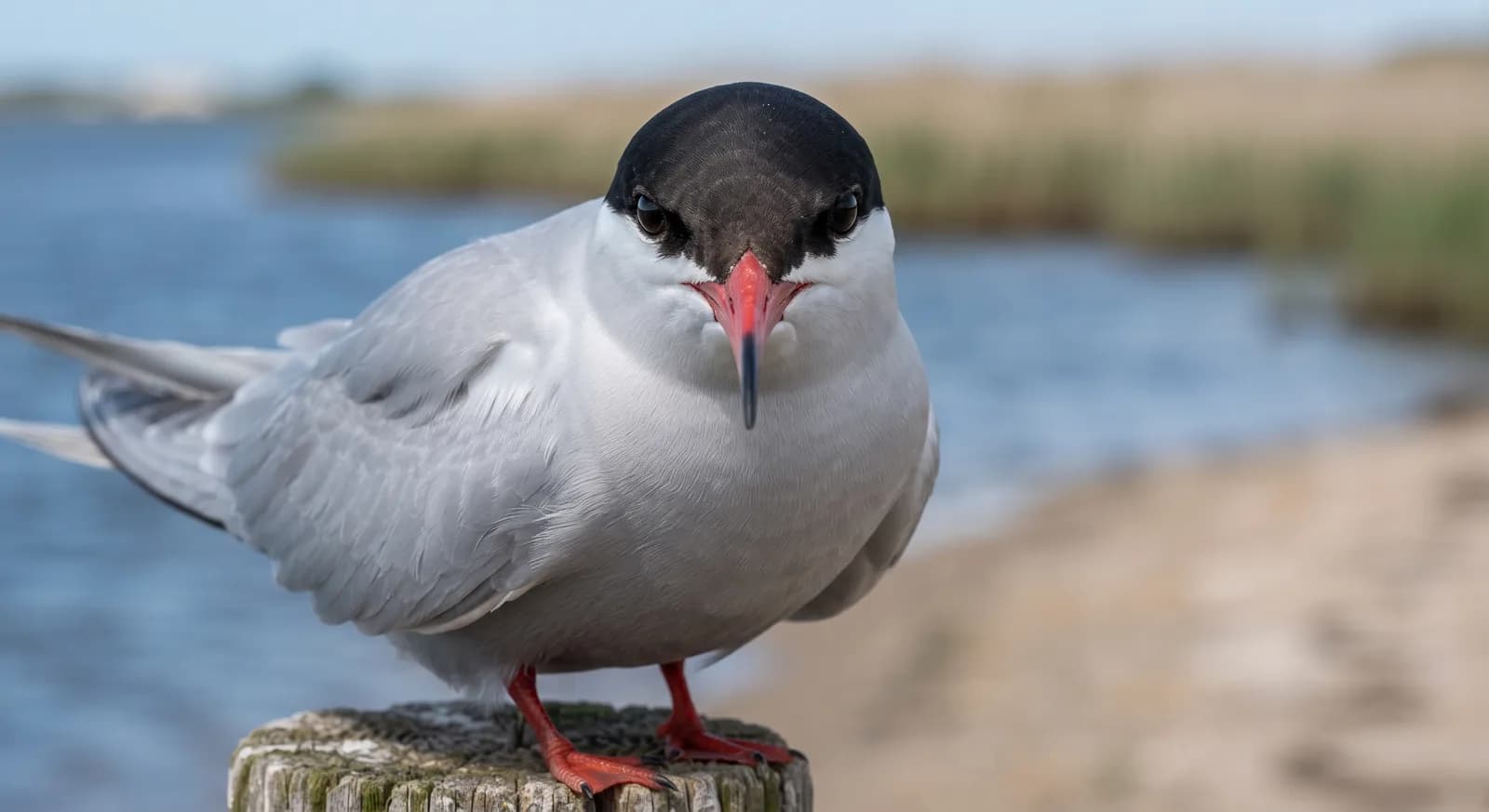
Common TernLeast Concern

Common Tern

Sterna hirundo

CountriesUnited States
ParksEvergladesUnited States
TagsCarnivore
Carnivore
Diurnal
Colonial
Bird
Ocean
Freshwater
United States
Canada
Mexico
Bahamas
Cuba
Belize