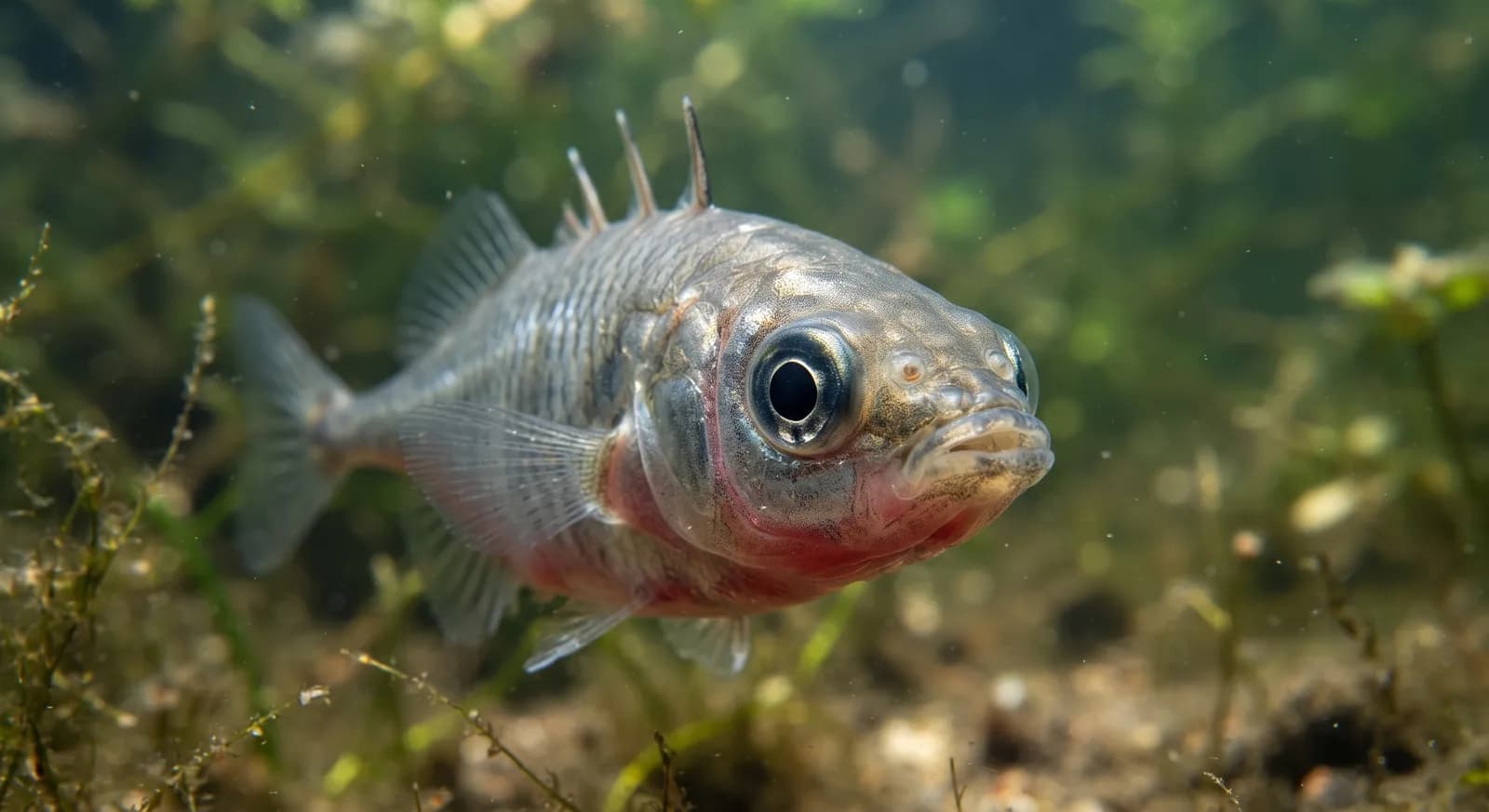
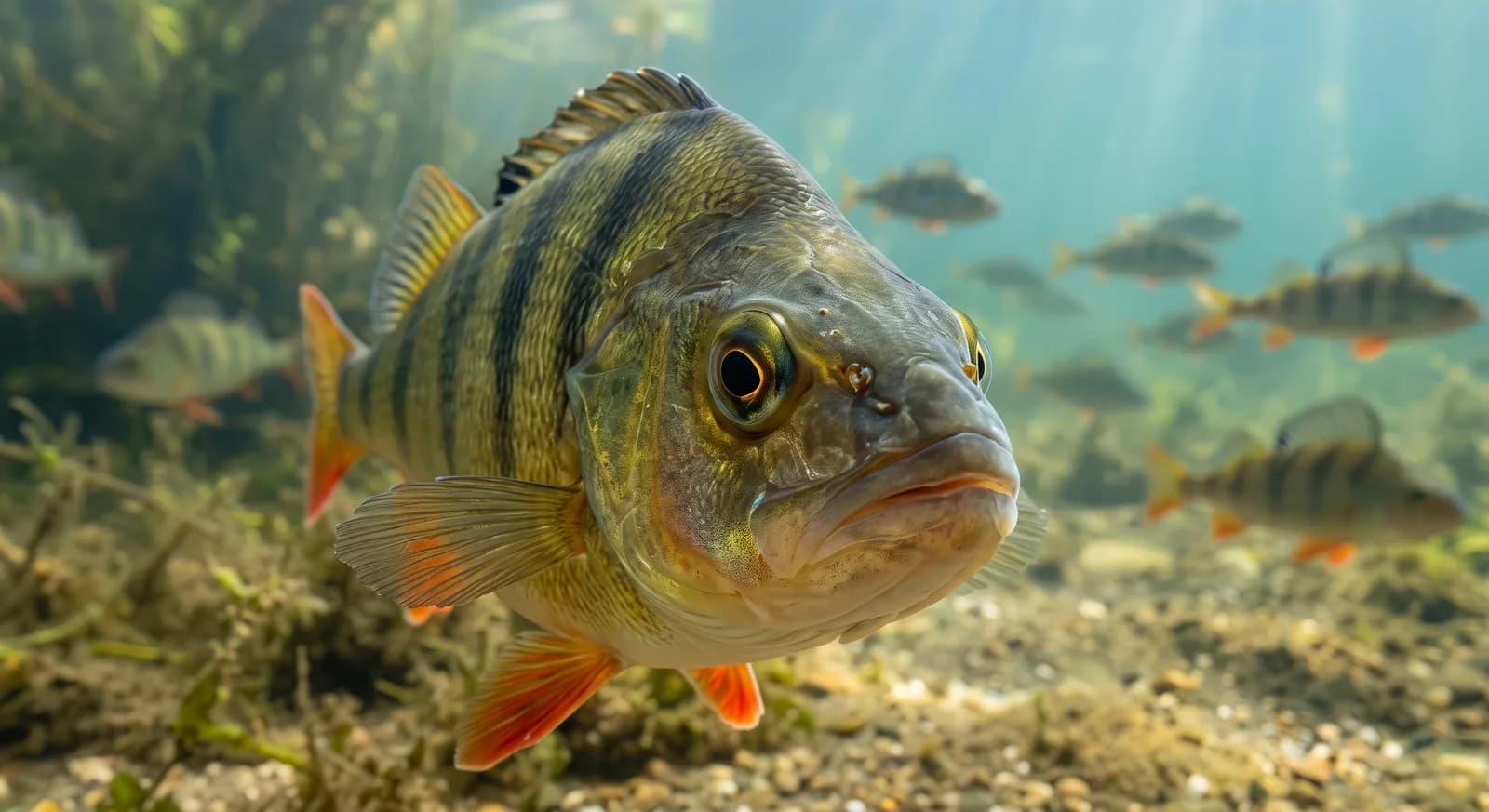
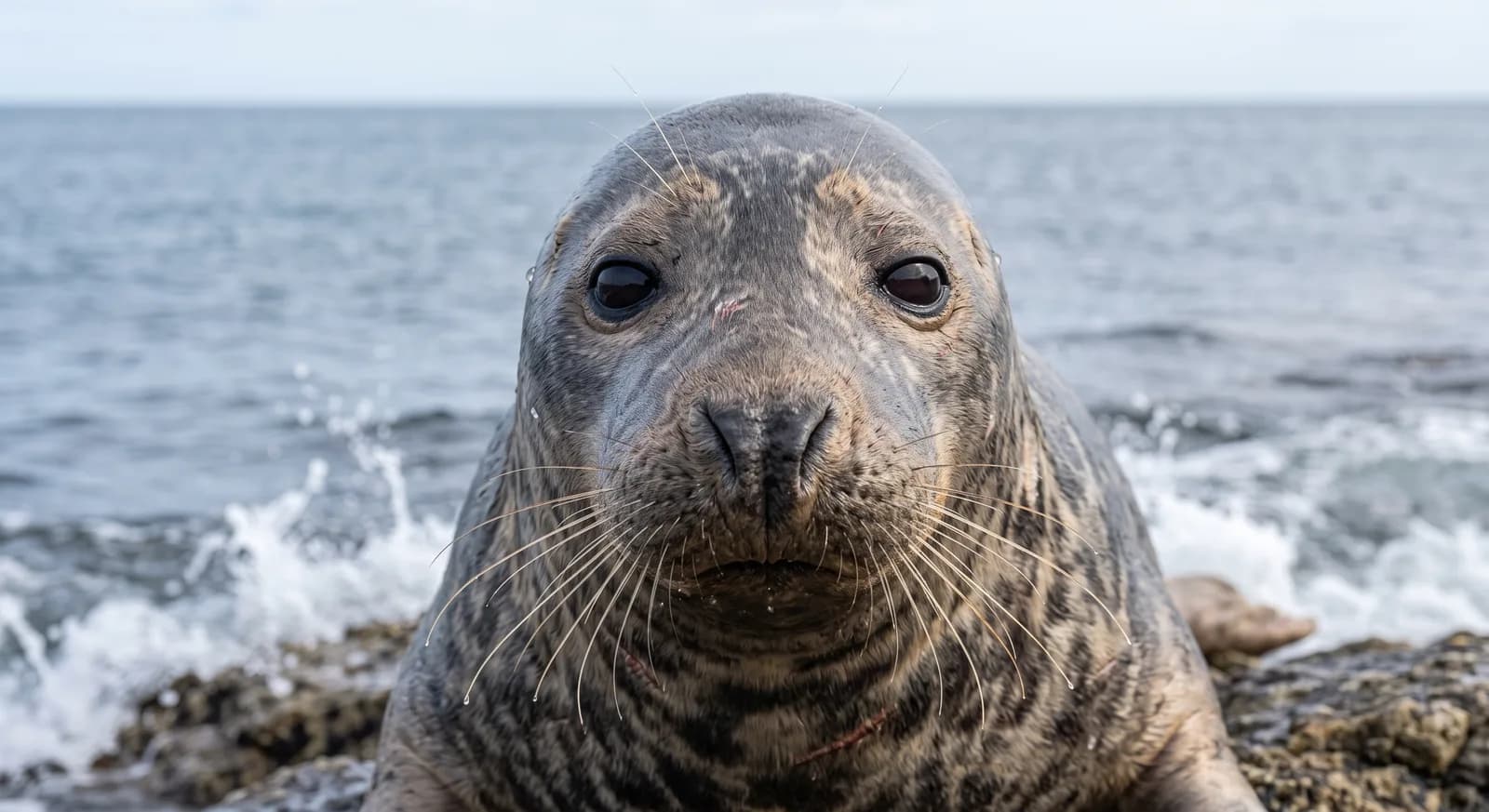
One of the 13 cormorants on WAnimals
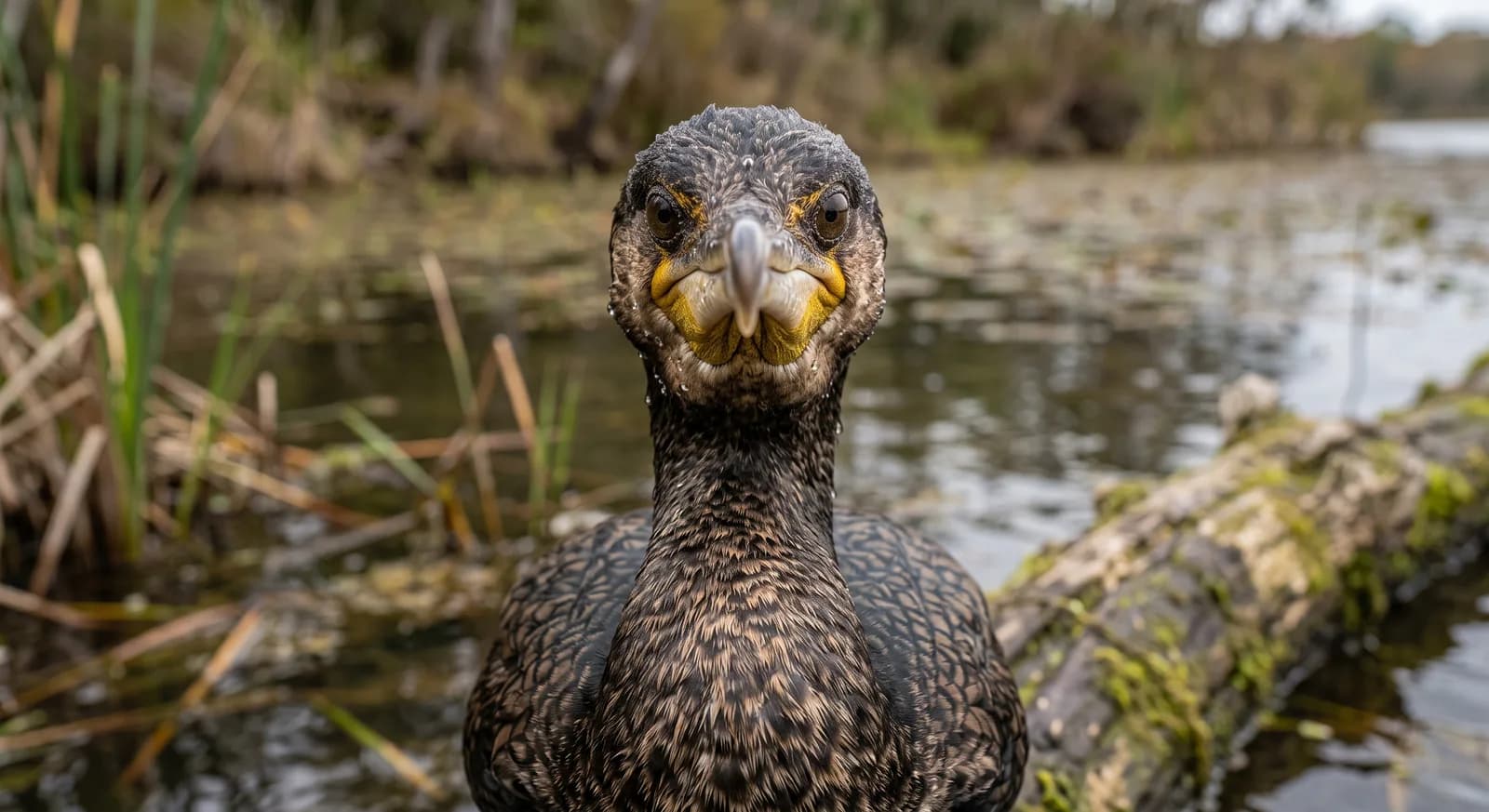
Birds · Suliformes · Phalacrocoracidae
Phalacrocorax carbo
The species is abundant and widely distributed; it faces no significant short-term risk.
In Japan and China it has traditionally been trained by fishermen to catch fish while a ring around its neck stops it swallowing them, a centuries-old practice known as "ukai". It incubates its eggs using its own webbed feet.
Weight
2.2 kg – 4 kg
Size
84 cm – 1 m
Life expectancy
12 years
Diet
Piscivore
Feeds mainly on fish.
Activity
Diurnal
Active mainly during the day.
Social structure
Colony
Lives in large concentrations, often for breeding reasons.
AI-generated images: illustrations, not photographs.
Sources consulted: AnAge · Oiseaux-birds.com · EBSCO Research Starters · BirdLife International · Animal Diversity Web · Audubon Field Guide · Outdoor Alabama · PMC
Parks and dive sites where this species has been documented.
Other species in the catalogue with the most in common with Great Cormorant — same habitat, park, country, tags or family.
Based on what we already know about great cormorant.
The pins mark the parks and dive sites where its presence is documented.