Skip to content
WAnimals
  • Map
  • Species
  • Parks
  • Diving
Log inCreate account
WAnimals

The guide for travellers and animal lovers: discover, plan and share your wild adventures around the world.

Discover wildlife

  • Species
  • Ecosystems
  • Glossary
  • Tags

Explore places

  • Map
  • Countries
  • Parks
  • Diving

Plan experiences

  • Guides

Learn

  • Blog

Resources

  • Help centre
  • Contact
  • Install the app

Follow us

Account

  • Log in
  • Create account

© 2026 WAnimals. All rights reserved.

About usHow we build our profilesTerms of servicePrivacyLegal notice
MapSpeciesParksDiving
  1. Home
  2. Species
  3. Smelt

Bony fish · Osmeriformes · Osmeridae

Smelt

Osmerus eperlanus

Least Concern

The species is abundant and widely distributed; it faces no significant short-term risk.

Spotted something wrong?

The European smelt is a slender, translucent fish with silvery glints and a small adipose fin that gives away its kinship with the salmonids. It lives in estuaries and coastal waters of northern Europe and runs up the rivers en masse to spawn in late winter. There are also landlocked populations in lakes.

Size

15 cm – 30 cm

Life expectancy

6 years

Diet

Carnivore

Feeds mainly on other animals.

Social structure

Colony

Lives in large concentrations, often for breeding reasons.

Sighting difficulty

Easy

Ocean
19countries26parks13dive sites

Fun facts

  • Freshly caught it gives off an unmistakable smell of fresh cucumber, so characteristic that it is used to identify it.
  • Its spawning runs used to gather enormous numbers of fish in European estuaries and supported local fisheries that river pollution wiped out during the twentieth century.
  • The recovery of water quality in rivers such as the Thames and the Elbe has allowed it to run up them again.
  • It smells of cucumber. This is its most frequently cited trait: freshly caught, it gives off an unmistakable vegetal scent, owing to volatile compounds in its skin.
  • It is anadromous: it lives in the estuary and runs up the river to spawn in spring, although some populations were locked into lakes after the last glaciation and no longer migrate.
  • It was a popular food fish in northern Europe, and its spawning runs were a seasonal event in river cities such as Hamburg.
  • It is very sensitive to pollution and to river barriers, and it has disappeared from several rivers where it once abounded.

Life cycle and biology

Skeleton type
Vertebrate - internal bony skeleton (fish)
Habitat and environment
Estuaries and coastal waters of northern Europe; it spawns in rivers and lakes
Sexual maturity
2 years

Sources consulted: https://es.wikipedia.org/wiki/Osmerus_eperlanus

Where to find it

Best time: Late winter and early spring, during the spawning run

Loading map…

Where to see it

Parks and dive sites where this species has been documented — showing 20 of 39.

Related species

Other species in the catalogue with the most in common with Smelt — same habitat, park, country, tags or family.

Shares a park
Shares a park
Shares a park
Shares a park
Shares a park
Shares a park

Keep exploring

Based on what we already know about smelt.

Comments

Share an experience, a fun fact or a tip for seeing the smelt.

Be the first to comment.

See full glossary
This page in other languages: Español · Deutsch · Français · Português · Italiano

The pins mark the parks and dive sites where its presence is documented.
See its range on the interactive map→
LahemaaEstonia
Curonian SpitLithuania
KosterhavetSweden
Store MosseSweden
MatsaluEstonia
SoomaaEstonia
VilsandiEstonia
GaujaLatvia
SlītereLatvia
ĶemeriLatvia
Scapa FlowUnited Kingdom
Farne IslandsUnited Kingdom
St AbbsUnited Kingdom
Malin HeadIreland
Rügen (Baltic amber)Germany
Vrouw Maria wreckFinland
Turku ArchipelagoFinland
Isles of ScillyUnited Kingdom
Plymouth Sound (wrecks)United Kingdom
Skellig IslandsIreland
See all 26 parks
See all 13 dive sites
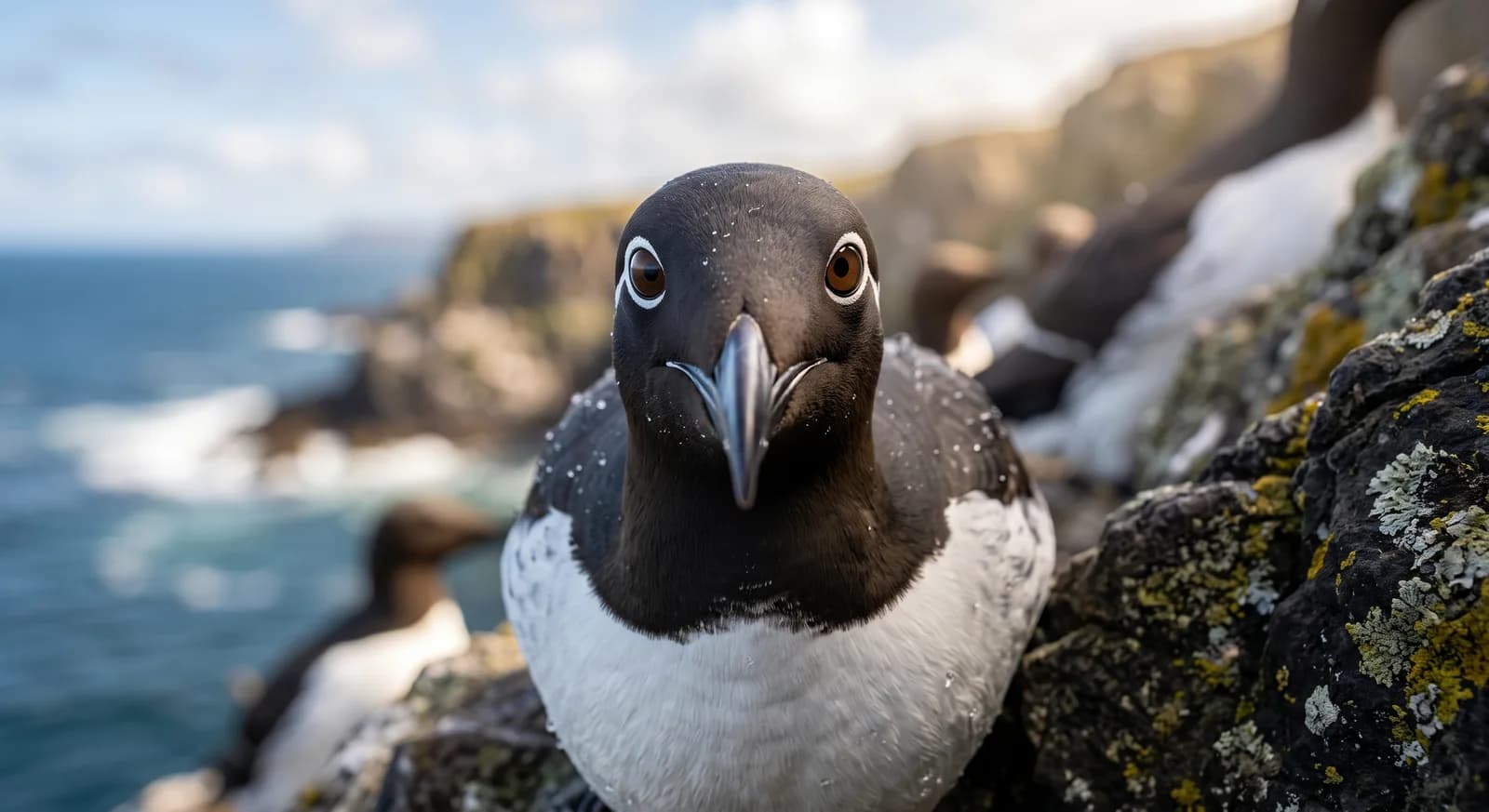
Common MurreLeast Concern

Common Murre

Uria aalge

Least Concern

European Anchovy

Engraulis encrasicolus

Least Concern

Whiting

Merlangius merlangus

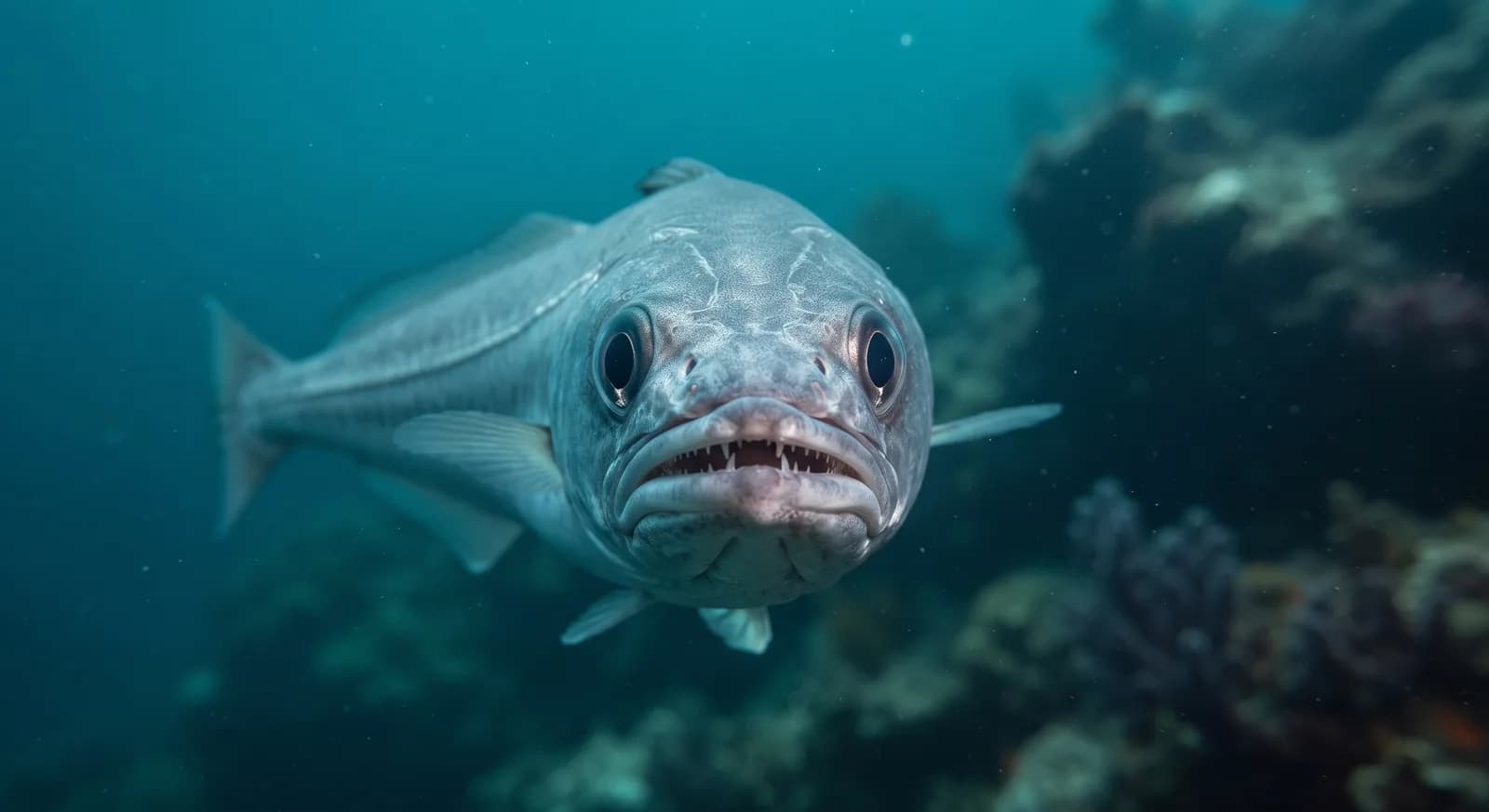
European HakeLeast Concern

European Hake

Merluccius merluccius

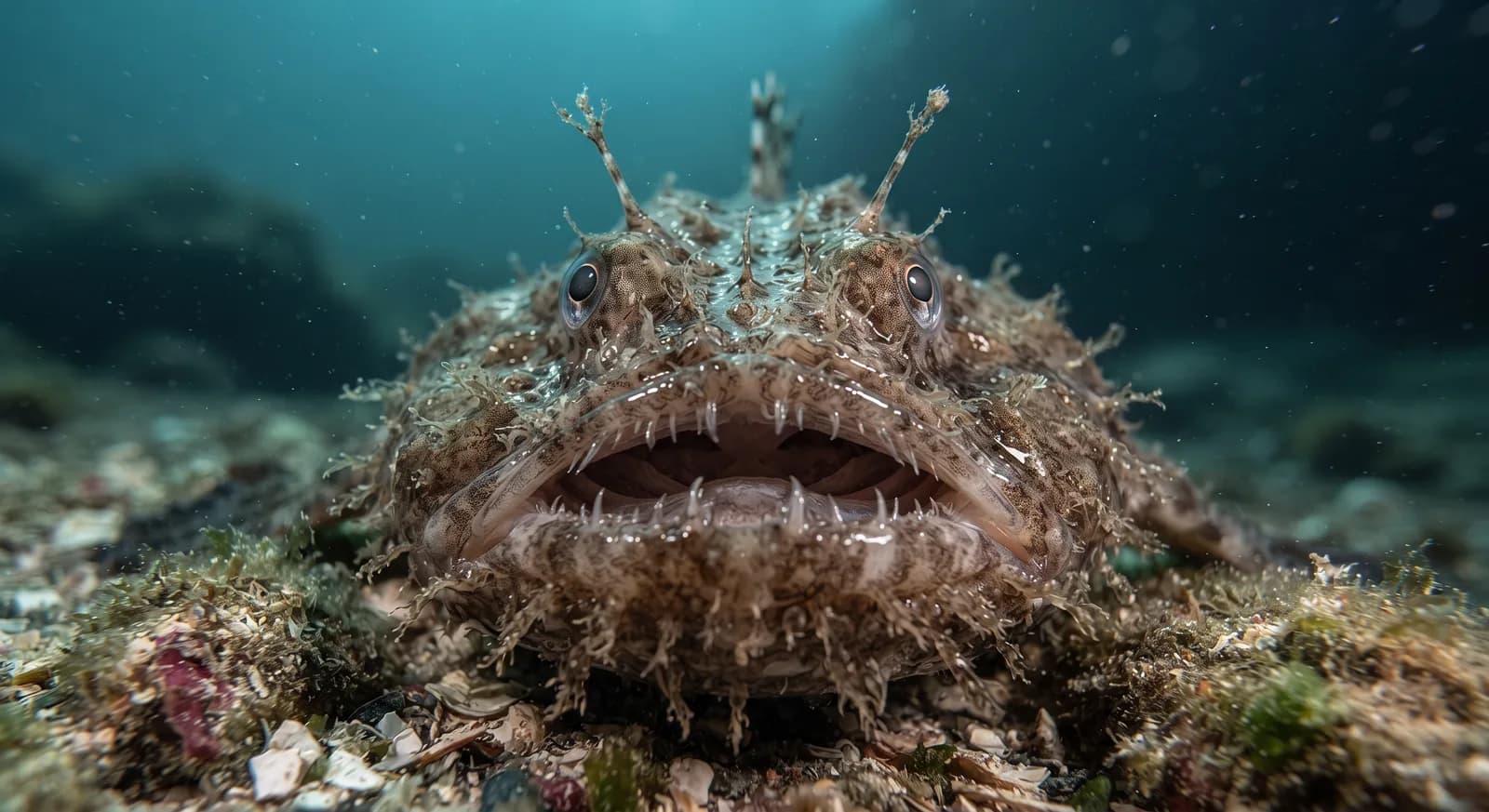
AnglerLeast Concern

Angler

Lophius piscatorius

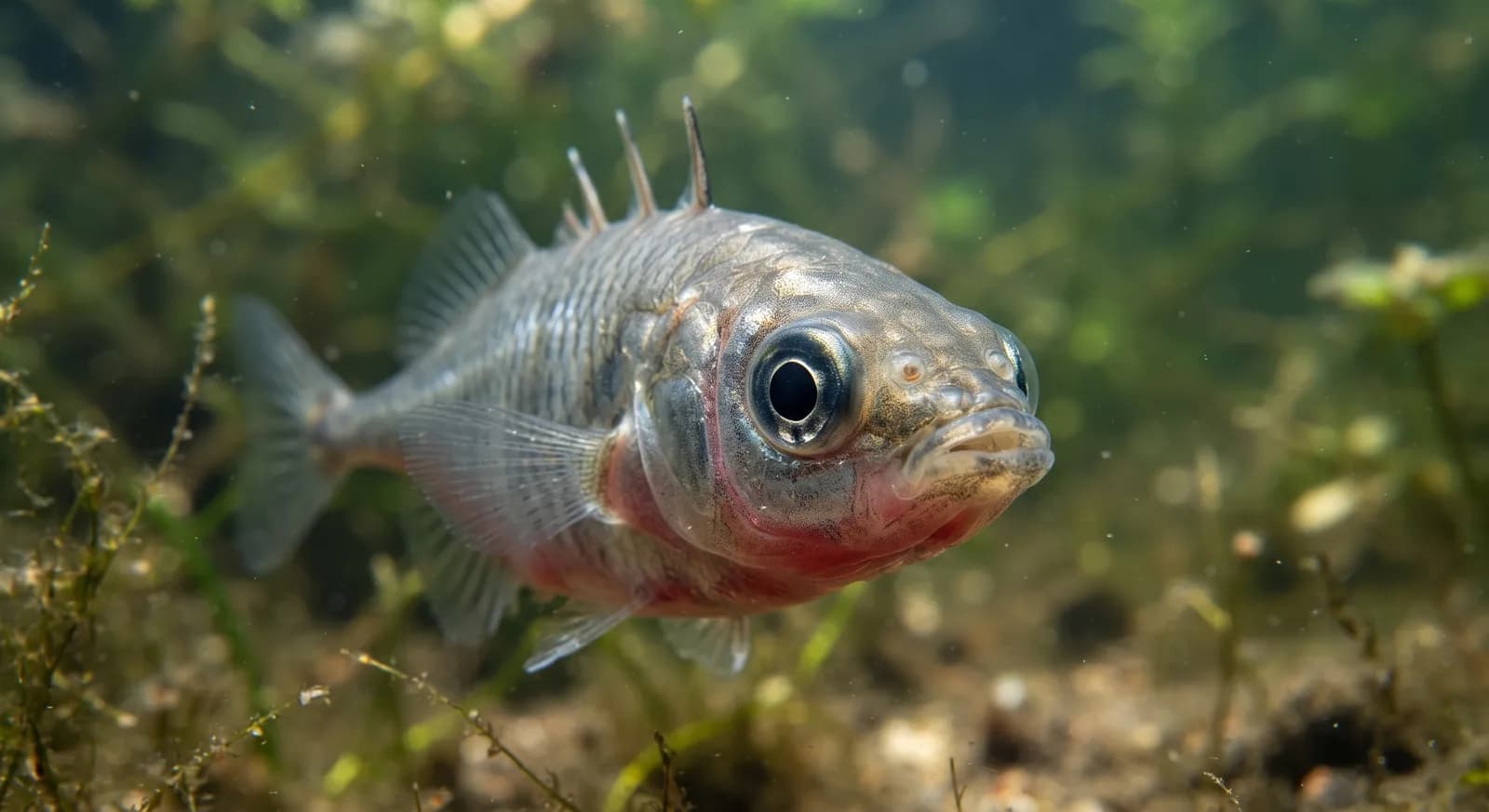
Three-spined SticklebackLeast Concern

Three-spined Stickleback

Gasterosteus aculeatus

CountriesUnited Kingdom
ParksLahemaaEstonia
TagsCarnivore
Carnivore
Colonial
Fish
Ocean

Europe17

Africa1

Asia1

United Kingdom
Finland
Estonia
Poland
Sweden
Germany
Belgium
Denmark
Estonia
Finland
France
Germany
Iceland
Ireland
Latvia
Lithuania
Netherlands
Norway
Poland
Portugal
Spain
Sweden
United Kingdom
Morocco
Russia