Skip to content
WAnimals
  • Map
  • Species
  • Parks
  • Diving
Log inCreate account
WAnimals

The guide for travellers and animal lovers: discover, plan and share your wild adventures around the world.

Discover wildlife

  • Species
  • Ecosystems
  • Glossary
  • Tags

Explore places

  • Map
  • Countries
  • Parks
  • Diving

Plan experiences

  • Guides

Learn

  • Blog

Resources

  • Help centre
  • Contact
  • Install the app

Follow us

Account

  • Log in
  • Create account

© 2026 WAnimals. All rights reserved.

About usHow we build our profilesTerms of servicePrivacyLegal notice
MapSpeciesParksDiving
  1. Home
  2. Species
  3. Giant Gippsland Earthworm

One of the 3 earthworms on WAnimals

Clitellate annelids · Crassiclitellata · Megascolecidae

Giant Gippsland Earthworm

Megascolides australis

Not Evaluated

It has not yet been assessed against the IUCN criteria.

Spotted something wrong?

The giant Gippsland earthworm is one of the largest in the world, with individuals reaching three metres when stretched out. It lives in permanent burrows dug in the damp clay soils of southern Australia, more than a metre down, and hardly ever comes to the surface.

Size

80 cm – 3 m

Life expectancy

5 years

Diet

Omnivore

Combines animal and plant food depending on availability.

Social structure

Solitary

Lives and hunts alone, joining others only to breed.

Sighting difficulty

Unknown

Grassland
1countries

Fun facts

  • GeneralIt reaches 3 m long and can be heard gurgling underground as it moves.
  • It is confined to a small area of Victoria of a few hundred square kilometres and is protected under Australian law.
  • It breeds very slowly for an earthworm: it lays a few cocoons a year and the young take years to reach adult size.
  • It is one of the largest earthworms in the world: it reaches about three metres extended, although at rest it measures considerably less because it is highly elastic.
  • You can hear it. As it moves through its water-filled burrows it produces a gurgling audible from the surface, and that sound is the usual way of detecting its presence without digging.
  • It never comes to the surface: it spends its whole life in permanent burrows that can reach a metre and a half deep.
  • Its total range is tiny, a few hundred square kilometres in Gippsland, and is fragmented by agriculture.
  • It lays a single egg per capsule, around 8 cm long, which takes about a year to hatch; its reproductive rate is very low for an invertebrate.
  • It is listed as a threatened species in Australia and protected under federal legislation; its conservation depends on keeping the clayey stream banks unploughed.

Life cycle and biology

Skeleton type
Invertebrate - no rigid skeleton (annelid)
Habitat and environment
Damp clay soils along river banks

Sources consulted: Lista Roja de la UICN; Van Praagh, trabajos sobre Megascolides australis; Departamento de Medio Ambiente de Victoria (Australia)

Where to find it

Loading map…

Related species

Other species in the catalogue with the most in common with Giant Gippsland Earthworm — same habitat, park, country, tags or family.

Related to
Related to
Related to
Related to
Related to
Related to

Keep exploring

Based on what we already know about giant gippsland earthworm.

Comments

Share an experience, a fun fact or a tip for seeing the giant gippsland earthworm.

Be the first to comment.
See full glossary
This page in other languages: Español · Deutsch · Français · Português · Italiano
See its range on the interactive map→
Vulnerable

Bilby

Macrotis lagotis

Least Concern

Common Bluetongue

Tiliqua scincoides

Not Evaluated

Dung Beetle

Onthophagus taurus

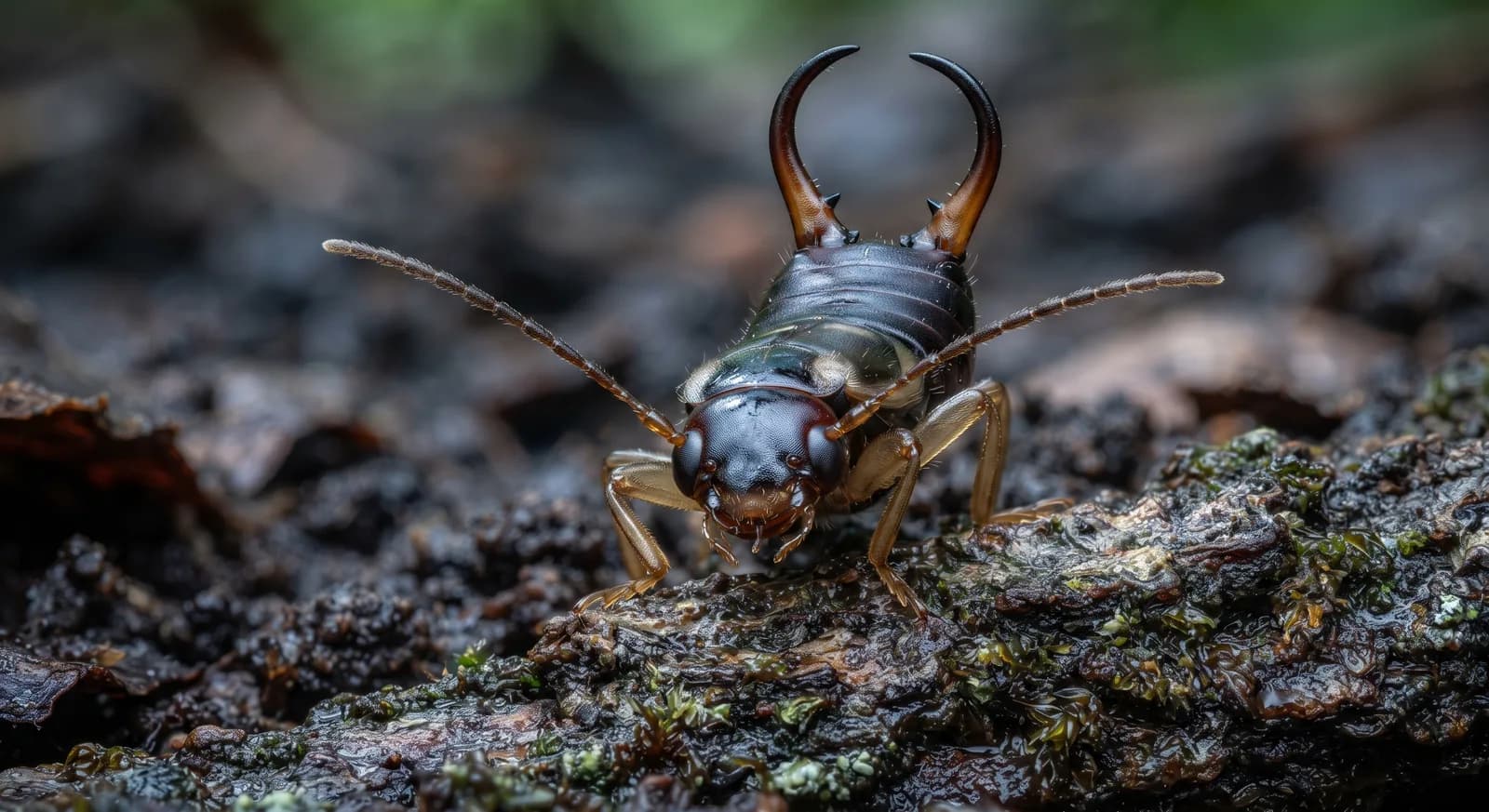
Common EarwigNot Evaluated

Common Earwig

Forficula auricularia

Least Concern

Eastern Pygmy Possum

Cercartetus nanus

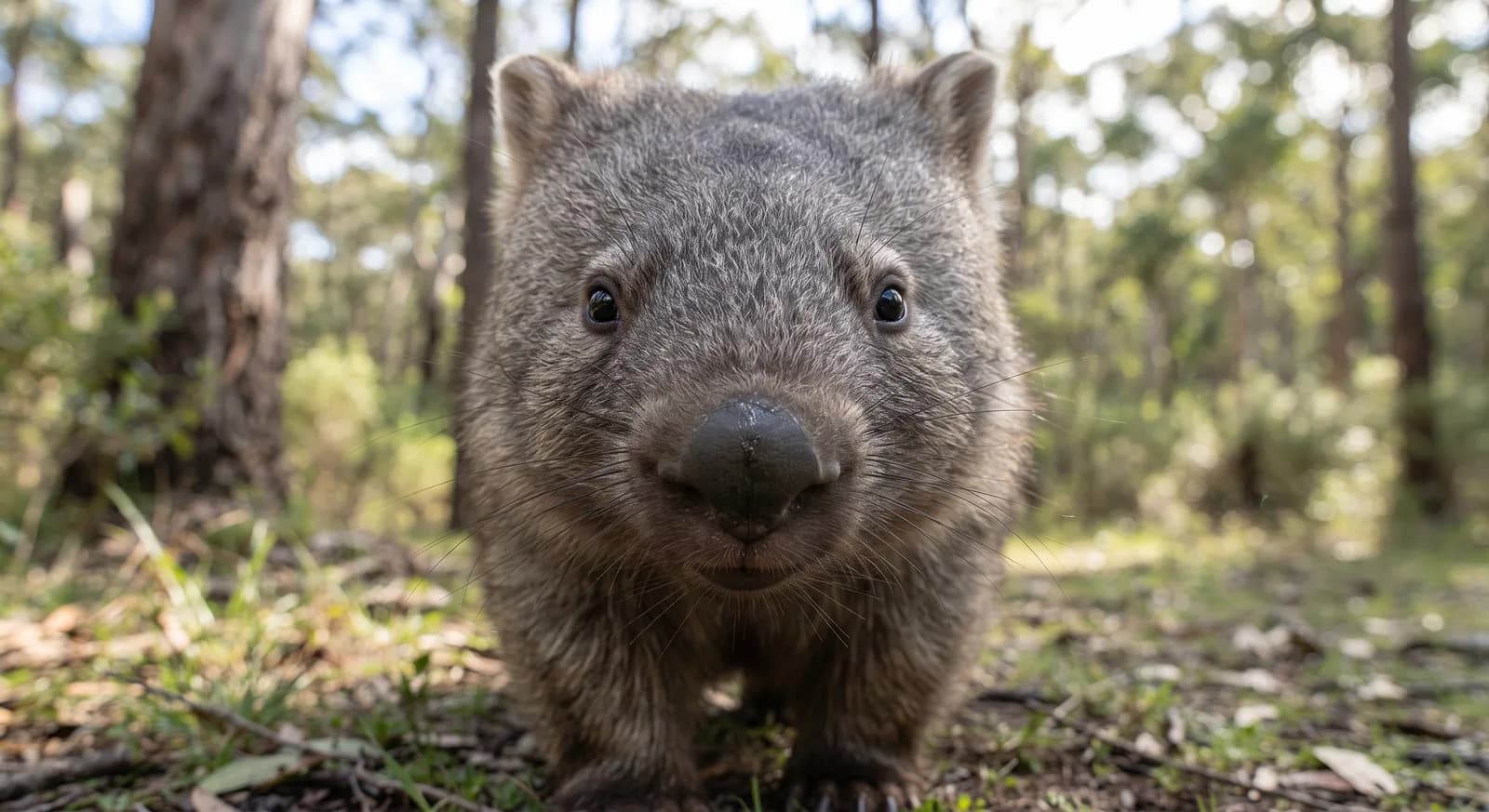
Bare-nosed WombatLeast Concern

Bare-nosed Wombat

Vombatus ursinus

CountriesAustralia
TagsOmnivore
Omnivore
Solitary
Grassland
Worm
Australia