Skip to content
WAnimals
  • Map
  • Species
  • Parks
  • Diving
Log inCreate account
WAnimals

The guide for travellers and animal lovers: discover, plan and share your wild adventures around the world.

Discover wildlife

  • Species
  • Ecosystems
  • Glossary
  • Tags

Explore places

  • Map
  • Countries
  • Parks
  • Diving

Plan experiences

  • Guides

Learn

  • Blog

Resources

  • About us
  • How we build our profiles
  • Help centre
  • Contact
  • Install the app

Follow us

Account

  • Log in
  • Create account

© 2026 WAnimals. All rights reserved.

Terms of servicePrivacyCookiesLegal notice
MapSpeciesParksDiving
  1. Home
  2. Species
  3. Giant Moa

Birds · Dinornithiformes · Dinornithidae

Giant Moa

Dinornis robustus

Extinct

No living individual remains anywhere in the world.

Spotted something wrong?

The South Island giant moa was the tallest bird that has ever existed: females reached 3.6 metres with the neck extended, although in natural posture they stood around two metres. It had no wings at all, not even vestigial ones, a case unique among birds. It browsed the leaves, twigs and fruit of New Zealand's vegetation. The Māori arrived in New Zealand around the year 1300 and within barely a century or a century and a half, hunting and the burning of forests had wiped out all nine moa species.

Weight

100 kg – 250 kg

Size

2 m – 3.6 m

Diet

Herbivore

Feeds mainly on plants.

Activity

Diurnal

Active mainly during the day.

Social structure

Solitary

Lives and hunts alone, joining others only to breed.

Temperate forestMountainIslands
1countries

Fun facts

  • GeneralIt stood 3.6 m tall and died out some 100 years after the Māori arrived.
  • It belongs to the only bird group known with no trace of a wing at all: the moas did not even have the reduced wing bones that ostriches and emus retain.
  • Its disappearance was sudden: the nine moa species are reckoned to have gone extinct in less than two hundred years after the human arrival in New Zealand, one of the fastest documented extinctions of any megafauna.
  • Almost all birds reach adult size in under a year; the moa took close to a decade to attain skeletal maturity. That life strategy, workable on islands with no land predators, became lethal when the first Polynesian settlers arrived around 1280-1300, and it is regarded as one of the causes of its rapid disappearance. It also showed extreme reversed sexual dimorphism: the females reached 2 m at the back and around 200 kg in average weight, and the males barely a third of that.

Life cycle and biology

Skeleton type
Vertebrate - internal bony skeleton (bird)
Habitat and environment
Forest, scrub and subalpine grassland of the South Island of New Zealand
Sexual maturity
Close to ten years to reach skeletal maturity, a juvenile development with no equivalent among living birds
Litter / clutch size
1 egg

Sources consulted: IUCN Red List · Animal Diversity Web · Wikipedia (es)

Where it lived

Loading map…

Related species

Other species in the catalogue with the most in common with Giant Moa — same habitat, park, country, tags or family.

Related to
Related to
Related to
Related to
Related to
Related to

Keep exploring

Based on what we already know about giant moa.
Share an experience, a fun fact or a tip for seeing the giant moa.
See full glossary
This page in other languages: Español · Deutsch · Français · Português · Italiano
See its range on the interactive map→
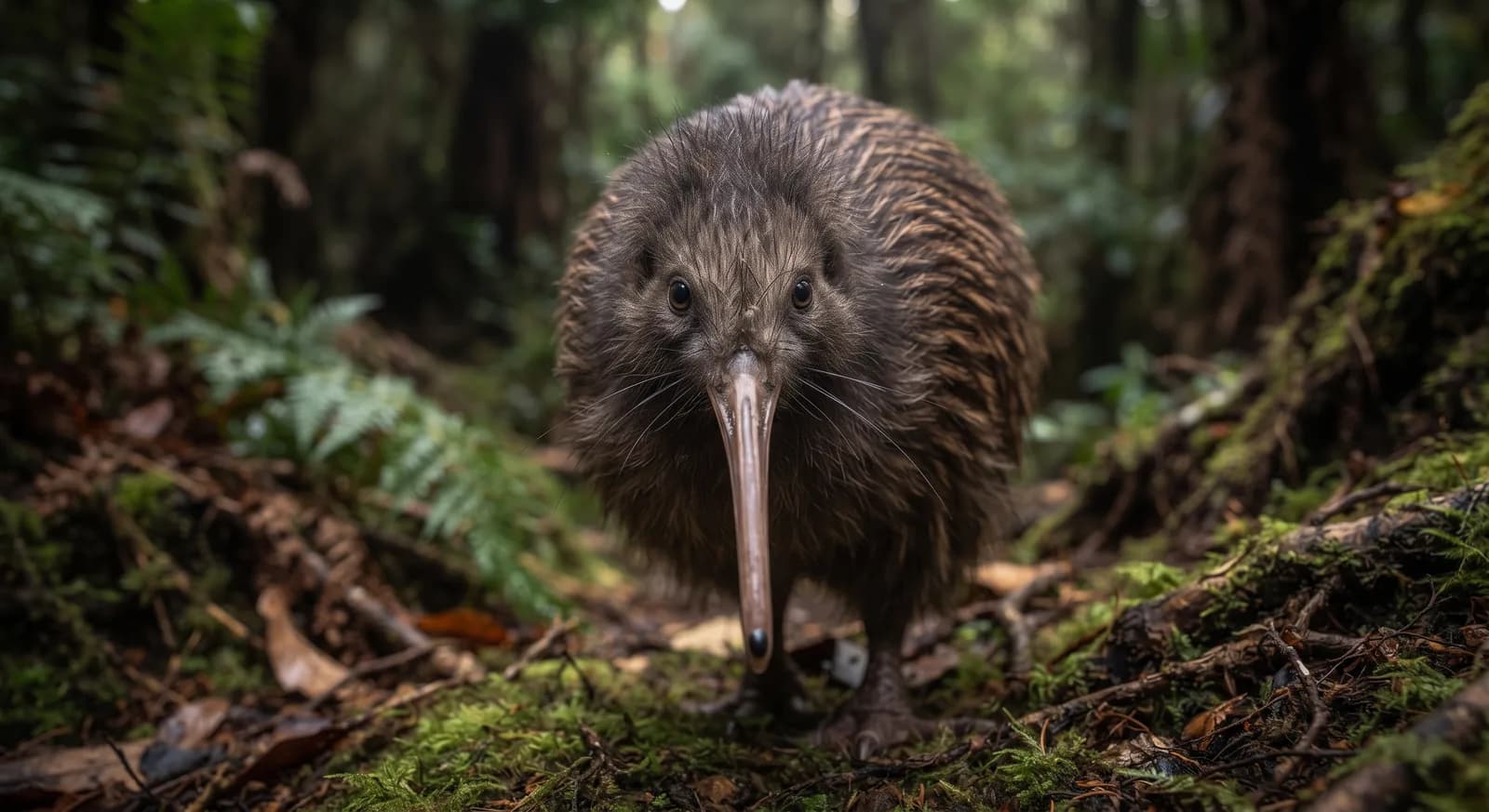
Southern Brown KiwiVulnerable

Southern Brown Kiwi

Apteryx australis

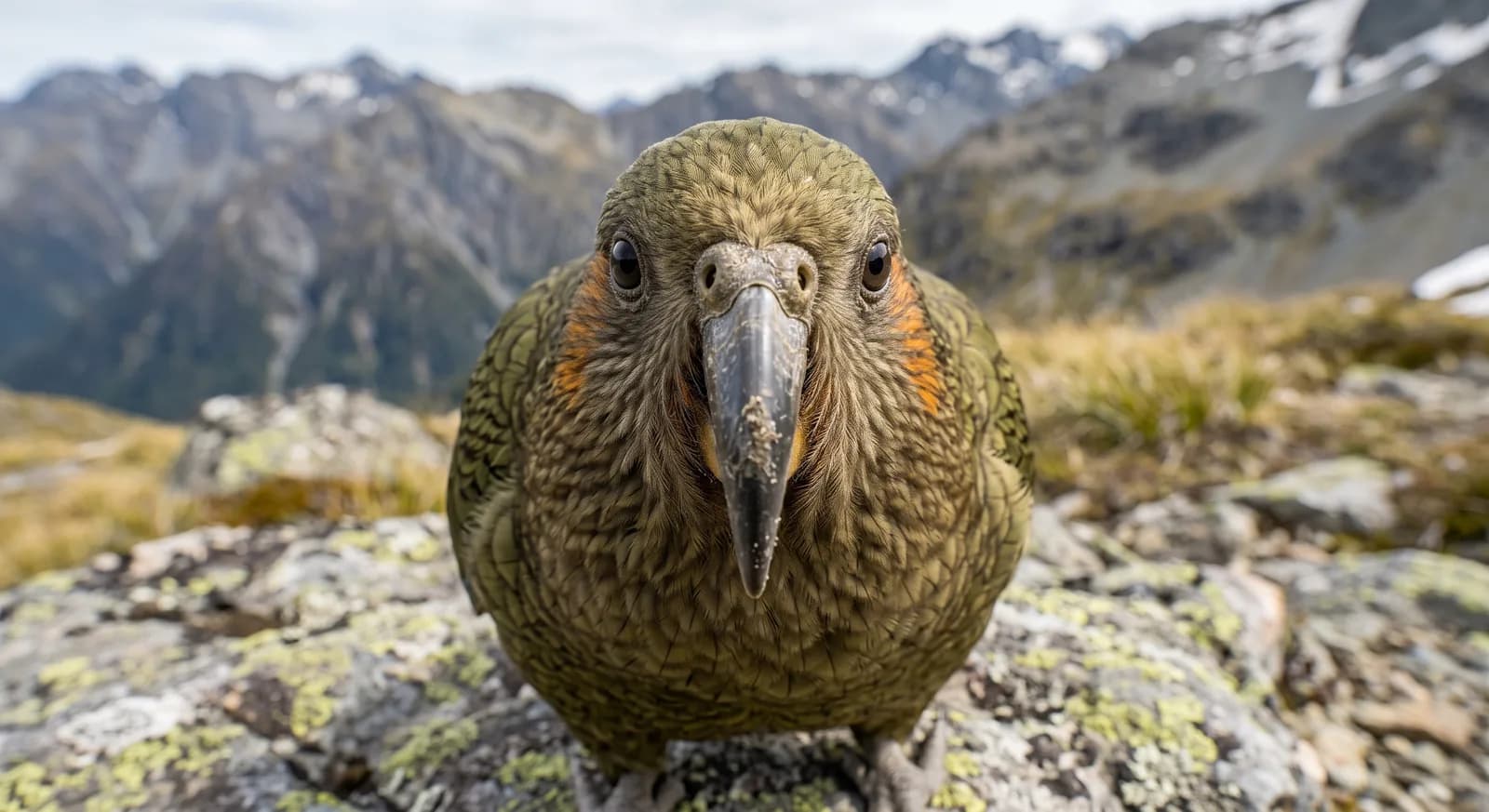
KeaEndangered

Kea

Nestor notabilis

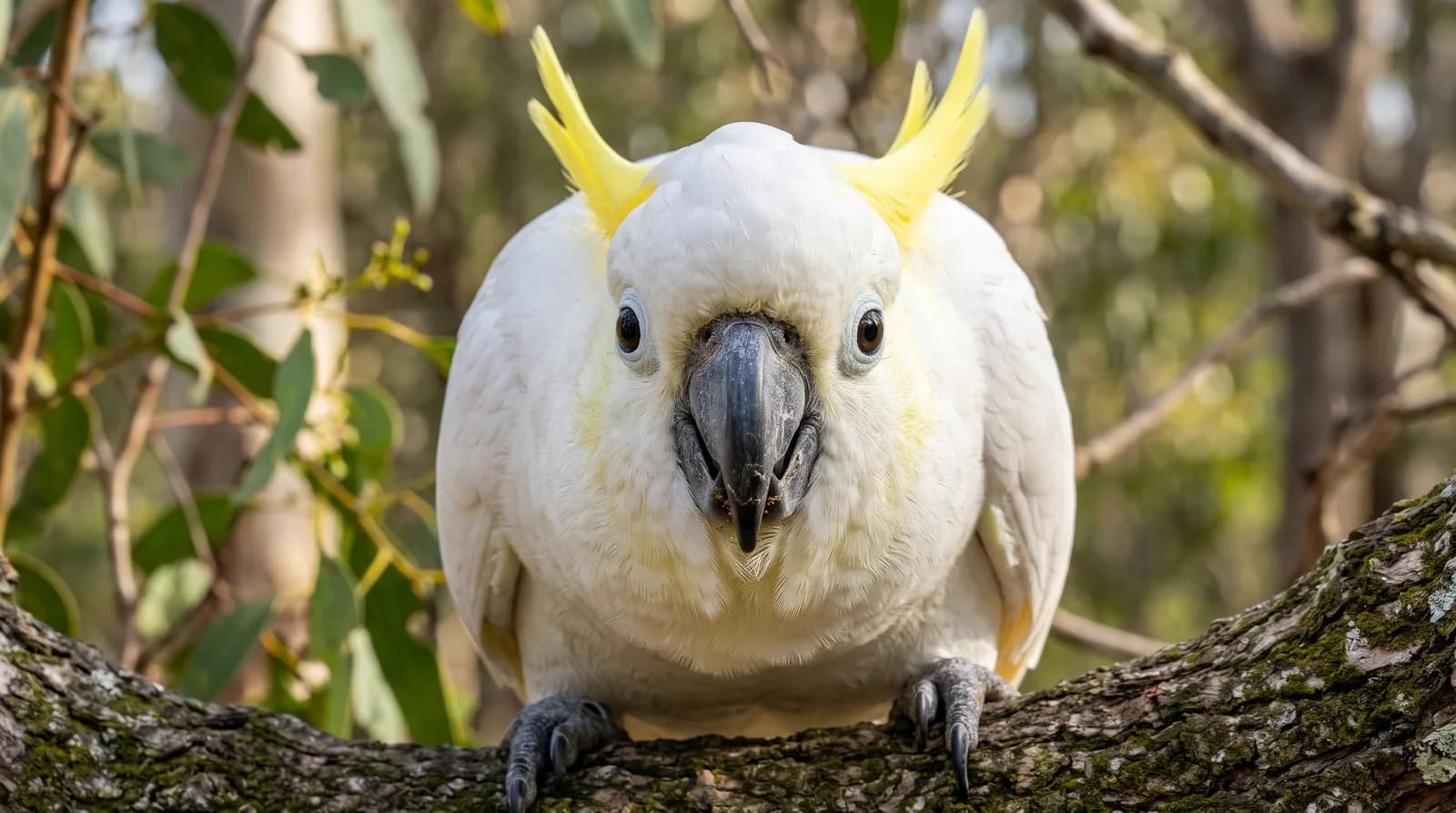
Sulphur-crested CockatooLeast Concern

Sulphur-crested Cockatoo

Cacatua galerita

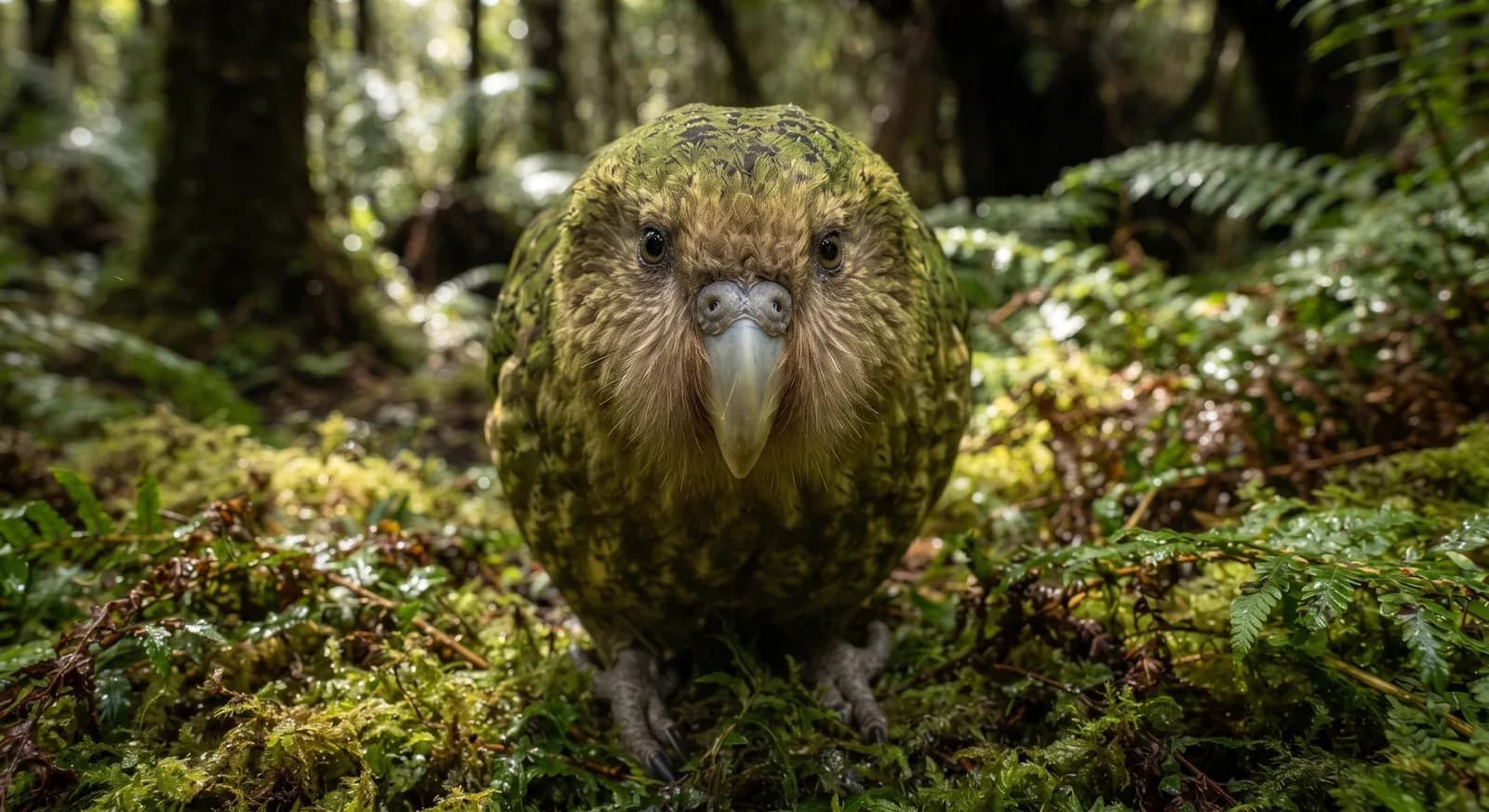
KakapoCritically Endangered

Kakapo

Strigops habroptilus

Great Spotted KiwiVulnerable

Great Spotted Kiwi

Apteryx haastii

Yellow-eyed PenguinEndangered

Yellow-eyed Penguin

Megadyptes antipodes

CountriesNew Zealand
TagsHerbivore
Herbivore
Diurnal
Solitary
Bird
Temperate forest
Mountain
Islands
New Zealand