Skip to content
WAnimals
  • Map
  • Species
  • Parks
  • Diving
Log inCreate account
WAnimals

The guide for travellers and animal lovers: discover, plan and share your wild adventures around the world.

Discover wildlife

  • Species
  • Ecosystems
  • Glossary
  • Tags

Explore places

  • Map
  • Countries
  • Parks
  • Diving

Plan experiences

  • Guides

Learn

  • Blog

Resources

  • About us
  • How we build our profiles
  • Help centre
  • Contact
  • Install the app

Follow us

Account

  • Log in
  • Create account

© 2026 WAnimals. All rights reserved.

Terms of servicePrivacyCookiesLegal notice
MapSpeciesParksDiving
  1. Home
  2. Species
  3. Human

Mammals · Primates · Hominidae

Human

Homo sapiens

Least Concern

The species is abundant and widely distributed; it faces no significant short-term risk.

Spotted something wrong?

Homo sapiens, commonly called the human being, person or man — the last of these in the sense of a rational being, with no distinction of sex — is a catarrhine primate of the hominid family, originally native to Africa, from where it later spread to the rest of the world. People collectively, or the human race, are also known by the general terms humans and humanity. Human beings have mental capacities that allow them to invent, to learn, to use complex linguistic structures, and to acquire and improve their logical, mathematical, writing and musical abilities, among others. Human beings are social animals, able to conceive, transmit and learn wholly abstract concepts.

Weight

62 kg on average

Size

1.5 m – 1.9 m

Life expectancy

73 years

Diet

Omnivore

Combines animal and plant food depending on availability.

Activity

Diurnal

Active mainly during the day.

Estimated population

More than 8 billion people

SavannaRainforestTemperate forestDesertMountainTundraFreshwaterGrasslandPolarIslands
7same family

Fun facts

  • Its brain accounts for around 2% of body weight but uses close to 20% of resting energy, the highest proportion of any primate.
  • It is the only species with a continuous presence off the planet: since the year 2000 there have always been people living on the International Space Station.

Life cycle and biology

Skeleton type
Vertebrate - internal bony skeleton (mammal)
Habitat and environment
Every continent and land biome, including permanent bases in Antarctica
Sexual maturity
13 years
Gestation / incubation
9.2 months
Litter / clutch size
1

Sources consulted: Wikipedia (es): Homo sapiens

Related species

Other species in the catalogue with the most in common with Human — same habitat, park, country, tags or family.

Same taxonomic family

Keep exploring

Based on what we already know about human.
Share an experience, a fun fact or a tip for seeing the human.
See full glossary
This page in other languages: Español · Deutsch · Français · Português · Italiano
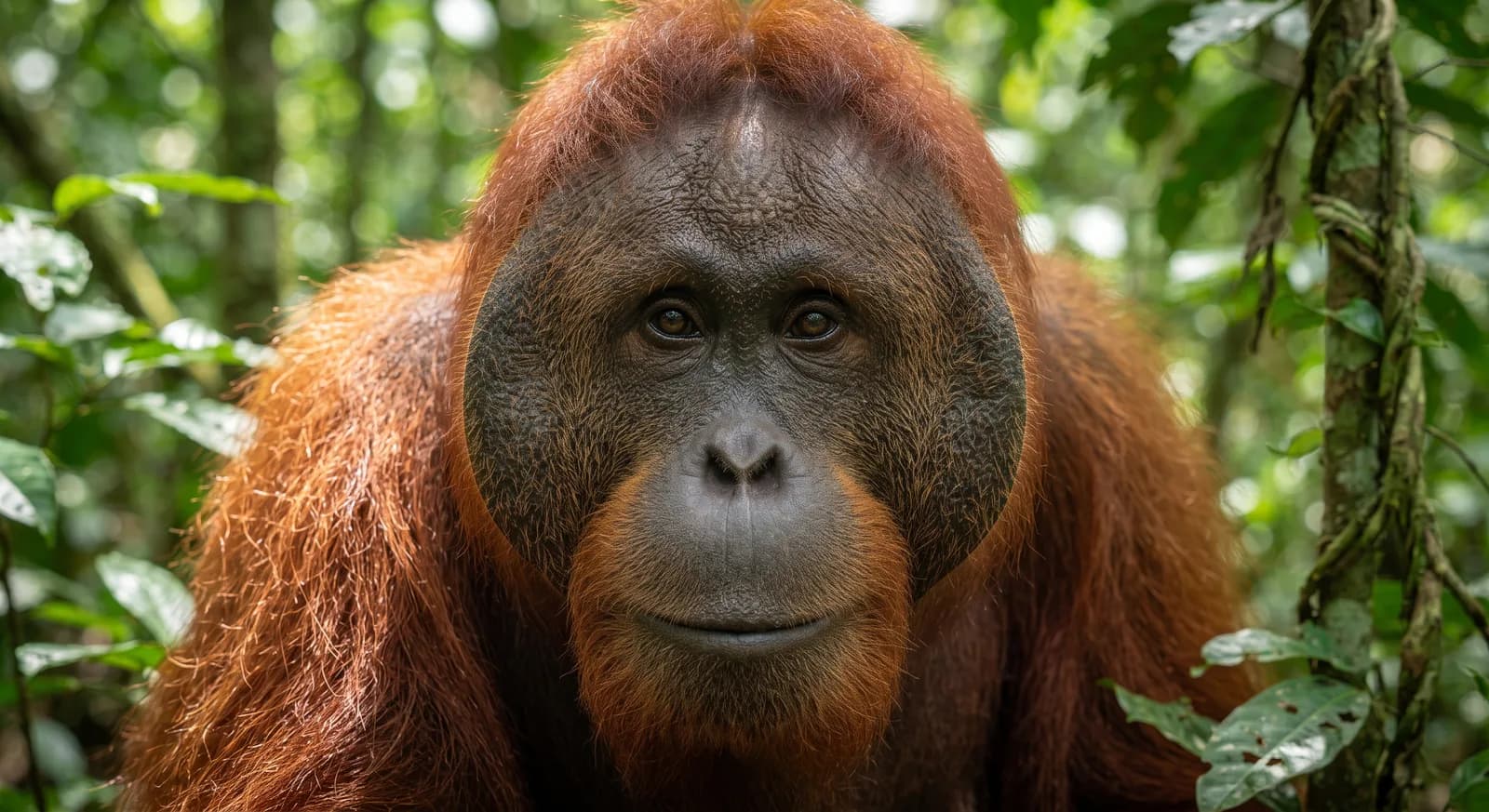
Bornean OrangutanCritically Endangered

Bornean Orangutan

Pongo pygmaeus

Endangered

Bonobo

Pan paniscus

Critically Endangered

Sumatran Orangutan

Pongo abelii

Critically Endangered

Tapanuli Orangutan

Pongo tapanuliensis

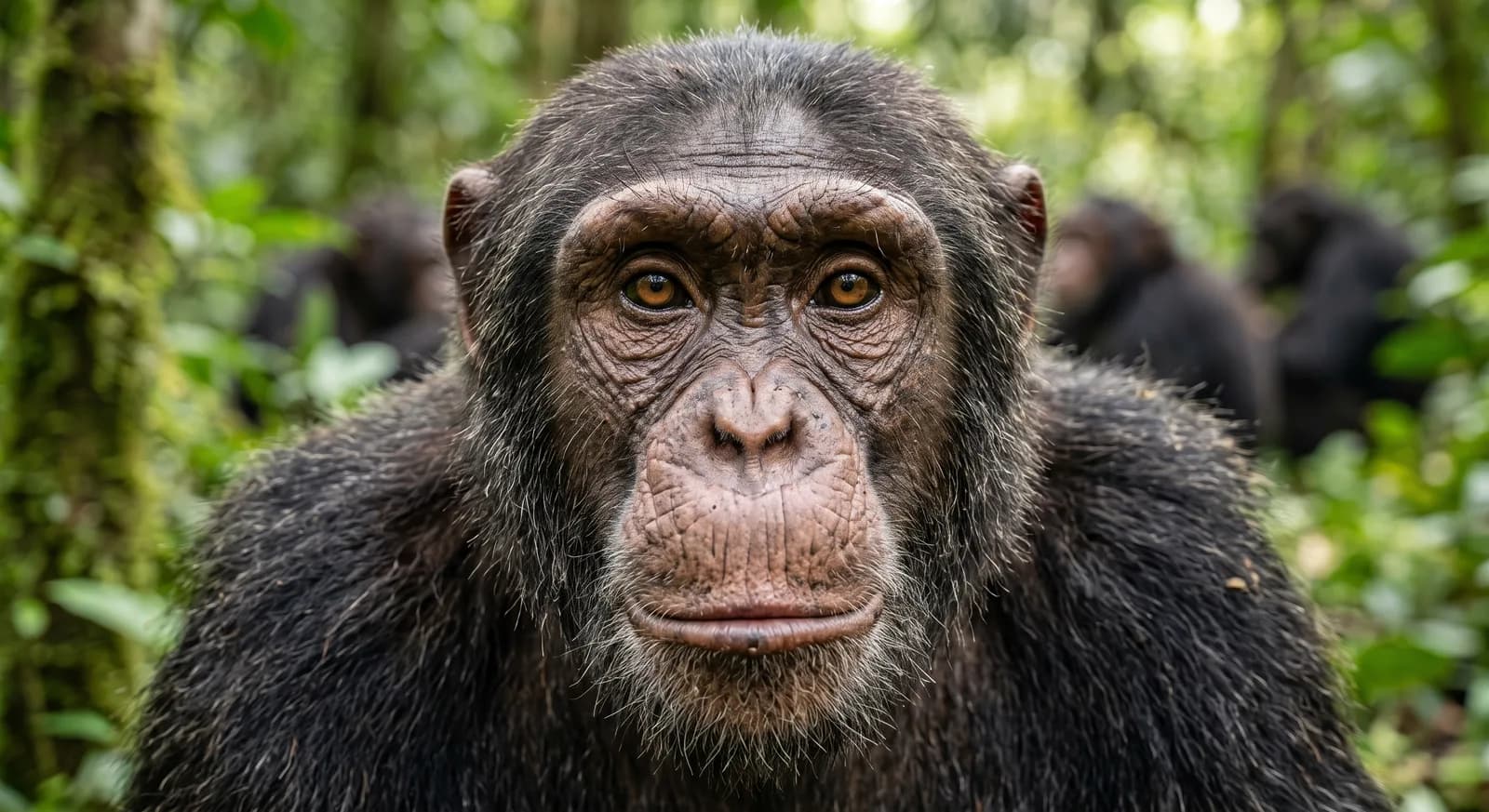
ChimpanzeeEndangered

Chimpanzee

Pan troglodytes

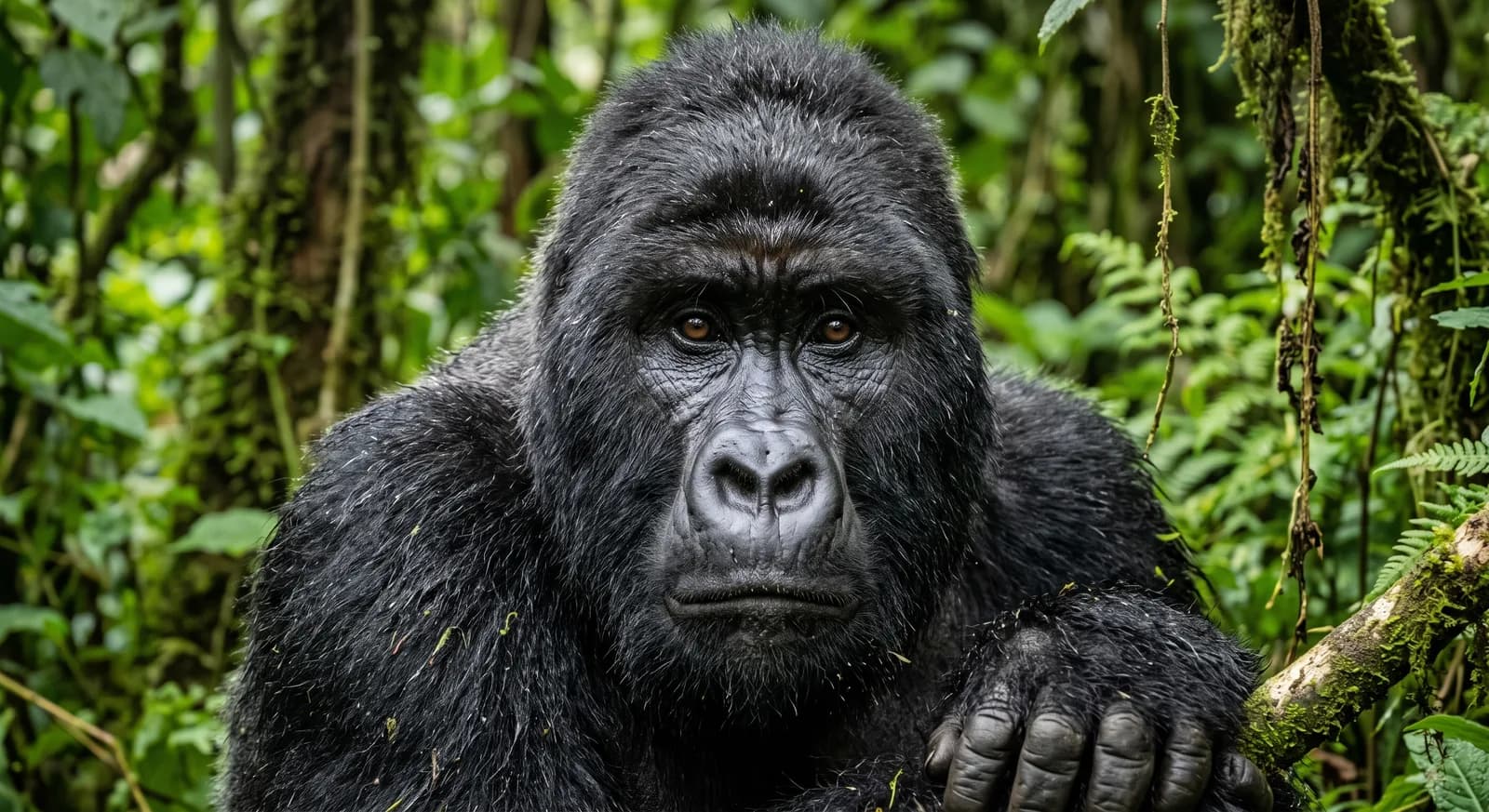
Eastern GorillaCritically Endangered

Eastern Gorilla

Gorilla beringei

TagsOmnivore
Omnivore
Diurnal
Savanna
Rainforest
Temperate forest
Desert
Mountain
Tundra
Freshwater
Grassland
Polar
Islands
Mammal