Skip to content
WAnimals
  • Map
  • Species
  • Parks
  • Diving
Log inCreate account
WAnimals

The guide for travellers and animal lovers: discover, plan and share your wild adventures around the world.

Discover wildlife

  • Species
  • Ecosystems
  • Glossary
  • Tags

Explore places

  • Map
  • Countries
  • Parks
  • Diving

Plan experiences

  • Guides

Learn

  • Blog

Resources

  • Help centre
  • Contact
  • Install the app

Follow us

Account

  • Log in
  • Create account

© 2026 WAnimals. All rights reserved.

About usHow we build our profilesTerms of servicePrivacyLegal notice
MapSpeciesParksDiving
  1. Home
  2. Species
  3. Iberian Desman

One of the 2 desmans on WAnimals

Iberian Desman (Galemys pyrenaicus)

Mammals · Eulipotyphla · Talpidae

Iberian Desman

Galemys pyrenaicus

Vulnerable

At high risk of extinction in the wild over the medium term.

Spotted something wrong?

The Pyrenean desman is a small aquatic mole endemic to the north of the Iberian Peninsula, with a mobile, sensitive snout, webbed hind feet and a flattened tail that it uses as a rudder. At night it hunts caddisfly and mayfly larvae and other invertebrates that it locates by touch on the riverbed. It is extremely demanding: it needs cold, highly oxygenated, unpolluted water, along with banks with roots and holes in which to shelter. Its populations have declined drastically over recent decades.

Weight

50 g – 80 g

Size

11 cm – 16 cm

Life expectancy

4 years
Diet

Carnivore

Feeds mainly on other animals.

Activity

Nocturnal

Active mainly at night.

Social structure

Solitary

Lives and hunts alone, joining others only to breed.

Sighting difficulty

Moderate

MountainFreshwater
4countries6parks4same family

AI-generated images: illustrations, not photographs.

Fun facts

  • Only two desmans are left in the world, the Pyrenean and the Russian: they are the last survivors of a lineage of aquatic moles that was far more diverse millions of years ago.
  • It is a first-rate bioindicator: it vanishes as soon as a river is polluted, dammed or loses flow, so its presence certifies that the water is clean.

Life cycle and biology

Skeleton type
Vertebrate - internal bony skeleton (mammal)
Habitat and environment
Mountain rivers and streams of cold, clean, fast, well-oxygenated water
Sexual maturity
2 years
Gestation / incubation
30 days
Litter / clutch size
4

Sources consulted: https://es.wikipedia.org/wiki/Galemys_pyrenaicus

Where to find it

Loading map…

The pins mark the parks where its presence is documented.

Where to see it

Parks and dive sites where this species has been documented.

Related species

Other species in the catalogue with the most in common with Iberian Desman — same habitat, park, country, tags or family.

Same taxonomic family
Shares a park
Shares a park
Shares a park
Shares a park
Shares a park

How to help

The iberian desman is classified as vulnerable. Organisations such as the IUCN, WWF and the Wildlife Conservation Society work specifically on its conservation and that of its habitat; looking into their programmes is a good starting point if you want to get involved.

It's documented in 6 protected areas — one reason why protecting these places matters for its conservation.

Keep exploring

Based on what we already know about iberian desman.

Comments

Share an experience, a fun fact or a tip for seeing the iberian desman.

Be the first to comment.

See full glossary
This page in other languages: Español · Deutsch · Français · Português · Italiano
See its range on the interactive map→
Picos de EuropaSpain
Ordesa y Monte PerdidoSpain
Aiguestortes i Estany de Sant MauriciSpain
Pyrenees National ParkFrance
SomiedoSpain
RedesSpain
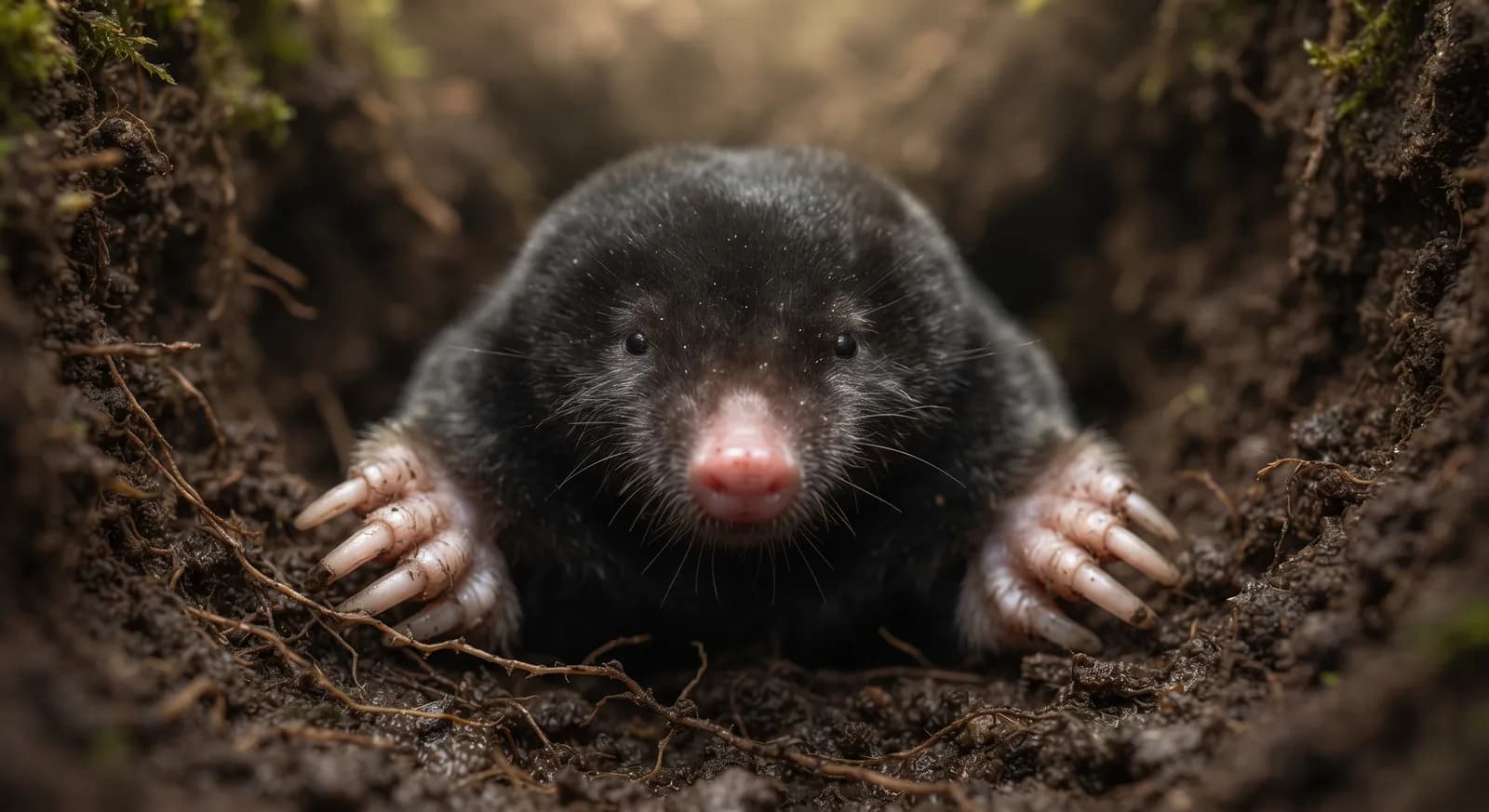
European MoleLeast Concern

European Mole

Talpa europaea

Vulnerable

Noble Crayfish

Astacus astacus

Vulnerable

Iberian Frog

Rana iberica

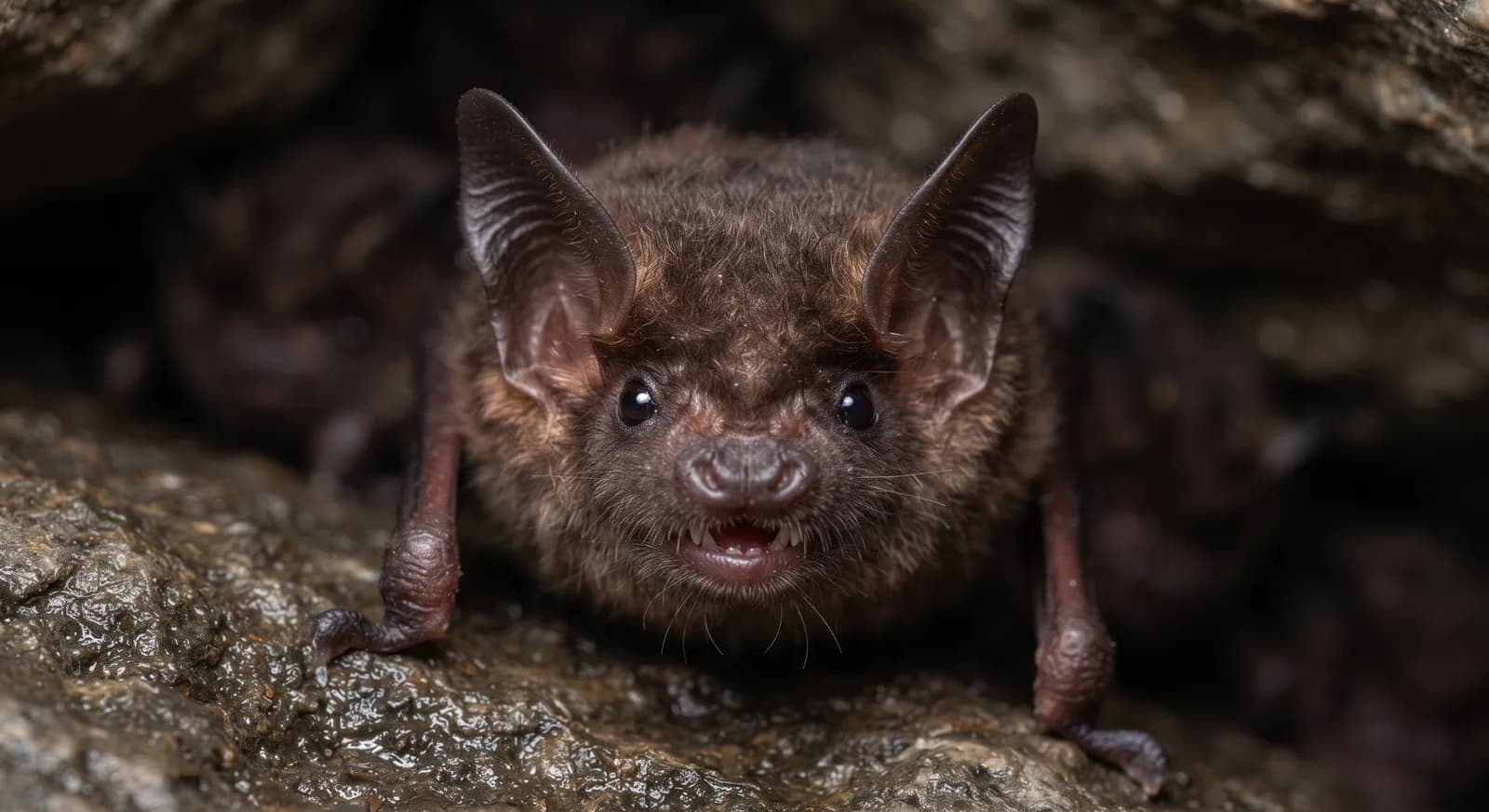
Schreiber's Bent-winged BatVulnerable

Schreiber's Bent-winged Bat

Miniopterus schreibersii

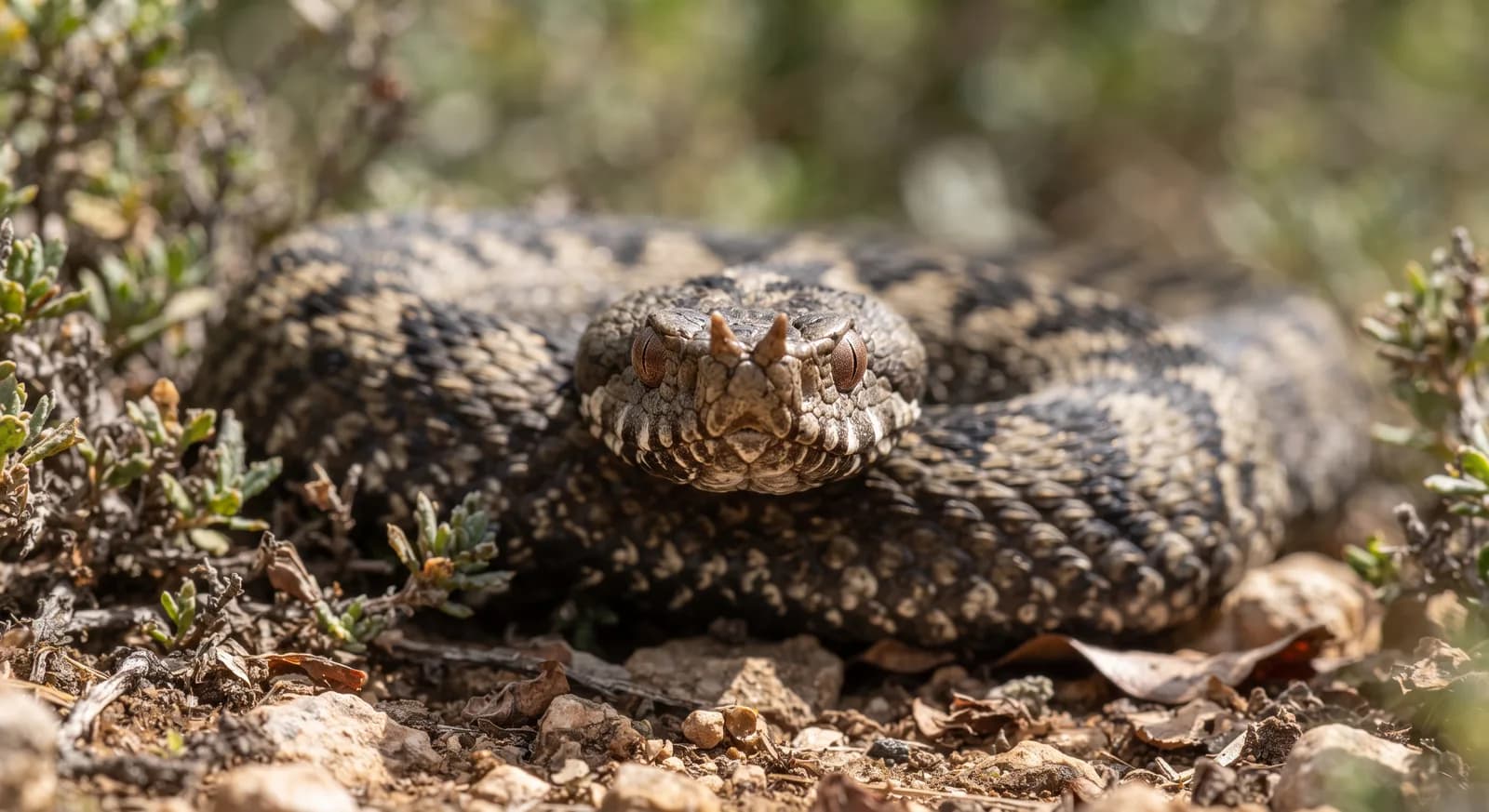
Lataste's ViperVulnerable

Lataste's Viper

Vipera latastei

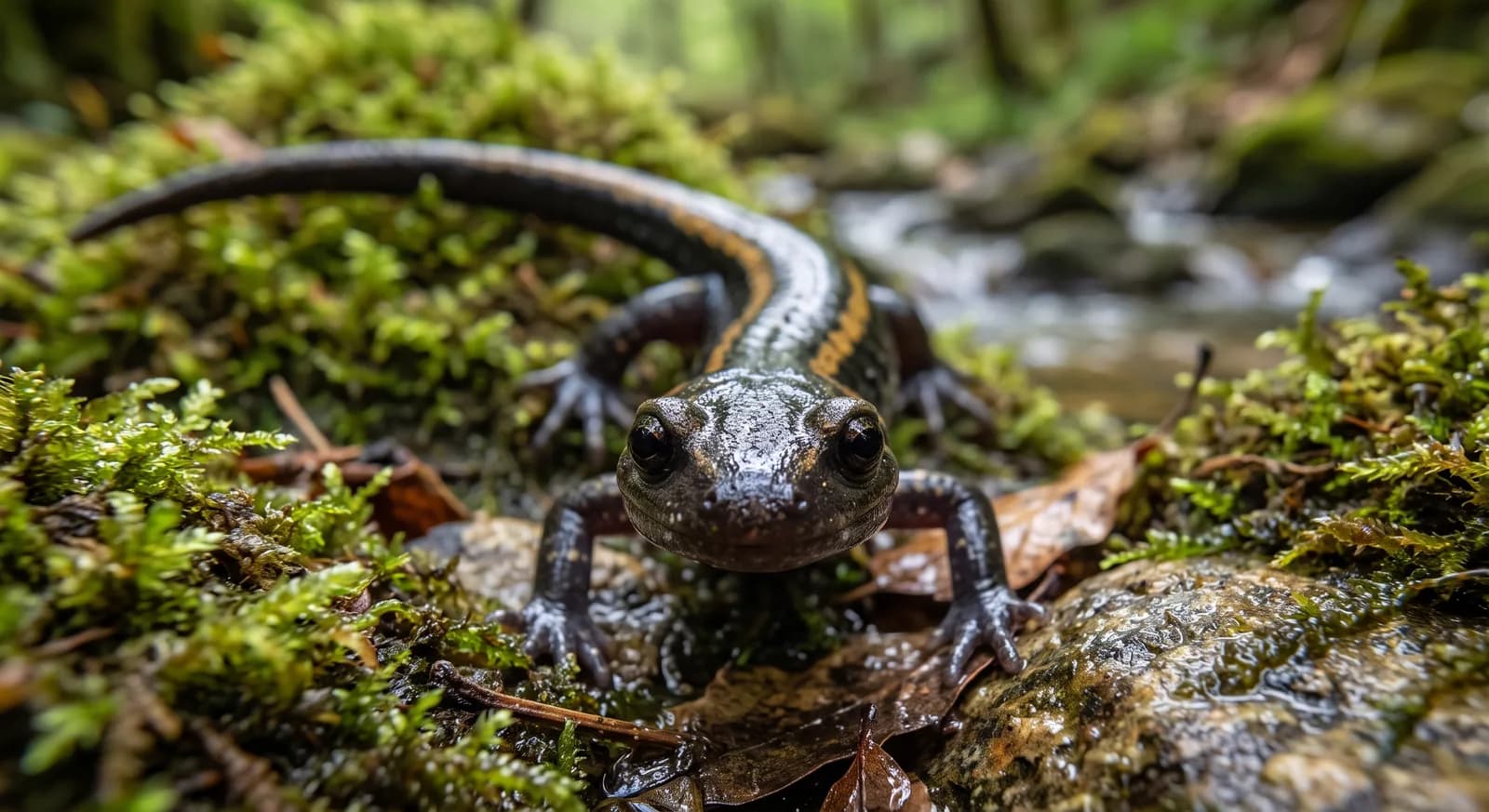
Golden-striped SalamanderVulnerable

Golden-striped Salamander

Chioglossa lusitanica

CountriesSpain
ParksPicos de EuropaSpain
TagsCarnivore
Carnivore
Nocturnal
Solitary
Vulnerable
Mountain
Freshwater
Mammal
Spain
France
Andorra
Portugal