Skip to content
WAnimals
  • Map
  • Species
  • Parks
  • Diving
Log inCreate account
WAnimals

The guide for travellers and animal lovers: discover, plan and share your wild adventures around the world.

Discover wildlife

  • Species
  • Ecosystems
  • Glossary
  • Tags

Explore places

  • Map
  • Countries
  • Parks
  • Diving

Plan experiences

  • Guides

Learn

  • Blog

Resources

  • About us
  • How we build our profiles
  • Help centre
  • Contact
  • Install the app

Follow us

Account

  • Log in
  • Create account

© 2026 WAnimals. All rights reserved.

Terms of servicePrivacyCookiesLegal notice
MapSpeciesParksDiving
  1. Home
  2. Species
  3. Larder Beetle

One of the 24 beetles on WAnimals

Insects · Coleoptera · Dermestidae

Larder Beetle

Dermestes lardarius

Not Evaluated

It has not yet been assessed against the IUCN criteria.

Spotted something wrong?

The larder beetle is a beetle of the family Dermestidae. It is found worldwide. It is a common pest of homes and storage facilities across much of the world. It eats products of animal origin, such as dried meat and fish, pet food, hides and leather, feathers, cheese and museum specimens such as pinned insects. It can also eat plant material with a high protein content, such as cereals.

Size

0.7 cm – 0.9 cm

Life expectancy

1 year

Diet

Carnivore

Feeds mainly on other animals.

Social structure

Solitary

Lives and hunts alone, joining others only to breed.

Temperate forest
6countries

Fun facts

  • Dermestid beetles are used routinely in natural history museums to clean skeletons: a colony leaves the bones immaculate without damaging them, something no chemical method matches.
  • In forensic entomology its appearance marks a late stage of decomposition, once the body has dried out, and helps estimate the time elapsed.
  • Its hairy larvae can bore through lead and insulation to excavate the chamber in which to turn into adults.
  • Its name comes from the larder: it feeds on cured meats, hides, feathers, hair and wool stained with blood or sweat.
  • That same voracity makes it useful: museums and taxidermists use dermestid beetles to clean the last tissue off skeletons, and call them the museum's volunteers.
  • It is a valuable indicator in forensic entomology, because its appearance on a body narrows down the date of death.
  • The larva, longer than the adult and very hairy, carries two backward-curving spines on its last segment and bores into wood, cork or plaster to pupate, which adds structural damage.

Life cycle and biology

Skeleton type
Invertebrate - chitin exoskeleton (insect)
Habitat and environment
Larders, stores, nests and dried carcasses
Size at birth
The larva reaches 12-13 mm just before pupating, longer than the adult itself
Gestation / incubation
The eggs hatch in about 12 days or less; the larval stage lasts from 35 to 80 days, with five moults in males and six in females
Litter / clutch size
About 135 eggs per female, laid in batches of 6 to 8 beside the food source

Sources consulted: Wikipedia (es): Dermestes lardarius · Utah State University Extension · University of Wisconsin Extension · ficha de identificacion de Dermestes lardarius · University of Wisconsin Extension, ficha Larder beetles · Ficha de biologia de Dermestes lardarius (Bennett 2003)

Where to find it

Best time: It overwinters as an adult in sheltered places and in spring actively seeks out protein-rich food sources

Loading map…

Related species

Other species in the catalogue with the most in common with Larder Beetle — same habitat, park, country, tags or family.

Related to
Related to
Related to
Related to
Related to
Related to

Keep exploring

Based on what we already know about larder beetle.
Share an experience, a fun fact or a tip for seeing the larder beetle.
See full glossary
This page in other languages: Español · Deutsch · Français · Português · Italiano
See its range on the interactive map→
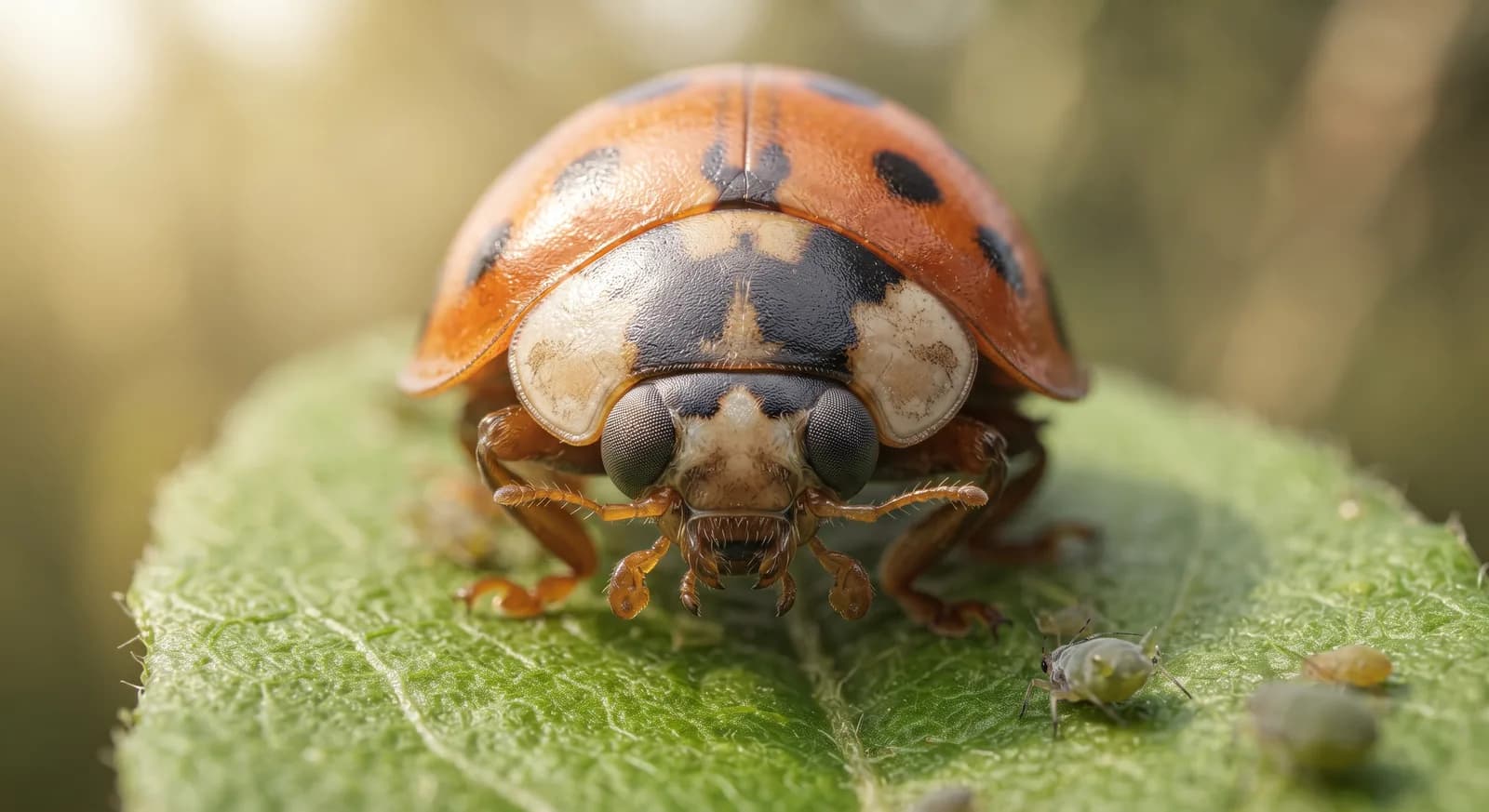
Harlequin LadybirdNot Evaluated

Harlequin Ladybird

Harmonia axyridis

Not Evaluated

Ant-lion

Myrmeleon formicarius

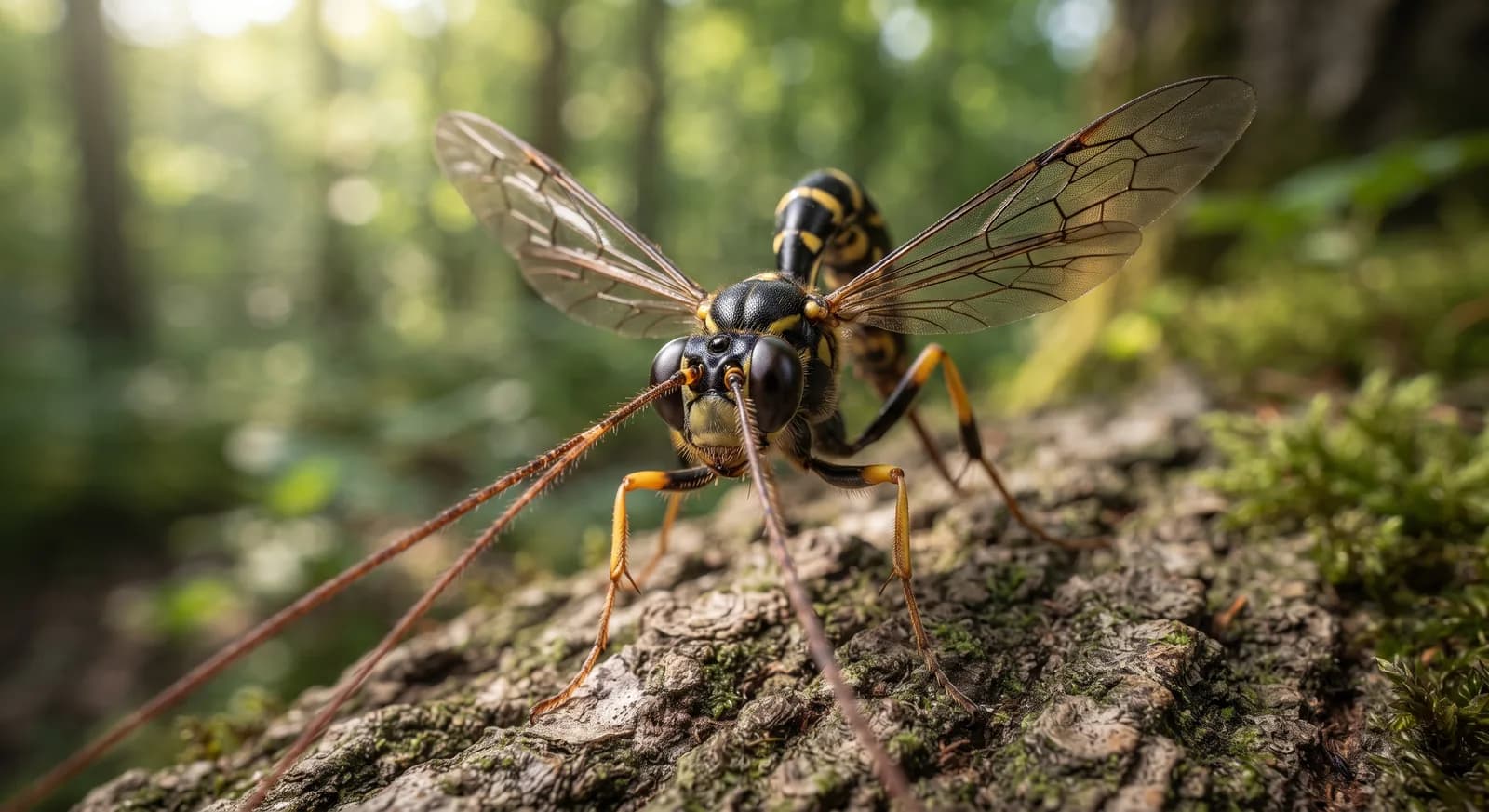
Sabre WaspNot Evaluated

Sabre Wasp

Rhyssa persuasoria

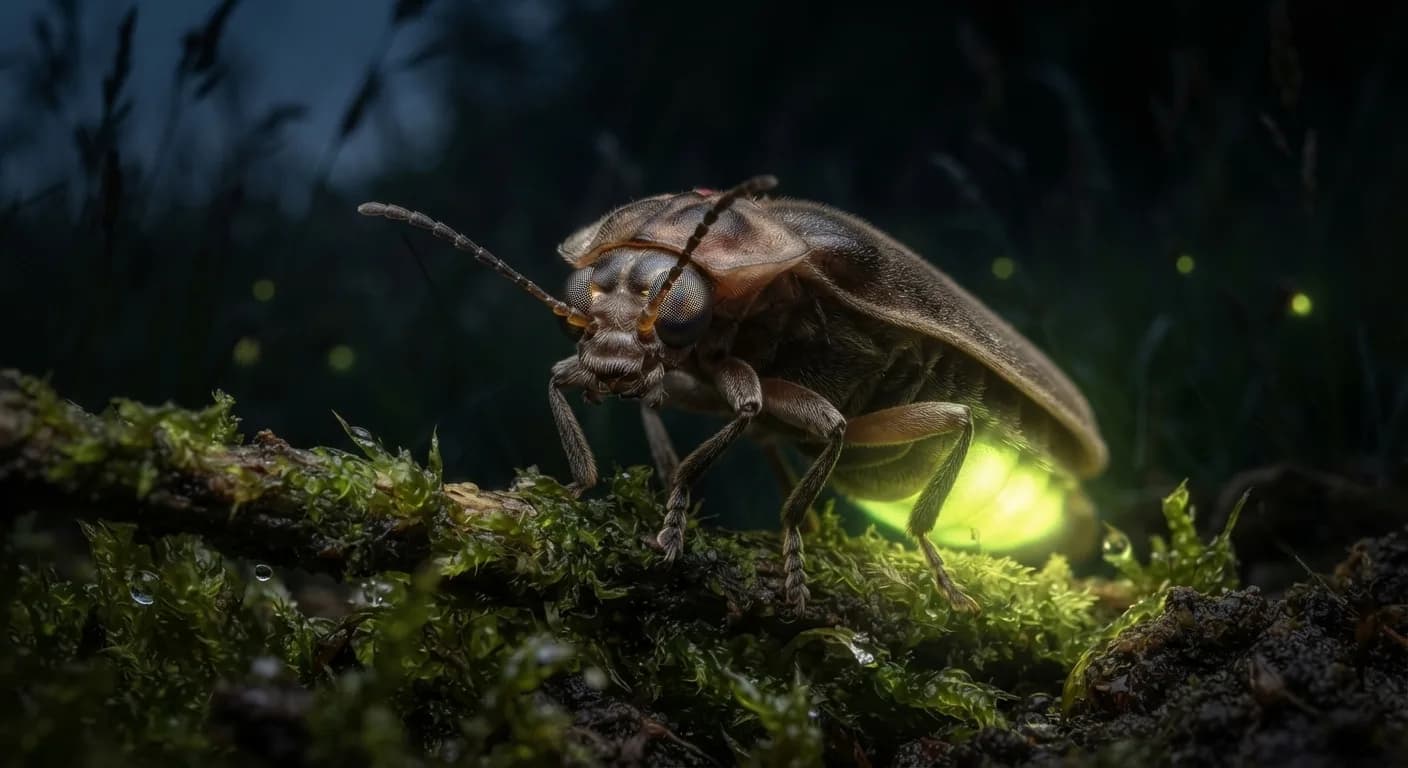
Glow-wormNot Evaluated

Glow-worm

Lampyris noctiluca

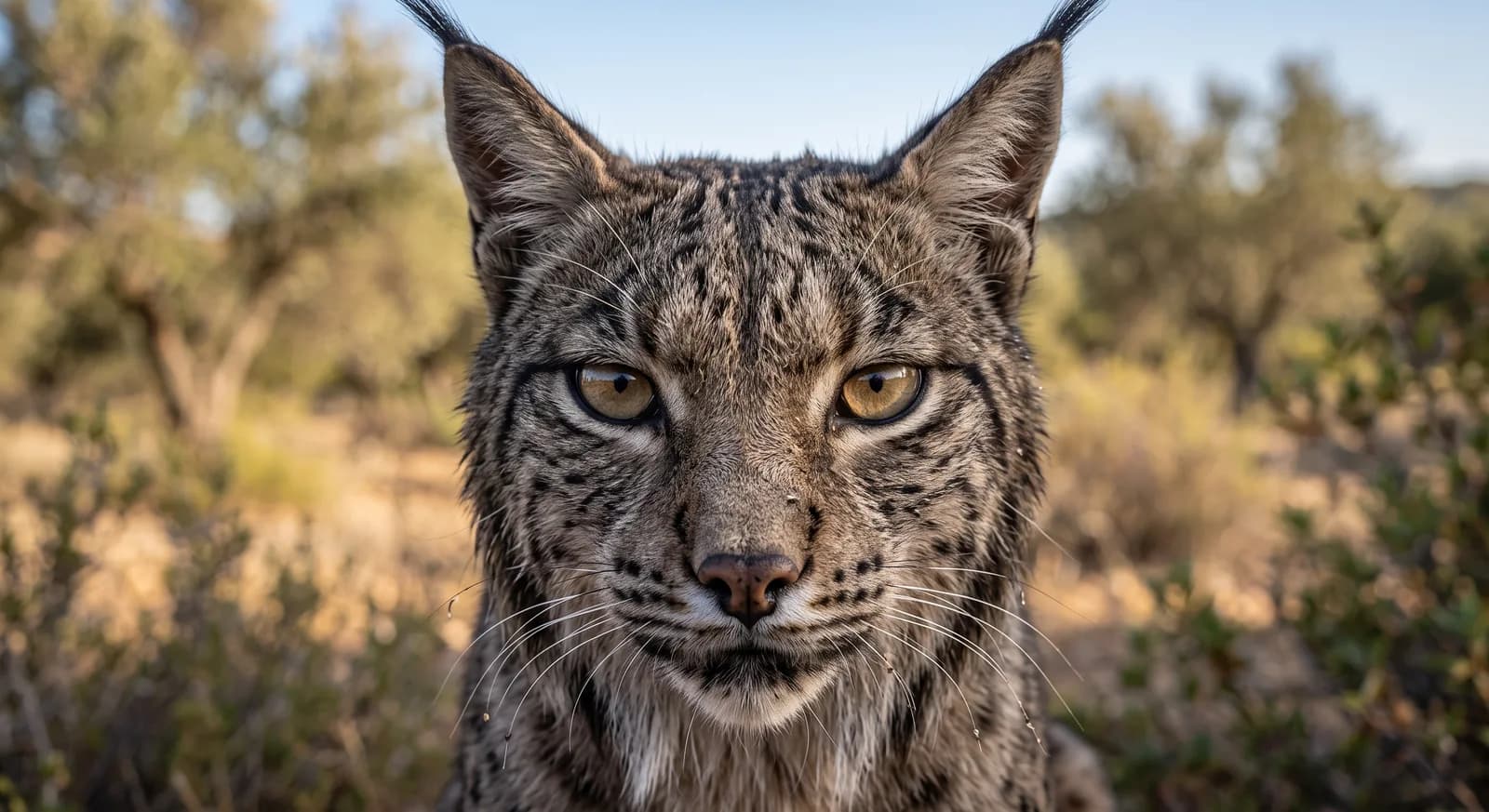
Iberian LynxEndangered

Iberian Lynx

Lynx pardinus

PumaLeast Concern

Puma

Puma concolor

CountriesFrance
TagsCarnivore
Carnivore
Solitary
Insect
Temperate forest
France
Germany
Italy
Spain
United Kingdom
United States