Skip to content
WAnimals
  • Map
  • Species
  • Parks
  • Diving
Log inCreate account
WAnimals

The guide for travellers and animal lovers: discover, plan and share your wild adventures around the world.

Discover wildlife

  • Species
  • Ecosystems
  • Glossary
  • Tags

Explore places

  • Map
  • Countries
  • Parks
  • Diving

Plan experiences

  • Guides

Learn

  • Blog

Resources

  • Help centre
  • Contact
  • Install the app

Follow us

Account

  • Log in
  • Create account

© 2026 WAnimals. All rights reserved.

About usHow we build our profilesTerms of servicePrivacyLegal notice
MapSpeciesParksDiving
  1. Home
  2. Species
  3. Sabre Wasp

One of the 9 wasps on WAnimals
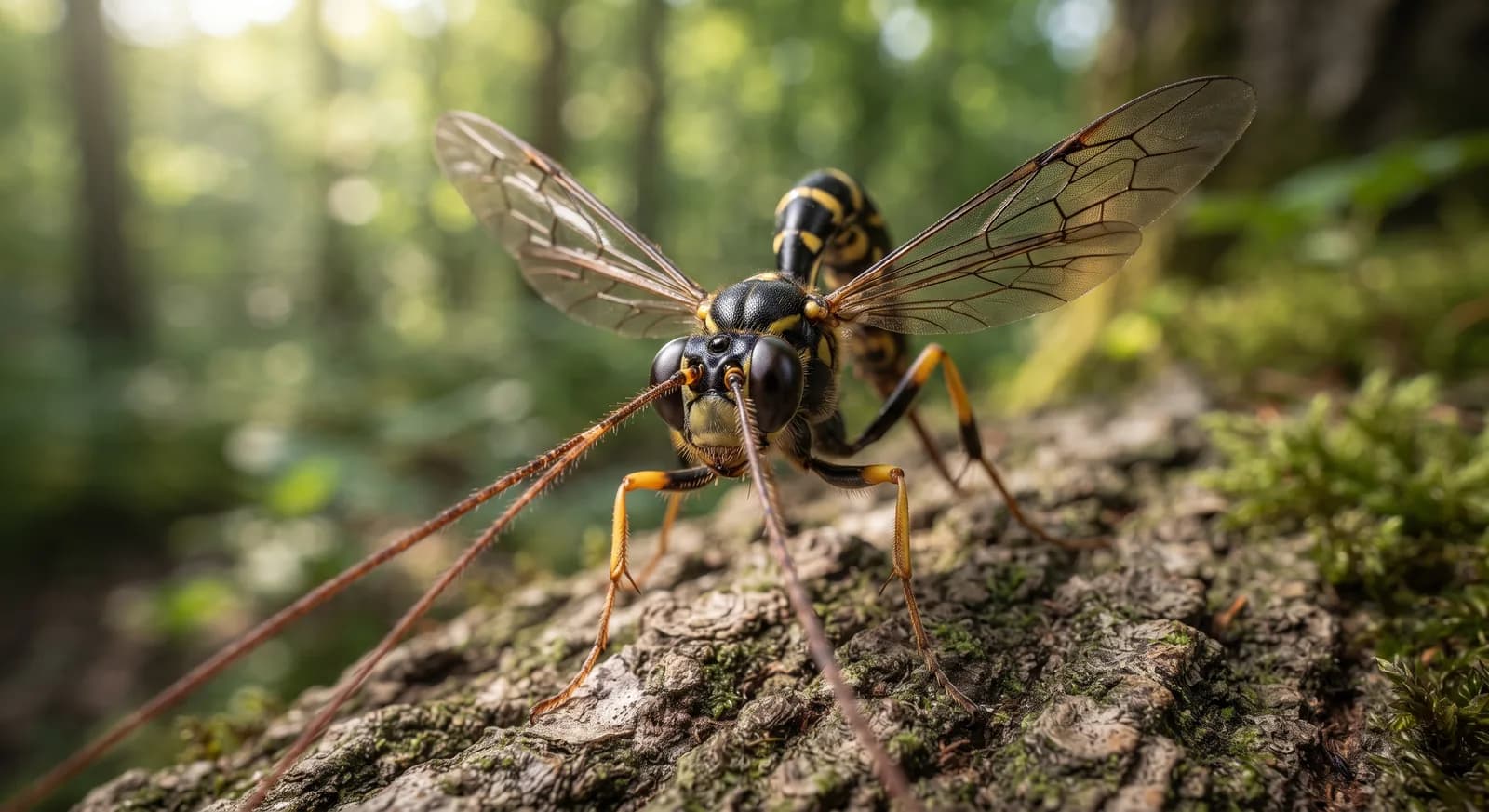
Sabre Wasp (Rhyssa persuasoria)

Insects · Hymenoptera · Ichneumonidae

Sabre Wasp

Rhyssa persuasoria

Not Evaluated

It has not yet been assessed against the IUCN criteria.

Spotted something wrong?

One of the largest parasitic wasps in Europe, black with white markings and reddish legs, the females carrying a thread-like ovipositor as long as their own body. It parasitises the larvae of horntails living several centimetres deep inside the wood of conifers.

Size

2 cm – 4 cm

Diet

Carnivore

Feeds mainly on other animals.

Activity

Diurnal

Active mainly during the day.
Social structure

Solitary

Lives and hunts alone, joining others only to breed.

Sighting difficulty

Unknown

Temperate forest
54countries5parks

AI-generated images: illustrations, not photographs.

Fun facts

  • It locates its victim through several centimetres of solid wood, detecting with its antennae the vibrations the victim makes as it gnaws and the smell of the fungi that go with it.
  • Its ovipositor, finer than a hair, drills through the wood for almost half an hour until it reaches the larva and lays an egg on it.
  • It has been deliberately introduced into New Zealand and Australia to control woodwasp pests in pine plantations.
  • Its ovipositor is longer than its own body: between 2 and 4 cm, as fine as a horsehair, with a tip reinforced with accumulated metals that let it drill through solid wood.
  • And it does not drill blind. It locates the hidden larva by smell — but not the larva's own: it detects the symbiotic fungi of the genus Amylostereum that grow in the galleries of the woodwasps. In other words, it smells its host's fungus.
  • At close range it fine-tunes with its antennae and with the ovipositor itself, then drills through centimetres of wood until it reaches the larva, paralyses it and lays an egg on it.
  • The wasp's larva devours the host alive over the course of about five weeks.
  • It is one of the largest ichneumonids in Europe, with females of up to 4 cm not counting the ovipositor.
  • It has been introduced into several countries as a biological control agent against the invasive woodwasps that attack pine plantations.
  • Its drilling mechanism has inspired the design of flexible surgical needles able to follow curved paths.

Life cycle and biology

Skeleton type
Invertebrate - chitin exoskeleton (insect)
Habitat and environment
Pine and fir woods with standing dead wood

Sources consulted: Spradbery, Studies on the biology of Rhyssa persuasoria; Frasson et al. (2010), proyecto STING; NatureSpot

Where to find it

Best time: June to August, on the trunks of dead conifers

Loading map…

Where to see it

Parks and dive sites where this species has been documented.

Related species

Other species in the catalogue with the most in common with Sabre Wasp — same habitat, park, country, tags or family.

Shares a park
Shares a park
Shares a park
Shares a park
Shares a park
Shares a park

Keep exploring

Based on what we already know about sabre wasp.

Comments

Share an experience, a fun fact or a tip for seeing the sabre wasp.

Be the first to comment.

See full glossary
This page in other languages: Español · Deutsch · Français · Português · Italiano

The pins mark the parks where its presence is documented.

See its range on the interactive map→
BiałowieżaPoland
Bavarian Forest (Bayerischer Wald)Germany
Šumava (Bohemian Forest)Czechia
BieszczadyPoland
HarzGermany
Common BuzzardLeast Concern

Common Buzzard

Buteo buteo

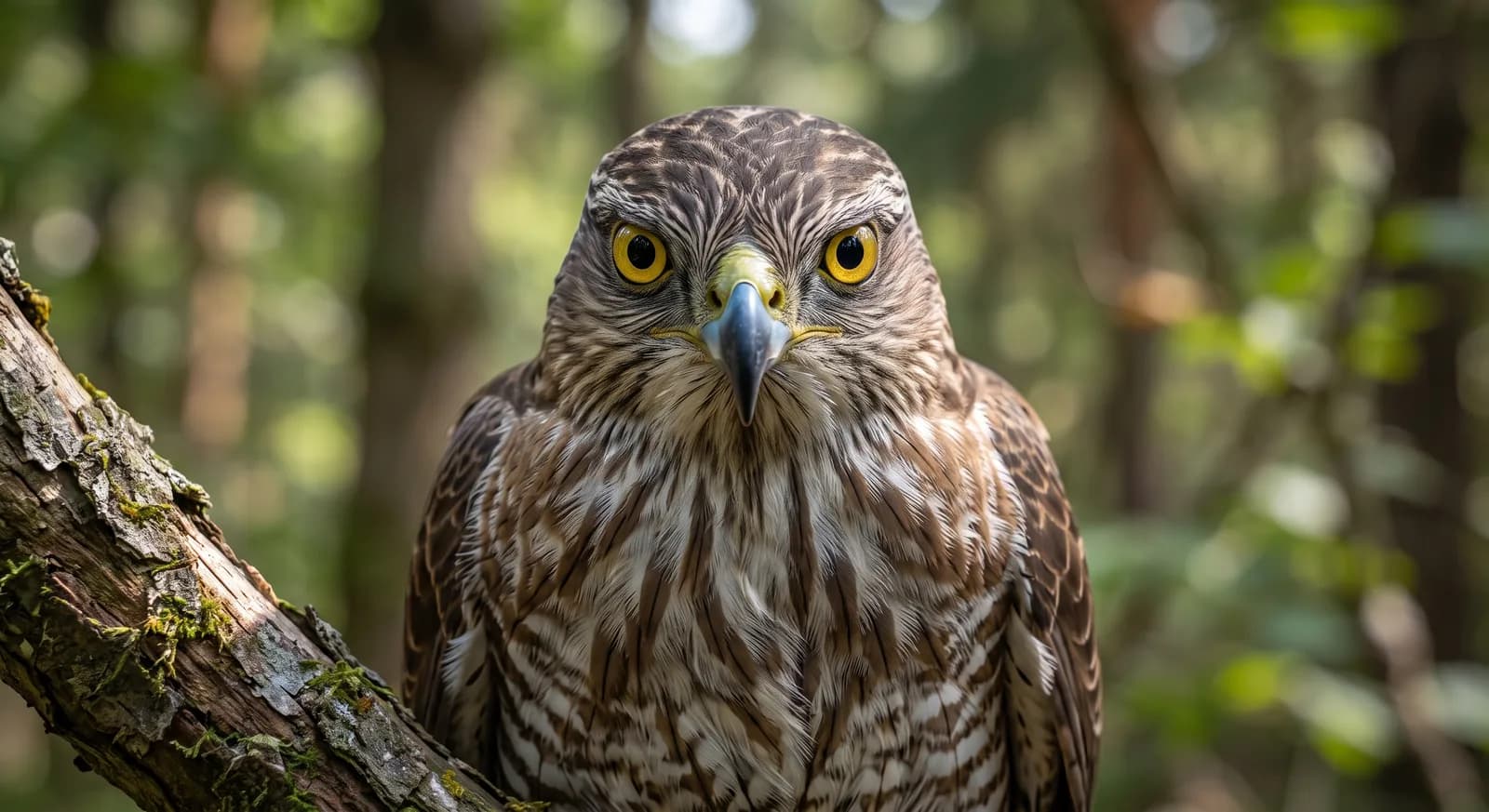
Eurasian SparrowhawkLeast Concern

Eurasian Sparrowhawk

Accipiter nisus

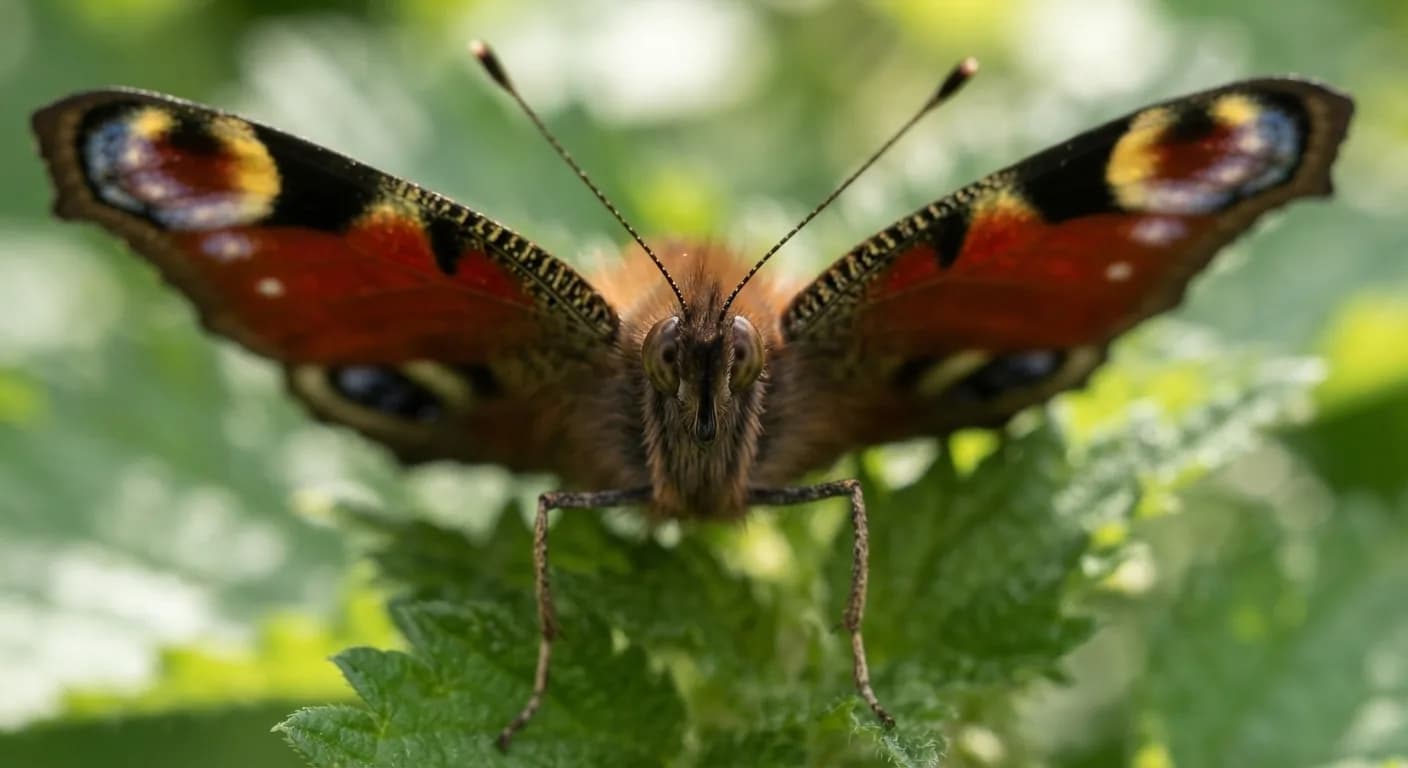
PeacockLeast Concern

Peacock

Aglais io

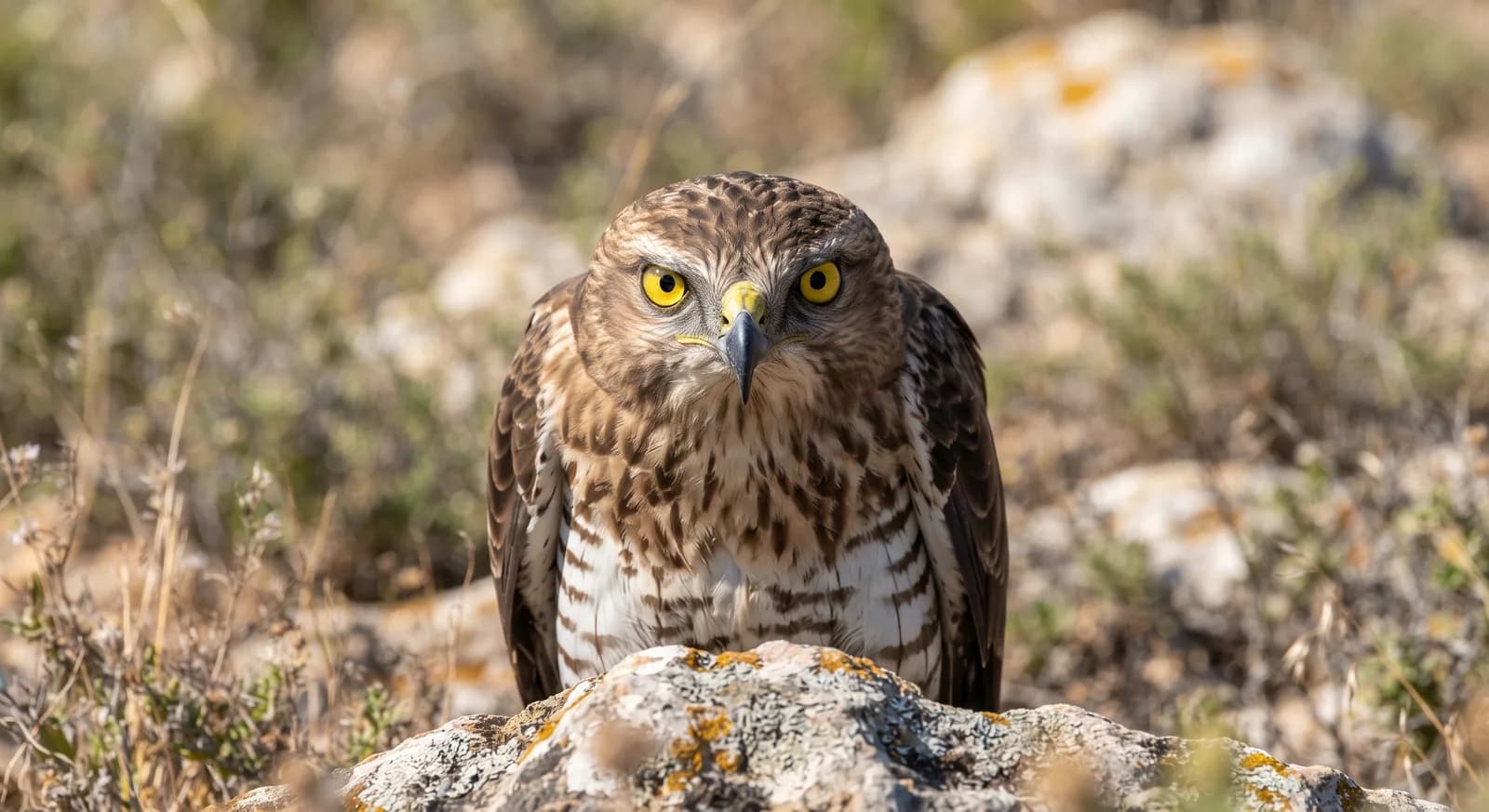
Short-toed EagleLeast Concern

Short-toed Eagle

Circaetus gallicus

Not Evaluated

Ant-lion

Myrmeleon formicarius

Least Concern

Great Grey Shrike

Lanius excubitor

CountriesGermany
ParksBiałowieżaPoland
TagsCarnivore
Carnivore
Diurnal
Solitary
Insect
Temperate forest

Europe41

Asia10

Africa3

Germany
Poland
Czechia
Albania
Algeria
Andorra
Albania
Andorra
Austria
Belarus
Belgium
Bosnia and Herzegovina
Bulgaria
Croatia
Cyprus
Czechia
Denmark
Estonia
Finland
France
Germany
Greece
Hungary
Ireland
Italy
Latvia
Liechtenstein
Lithuania
Luxembourg
Malta
Moldova
Monaco
Montenegro
Netherlands
North Macedonia
Norway
Poland
Portugal
Romania
Serbia
Slovakia
Slovenia
Spain
Sweden
Switzerland
Ukraine
United Kingdom
Armenia
Azerbaijan
Georgia
Iran
Israel
Kazakhstan
Lebanon
Russia
Syria
Türkiye
Algeria
Morocco
Tunisia