Skip to content
WAnimals
  • Map
  • Species
  • Parks
  • Diving
Log inCreate account
WAnimals

The guide for travellers and animal lovers: discover, plan and share your wild adventures around the world.

Discover wildlife

  • Species
  • Ecosystems
  • Glossary
  • Tags

Explore places

  • Map
  • Countries
  • Parks
  • Diving

Plan experiences

  • Guides

Learn

  • Blog

Resources

  • Help centre
  • Contact
  • Install the app

Follow us

Account

  • Log in
  • Create account

© 2026 WAnimals. All rights reserved.

About usHow we build our profilesTerms of servicePrivacyLegal notice
MapSpeciesParksDiving
  1. Home
  2. Species
  3. Red-legged Seriema

One of the 2 seriemas on WAnimals

Birds · Gruiformes · Cariamidae

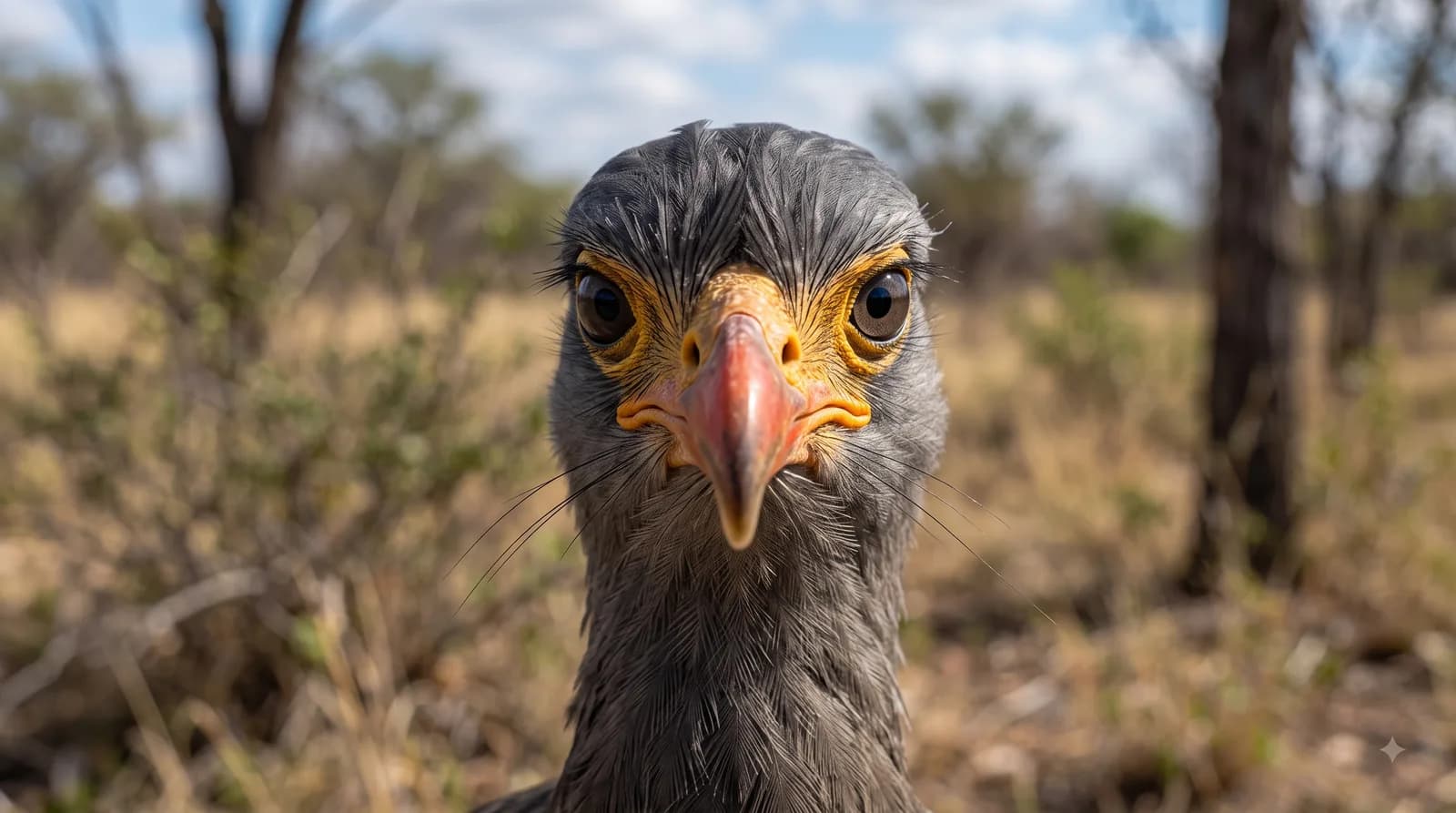
Red-legged Seriema

Cariama cristata

Least Concern

The species is abundant and widely distributed; it faces no significant short-term risk.

Spotted something wrong?

The red-legged seriema is a bird of the family Cariamidae and the only representative of the genus Cariama, traditionally included in the order Gruiformes but placed today in an order of its own, Cariamiformes. It is a mainly terrestrial predator. It inhabits the grasslands of Brazil from the southern edge of the Amazon rainforest to Uruguay and northern Argentina. Its range is estimated at 5.9 million km². The species is absent from the Atlantic Forest and from the highlands along the Brazilian coast.

Weight

1.2 kg – 1.5 kg

Size

75 cm – 90 cm

Life expectancy

25 years

Diet

Carnivore

Feeds mainly on other animals.

Activity

Diurnal

Active mainly during the day.

Social structure

In pairs

Usually lives in pairs, sometimes for life.

Sighting difficulty

Easy

SavannaGrassland
5countries27parks1same family

Fun facts

  • It is the closest living relative of the terror birds, the phorusrhacids: flightless predators up to three metres tall with enormous bills, which were the great carnivores of South America for tens of millions of years.
  • It kills snakes by beating them repeatedly against the ground or hurling them against a stone, a technique it also applies to lizards and rodents.
  • Its song, a rising and falling howl performed as a duet by the pair, carries for kilometres across the cerrado and is one of the most recognisable sounds of the Brazilian interior.

Life cycle and biology

Skeleton type
Vertebrate - internal bony skeleton (bird)
Habitat and environment
Grassland, cerrado, chaco and open savanna of central and eastern South America
Sexual maturity
3 years
Gestation / incubation
27 days of incubation
Litter / clutch size
2 eggs

Sources consulted: https://es.wikipedia.org/wiki/Cariama_cristata

Where to find it

Loading map…

The pins mark the parks where its presence is documented.

Where to see it

Parks and dive sites where this species has been documented — showing 10 of 27.

Related species

Other species in the catalogue with the most in common with Red-legged Seriema — same habitat, park, country, tags or family.

Same taxonomic family
Shares a park
Shares a park
Shares a park
Shares a park
Shares a park

Keep exploring

Based on what we already know about red-legged seriema.

Comments

Share an experience, a fun fact or a tip for seeing the red-legged seriema.

Be the first to comment.

See full glossary
This page in other languages: Español · Deutsch · Français · Português · Italiano
See its range on the interactive map→
TalampayaArgentina
Ischigualasto (Valley of the Moon)Argentina
IberáArgentina
El PalmarArgentina
Pantanal MatogrossenseBrazil
Chapada DiamantinaBrazil
Lencois MaranhensesBrazil
Defensores del ChacoParaguay
CalileguaArgentina
Serra da CanastraBrazil
See all 27 parks
Black-legged SeriemaLeast Concern

Black-legged Seriema

Chunga burmeisteri

Least Concern

Red-winged Tinamou

Rhynchotus rufescens

Southern ScreamerLeast Concern

Southern Screamer

Chauna torquata

Least Concern

Smooth-billed Ani

Crotophaga ani

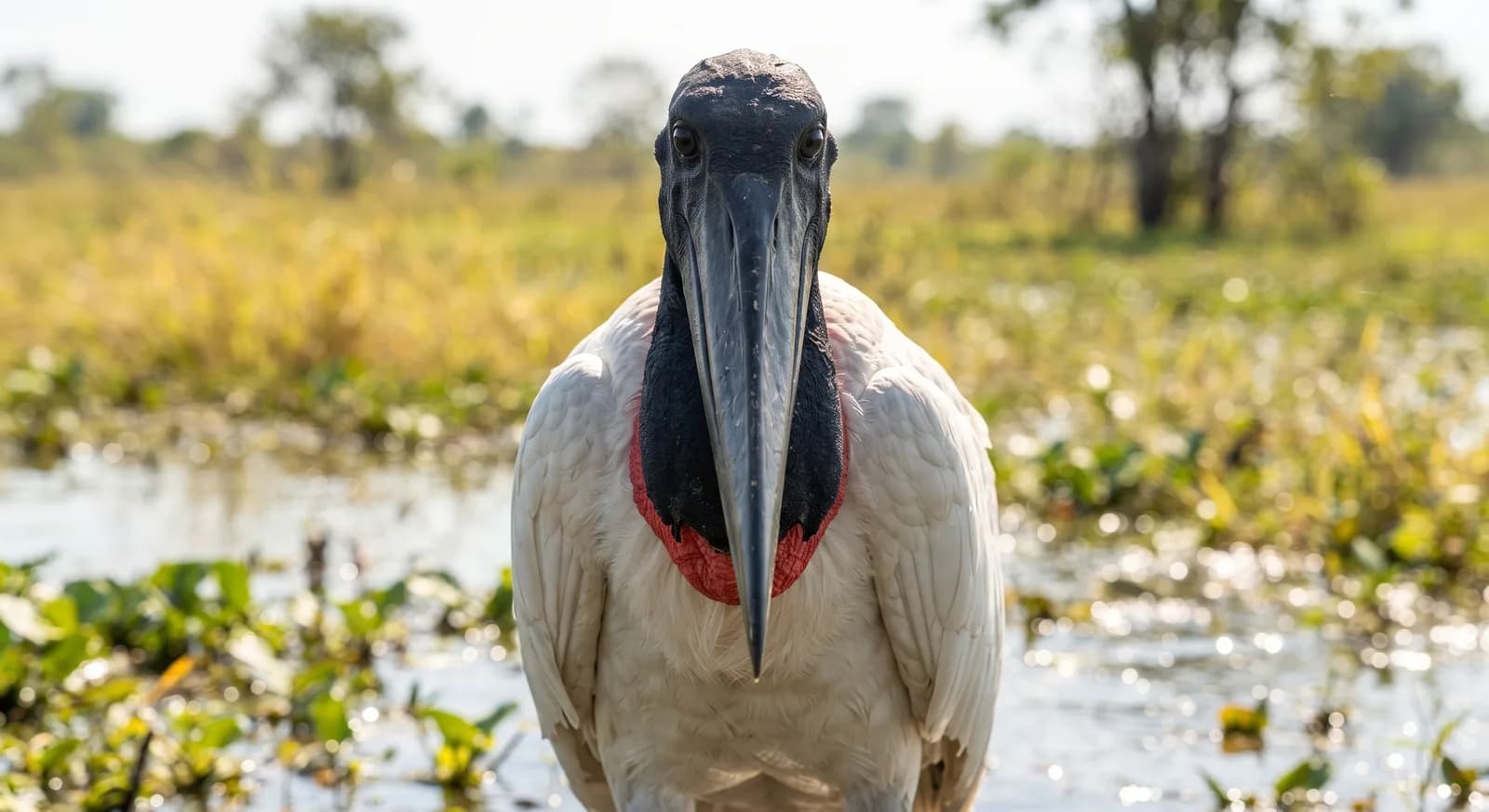
JabiruLeast Concern

Jabiru

Jabiru mycteria

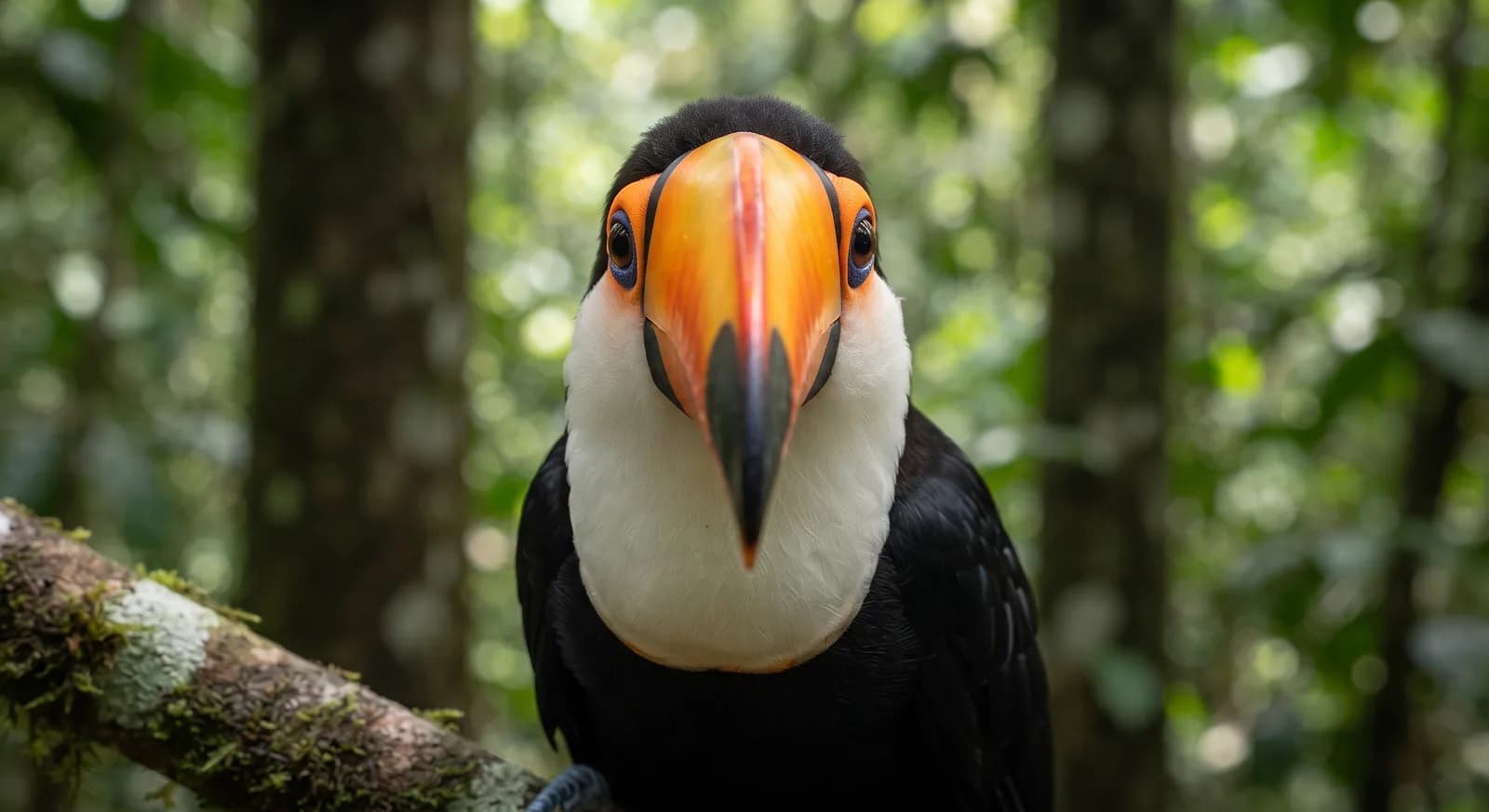
Toco ToucanLeast Concern

Toco Toucan

Ramphastos toco

CountriesArgentina
ParksTalampayaArgentina
TagsCarnivore
Carnivore
Diurnal
In pairs
Bird
Savanna
Grassland
Argentina
Brazil
Paraguay
Bolivia
Uruguay