Skip to content
WAnimals
  • Map
  • Species
  • Parks
  • Diving
Log inCreate account
WAnimals

The guide for travellers and animal lovers: discover, plan and share your wild adventures around the world.

Discover wildlife

  • Species
  • Ecosystems
  • Glossary
  • Tags

Explore places

  • Map
  • Countries
  • Parks
  • Diving

Plan experiences

  • Guides

Learn

  • Blog

Resources

  • Help centre
  • Contact
  • Install the app

Follow us

Account

  • Log in
  • Create account

© 2026 WAnimals. All rights reserved.

About usHow we build our profilesTerms of servicePrivacyLegal notice
MapSpeciesParksDiving
  1. Home
  2. Species
  3. Southern House Spider

One of the 26 spiders on WAnimals

Arachnids · Araneae · Filistatidae

Southern House Spider

Kukulcania hibernalis

Not Evaluated

It has not yet been assessed against the IUCN criteria.

Spotted something wrong?

Kukulcania hibernalis is a synanthropic arachnid found in Mexico, Argentina, Brazil, Chile, Colombia, Paraguay and Uruguay.

Size

1 cm – 2 cm

Life expectancy

8 years

Diet

Carnivore

Feeds mainly on other animals.

Activity

Nocturnal

Active mainly at night.

Social structure

Solitary

Lives and hunts alone, joining others only to breed.

Sighting difficulty

Unknown

Temperate forest
6countries

Fun facts

  • The old webs of this species, coated in dust, are the classic grey cobweb of the corners and porches of the American South.
  • Its silk is not sticky: it combs it with an organ called the calamistrum into an extremely fine wool that tangles insects' legs.
  • It is long-lived for its size: the females can spend several years in the same crevice.
  • The two sexes look like different species: the female is stout, black and velvety, the male slender, light brown and long-legged.
  • That brown male is constantly mistaken for the brown recluse, which causes unfounded alarm and needless spraying. The reliable way to identify it is the web: coarse tangles in corners and crevices.
  • It is harmless: it bites reluctantly and its venom is of no medical significance.
  • Its silk is cribellate, with no droplets of glue.
  • The females are long-lived and can spend several years in the same hiding place.

Life cycle and biology

Skeleton type
Invertebrate - chitin exoskeleton (arachnid)
Habitat and environment
Walls, cracks in buildings and tree trunks of the south-eastern United States and the Caribbean

Sources consulted: https://es.wikipedia.org/wiki/Kukulcania_hibernalis

Where to find it

Loading map…

Related species

Other species in the catalogue with the most in common with Southern House Spider — same habitat, park, country, tags or family.

Related to
Related to
Related to
Related to
Related to
Related to

Keep exploring

Based on what we already know about southern house spider.

Comments

Share an experience, a fun fact or a tip for seeing the southern house spider.

Be the first to comment.

See full glossary
This page in other languages: Español · Deutsch · Français · Português · Italiano
See its range on the interactive map→
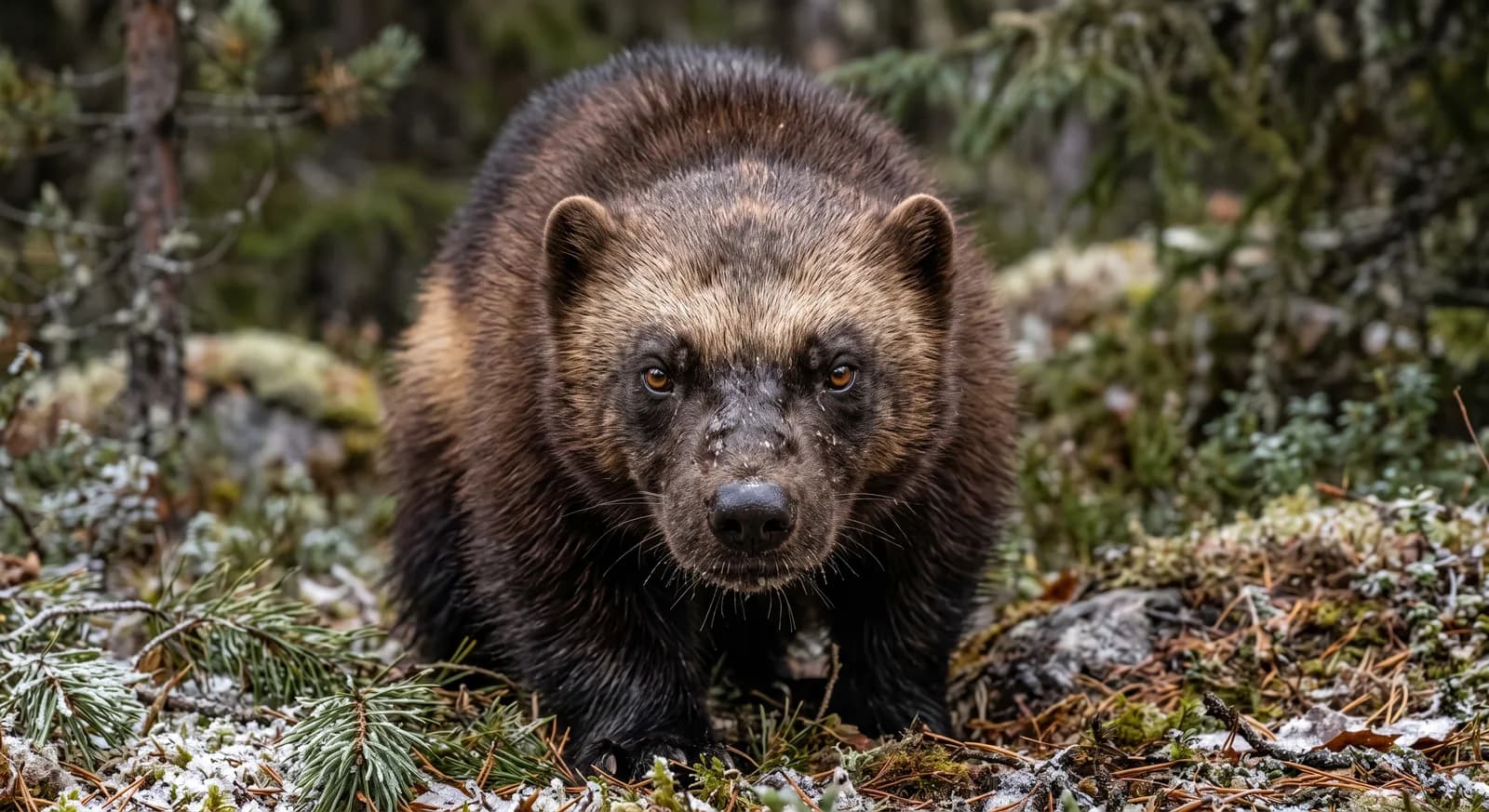
WolverineLeast Concern

Wolverine

Gulo gulo

Least Concern

Great Horned Owl

Bubo virginianus

Least Concern

Long-eared Owl

Asio otus

Least Concern

Mexican Beaded Lizard

Heloderma horridum

Least Concern

Eastern Newt

Notophthalmus viridescens

Least Concern

Eastern Tiger Salamander

Ambystoma tigrinum

CountriesBrazil
TagsCarnivore
Carnivore
Nocturnal
Solitary
Temperate forest
Arachnid
Brazil
Colombia
Cuba
Mexico
Panama
United States