Skip to content
WAnimals
  • Map
  • Species
  • Parks
  • Diving
Log inCreate account
WAnimals

The guide for travellers and animal lovers: discover, plan and share your wild adventures around the world.

Discover wildlife

  • Species
  • Ecosystems
  • Glossary
  • Tags

Explore places

  • Map
  • Countries
  • Parks
  • Diving

Plan experiences

  • Guides

Learn

  • Blog

Resources

  • About us
  • How we build our profiles
  • Help centre
  • Contact
  • Install the app

Follow us

Account

  • Log in
  • Create account

© 2026 WAnimals. All rights reserved.

Terms of servicePrivacyCookiesLegal notice
MapSpeciesParksDiving
  1. Home
  2. Species
  3. Velvet Worm

Velvet worms · Euonychophora · Peripatidae

Velvet Worm

Peripatus juliformis

Not Evaluated

It has not yet been assessed against the IUCN criteria.

Spotted something wrong?

A velvet worm, an onychophoran with soft, velvety skin, antennae and between fourteen and twenty pairs of conical legs ending in claws. It lives in the damp leaf litter of tropical forest and hunts insects and other small invertebrates by night.

Size

2 cm – 8 cm

Diet

Carnivore

Feeds mainly on other animals.

Activity

Nocturnal

Active mainly at night.

Social structure

Solitary

Lives and hunts alone, joining others only to breed.

Rainforest
2countries5parks

Fun facts

  • It hunts by firing, from papillae on either side of its head, two jets of a glue that solidifies in the air, pinning the prey in a viscous net before approaching it.
  • The onychophorans are an extremely ancient group, with fossil relatives from the Cambrian, and occupy an intermediate position between the annelids and the arthropods that makes them key to understanding the origin of insects and arachnids.
  • It is viviparous and the young are born fully formed, with all their legs.
  • Velvet worms form a phylum of their own, neither arthropods nor annelids, and they are among the oldest terrestrial animals: their form has barely changed since the Cambrian, and they are relatives of the Burgess Shale animals.
  • It hunts by spitting glue. It has two oral papillae on the sides of its head from which it fires two jets of an adhesive secretion, in an oscillating sweeping motion that lays a net over the prey and immobilises it.
  • The jet fires at high speed and travels up to several centimetres, and the oscillation is not produced by muscle: it is a passive effect of the papilla's elasticity, a mechanism that has been studied in fluid physics.
  • It then injects digestive saliva and sucks up the liquefied contents, and it also eats its own glue so as not to waste the protein.
  • It walks on between 13 and 43 pairs of soft, conical, unjointed legs, moved by hydrostatic pressure.
  • Many species are viviparous, and some have a functional placenta, something extraordinary in an invertebrate.
  • It is the type species of the genus Peripatus, described by Guilding in 1826 on Saint Vincent, and with it the study of the phylum was founded.

Life cycle and biology

Skeleton type
Invertebrate - no rigid skeleton (onychophoran)
Habitat and environment
Damp leaf litter, rotting logs and forest floor of the Caribbean tropics

Sources consulted: Concha et al. (2015), Nature Communications, sobre el mecanismo de proyección · Guilding (1826) · Mayer y Oliveira, revisiones de Onychophora

Where to find it

Loading map…

The pins mark the parks where its presence is documented.

Where to see it

Parks and dive sites where this species has been documented.

Related species

Other species in the catalogue with the most in common with Velvet Worm — same habitat, park, country, tags or family.

Shares a park
Shares a park
Shares a park
Shares a park
Shares a park
Shares a park

Keep exploring

Based on what we already know about velvet worm.
Share an experience, a fun fact or a tip for seeing the velvet worm.
See full glossary
This page in other languages: Español · Deutsch · Français · Português · Italiano
See its range on the interactive map→
AmacayacuColombia
CanaimaVenezuela
ChiribiqueteColombia
El TuparroColombia
Serranía de la MacarenaColombia
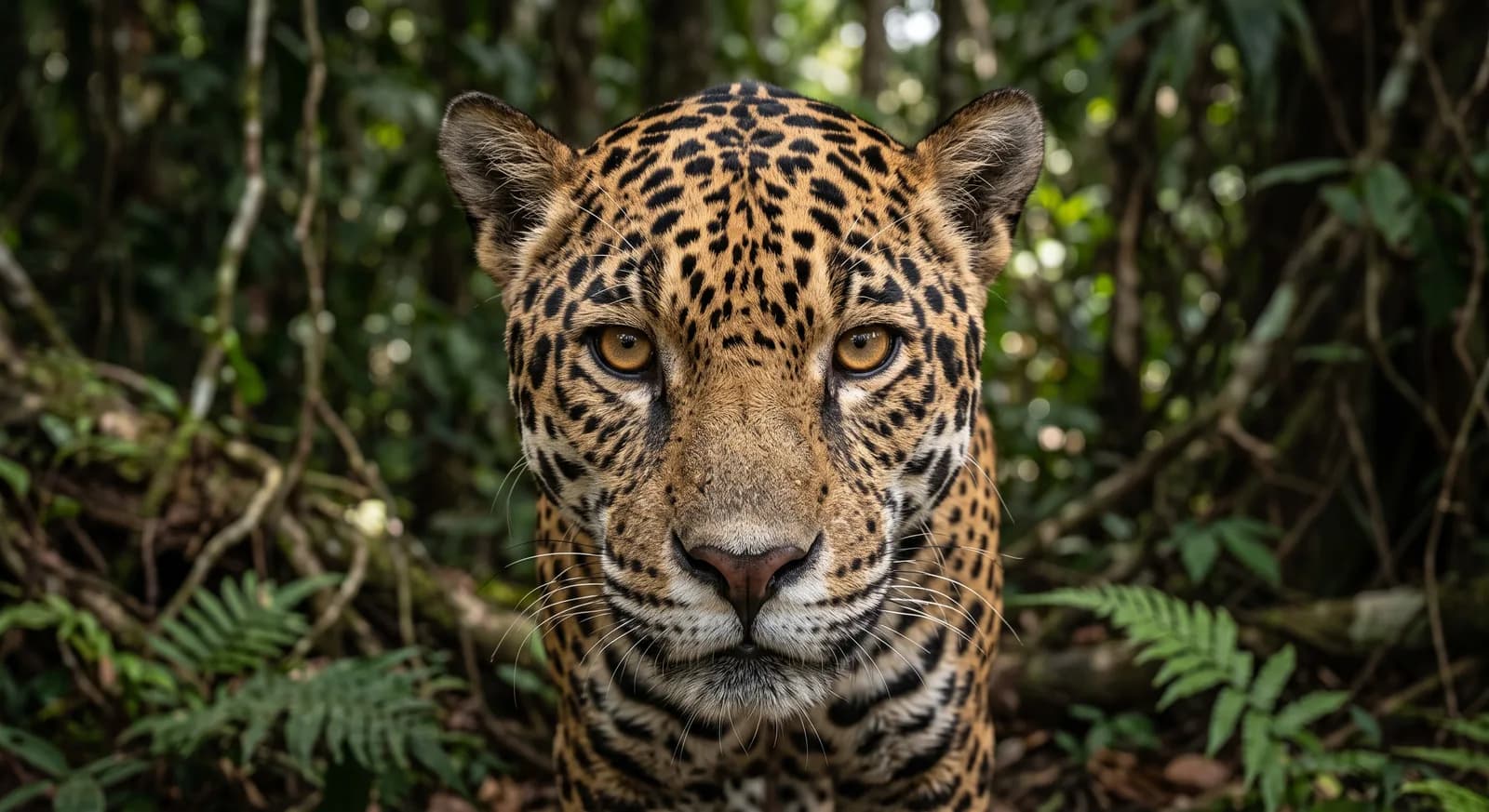
JaguarNear Threatened

Jaguar

Panthera onca

Least Concern

Water Opossum

Chironectes minimus

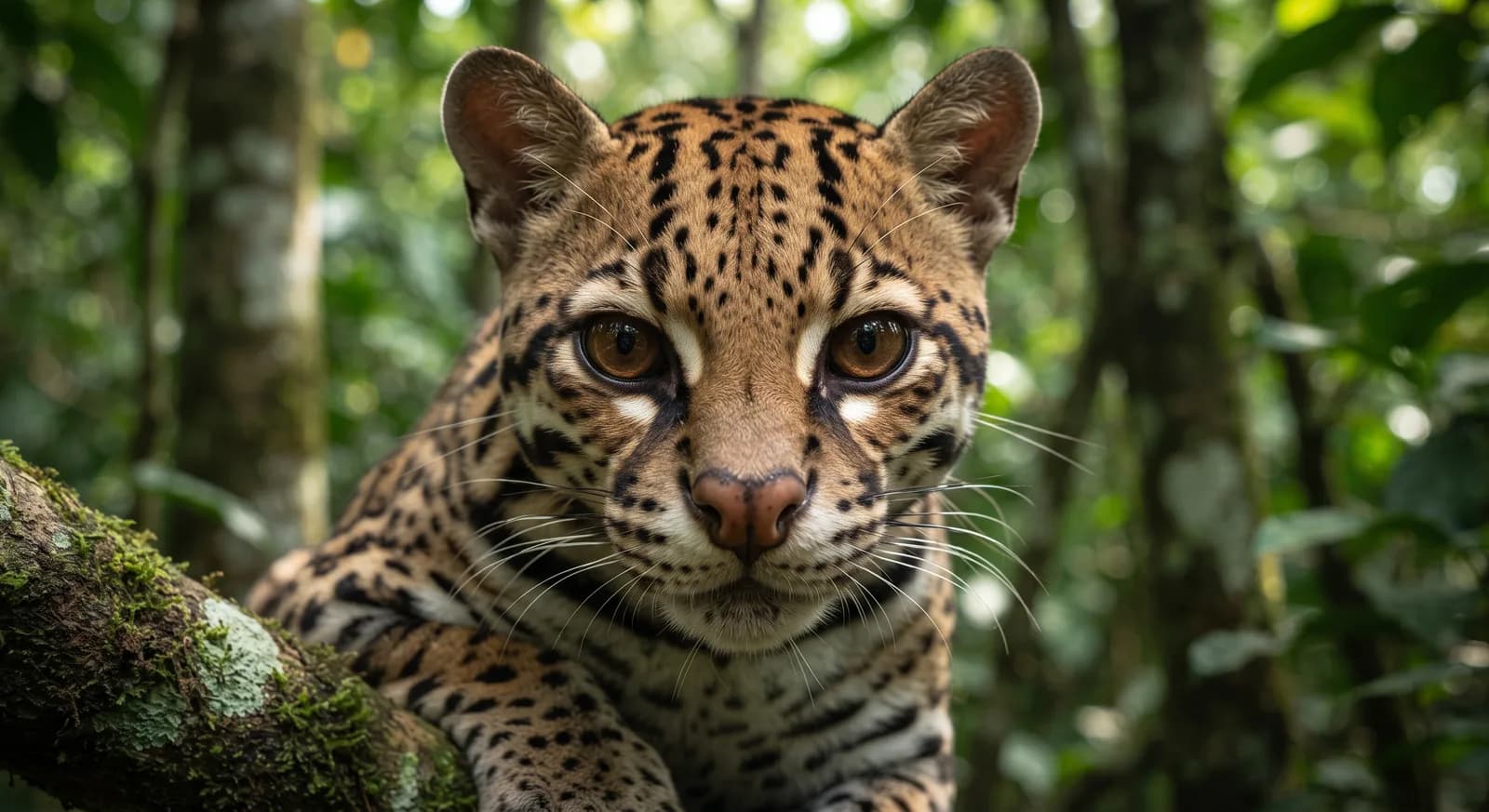
OcelotLeast Concern

Ocelot

Leopardus pardalis

Least Concern

Dwarf Caiman

Paleosuchus palpebrosus

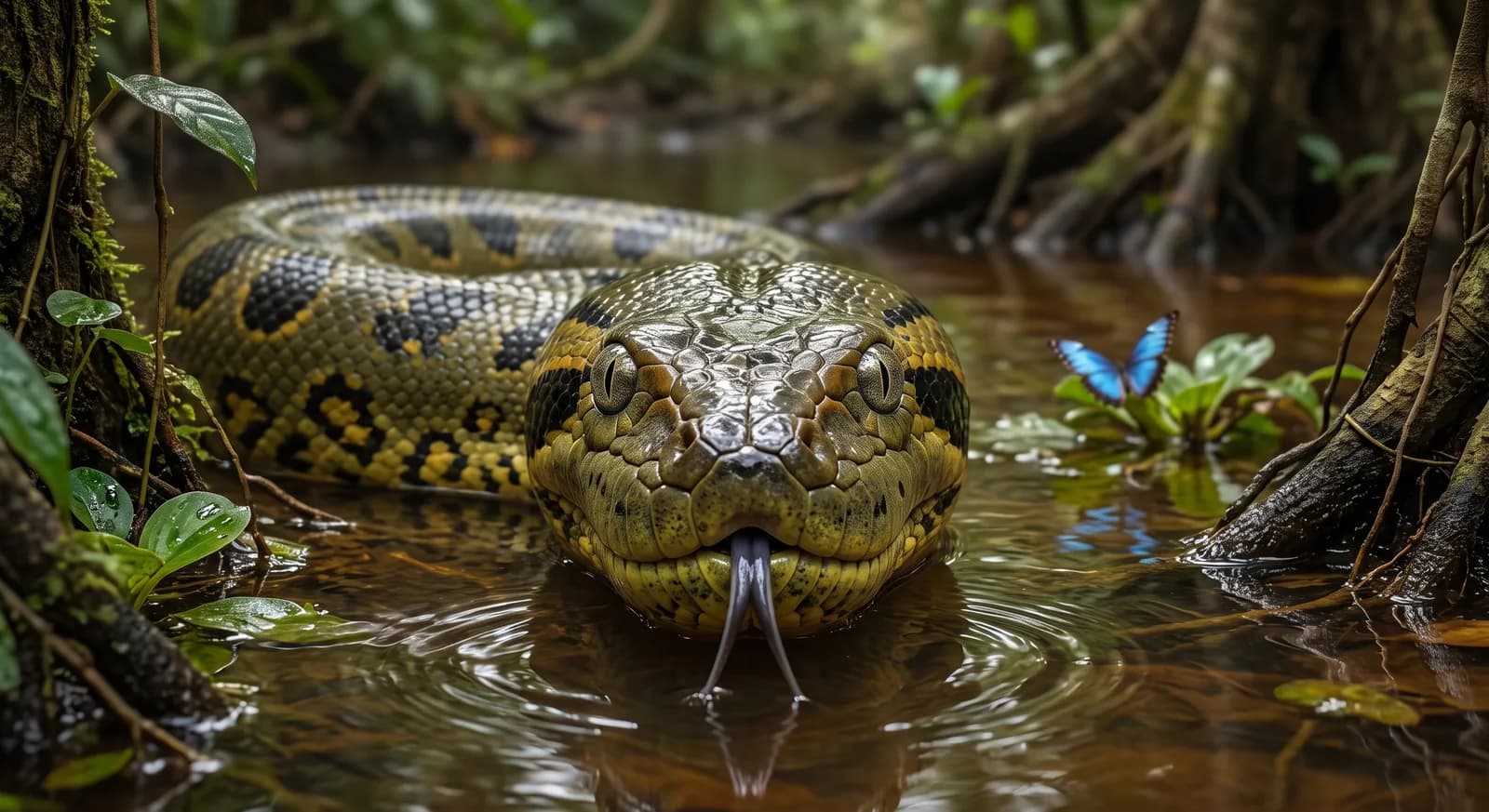
Green AnacondaLeast Concern

Green Anaconda

Eunectes murinus

Least Concern

Bearded Caecilia

Caecilia tentaculata

CountriesColombia
ParksAmacayacuColombia
TagsCarnivore
Carnivore
Nocturnal
Solitary
Rainforest
Velvet worm
Colombia
Venezuela