 Vulnerable
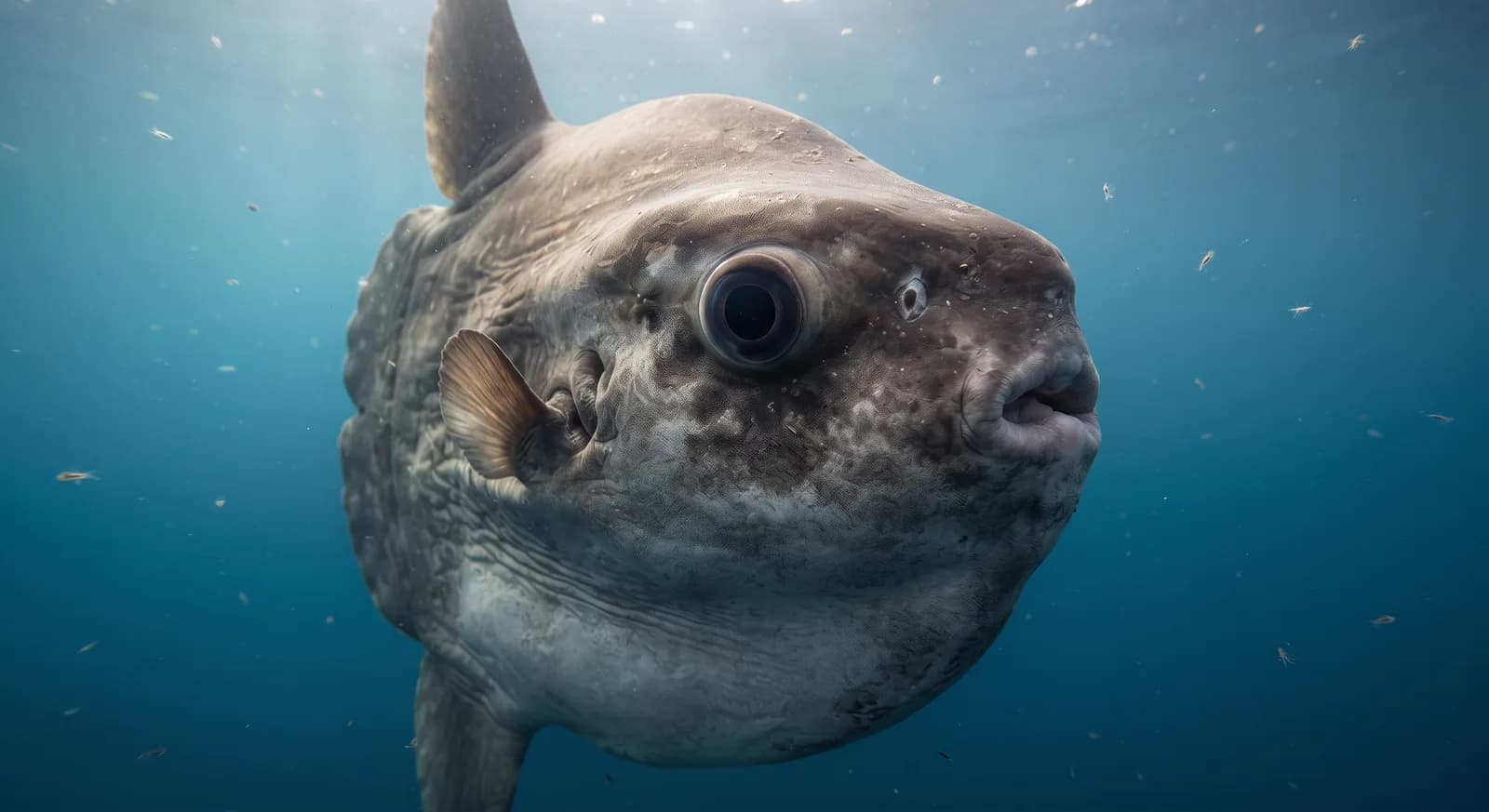
Ocean Sunfish
Mola mola
Europe
Ireland was cut off from the continent shortly after the last glaciation, before many land species managed to colonise it, which explains its reduced fauna and the complete absence of snakes. In return, its oceanic climate has produced singular ecosystems: blanket bogs that carpet the western mountains, raised bogs on the central lowlands and a coastline of cliffs where puffins, razorbills and shearwaters breed. The Burren, a limestone desert in Clare, is a botanical phenomenon hard to match, with Arctic and Mediterranean plants flowering together in the same crevices. Irish waters, declared a cetacean sanctuary, hold more than twenty species of whales and dolphins. The red deer of Killarney is the only continuous lineage of the species in the country, and the white-tailed eagle and the eagle owl have returned thanks to reintroduction projects begun in 2007.
National animal: The red deer is regarded as the national animal; the Irish hare is the emblematic endemic
The Irish hare is a subspecies unique to the island, distinct from the continental mountain hare: far older than Ireland's separation from Great Britain, it keeps its brown coat through most of the winter instead of turning white, because snow rarely covers the island. It is one of Ireland's oldest mammals and was already present during the last glacial maximum.
The historical draining of bogs for peat extraction destroyed most of the raised bogs, now being restored. The reintroduction of the white-tailed eagle and the red kite has brought back raptors lost more than a century earlier.
Skellig Michael and Great Saltee between May and July for puffins and gannets. The Cork and Kerry coast between June and November for humpback and minke whales. The Burren in May for its simultaneous flowering of Arctic and Mediterranean plants.
Where else might I want to travel?
Same region: Western Europe
Same region: Western Europe
Same region: Western Europe
Same region: Western Europe
576 species found
Based on what we already know about Ireland.