 Endangered
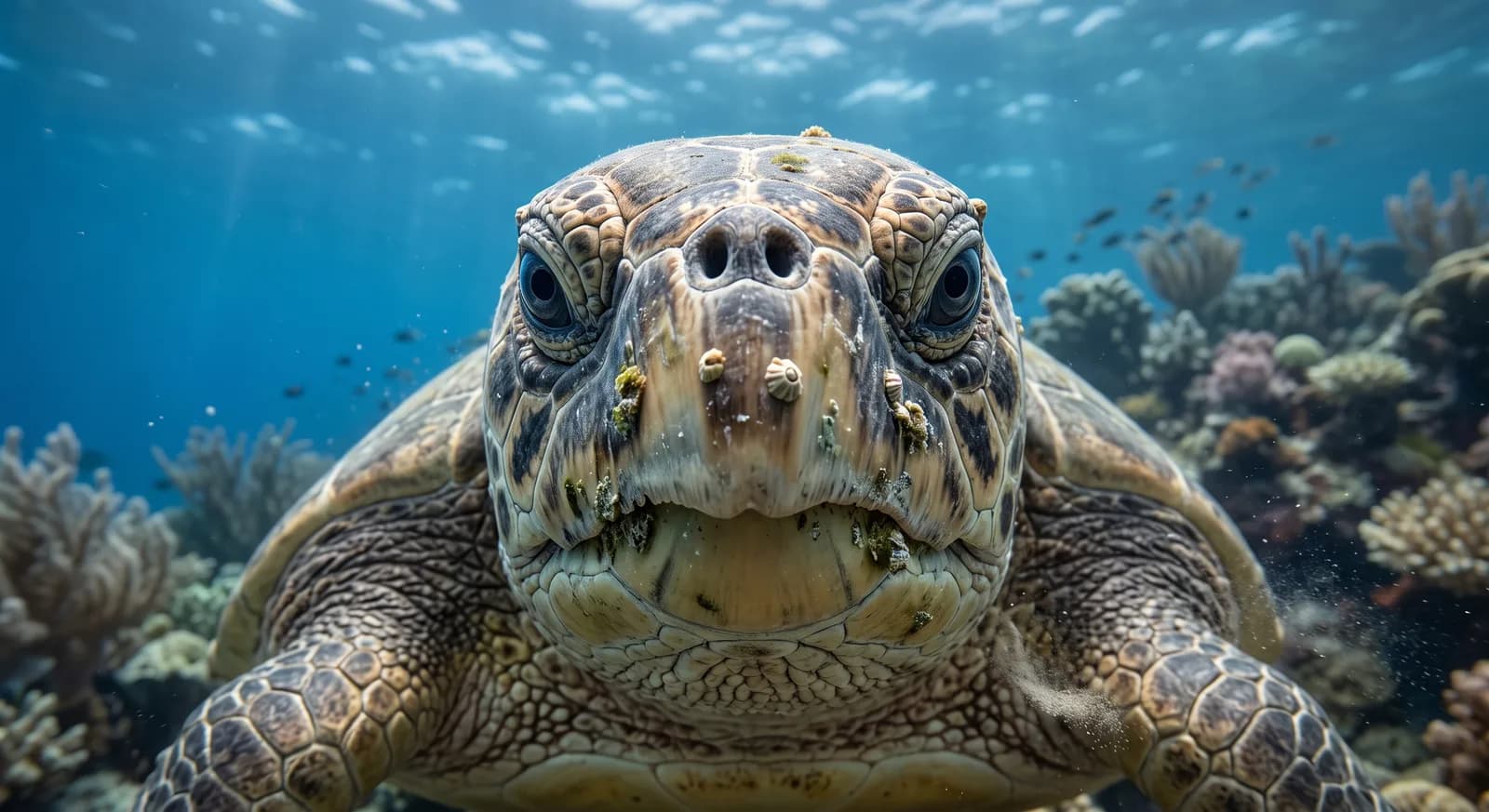
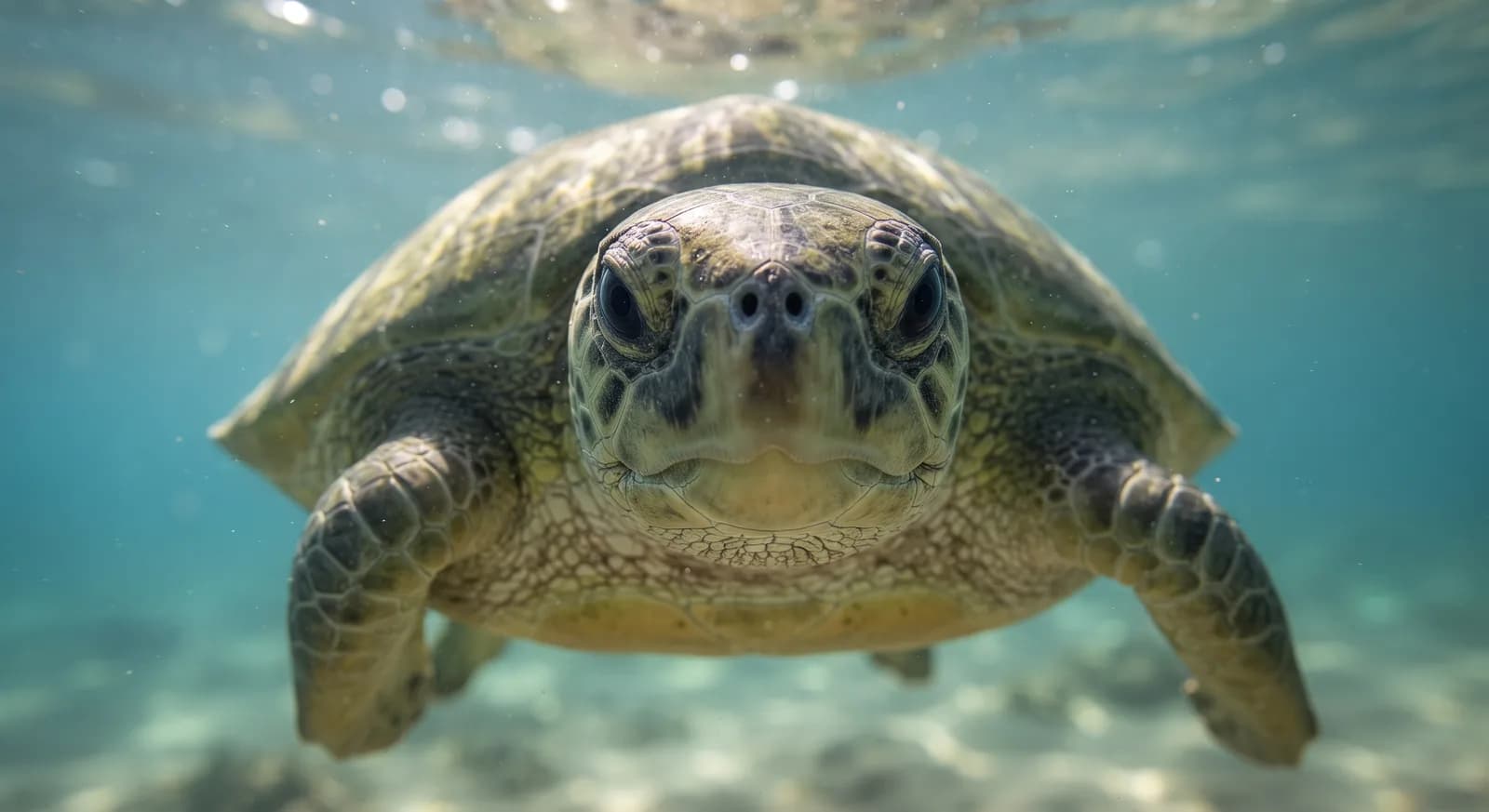
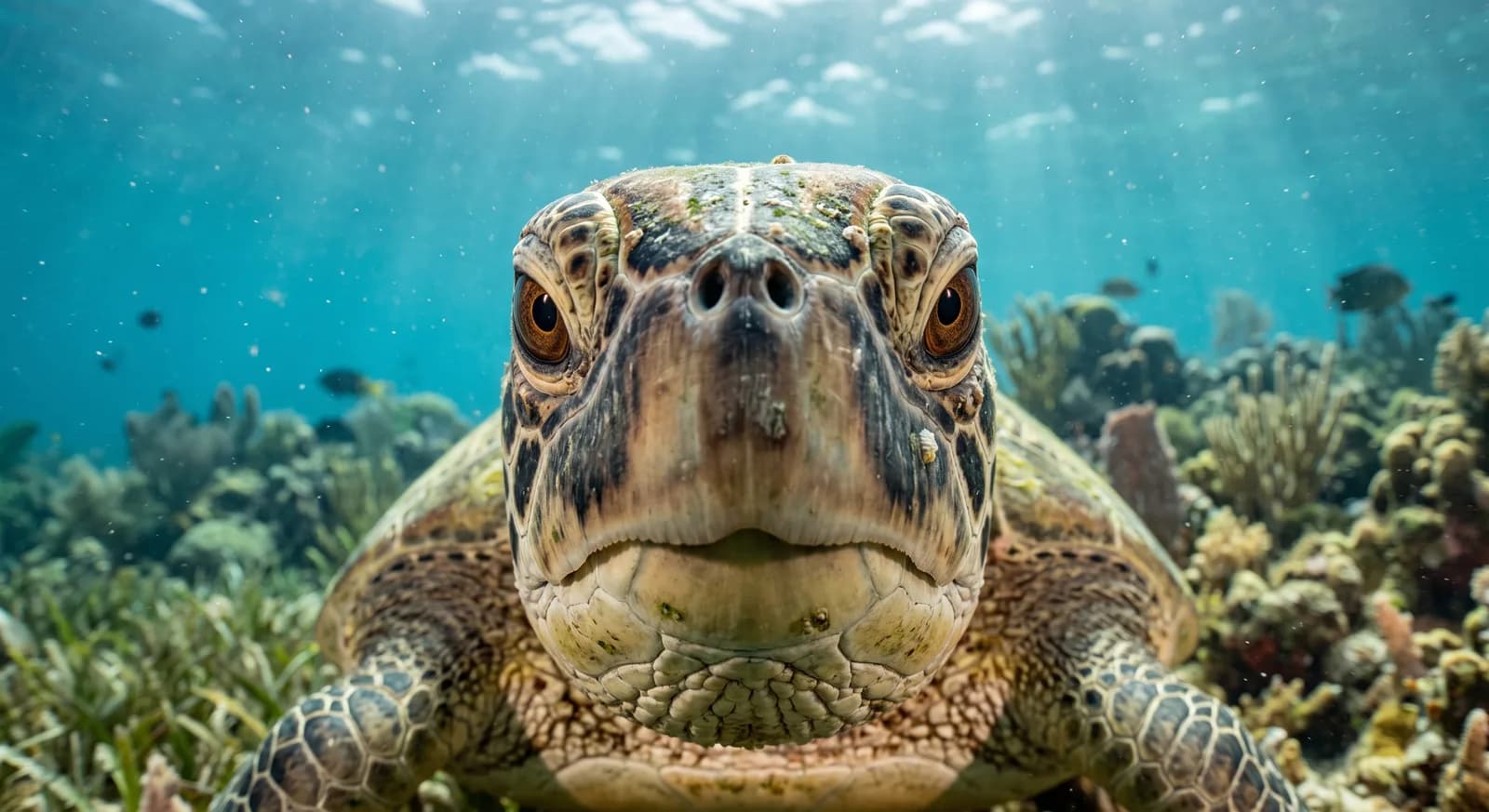
Green Turtle
Chelonia mydas
Africa
Mauritius is a volcanic island in the Indian Ocean ringed by an almost continuous coral barrier, with an interior of plateaus, steep peaks and gorges. Its natural history is one of the most dramatic on the planet: when the Europeans arrived in the sixteenth century, the island was covered in endemic forest and inhabited by a fauna with no fear of human beings, which disappeared within a few decades through hunting and through the rats, pigs and monkeys that were introduced. The dodo, a giant flightless pigeon, became extinct barely a century after its discovery and turned into the universal symbol of extinction. Today fragments of native forest survive in Black River Gorges and on satellite islets that work as arks, where the original vegetation and fauna have been rebuilt step by step.
National animal: The dodo, an extinct bird and the national emblem, present on the country's coat of arms
In 1974 only four Mauritius kestrels were known to be alive in the whole world, which made it the rarest bird on the planet. A captive breeding programme that collected the eggs to incubate them and prompted the females to lay again managed to multiply the population to several hundred birds in the wild. It is one of the most extreme recoveries in the history of conservation.
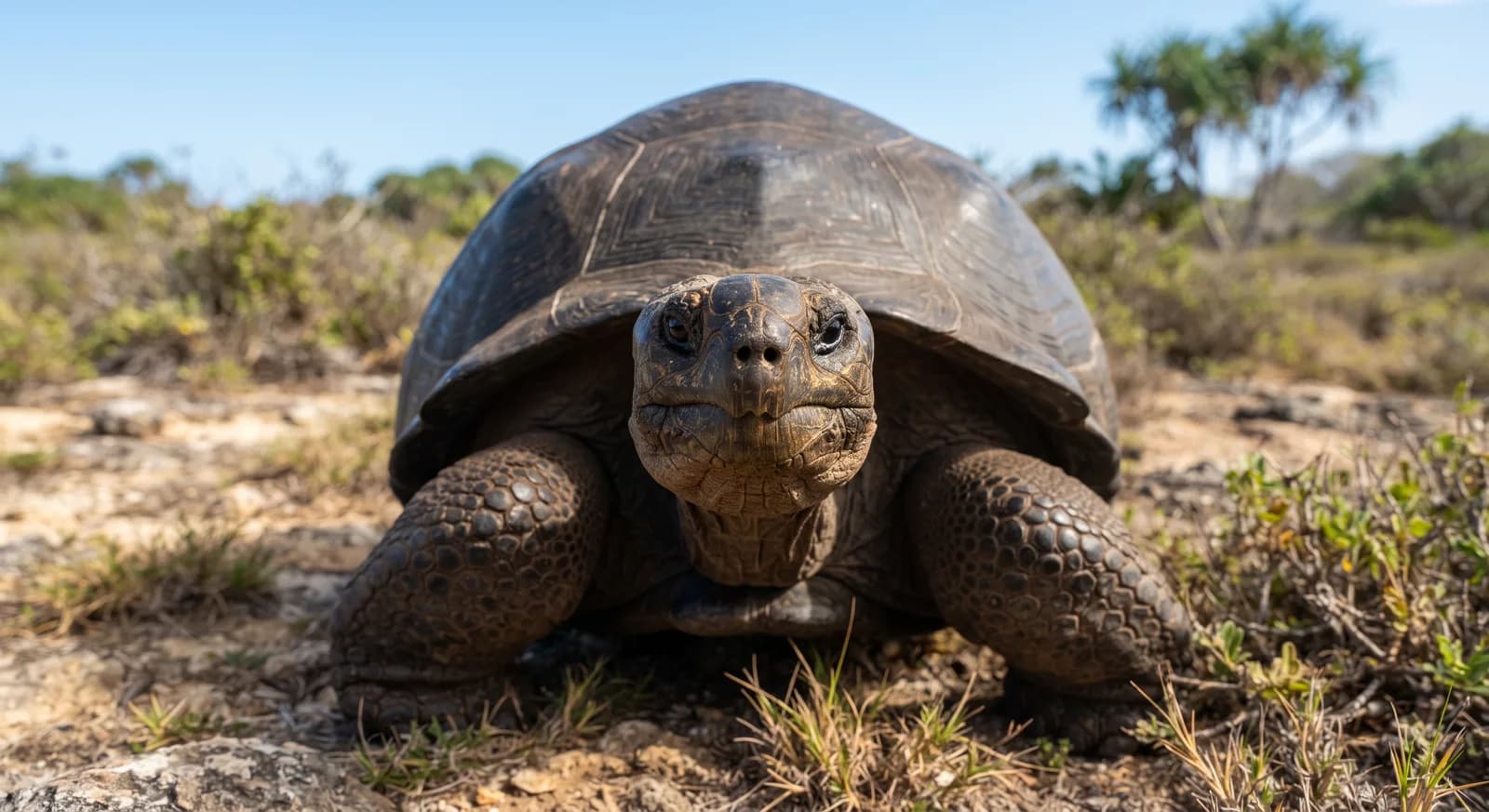
Mauritius is a world reference in island restoration: invasive species have been eradicated from several islets and plants, birds and reptiles have been reintroduced, even using Aldabra giant tortoises as ecological substitutes for the island's extinct tortoises.
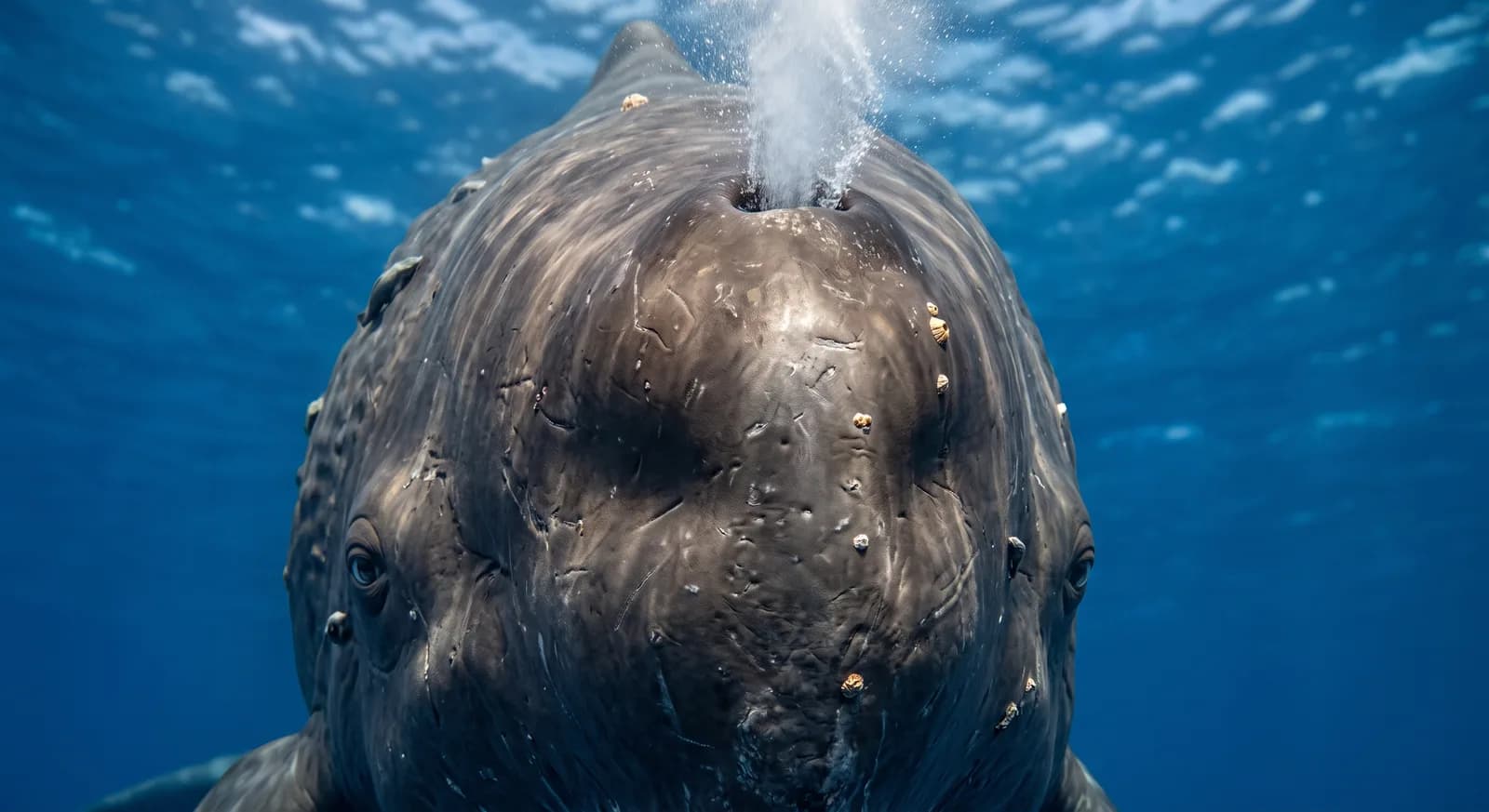
Black River Gorges year-round for endemic birds. Île aux Aigrettes for giant tortoises and restored forest. The western waters between July and October for humpback whales.
Where else might I want to travel?
Same region: Southern Africa
Same region: Southern Africa
Same region: Southern Africa
Same region: Southern Africa
129 species found
Based on what we already know about Mauritius.