Endangered
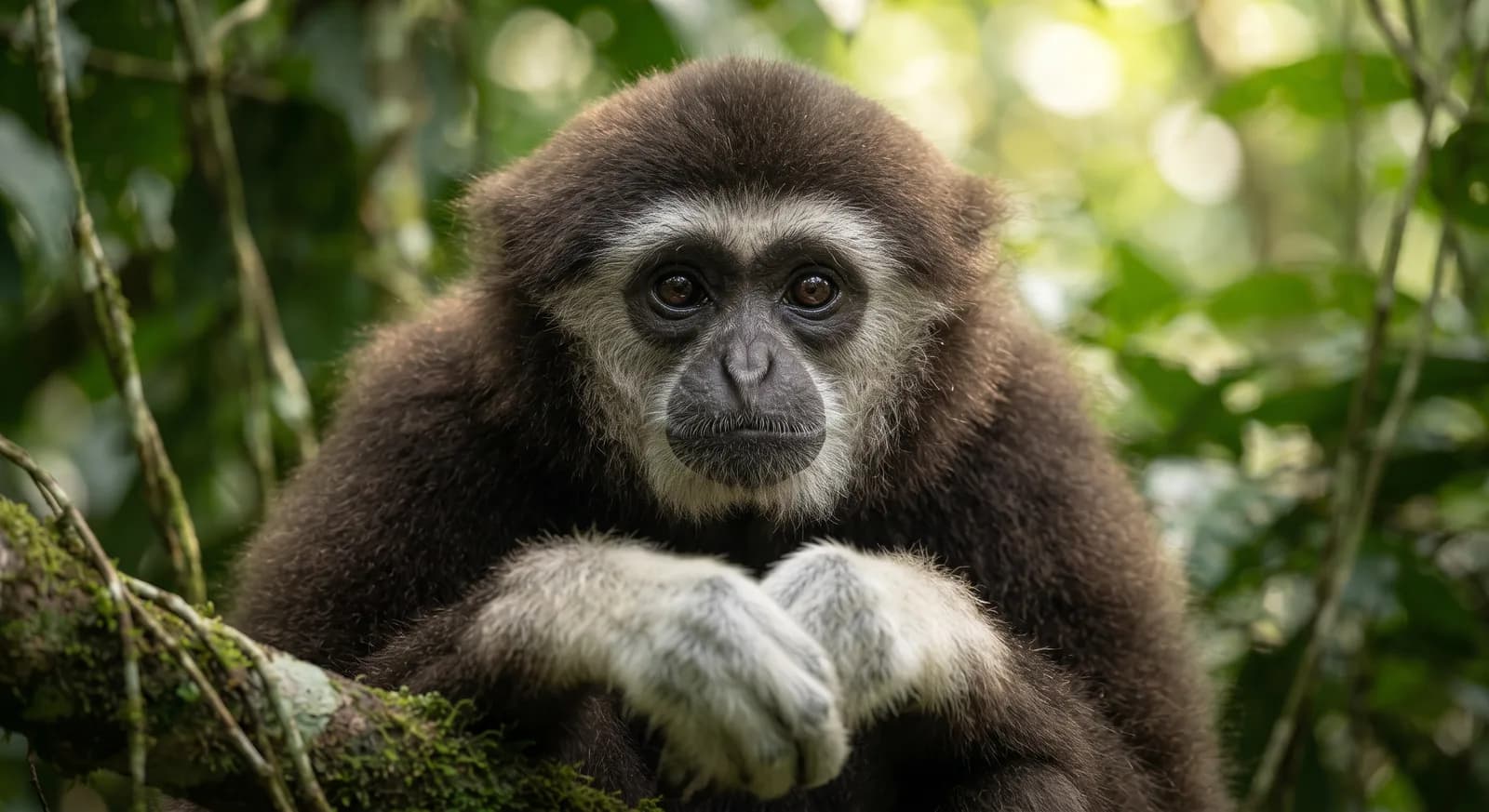
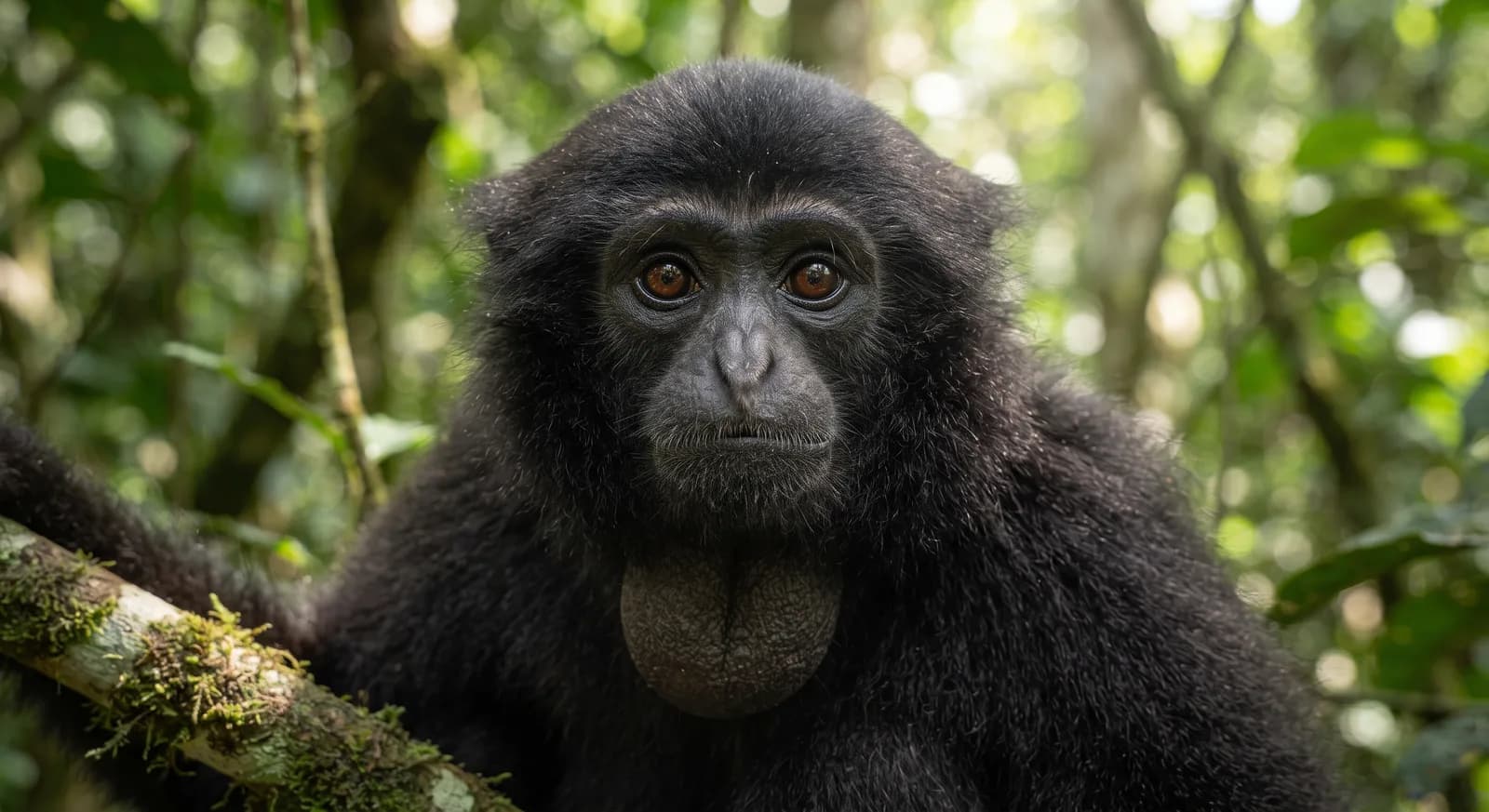
Agile Gibbon
Hylobates agilis
Asia
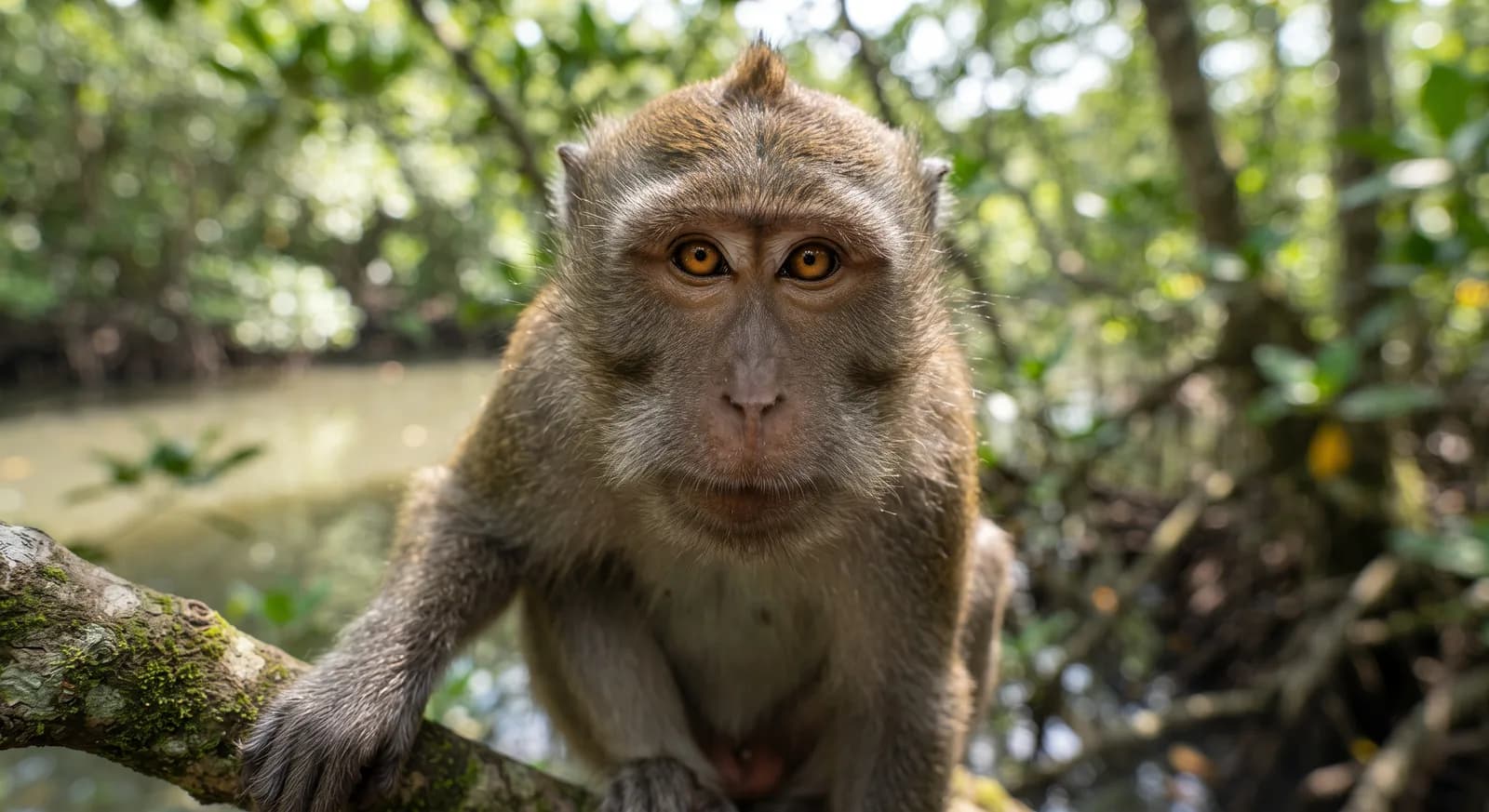
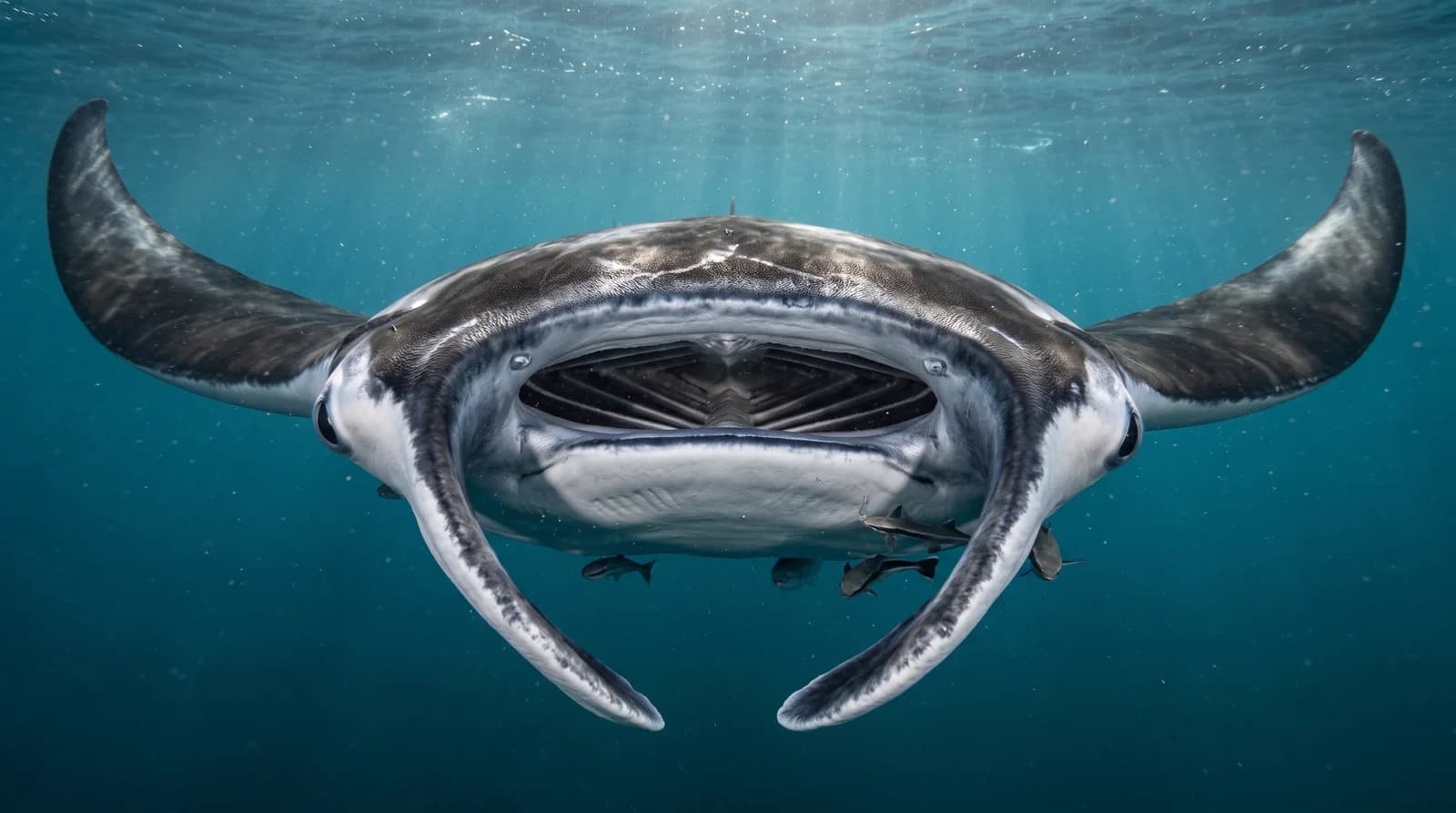
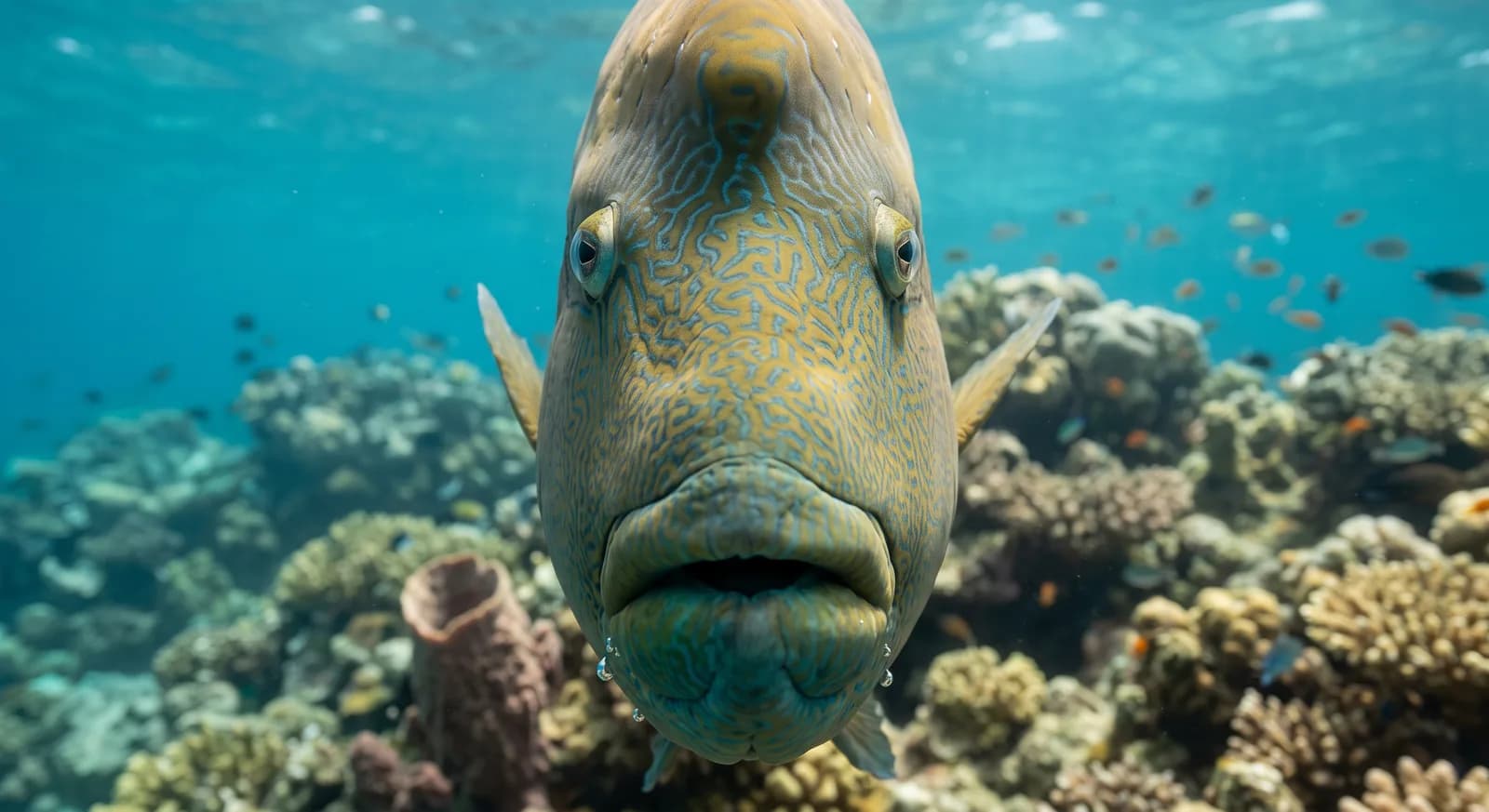
Singapore is an island city state that lost more than ninety-five per cent of its original forest during the nineteenth century and has made the rebuilding of urban nature a matter of state policy. It keeps a fragment of primary rainforest at Bukit Timah, mangroves and marshes at Sungei Buloh, a stopover on the East Asian migration corridor, and a network of parks linked by green corridors that allow wildlife to move between the fragments. The island also holds coral reefs among its southern islands, despite lying beside one of the busiest ports in the world. Species such as the Oriental pied hornbill, absent for decades, have returned thanks to artificial nest programmes and the maturing of the urban tree canopy.
National animal: No official national animal; the lion gives the country its name and is its foremost symbol
Smooth-coated otters disappeared from Singapore because of river pollution and came back on their own from Malaysia when the water improved. Since 2014 they have settled right in the city centre: there are families that live in canals beside skyscrapers, cross roads, enter gardens and are followed daily by volunteers. The city has had to learn to live alongside them, with traffic protocols and wildlife crossings.
The country applies a "city in a garden" model, with ecological corridors, green roofs and wildlife crossings over motorways. The spontaneous recovery of otters and hornbills is cited as evidence that wildlife returns when water quality and tree cover improve.
Marina Bay and the city-centre canals at dawn for otters. Sungei Buloh between September and March for migratory waders. Pulau Ubin year-round for hornbills and monitor lizards.
214 species found
Based on what we already know about Singapore.