Skip to content
WAnimals
  • Map
  • Species
  • Parks
  • Diving
Log inCreate account
WAnimals

The guide for travellers and animal lovers: discover, plan and share your wild adventures around the world.

Discover wildlife

  • Species
  • Ecosystems
  • Glossary
  • Tags

Explore places

  • Map
  • Countries
  • Parks
  • Diving

Plan experiences

  • Guides

Learn

  • Blog

Resources

  • Help centre
  • Contact
  • Install the app

Follow us

Account

  • Log in
  • Create account

© 2026 WAnimals. All rights reserved.

About usHow we build our profilesTerms of servicePrivacyLegal notice
MapSpeciesParksDiving
  1. Home
  2. Species
  3. Green Peafowl

One of the 4 peafowls on WAnimals

Green Peafowl (Pavo muticus)

Birds · Galliformes · Phasianidae

Green Peafowl

Pavo muticus

Endangered

At very high risk of extinction in the wild in the near future.

Spotted something wrong?

The green peafowl is the East Asian relative of the common Indian peafowl, larger, more slender and a uniform metallic green rather than the Indian bird's blue. Its ornamental train can exceed two metres. It once occupied the whole of South-East Asia, from north-eastern India to Java, and today survives in populations heavily fragmented by hunting, egg collecting and the loss of the open dry forest on which it depends.

Weight

3 kg – 5 kg

Size

1 m – 3 m

Life expectancy

20 years
Diet

Omnivore

Combines animal and plant food depending on availability.

Activity

Diurnal

Active mainly during the day.

Sighting difficulty

Hard

RainforestTemperate forestGrassland
13countries16parks21same family

AI-generated images: illustrations, not photographs.

Fun facts

  • Unlike the Indian peafowl, whose females are brown and unobtrusive, in this species both sexes are iridescent green: only the male grows the ornamental train.
  • The fan it spreads is not the tail but the upper tail coverts: the real tail is short and stays hidden behind, holding the structure up from within.

Life cycle and biology

Skeleton type
Vertebrate - internal bony skeleton (bird)
Habitat and environment
Open dry forest, riverine woodland and wooded savannah of South-East Asia
Sexual maturity
3 years
Gestation / incubation
28 days of incubation
Litter / clutch size
4 eggs

Sources consulted: https://www.iucnredlist.org/ | https://animaldiversity.org/ | https://es.wikipedia.org/

Where to find it

Loading map…

The pins mark the parks where its presence is documented.

Where to see it

Parks and dive sites where this species has been documented — showing 10 of 16.

Related species

Other species in the catalogue with the most in common with Green Peafowl — same habitat, park, country, tags or family.

Same taxonomic family
Shares a park
Shares a park
Shares a park
Shares a park
Shares a park

How to help

The green peafowl is classified as endangered. Organisations such as the IUCN, WWF and the Wildlife Conservation Society work specifically on its conservation and that of its habitat; looking into their programmes is a good starting point if you want to get involved.

It's documented in 7 protected areas — one reason why protecting these places matters for its conservation.

Keep exploring

Based on what we already know about green peafowl.

Comments

Share an experience, a fun fact or a tip for seeing the green peafowl.

Be the first to comment.

See full glossary
This page in other languages: Español · Deutsch · Français · Português · Italiano
See its range on the interactive map→
Khao YaiThailand
BokorCambodia
Nam Et-Phou Louey National Protected AreaLaos
Bromo Tengger SemeruIndonesia
Ujung KulonIndonesia
Cat TienVietnam
XishuangbannaChina
Alaungdaw KathapaMyanmar
Inle LakeMyanmar
ViracheyCambodia
See all 16 parks
Vulnerable

Great Argus

Argusianus argus

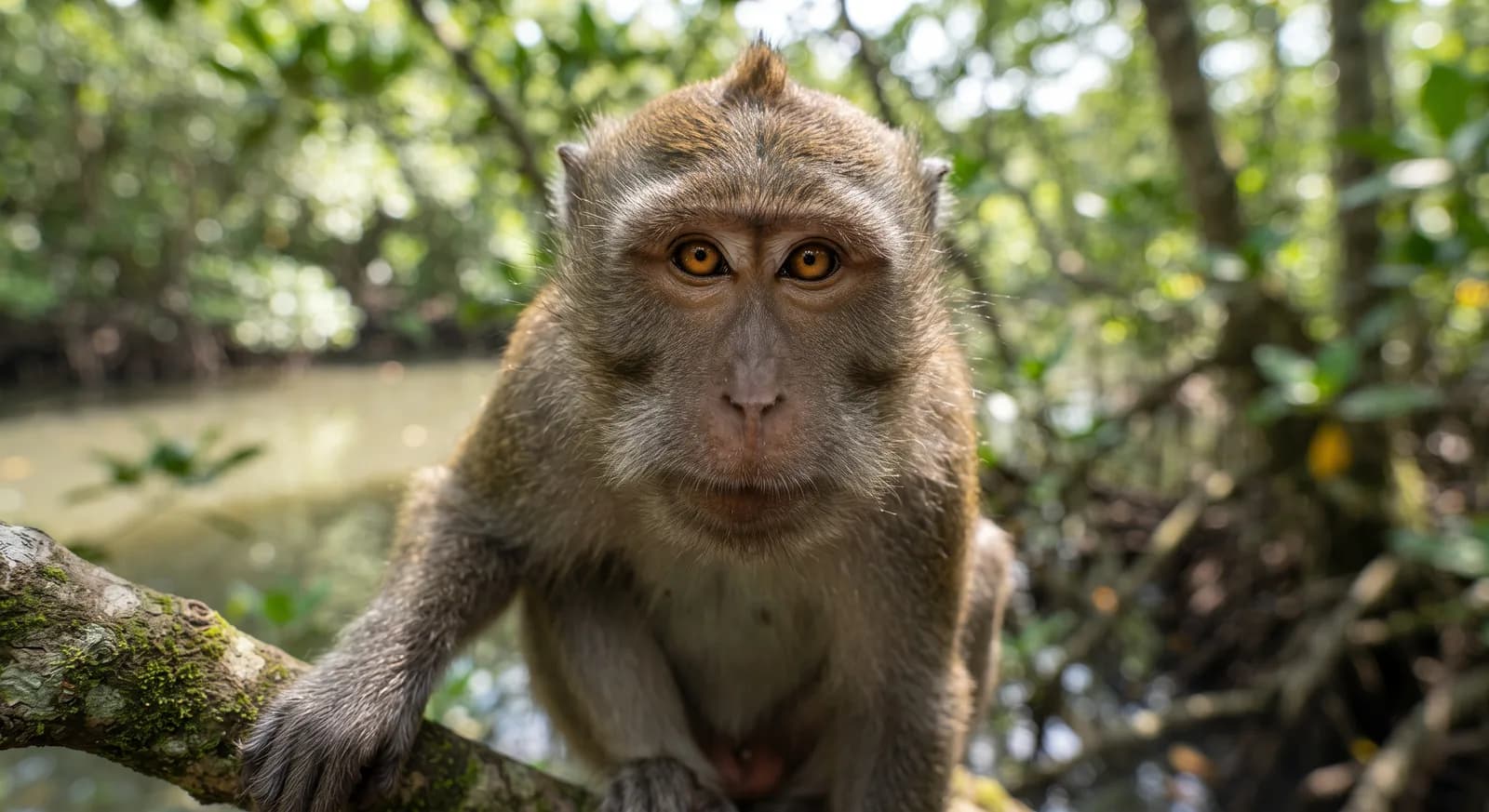
Long-tailed MacaqueEndangered

Long-tailed Macaque

Macaca fascicularis

Endangered

Southeast Asian Box Turtle

Cuora amboinensis

Endangered

Southern Pig-tailed Macaque

Macaca nemestrina

Endangered

Bengal Slow Loris

Nycticebus bengalensis

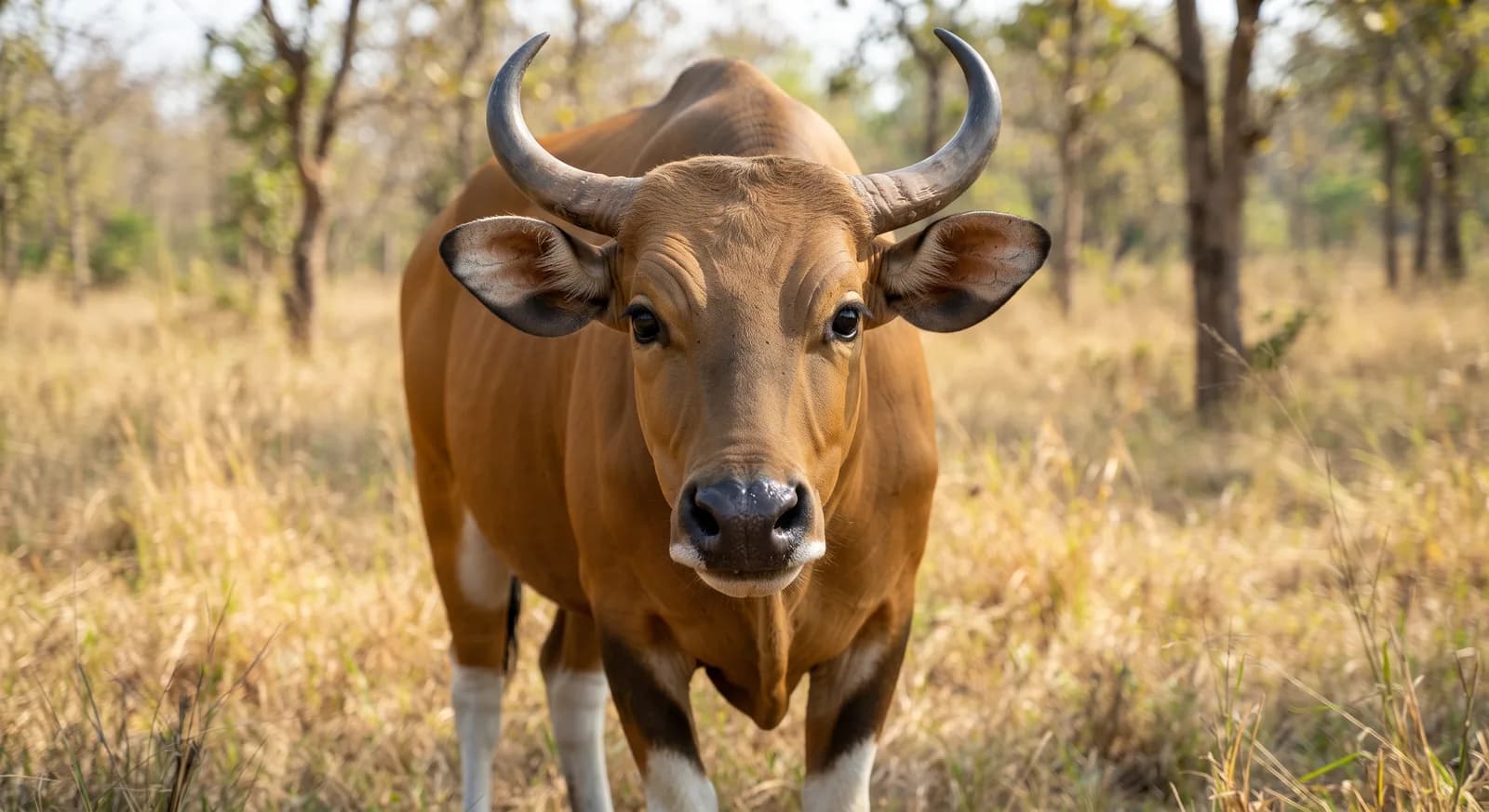
BantengEndangered

Banteng

Bos javanicus

CountriesIndonesia
ParksKhao YaiThailand
TagsOmnivore
Omnivore
Diurnal
Endangered
Bird
Rainforest
Temperate forest
Grassland
Indonesia
Thailand
Cambodia
Laos
Myanmar
Vietnam
Brunei
Cambodia
China
Indonesia
Laos
Malaysia
Myanmar
Philippines
Singapore
Taiwan
Thailand
Timor-Leste
Vietnam