 Endangered
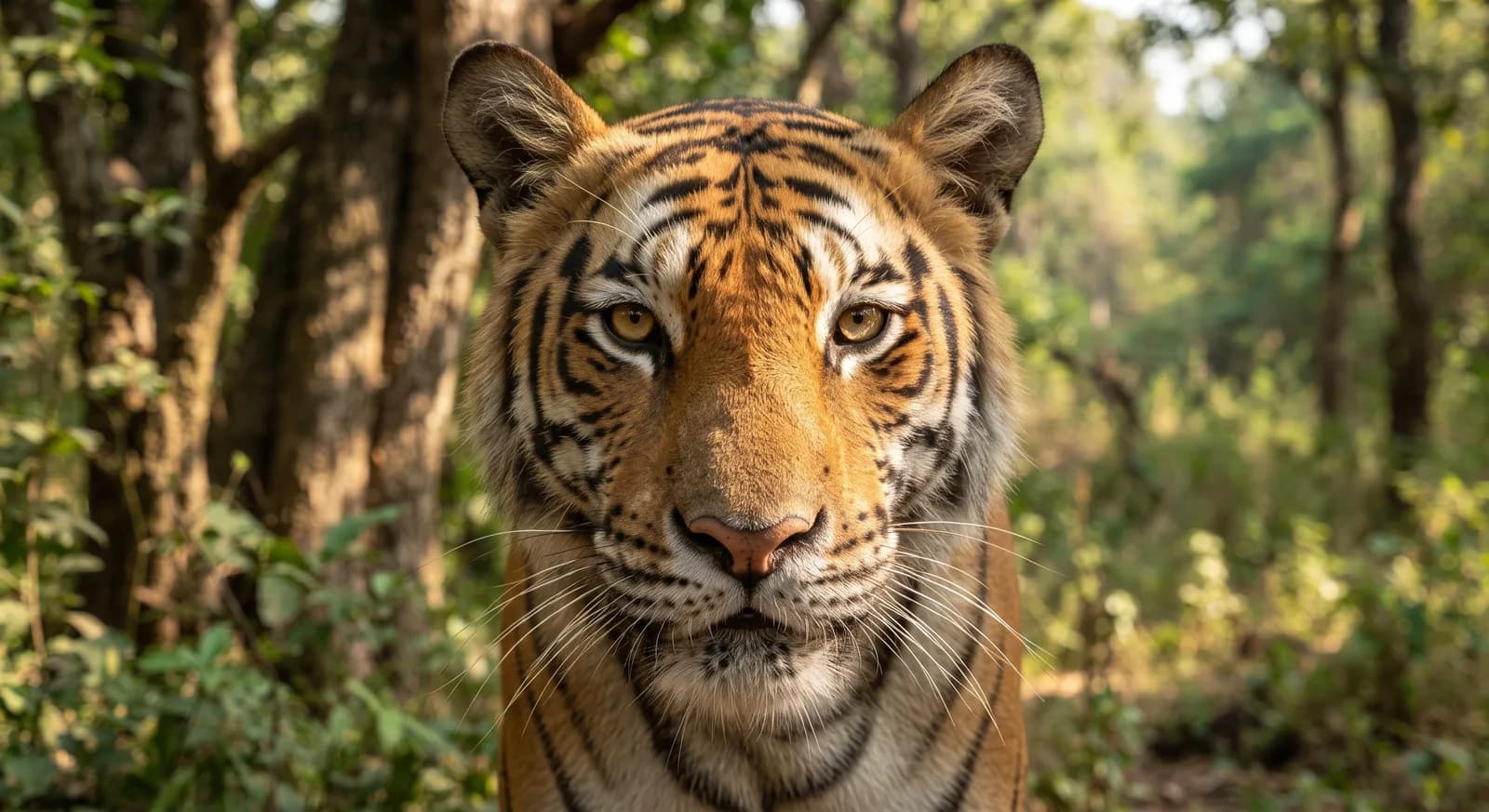
Tiger
Panthera tigris
Asia
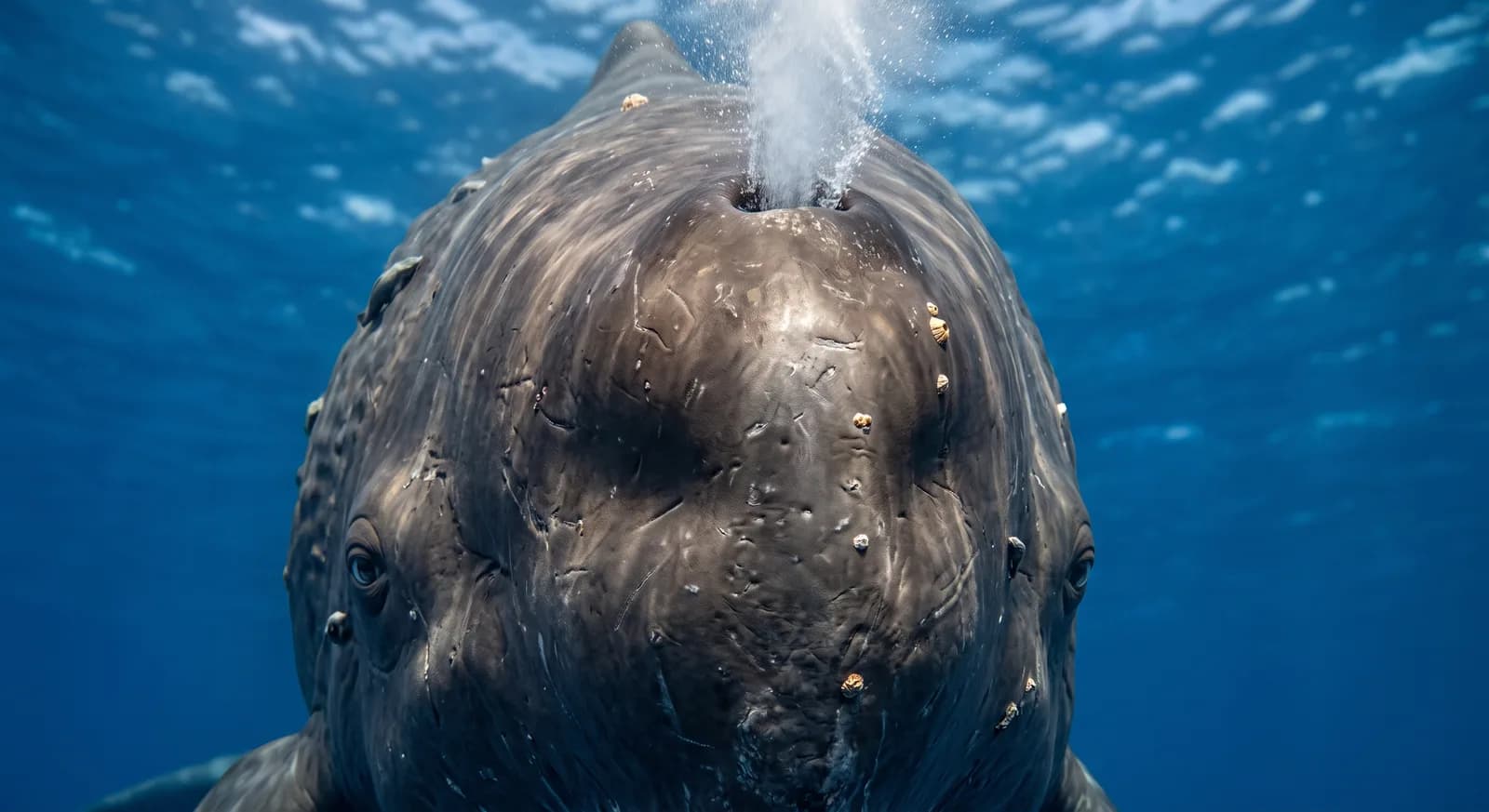
East Timor occupies the eastern half of a dry, mountainous island in the Lesser Sunda Islands, with an interior of ranges rising above two thousand nine hundred metres, eucalyptus and sandalwood woodland and a wetter southern slope. Its great heritage is marine: the Ombai-Wetar Strait, a deep channel that separates the island from its neighbours, works as an underwater motorway along which thousands of cetaceans travel every year, among them blue whales, in one of the best-documented migration corridors in the Indian Ocean. The island of Atauro, off Dili, holds reefs with an exceptional diversity of fish. Nino Konis Santana park, the country's first, combines tropical forest, coastline and the sacred island of Jaco, uninhabited by tradition.
National animal: The saltwater crocodile, the emblematic animal bound to the country's founding myth
Timorese tradition tells that the island was born from a giant crocodile that carried a boy on its back and, on dying, turned into the mountainous land its inhabitants walk on today. That is why the saltwater crocodile is called grandfather and respected as an ancestor, is not hunted and in some communities receives offerings, a cultural bond that coexists with the fact that the species is the largest and most dangerous reptile on the planet.
A 2016 study concluded that the waters of Atauro show the highest average diversity of reef fish recorded anywhere in the world per survey site. The country has declared marine protected areas managed under traditional community rules called tara bandu.
The Ombai strait between October and December for blue whales and cetaceans. Atauro year-round for reefs. Nino Konis Santana in the dry season for endemic birds.
189 species found
Based on what we already know about Timor-Leste.