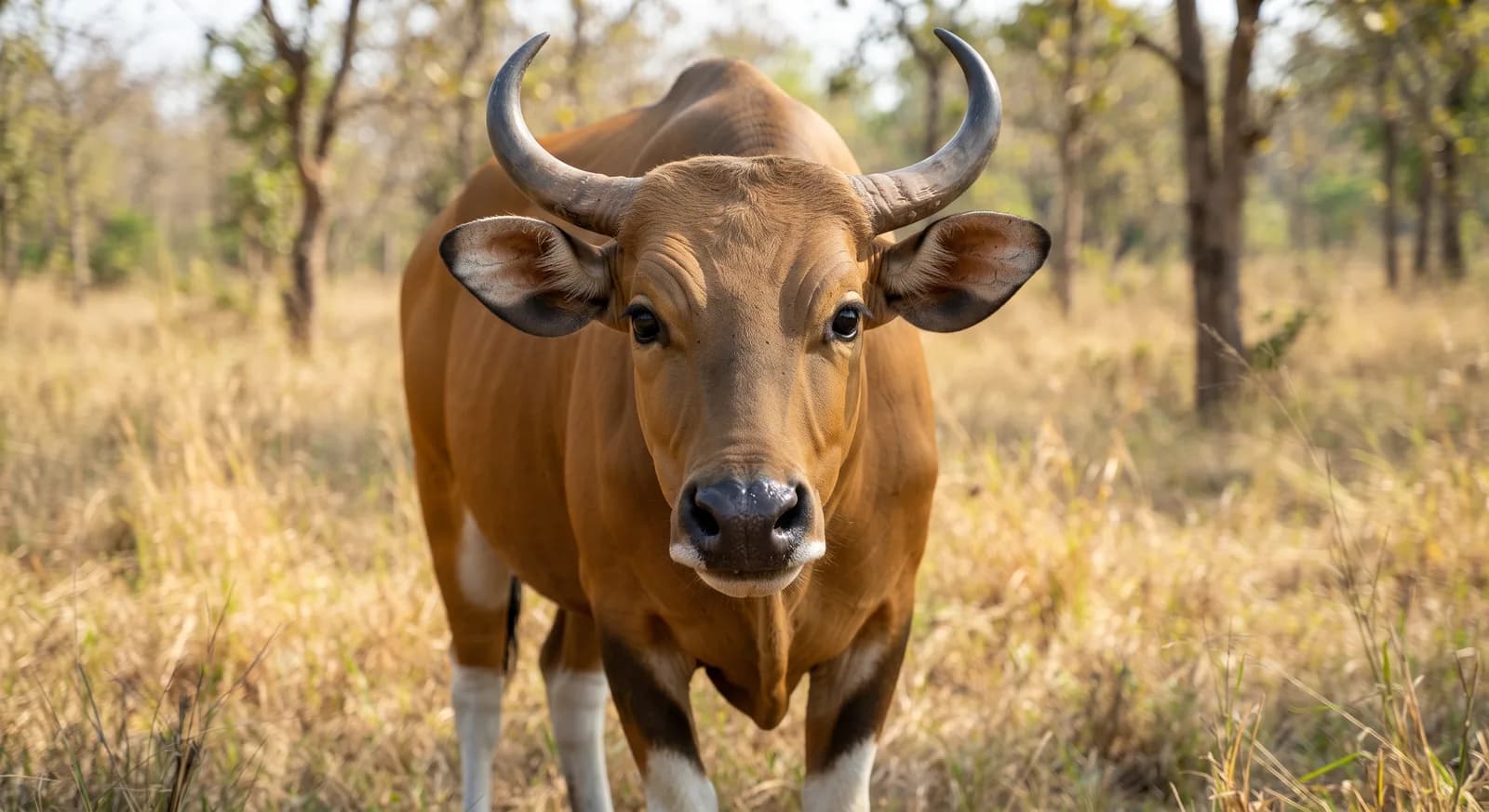
One of the 8 flying foxes on WAnimals
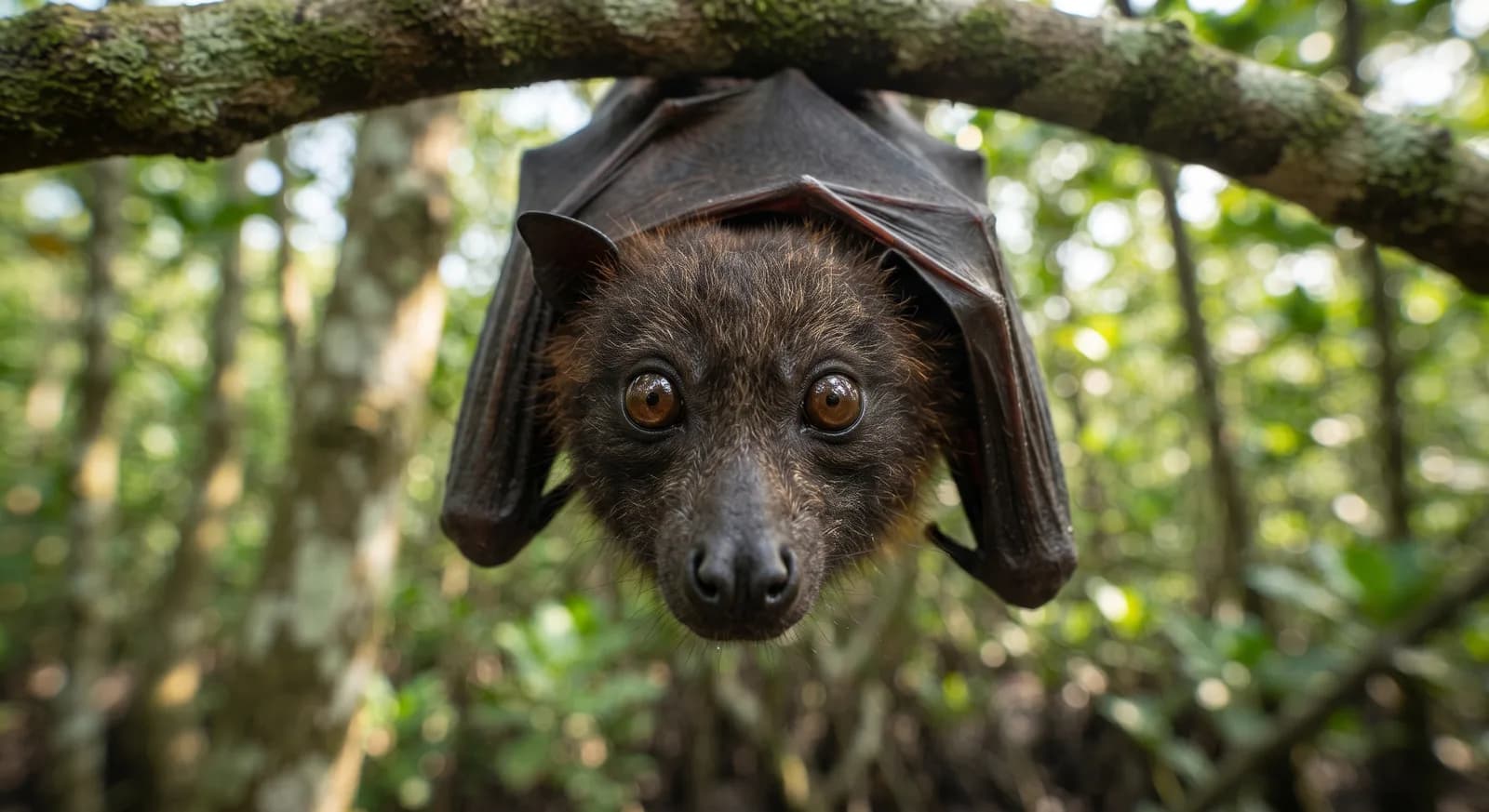
Mammals · Chiroptera · Pteropodidae
Pteropus vampyrus
At very high risk of extinction in the wild in the near future.
It is one of the largest bats in the world, with a wingspan of up to 1.5 metres, and plays a crucial ecological role as a pollinator and seed disperser.
Weight
600 g – 1.1 kg
Life expectancy
15 years
Diet
Frugivore
Feeds mainly on fruit.
Activity
Nocturnal
Active mainly at night.
Social structure
Colony
Lives in large concentrations, often for breeding reasons.
AI-generated images: illustrations, not photographs.
Sources consulted: AnAge (genomics.senescence.info) · Animal Diversity Web · Animal Spot · Animalia.bio · Facts and Details · AnimalHub · U.S. Fish and Wildlife Service
The pins mark the parks where its presence is documented.
Parks and dive sites where this species has been documented — showing 10 of 15.
Other species in the catalogue with the most in common with Large Flying-fox — same habitat, park, country, tags or family.
The large flying-fox is classified as endangered. Organisations such as the IUCN, WWF and the Wildlife Conservation Society work specifically on its conservation and that of its habitat; looking into their programmes is a good starting point if you want to get involved.
It's documented in 9 protected areas — one reason why protecting these places matters for its conservation.
Based on what we already know about large flying-fox.