Skip to content
WAnimals
  • Map
  • Species
  • Parks
  • Diving
Log inCreate account
WAnimals

The guide for travellers and animal lovers: discover, plan and share your wild adventures around the world.

Discover wildlife

  • Species
  • Ecosystems
  • Glossary
  • Tags

Explore places

  • Map
  • Countries
  • Parks
  • Diving

Plan experiences

  • Guides

Learn

  • Blog

Resources

  • Help centre
  • Contact
  • Install the app

Follow us

Account

  • Log in
  • Create account

© 2026 WAnimals. All rights reserved.

About usHow we build our profilesTerms of servicePrivacyLegal notice
MapSpeciesParksDiving
  1. Home
  2. Species
  3. Indian Flying Fox

One of the 8 flying foxes on WAnimals

Mammals · Chiroptera · Pteropodidae

Indian Flying Fox

Pteropus giganteus

Least Concern

The species is abundant and widely distributed; it faces no significant short-term risk.

Spotted something wrong?

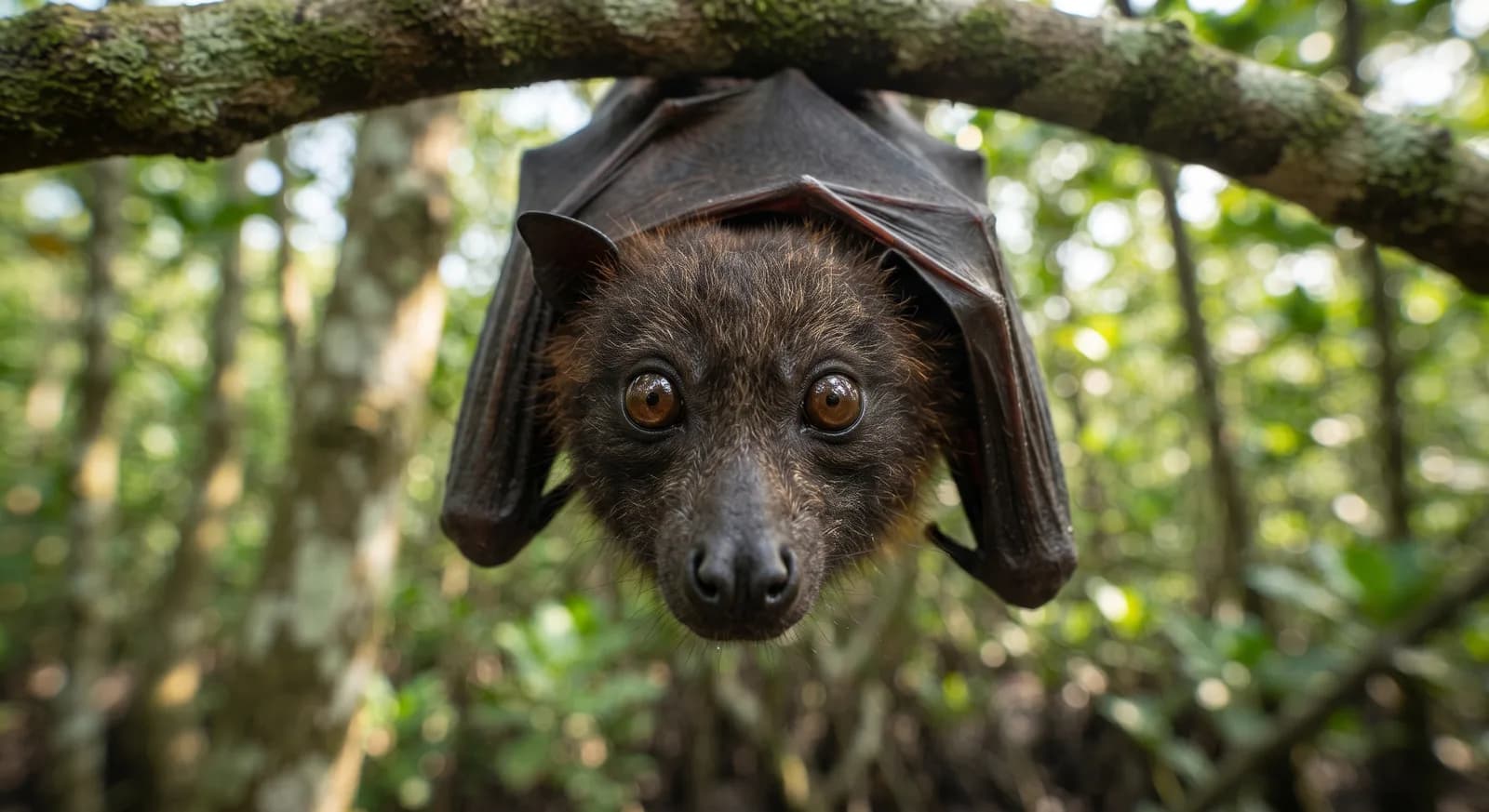
It is one of the largest bats in the world by wingspan. It forms colonies of hundreds to thousands in a single tree.

Weight

600 g – 1.6 kg

Size

20 cm – 30 cm

Diet

Frugivore

Feeds mainly on fruit.

Activity

Nocturnal

Active mainly at night.

Social structure

Colony

Lives in large concentrations, often for breeding reasons.

Sighting difficulty

Easy

Rainforest
8countries35parks9same family

Fun facts

  • It is one of the largest bats in the world by wingspan, at up to 1.5 metres.
  • It forms colonies of hundreds to thousands in a single tree.
  • Males follow a vertical dominance hierarchy according to where in the tree they roost.

Life cycle and biology

Skeleton type
Vertebrate - internal bony skeleton (mammal)
Habitat and environment
Woodland, towns and farmland of the Indian subcontinent, forming large colonies in trees
Birth weight
45 grams
Size at birth
Well developed, clinging to its mother for its first few weeks
Sexual maturity
1-2 years
Gestation / incubation
140-150 days (~4.5-5 months)
Litter / clutch size
1 to 2 young (most commonly 1)
Life expectancy in captivity
Documented record of 44 years in captivity

Sources consulted: AnAge (genomics.senescence.info); The Website of Everything; Encyclopedia of Life; Animal Diversity Web; Britannica; Animalia.bio; JRank Articles; PMC (copulation behavior study)

Where to find it

Loading map…

The pins mark the parks where its presence is documented.

Where to see it

Parks and dive sites where this species has been documented — showing 10 of 35.

Related species

Other species in the catalogue with the most in common with Indian Flying Fox — same habitat, park, country, tags or family.

Same taxonomic family
Shares a park
Same taxonomic family
Shares a park
Same taxonomic family

Keep exploring

Based on what we already know about indian flying fox.

Comments

Share an experience, a fun fact or a tip for seeing the indian flying fox.

Be the first to comment.
See full glossary
This page in other languages: Español · Deutsch · Français · Português · Italiano
See its range on the interactive map→
Chitwan National ParkNepal
SundarbansIndia
RanthamboreIndia
GirIndia
PeriyarIndia
Jim CorbettIndia
YalaSri Lanka
Keoladeo (Bharatpur)India
KanhaIndia
BandhavgarhIndia
See all 35 parks
Least Concern

Greater Shortnosed Fruit Bat

Cynopterus sphinx

Least Concern

Egyptian Rousette

Rousettus aegyptiacus

Least Concern

Greater False Vampire

Megaderma lyra

Large Flying-foxEndangered

Large Flying-fox

Pteropus vampyrus

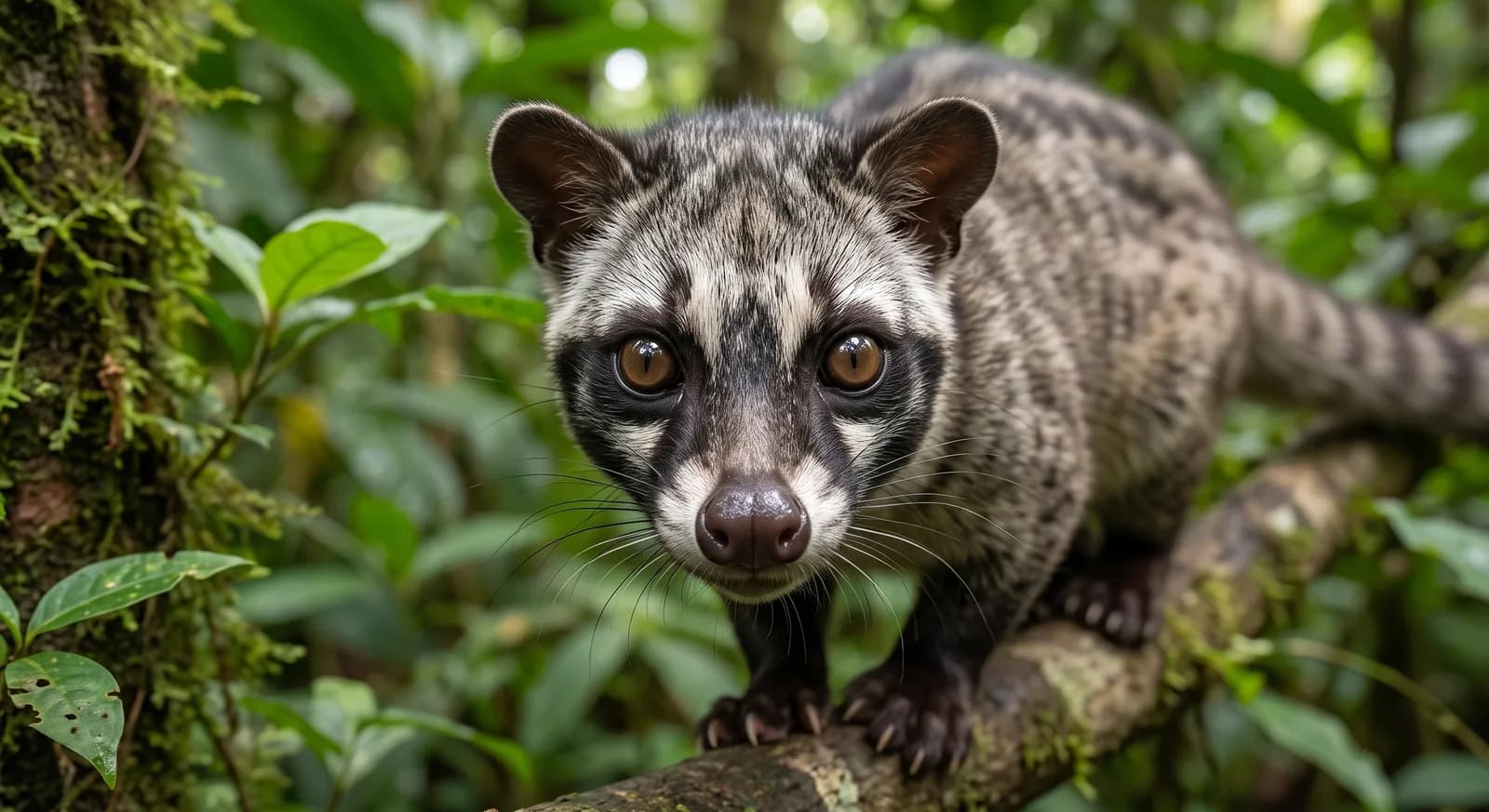
Common Palm CivetLeast Concern

Common Palm Civet

Paradoxurus hermaphroditus

Black Flying FoxLeast Concern

Black Flying Fox

Pteropus alecto

CountriesIndia
ParksChitwan National ParkNepal
TagsFrugivore
Frugivore
Nocturnal
Colonial
Rainforest
Mammal
India
Sri Lanka
Nepal
Pakistan
Bangladesh
Bhutan
Maldives
Myanmar