Species group · Mammals
Flying Foxes
WAnimals has 8 species of flying fox, in the family Pteropodidae.
- 8 species
- 1 family
- 39 countries
- 94 parks
- Weight
- 240 g – 1.6 kg
- Length
- 14 cm – 30 cm
- Lifespan
- 15 – 20 years
Ranges calculated from the profiles that record the figure, not from all 8.
All 8 species of flying foxes on WAnimals
Each one has its own full profile. This group does not replace them: it brings them together.
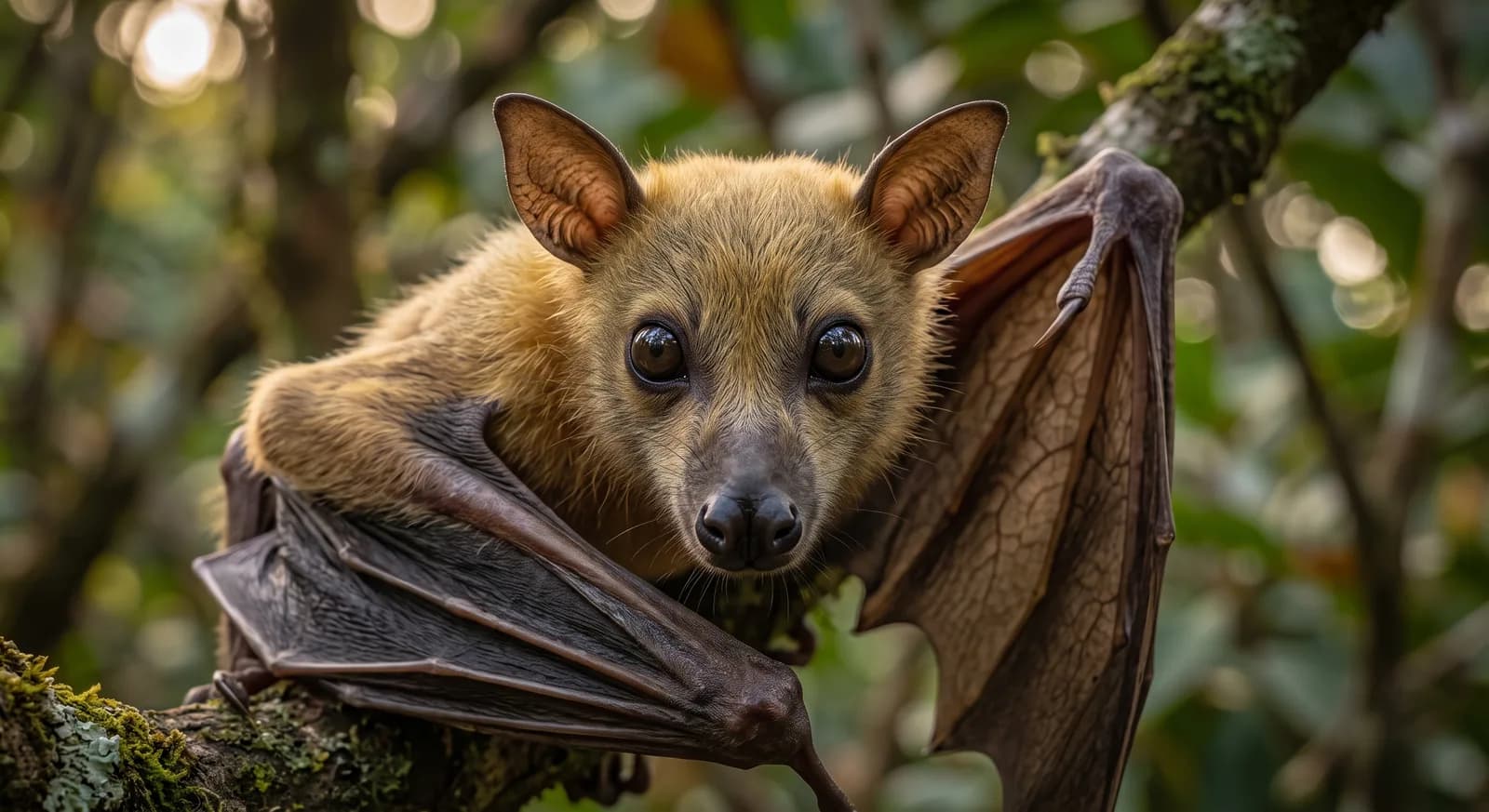 Near Threatened
African Straw-coloured Fruit-bat
Eidolon helvum
16 countries11 parks
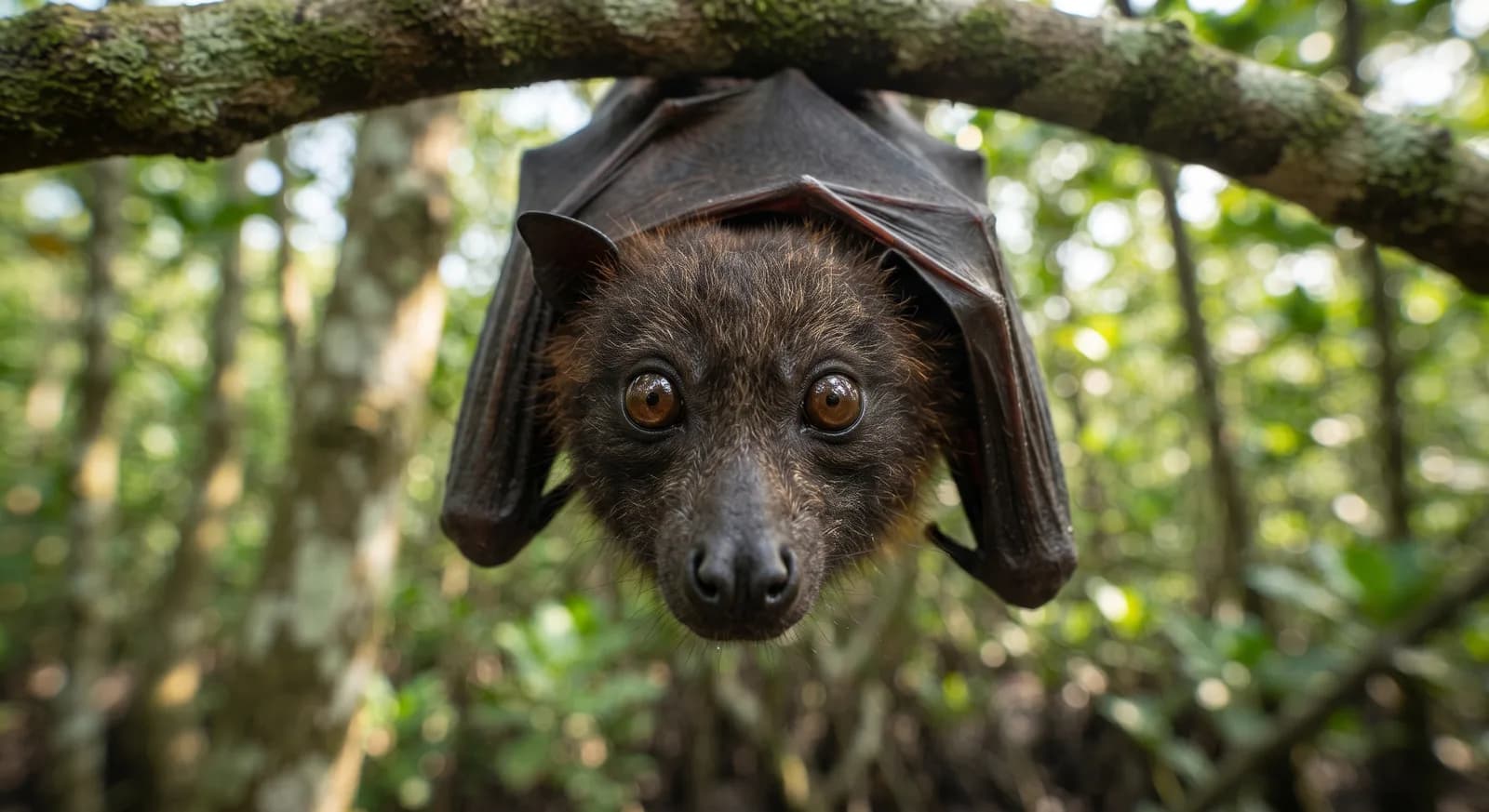 Endangered
Large Flying-fox
Pteropus vampyrus
13 countries15 parks
 Least Concern
Black Flying Fox
Pteropus alecto
3 countries12 parks
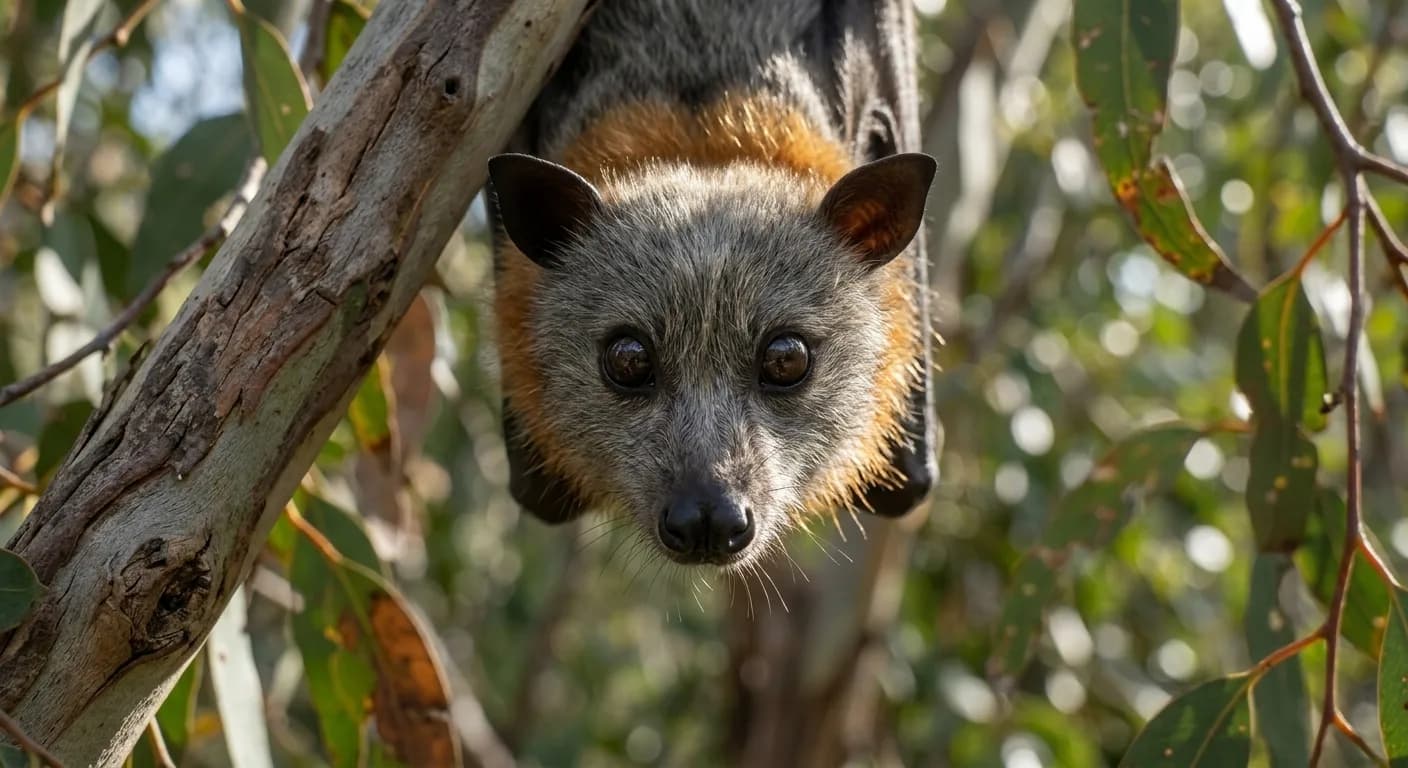 Vulnerable
Grey-headed Flying Fox
Pteropus poliocephalus
1 country14 parks
Least Concern
Indian Flying Fox
Pteropus giganteus
8 countries35 parks
Endangered
Golden-capped Fruit Bat
Acerodon jubatus
1 country7 parks
Endangered
Spectacled Flying Fox
Pteropus conspicillatus
3 countries9 parks
Endangered
Aldabra Flying-fox
Pteropus aldabrensis
1 country1 park
Conservation status
4 Endangered2 Least Concern1 Near Threatened1 Vulnerable
5 species in this group are in a threatened category according to the IUCN.
Where they live
Recorded in 39 countries. The ones with the most species in the group:
Where to see them
Did you know…?
Every year between October and December some ten million of these bats gather in a small swamp forest at Kasanka, in Zambia: it is the largest congregation of mammals known on the planet.
Some individuals cover more than 2,000 kilometres on their seasonal migrations, the greatest distance documented for an African bat.
It cannot echolocate, and makes up for it with very good eyesight.
From Large Flying-fox
It eats fruit, nectar and flowers.
From Large Flying-fox
Males guard small harems of up to ten females through the breeding season.
From Large Flying-fox
It is a long-distance pollinator: it carries the pollen of eucalypts and melaleucas tens of kilometres in a single night, far further than any insect can.
From Black Flying Fox
Its urban camps in cities such as Cairns and Darwin cause conflict over noise and smell, but the species is indispensable to the regeneration of the forests of northern Australia.
From Black Flying Fox
It is an essential pollinator: as it feeds on the nectar of eucalypts and banksias it carries pollen tens of kilometres, far further than any insect, which keeps isolated fragments of forest connected.