Skip to content
WAnimals
  • Map
  • Species
  • Parks
  • Diving
Log inCreate account
WAnimals

The guide for travellers and animal lovers: discover, plan and share your wild adventures around the world.

Discover wildlife

  • Species
  • Ecosystems
  • Glossary
  • Tags

Explore places

  • Map
  • Countries
  • Parks
  • Diving

Plan experiences

  • Guides

Learn

  • Blog

Resources

  • About us
  • How we build our profiles
  • Help centre
  • Contact
  • Install the app

Follow us

Account

  • Log in
  • Create account

© 2026 WAnimals. All rights reserved.

Terms of servicePrivacyCookiesLegal notice
MapSpeciesParksDiving
  1. Home
  2. Species
  3. Greater Slow Loris

One of the 3 lorises on WAnimals

Mammals · Primates · Lorisidae

Greater Slow Loris

Nycticebus coucang

Endangered

At very high risk of extinction in the wild in the near future.

Spotted something wrong?

It is one of the few venomous primates in the world: it mixes a glandular secretion from its arm with saliva to produce a toxic bite that can cause anaphylactic shock in people. It is one of the most heavily trafficked species in the exotic pet trade.

Weight

599 g – 685 g

Size

27 cm – 38 cm

Life expectancy

20 years

Diet

Omnivore

Combines animal and plant food depending on availability.

Activity

Nocturnal

Active mainly at night.

Social structure

Solitary

Lives and hunts alone, joining others only to breed.

Rainforest
13countries9parks3same family

Fun facts

  • fisiologíaIt is one of the few venomous primates: a gland on its arm produces a toxic secretion it mixes with saliva before biting.

Life cycle and biology

Skeleton type
Vertebrate - internal bony skeleton (mammal)
Habitat and environment
Continuous-canopy tropical rainforest of Indonesia, peninsular Malaysia, southern Thailand and Singapore
Birth weight
Exact weight at birth not found as a precise figure
Size at birth
Well developed, able to cling to its mother's fur from birth
Sexual maturity
Female: 18-24 months | Male: ~17-20 months
Gestation / incubation
192 days (~6.3 months)
Litter / clutch size
1 young
Life expectancy in captivity
Documented record of up to 25.8-26.5 years in captivity

Sources consulted: Thai National Parks · AnAge · Animalia.bio · The Animal Facts · PubMed · Wikipedia · Britannica

Where to find it

Best time: All year round in Sumatra, the Malay Peninsula and Borneo, at night; it is found with a torch by the reflection of its large eyes.

Loading map…

The pins mark the parks where its presence is documented.

Where to see it

Parks and dive sites where this species has been documented.

Related species

Other species in the catalogue with the most in common with Greater Slow Loris — same habitat, park, country, tags or family.

Same taxonomic family
Shares a park
Shares a park
Shares a park
Shares a park

How to help

The greater slow loris is classified as endangered. Organisations such as the IUCN, WWF and the Wildlife Conservation Society work specifically on its conservation and that of its habitat; looking into their programmes is a good starting point if you want to get involved.

It's documented in 6 protected areas — one reason why protecting these places matters for its conservation.

Keep exploring

Based on what we already know about greater slow loris.
Share an experience, a fun fact or a tip for seeing the greater slow loris.
See full glossary
This page in other languages: Español · Deutsch · Français · Português · Italiano
See its range on the interactive map→
Gunung LeuserIndonesia
Way KambasIndonesia
Bukit Timah Nature ReserveSingapore
Taman NegaraMalaysia
Kerinci SeblatIndonesia
Ujung KulonIndonesia
Bukit Barisan SelatanIndonesia
Endau-RompinMalaysia
PenangMalaysia
Endangered

Red Slender Loris

Loris tardigradus

Endangered

Bengal Slow Loris

Nycticebus bengalensis

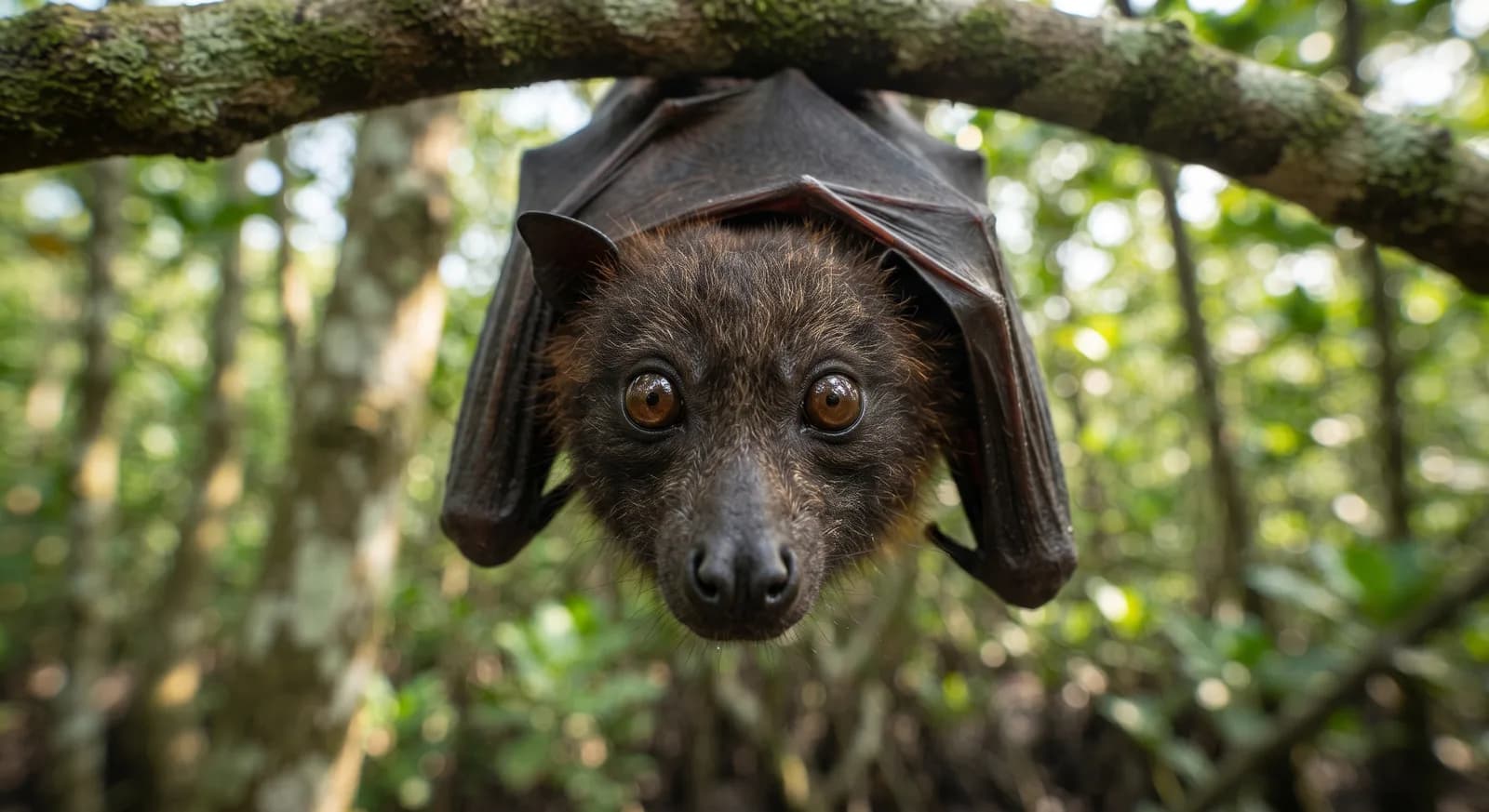
Large Flying-foxEndangered

Large Flying-fox

Pteropus vampyrus

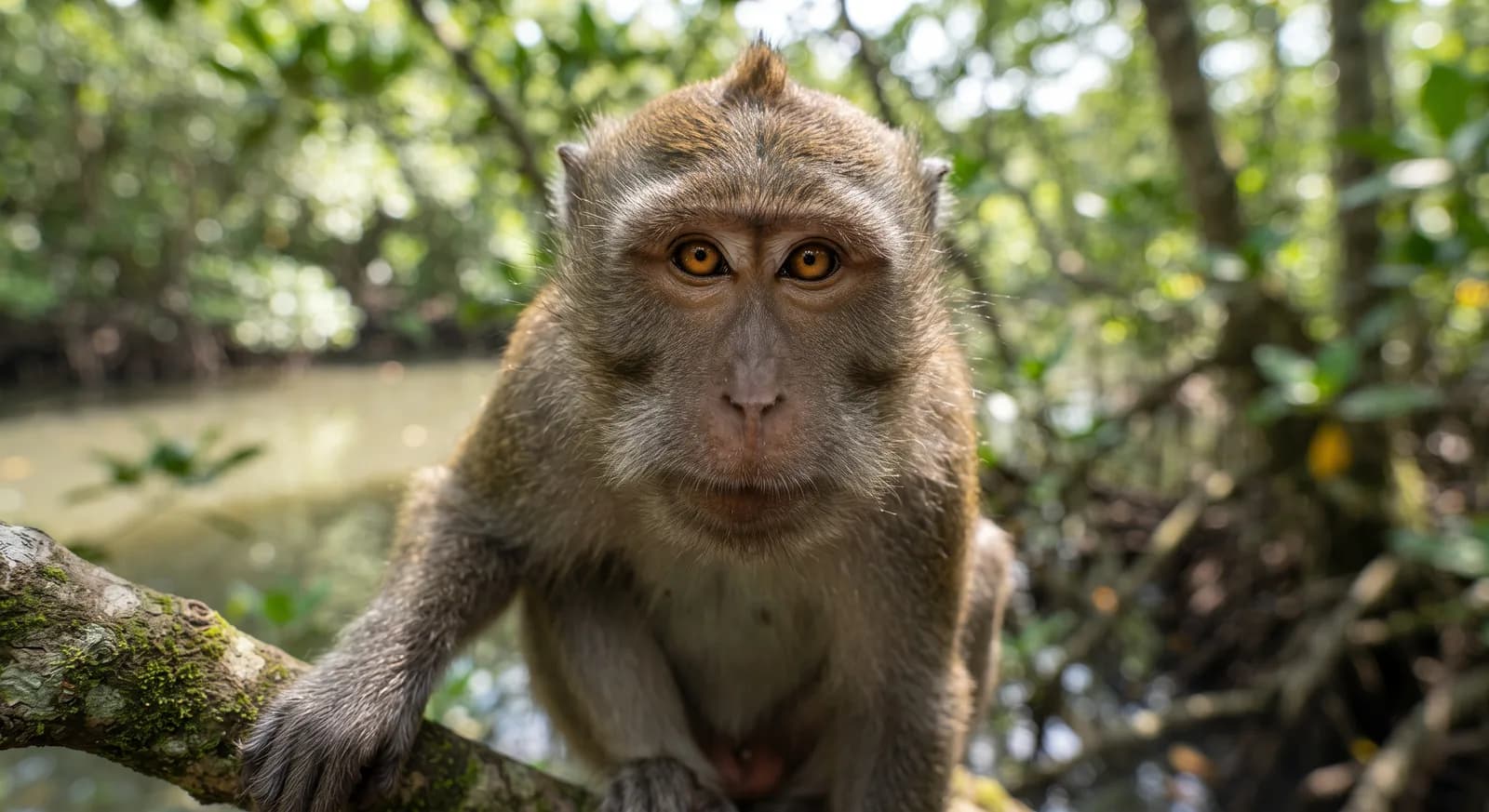
Long-tailed MacaqueEndangered

Long-tailed Macaque

Macaca fascicularis

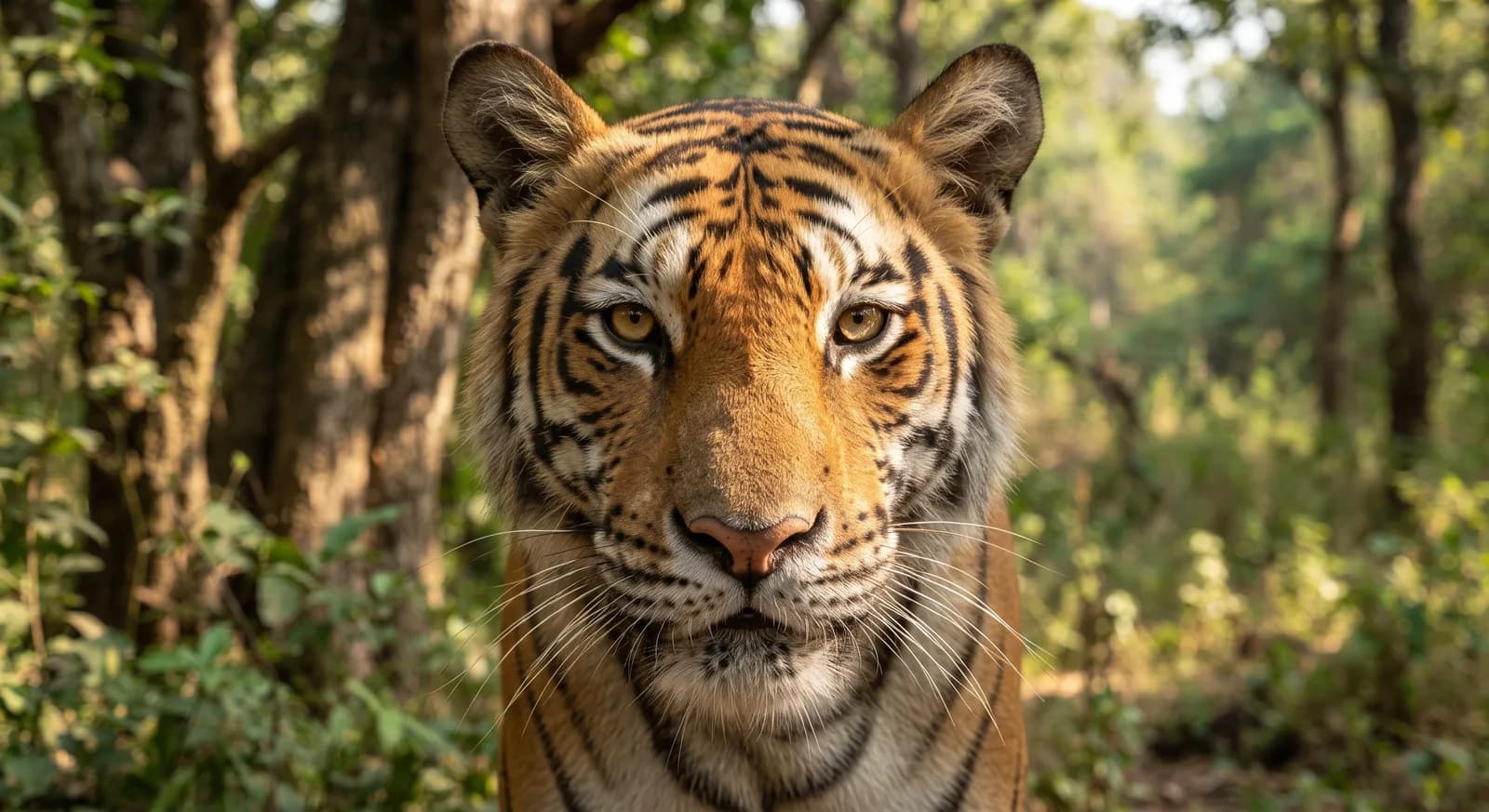
TigerEndangered

Tiger

Panthera tigris

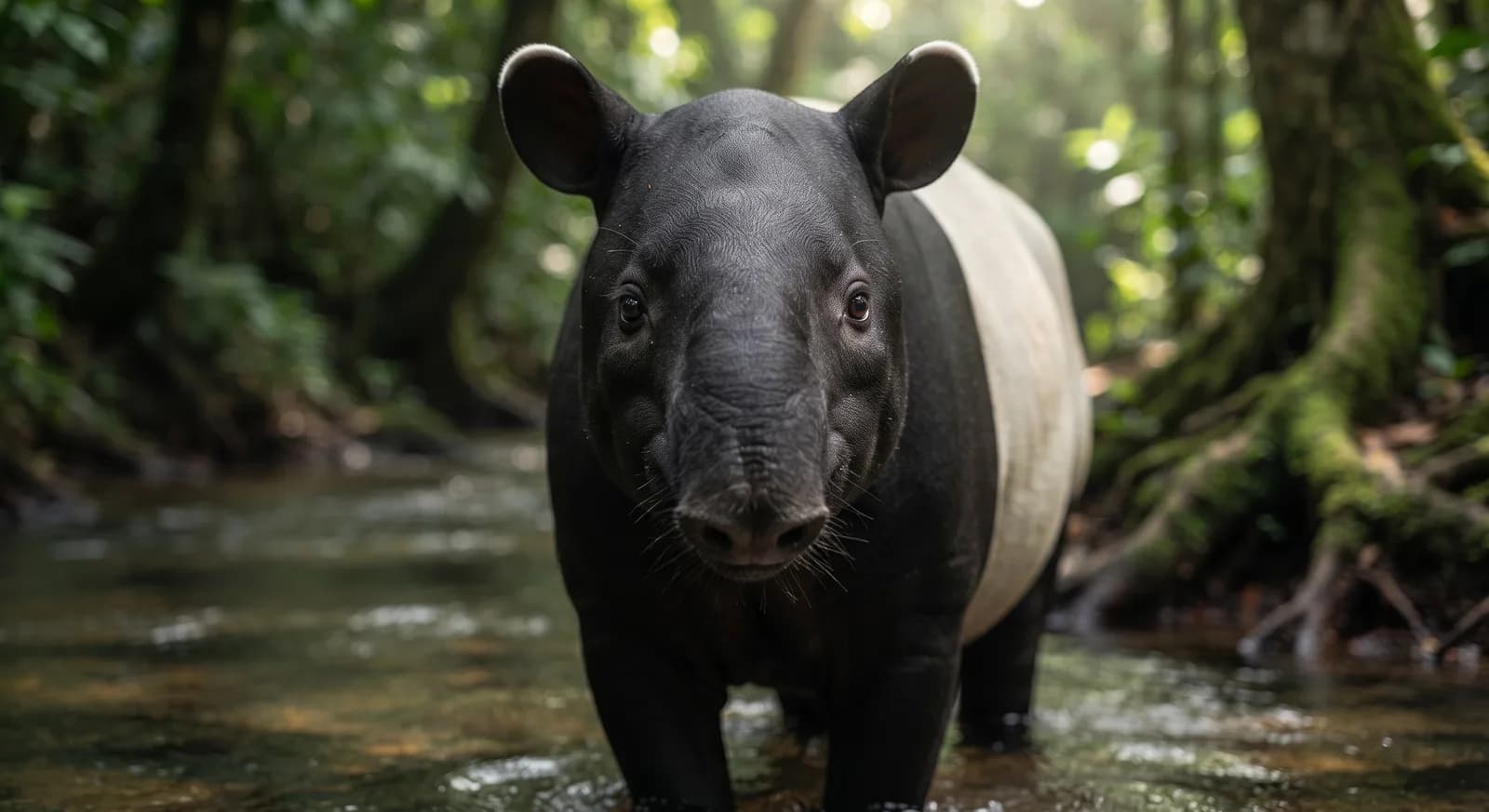
Malayan TapirEndangered

Malayan Tapir

Tapirus indicus

CountriesIndonesia
ParksGunung LeuserIndonesia
TagsOmnivore
Omnivore
Nocturnal
Solitary
Endangered
Rainforest
Mammal
Indonesia
Malaysia
Singapore
Brunei
Cambodia
China
Brunei
Cambodia
China
Indonesia
Laos
Malaysia
Myanmar
Philippines
Singapore
Taiwan
Thailand
Timor-Leste
Vietnam