 Vulnerable
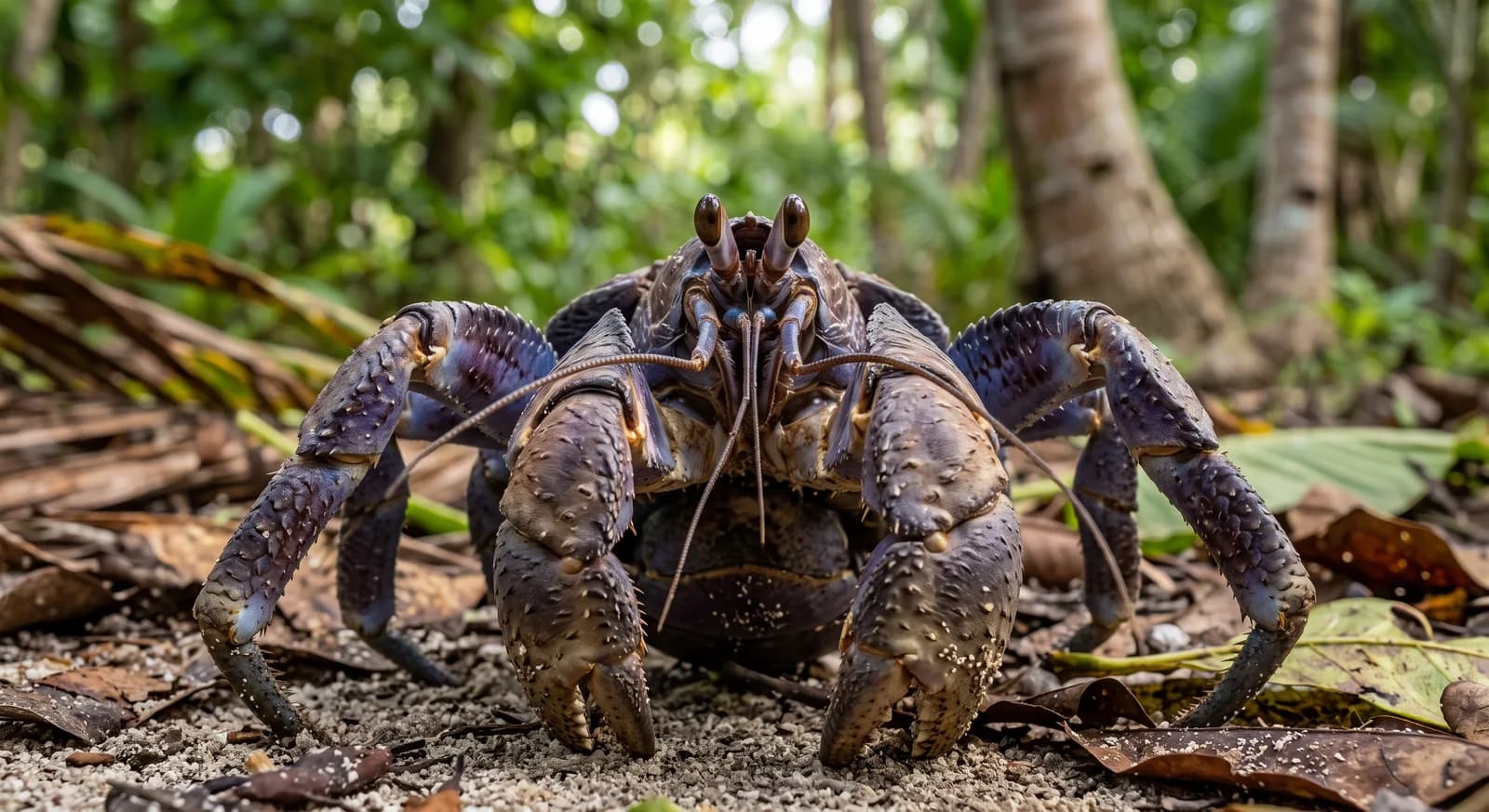
Coconut Crab
Birgus latro
Oceania
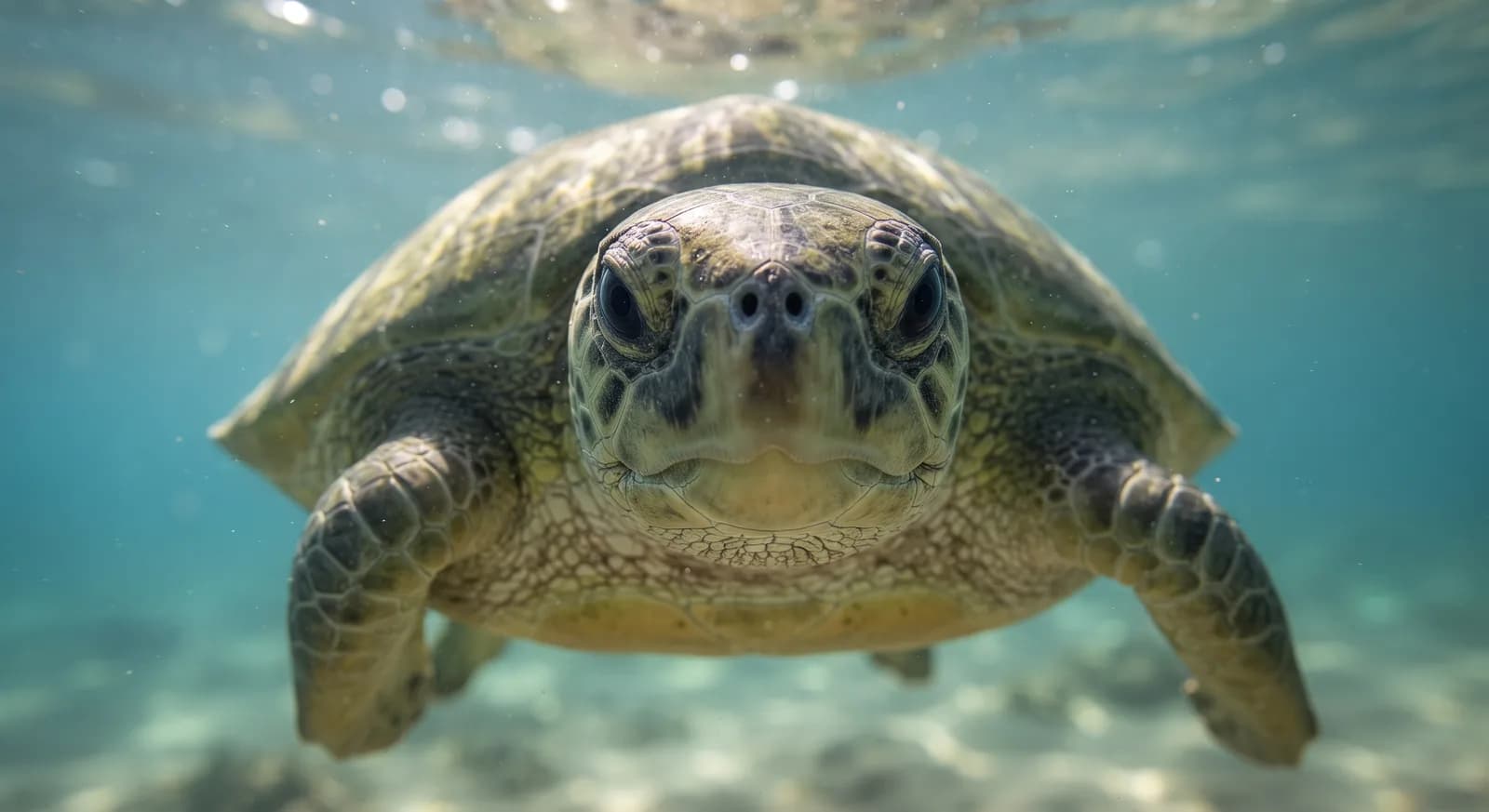
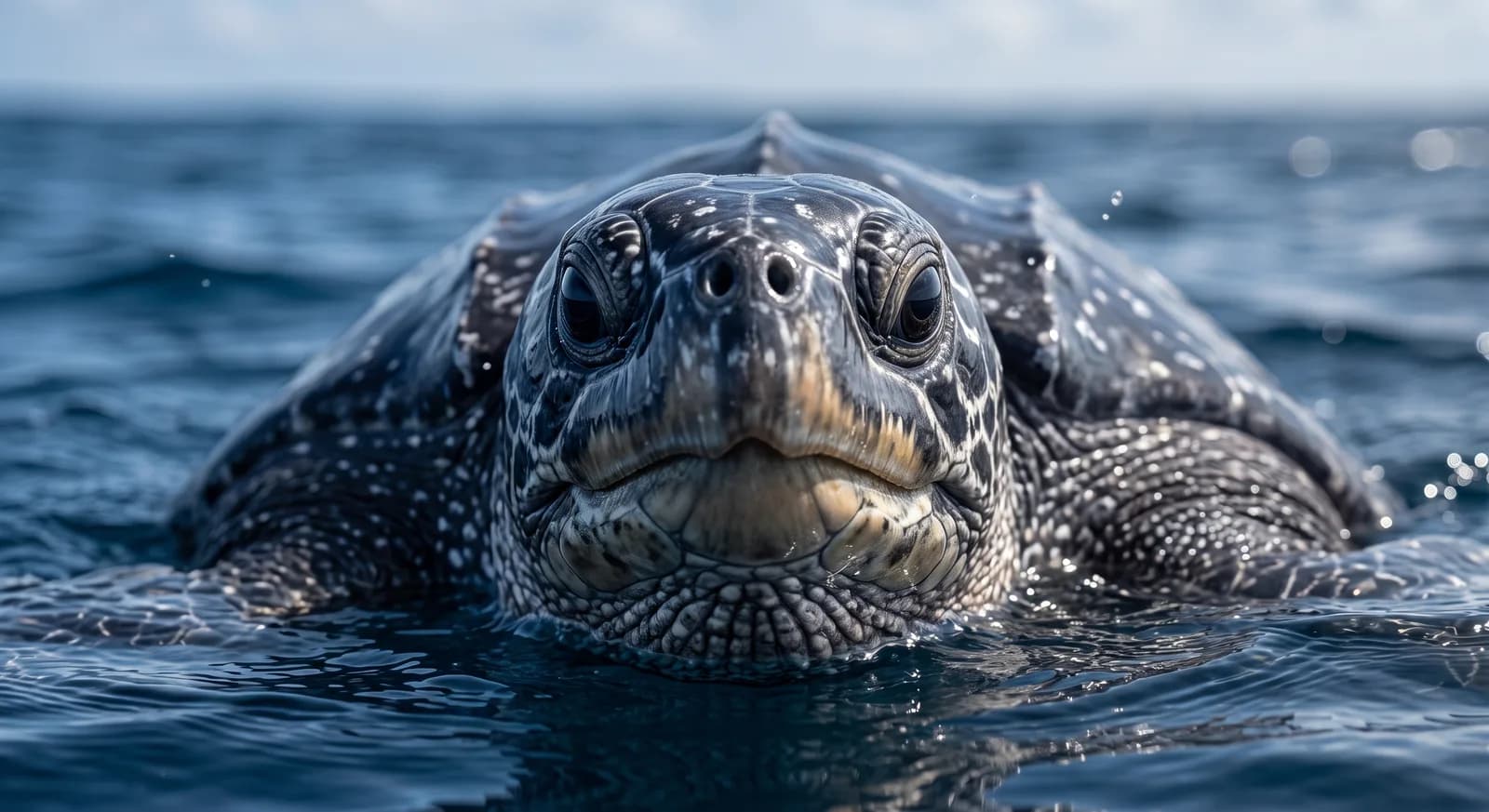
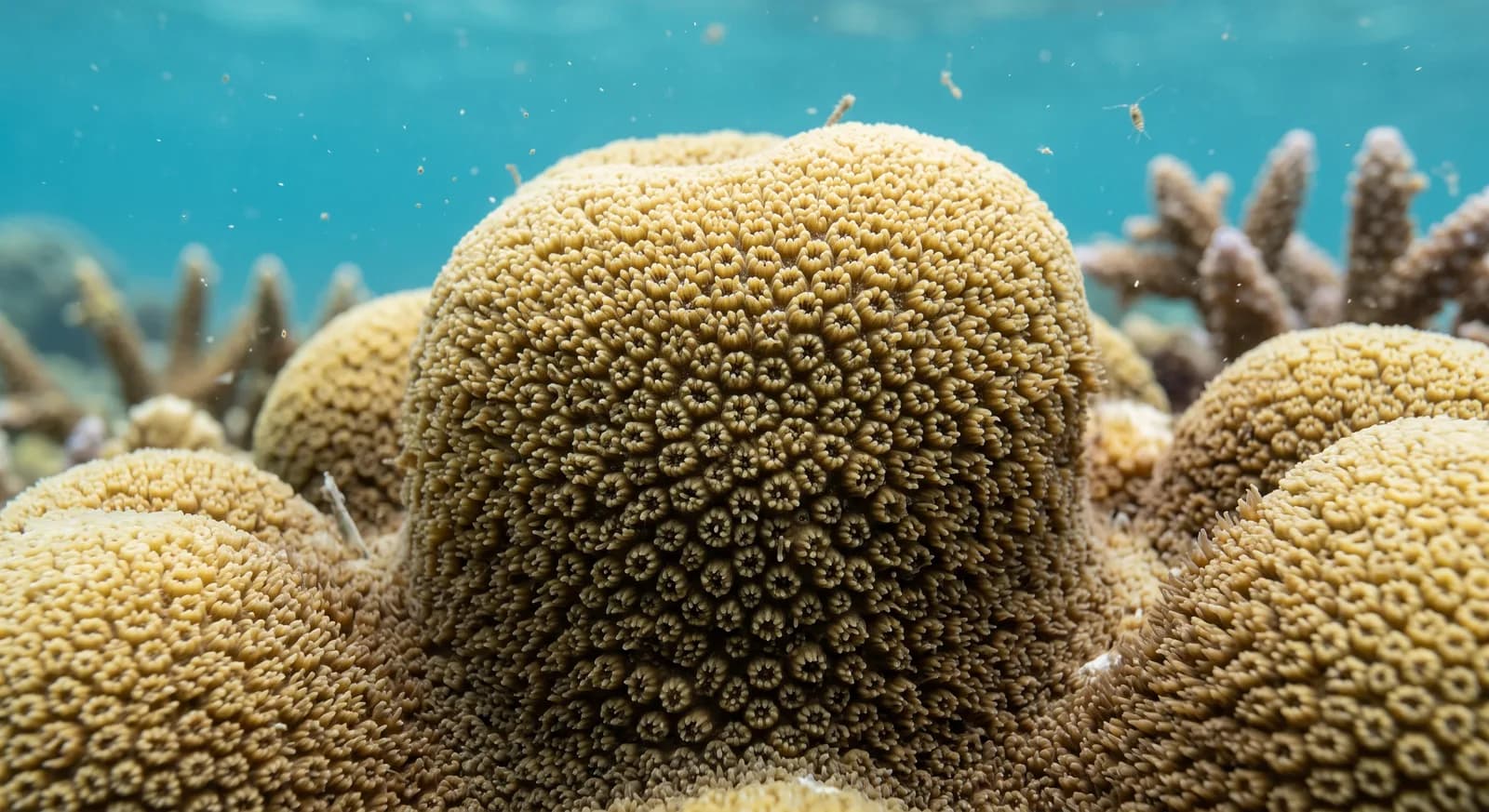
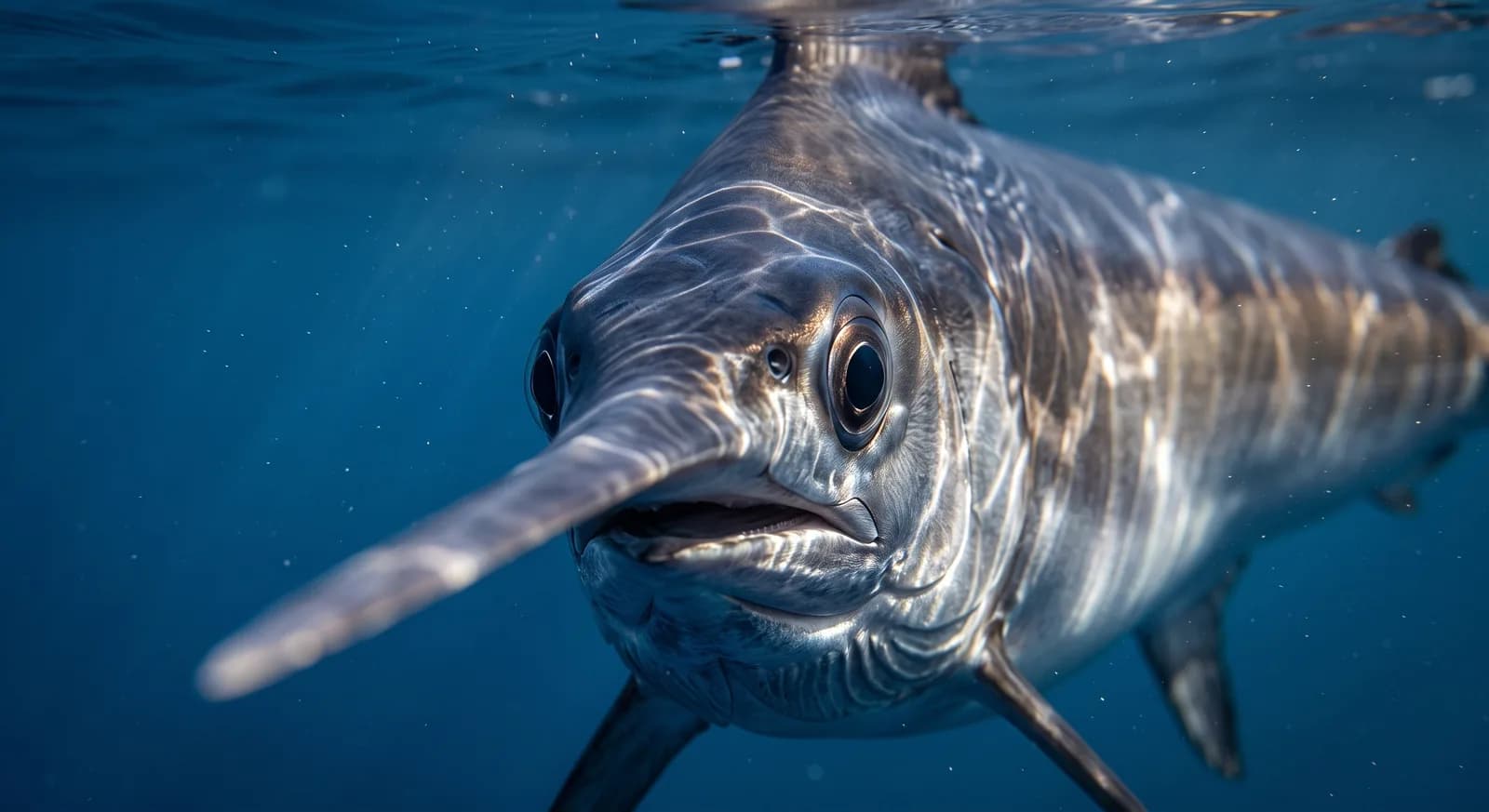
Tuvalu is one of the smallest and lowest-lying countries in the world: nine atolls and coral islands that add up to barely twenty-six square kilometres of land and whose highest point does not reach five metres. There are no rivers, no mountains and no deep soil, and fresh water depends entirely on rain. In exchange, its exclusive economic zone covers more than nine hundred thousand square kilometres of ocean, and the great tuna shoals that cross it are its main resource. Funafuti lagoon, the largest in the country, is protected across part of its extent and keeps reefs, seagrass meadows, green turtles and a reef fish community that recovers quickly wherever closures are applied.
National animal: No official national animal
A good part of the white sand the country sits on does not come from eroded rock but from living organisms. Parrotfish bite the coral to feed on the algae that coat it, grind the calcareous skeleton with tooth plates in their throat and excrete it as very fine sand. A single large fish can produce several hundred kilos of sand a year, so that the islands are literally built by fish and by the shells of microscopic organisms.
The rise in sea level and the salinisation of the aquifers threaten the habitability of the country in the medium term, and Tuvalu has become one of the most active voices in international climate negotiations. Traditional rotating closures remain the basis of fisheries management.
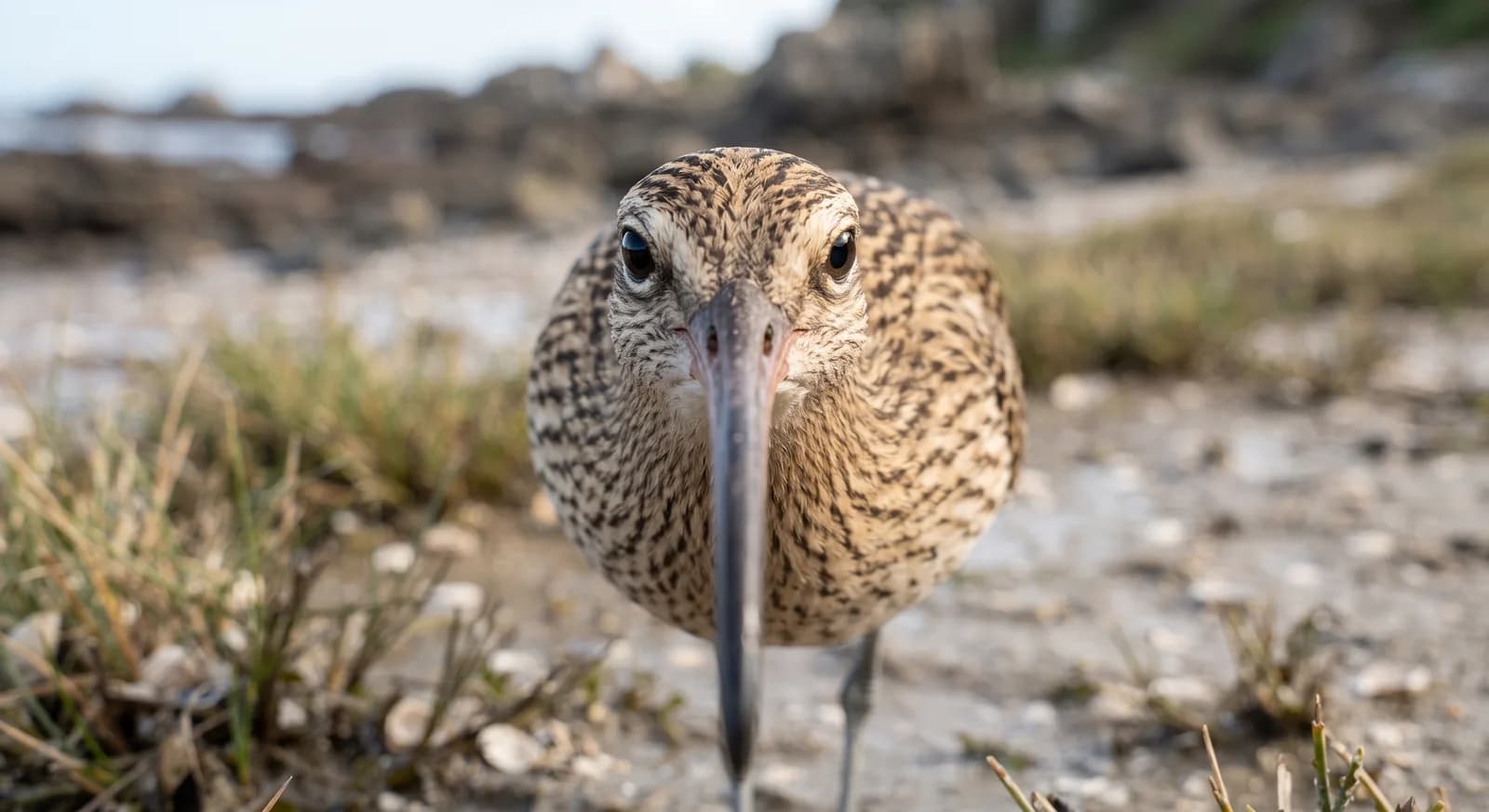
Funafuti lagoon year-round for reefs and turtles. The outer islets for nesting seabirds. The beaches at nightfall for coconut crabs and hermit crabs.
Where else might I want to travel?
Same region: Oceania
Same region: Oceania
Same region: Oceania
Same region: Oceania
114 species found
Based on what we already know about Tuvalu.