One of the 6 old world vultures on WAnimals
Birds · Accipitriformes · Accipitridae
Indian Vulture
Gyps indicus
It faces an extremely high risk of imminent extinction in the wild. See full glossary
The Indian vulture, or long-billed vulture, is an accipitriform bird of the family Accipitridae in grave danger of extinction. This member of the family Accipitridae inhabits only certain mountainous areas of India and other countries of South-East Asia. Some authors hold that the Cambodian populations form a separate species, Gyps tenuirostris, the slender-billed vulture. No subspecies are known.
Weight
5.5 kg – 6.3 kg
Size
80 cm – 1 m
Lifespan
30 years
Diet
Carnivore
Feeds mainly on other animals.
Activity
Diurnal
Active mainly during the day.
Social structure
Colony
Lives in large concentrations, often for breeding reasons.
Sighting difficulty
Very hard
Fun facts
- Its collapse was the fastest documented in any bird: from tens of millions of individuals to a few thousand in little more than a decade, caused by a veterinary anti-inflammatory that gave them acute kidney failure.
- Its disappearance had enormous public health consequences in India: livestock carcasses left unconsumed by vultures fed an explosion of feral dogs, and several studies link that increase to tens of thousands of additional human deaths from rabies.
- The towers of silence of the Parsi community, where vultures traditionally consumed the dead, were left without birds and forced the rethinking of a rite more than a thousand years old.
Life cycle & biology
- Skeleton type
- Vertebrate - internal bony skeleton (bird)
- Habitat & environment
- Rock faces, ruins and large trees on the plains and hills of the Indian subcontinent
- Sexual maturity
- 5 years
- Gestation / incubation
- 50 days of incubation
- Litter / clutch size
- 1 egg
Sources consulted: https://es.wikipedia.org/wiki/Gyps_indicus
Where to find it
See its range on the interactive mapWhere to watch it
Parques y spots de buceo donde se ha documentado esta especie — se muestran 10 de 20 documentados.
Related species
Other species in the catalogue with the most in common with Indian Vulture — same habitat, park, country, tags or family.
Mountain Hawk-Eagle
Nisaetus nipalensis
Bearded Vulture
Gypaetus barbatus
Booted Eagle
Hieraaetus pennatus
Eastern Imperial Eagle
Aquila heliaca
Bonelli's Eagle
Aquila fasciata
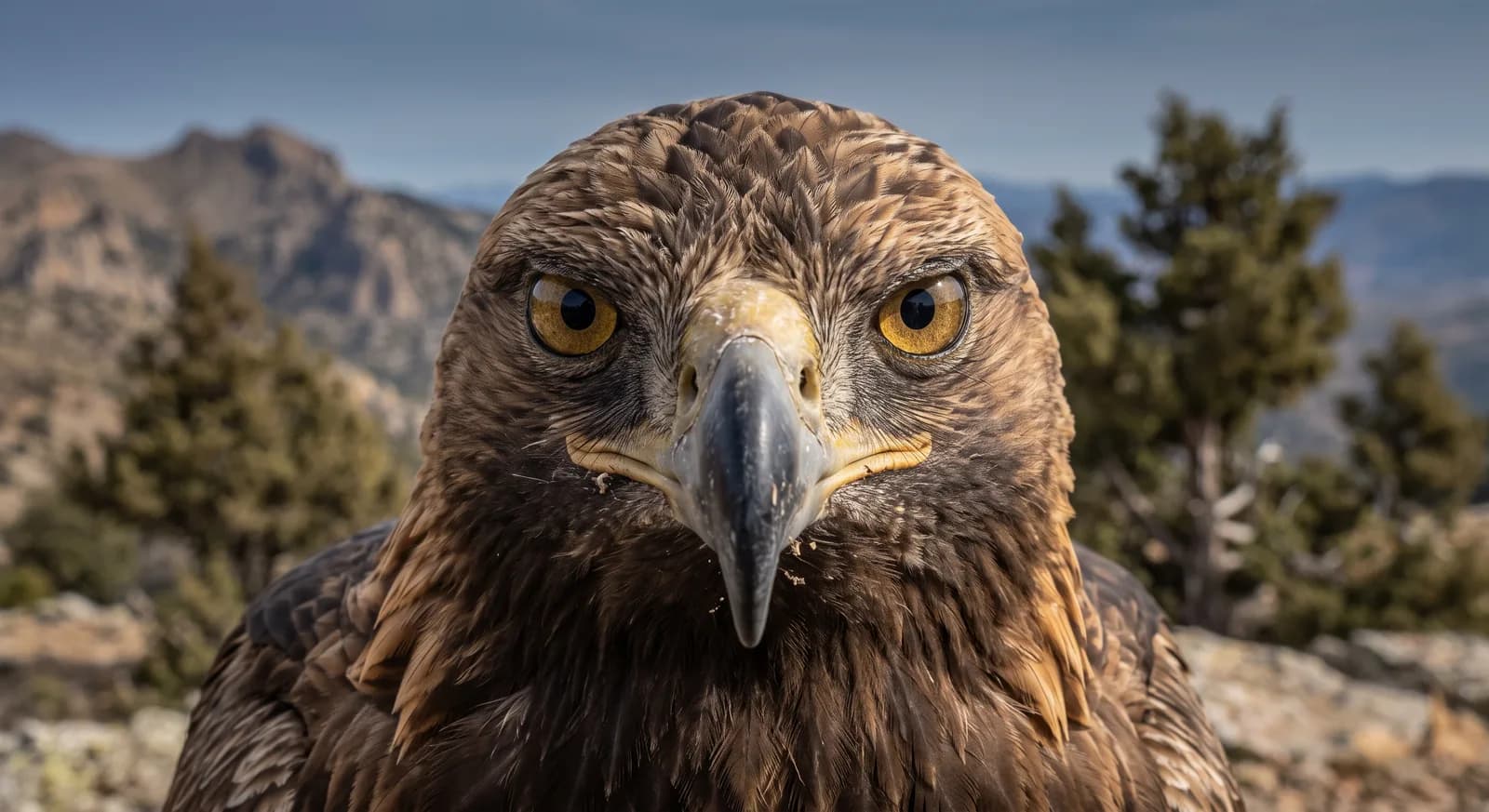 Least Concern
Golden Eagle
Aquila chrysaetos
How to help
The indian vulture is classified as critically endangered. Organizations such as UICN, WWF y Wildlife Conservation Society work specifically on its conservation and that of its habitat; looking into their programs is a good starting point if you want to get involved.
It's documented in 10 real protected areas — part of why protecting these places matters for its conservation.
Keep exploring
Based on what we already know about indian vulture.
Comments
Share an experience, a fun fact or a tip for seeing the indian vulture.
Be the first to comment.