One of the 6 jellyfish on WAnimals
True jellyfish · Semaeostomeae · Pelagiidae
Sea Nettle
Chrysaora fuscescens
It has not yet been assessed against the IUCN criteria. See full glossary
Its enormous seasonal concentrations off the Pacific coast have clogged fishing nets and water intakes, with mass strandings of as many as a million animals in a single spot.
Size
up to 1 m
Lifespan
1 years
Diet
Carnivore
Feeds mainly on other animals.
Activity
Irregular activity
Active at irregular times, by day or night depending on circumstances.
Social structure
Solitary
Lives and hunts alone, joining others only to breed.
Sighting difficulty
Unknown
Fun facts
- The fertilised female holds her eggs on the oral arms, where they develop into flower-shaped polyps.
- It eats zooplankton, crustaceans, salps, pelagic snails, small fish and other jellyfish.
- Its tentacles can reach 4.5 metres long.
- comportamientoIt can form mass swarms of thousands known as blooms, whose appearance is sometimes linked to changes in water temperature or pollution.
- Its amber bell and its extremely long oral arms, up to four metres, make it one of the most photographed jellyfish in the world, and it is the star of North America's aquariums.
- Its captive breeding was worked out at the Monterey Bay Aquarium, which developed the circular-flow tanks called kreisels, designed specifically to keep jellyfish without their becoming trapped against the walls or the filters. That technology is the reason there are jellyfish in the world's aquariums today.
- It is an efficient predator of zooplankton and of fish eggs and larvae, and its blooms in the California Current compete directly with the pelagic fish.
- Its sting is painful but not dangerous.
- Its populations fluctuate widely from year to year with the upwelling cycles, and that variability has made it an indicator of oceanographic conditions in the north-east Pacific.
Life cycle & biology
- Skeleton type
- Invertebrate - no skeleton (gelatinous cnidarian)
- Habitat & environment
- Temperate waters of the north-eastern Pacific, from Mexico to British Columbia, especially off California and Oregon
- Birth weight
- Microscopic planula larva after fertilisation
- Size at birth
- An ephyra a few millimetres across as it breaks away from the polyp
- Litter / clutch size
- Numerous fertilised eggs held in the female's oral arms until the polyp stage
- Lifespan in captivity
- 1-2 years in captivity (estimated from related species in the genus Chrysaora)
Sources consulted: Life in Water (Fandom); Pacific Science (life cycle study); Ocean Info; Mexican Marine Life; Animalia.bio; The Biofiles (Wikipedia); Reeflex
Where to watch it
Parques y spots de buceo donde se ha documentado esta especie — se muestran 20 de 22 documentados.
Related species
Other species in the catalogue with the most in common with Sea Nettle — same habitat, park, country, tags or family.
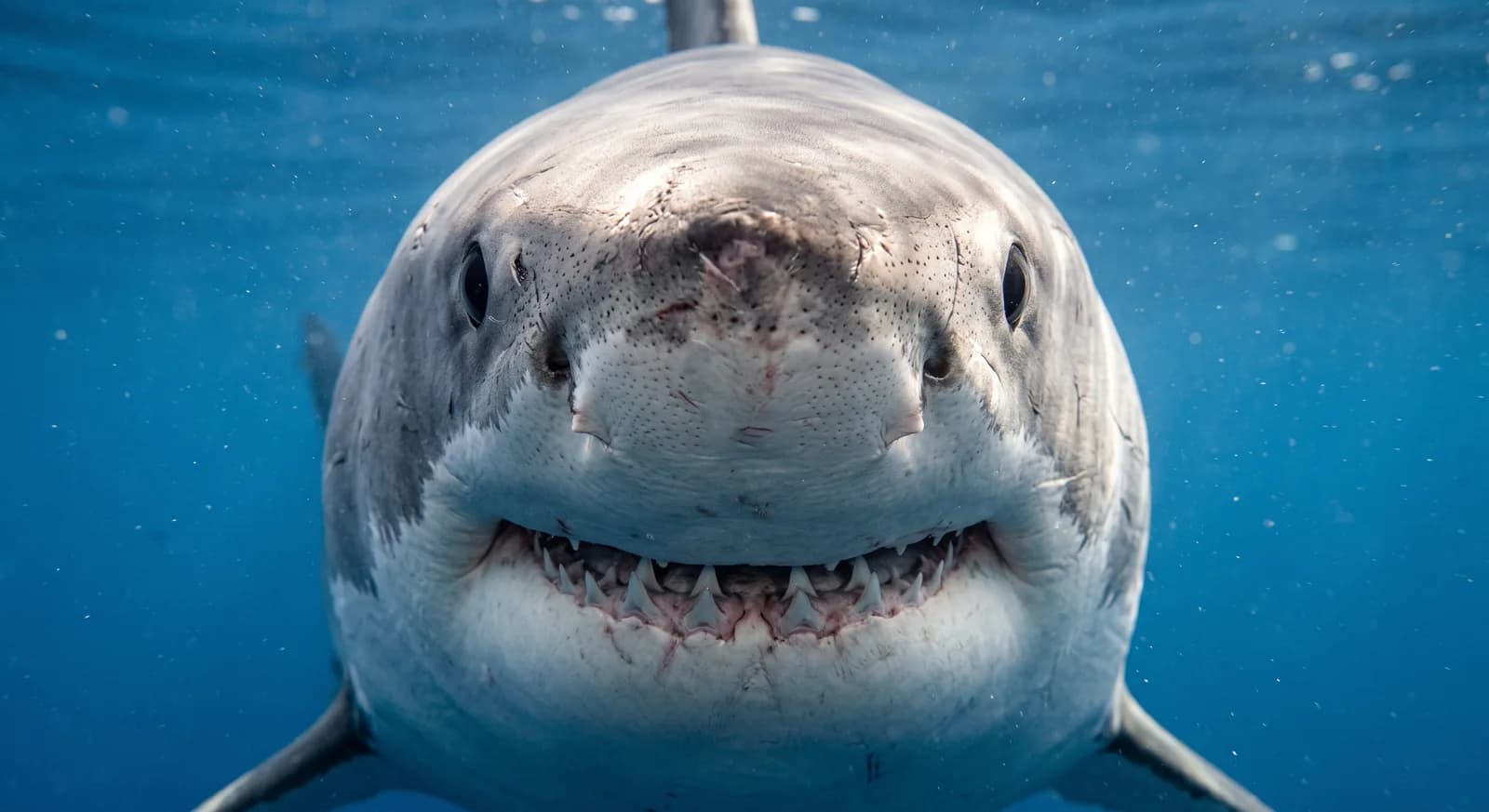 Vulnerable
Great White Shark
Carcharodon carcharias
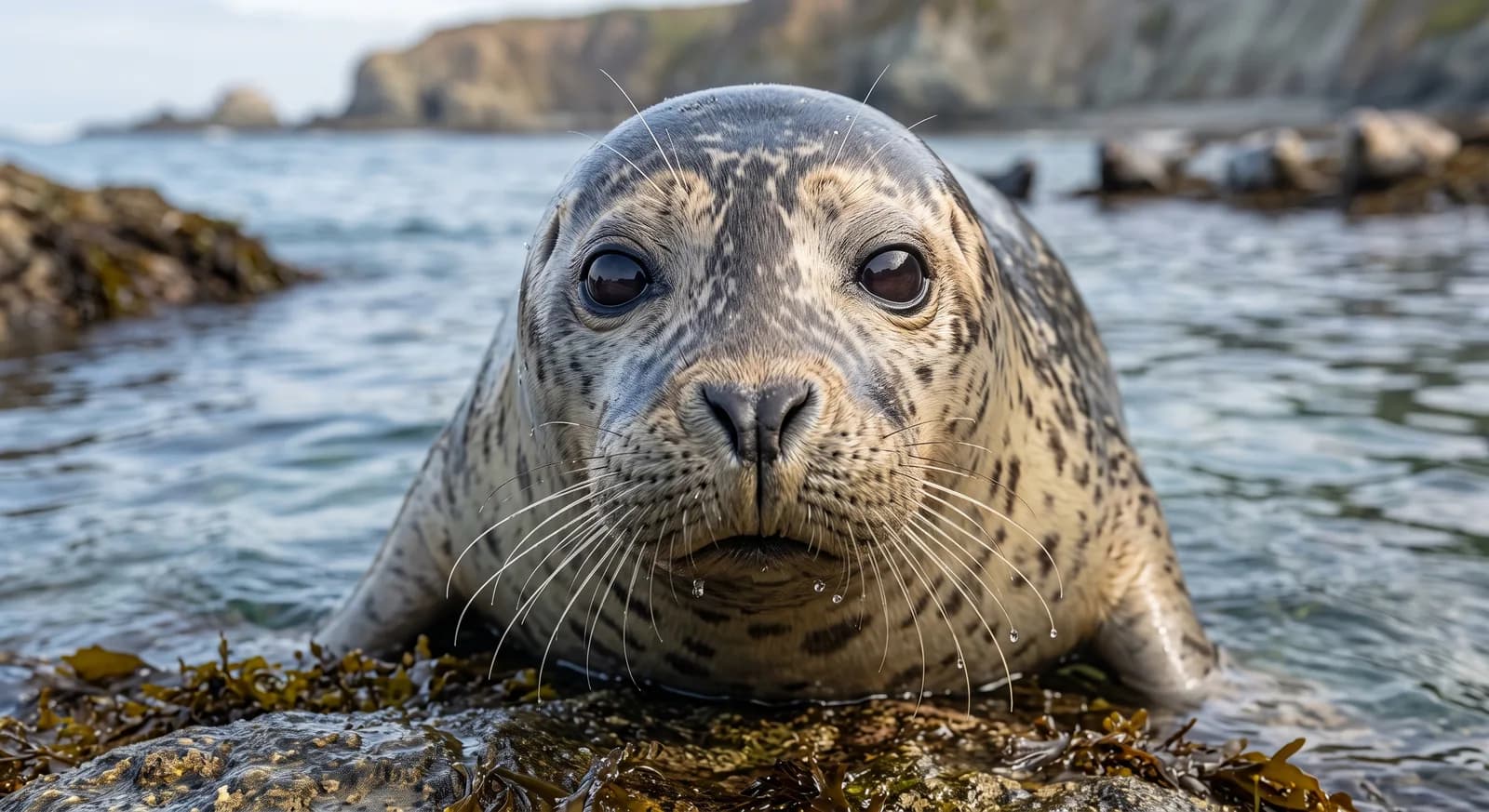 Least Concern
Harbor Seal
Phoca vitulina
Shortfin Mako
Isurus oxyrinchus
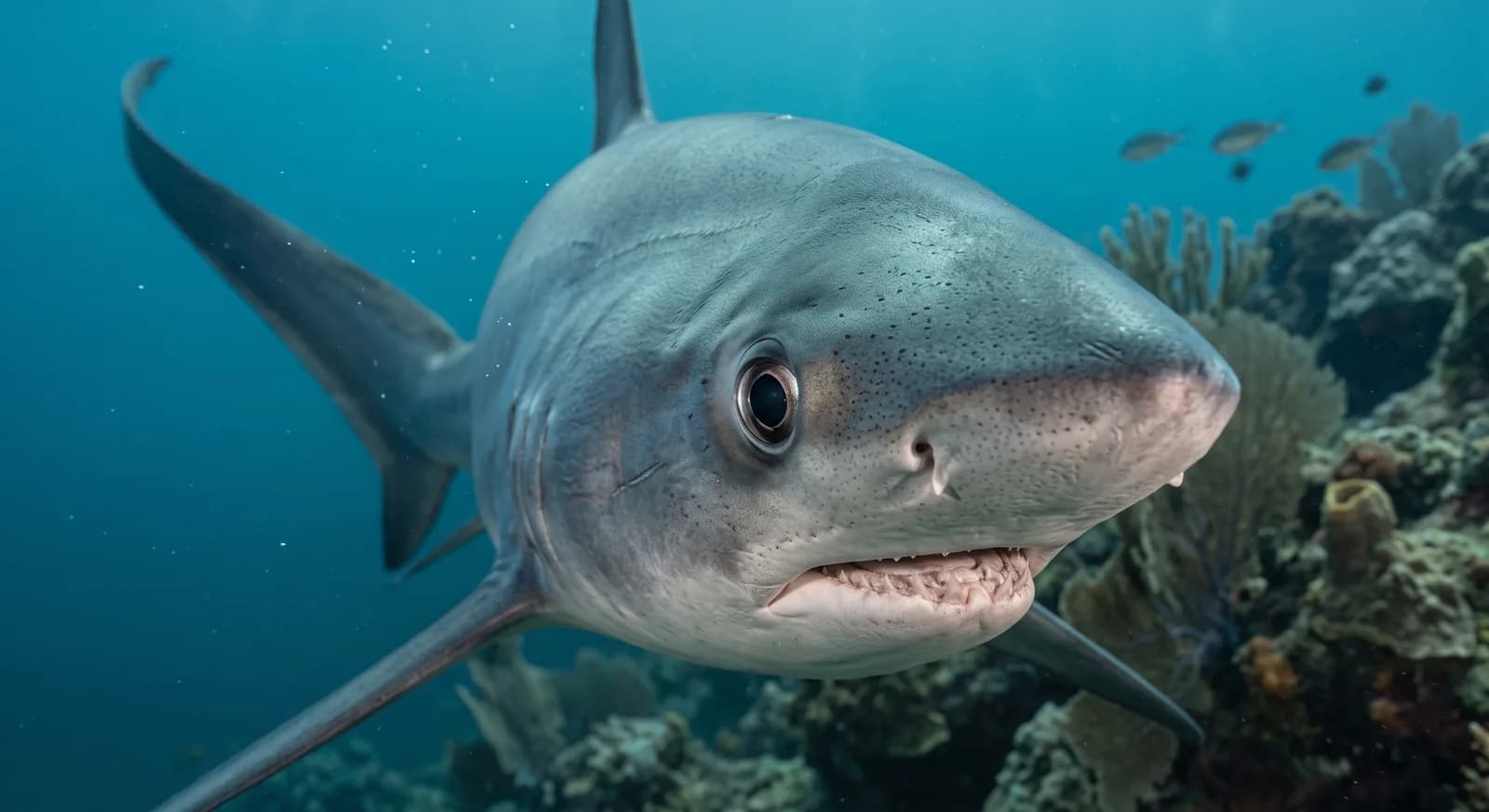 Vulnerable
Grayfish
Alopias vulpinus
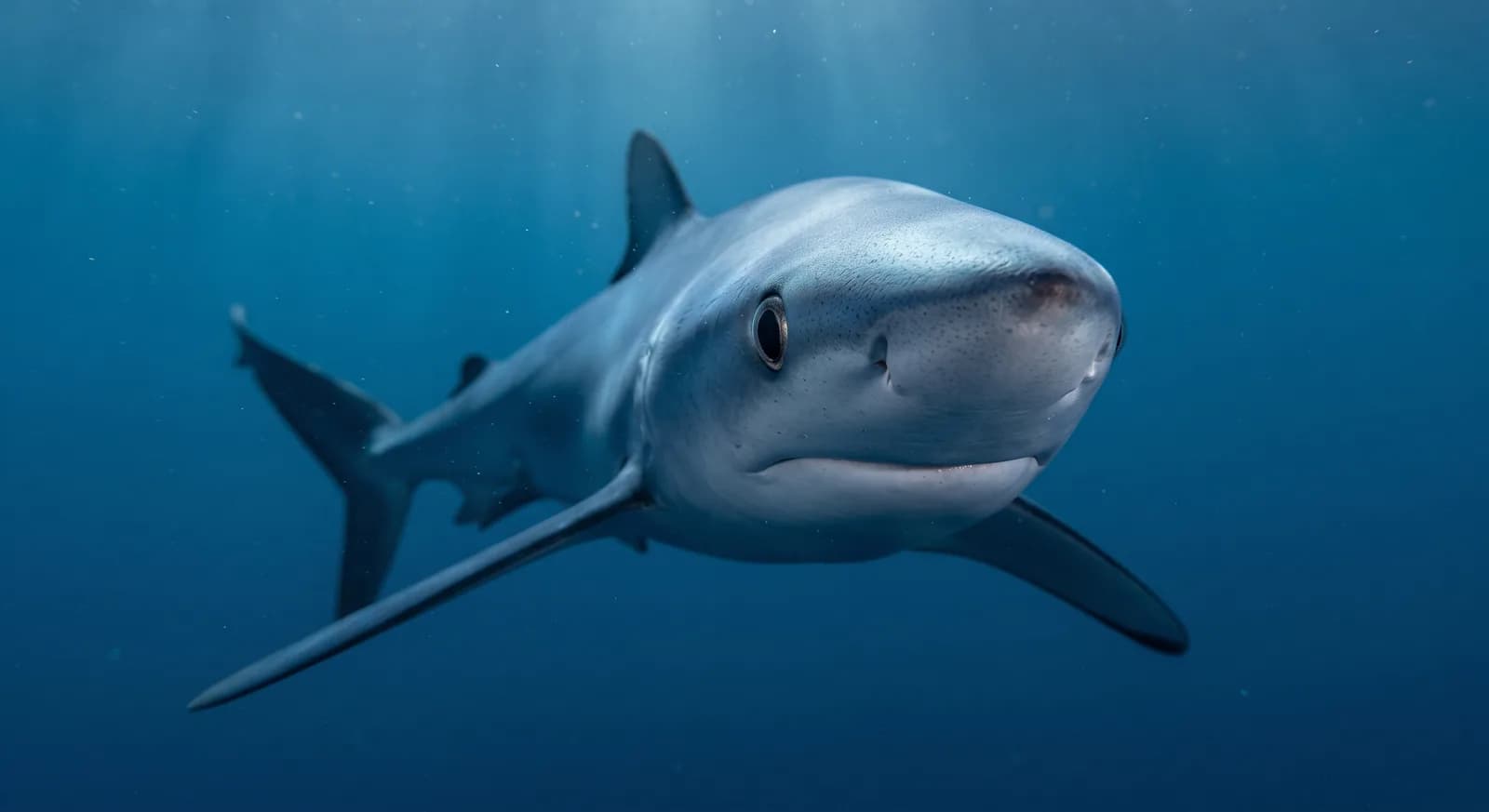 Near Threatened
Blue Shark
Prionace glauca
Cuvier's Beaked Whale
Ziphius cavirostris
Keep exploring
Based on what we already know about sea nettle.
Comments
Share an experience, a fun fact or a tip for seeing the sea nettle.
Be the first to comment.