Bony fish · Perciformes · Nototheniidae
Yellowbelly Rockcod
Notothenia coriiceps
It has not yet been assessed against the IUCN criteria. See full glossary
An Antarctic rockcod, robust and olive-brown with darker blotches, very abundant in the waters of the Antarctic Peninsula. It lives among rocks and kelp beds and eats krill, amphipods, algae and small fish. It survives all year round in water close to freezing point.
Size
30 cm – 62 cm
Diet
Carnivore
Feeds mainly on other animals.
Social structure
Solitary
Lives and hunts alone, joining others only to breed.
Sighting difficulty
Unknown
Fun facts
- Its blood and tissues contain antifreeze glycoproteins that bind to microscopic ice crystals and stop them growing, a mechanism without which the fish would freeze from the inside.
- It has no swim bladder and makes up for the lack of buoyancy by storing lipids and reducing the mineralisation of its skeleton.
- It is one of the keystone species of the Antarctic coastal food web and regular prey for seals, shags and penguins.
- Its antifreeze glycoproteins evolved from a trypsinogen gene, a digestive enzyme: a much-cited case of how a gene changes function completely.
- Those proteins do not lower the freezing point the way car antifreeze would: they bind to ice microcrystals and stop them from growing.
- It is a red-blooded fish, which is why it is constantly used as the point of comparison against the icefishes: almost everything we know about their loss of haemoglobin has been measured against this species.
- The notothenioids make up around 90% of the fish fauna of the Antarctic continental shelf, a dominance with almost no equivalent in other seas.
Life cycle & biology
- Skeleton type
- Vertebrate - internal bony skeleton (fish)
- Habitat & environment
- Rocky bottoms and kelp beds of Antarctica, from 0 to 550 m
Sources consulted: Chen, DeVries y Cheng (1997), PNAS; Cocca et al. (2000); Lista Roja de la UICN; FishBase
Where to find it
See its range on the interactive mapWhere to watch it
Parks and dive sites where this species has been documented.
Related species
Other species in the catalogue with the most in common with Yellowbelly Rockcod — same habitat, park, country, tags or family.
Porbeagle
Lamna nasus
Blackfin Icefish
Chaenocephalus aceratus
Minke Whale
Balaenoptera acutorostrata
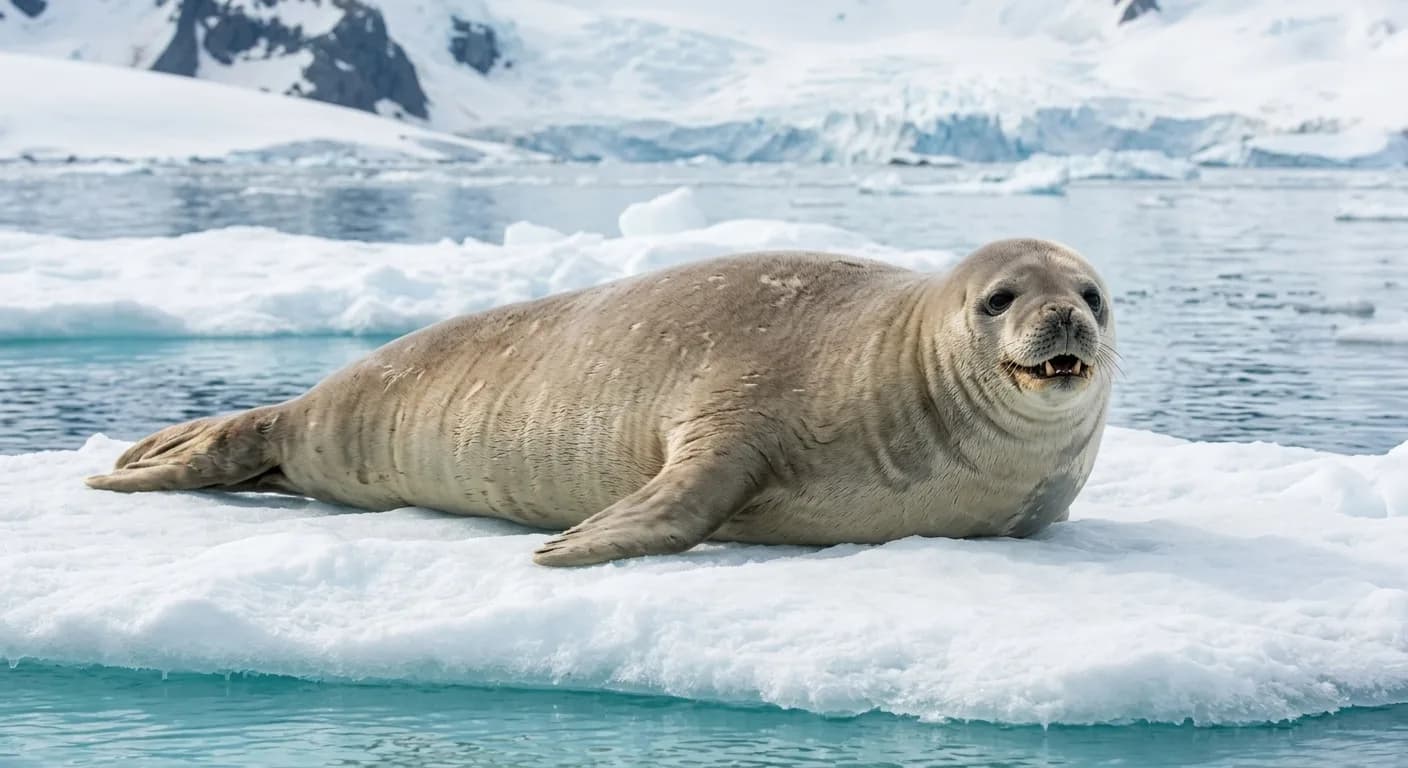 Least Concern
Crabeater Seal
Lobodon carcinophaga
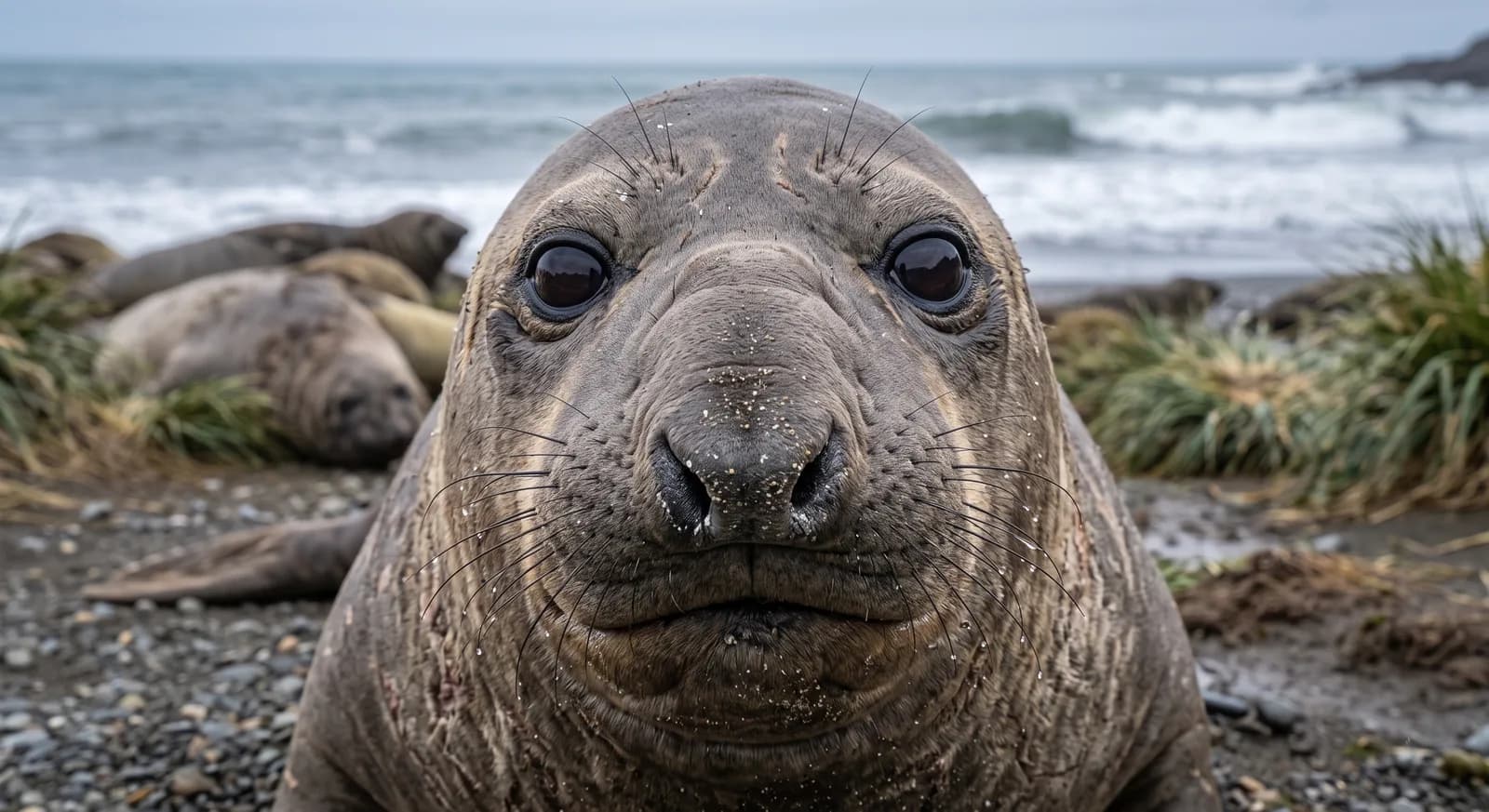 Vulnerable
Southern Elephant Seal
Mirounga leonina
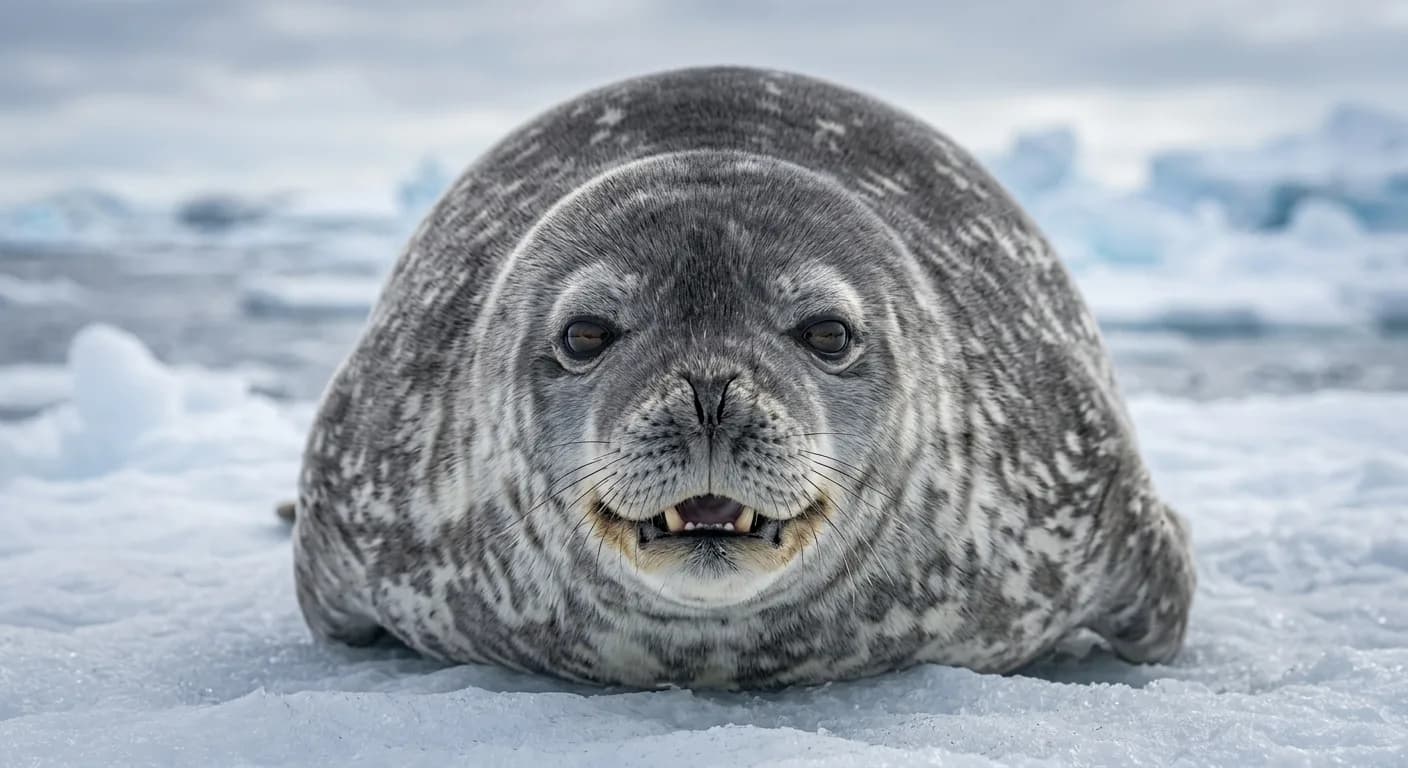 Least Concern
Weddell Seal
Leptonychotes weddellii
Keep exploring
Based on what we already know about yellowbelly rockcod.
Comments
Share an experience, a fun fact or a tip for seeing the yellowbelly rockcod.
Be the first to comment.