Bony fish · Perciformes · Channichthyidae
Blackfin Icefish
Chaenocephalus aceratus
It has not yet been assessed against the IUCN criteria. See full glossary
A white-blooded icefish of Antarctic waters, famous for being one of the few adult vertebrates that entirely lacks haemoglobin and red blood cells. Its blood is transparent and carries oxygen dissolved in the plasma, which is possible only because very cold water holds far more oxygen.
Size
40 cm – 72 cm
Diet
Carnivore
Feeds mainly on other animals.
Social structure
Solitary
Lives and hunts alone, joining others only to breed.
Sighting difficulty
Unknown
Fun facts
- fisiologíaIt is the only vertebrate known to have no haemoglobin in its blood; its plasma is almost clear and carries oxygen dissolved directly in it.
- The Antarctic icefish are the only group of adult vertebrates without haemoglobin that is known; this species is one of the sixteen that make it up.
- To make up for it, it has a disproportionately large heart, an enormous blood volume and scaleless skin through which it absorbs oxygen directly from the water.
- Its tissues contain antifreeze proteins that prevent ice crystals from forming in the blood.
- Its blood is almost transparent. Ruud described it in 1954 after catching four specimens off South Georgia, and concluded that it was, literally, plasma with a few white blood cells.
- The oxygen-carrying capacity of that blood is less than 10% of that of a related red-blooded fish, and its iron content does not reach 5% of the normal level.
- It compensates with an enormous, hypertrophied heart, a large blood volume and a blood of low viscosity that circulates easily in freezing water. Besides, the colder the water, the better oxygen dissolves in it.
- Like the other Antarctic notothenioids, it makes antifreeze glycoproteins that stop ice crystals from growing in its body.
- Its genome, published in 2019, showed that the genes protecting against ice are heavily multiplied, as are those controlling the cell's redox state.
- Its lineage split from that of the sticklebacks some 77 million years ago, and it adapted to the cold as the Southern Ocean gradually chilled.
Life cycle & biology
- Skeleton type
- Vertebrate - internal bony skeleton (fish)
- Habitat & environment
- Antarctic and subantarctic continental shelf, from 5 to 770 m
Sources consulted: Ruud (1954), Nature; Kim et al. (2019), Nature Ecology & Evolution; Sidell y O'Brien (2006), Journal of Experimental Biology; Lista Roja de la UICN
Where to find it
See its range on the interactive mapWhere to watch it
Parks and dive sites where this species has been documented.
Related species
Other species in the catalogue with the most in common with Blackfin Icefish — same habitat, park, country, tags or family.
Porbeagle
Lamna nasus
Yellowbelly Rockcod
Notothenia coriiceps
Minke Whale
Balaenoptera acutorostrata
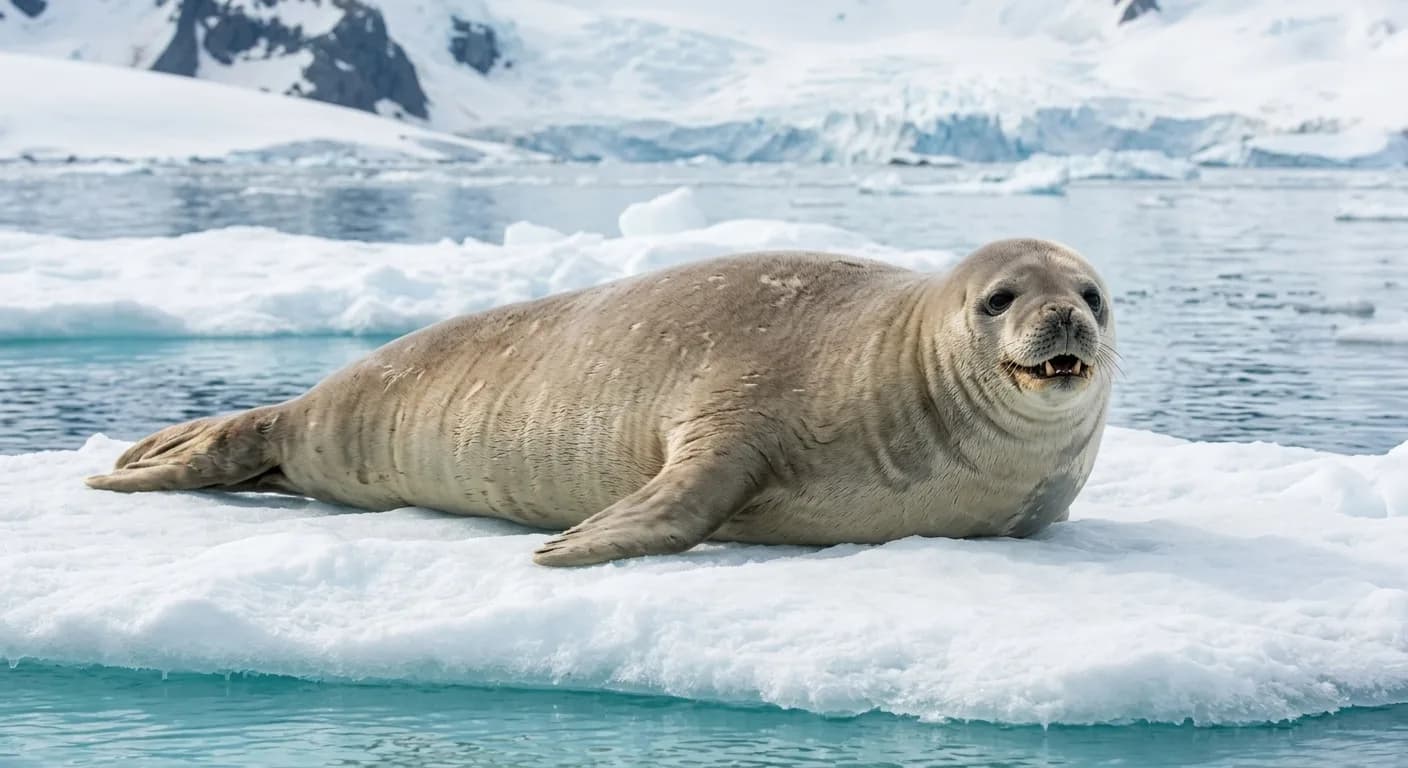 Least Concern
Crabeater Seal
Lobodon carcinophaga
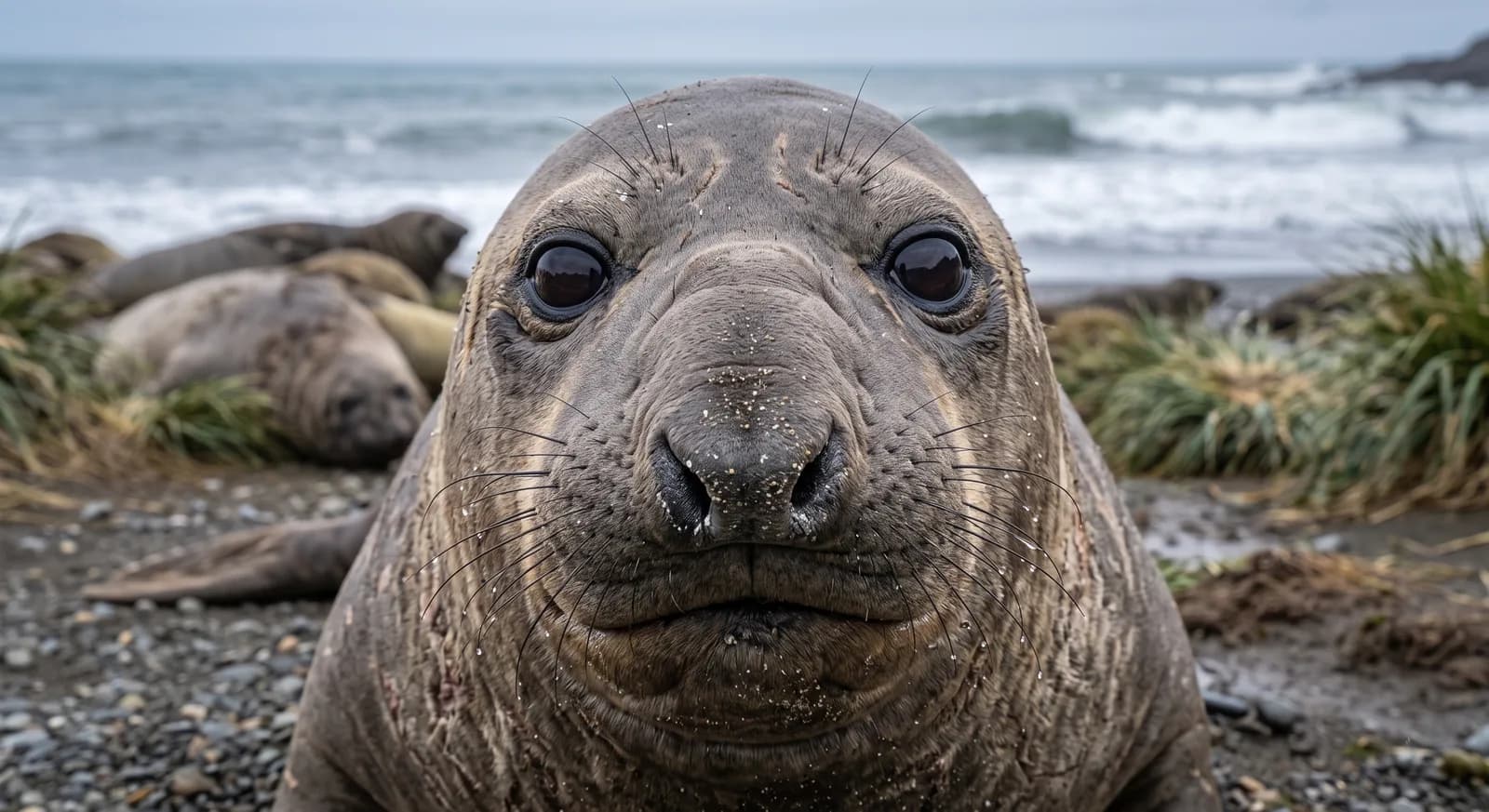 Vulnerable
Southern Elephant Seal
Mirounga leonina
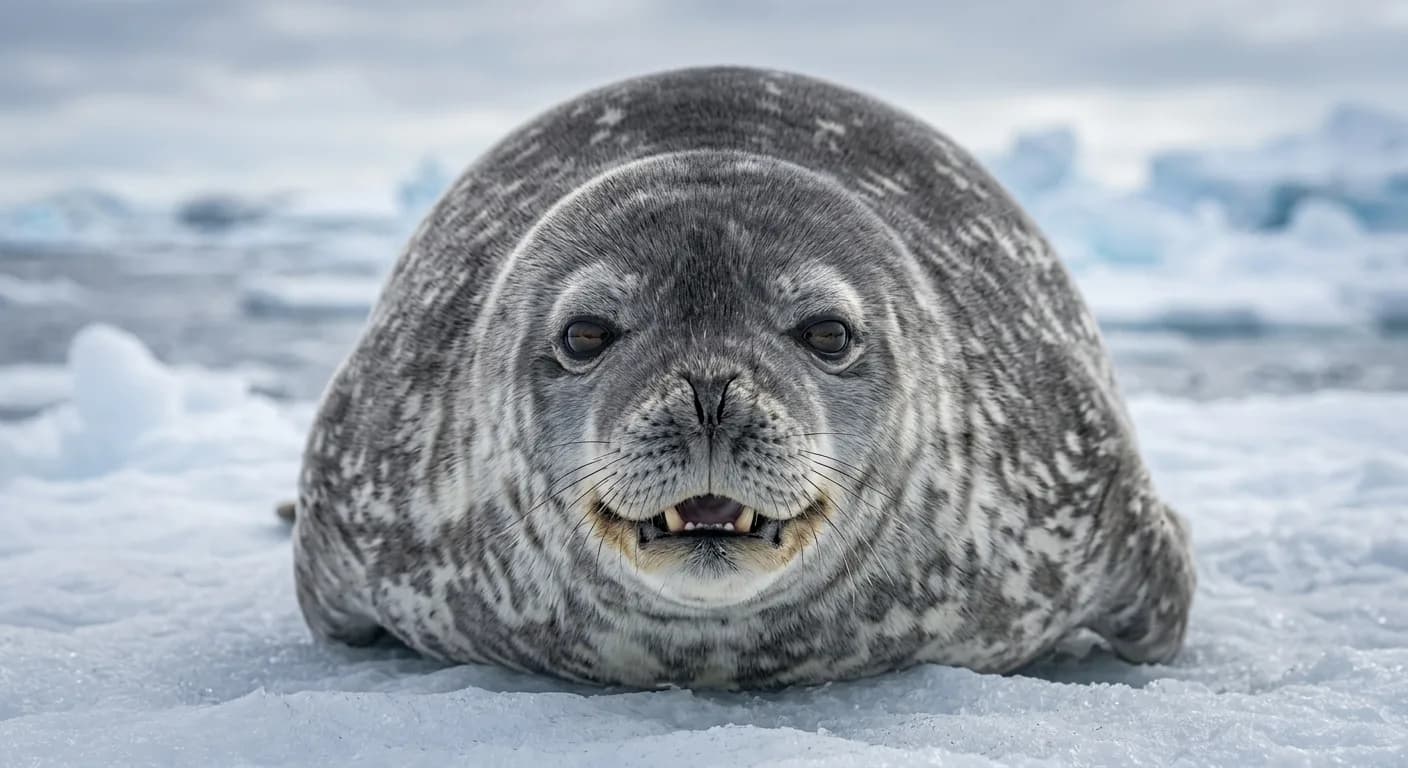 Least Concern
Weddell Seal
Leptonychotes weddellii
Keep exploring
Based on what we already know about blackfin icefish.
Comments
Share an experience, a fun fact or a tip for seeing the blackfin icefish.
Be the first to comment.