One of the 3 sturgeons on WAnimals
Bony fish · Acipenseriformes · Acipenseridae
White Sturgeon
Acipenser transmontanus
It faces a high risk of extinction in the wild over the medium term. See full glossary
The white sturgeon is a fish of the genus Sinosturio, family Acipenseridae. It was scientifically described by Richardson in 1836.
Weight
448.8 kg on average
Size
up to 6.1 m
Lifespan
104 years
Diet
Carnivore
Feeds mainly on other animals.
Sighting difficulty
Moderate
Fun facts
- It is the largest freshwater fish in North America and can live beyond a hundred years.
- The females spawn only every two to five years, which makes populations very slow to recover.
- The Kootenai River population is listed as endangered in the United States because of the almost complete lack of juvenile recruitment since Libby Dam began regulating the river in 1972.
Life cycle & biology
- Skeleton type
- Vertebrate - largely cartilaginous internal skeleton (chondrostean)
- Habitat & environment
- Large rivers and estuaries of the Pacific slope of North America, from the Gulf of Alaska to Monterey, California, between 1 and 122 m; it runs up into the higher reaches to spawn
- Sexual maturity
- 22.5 years
Sources consulted: https://es.wikipedia.org/wiki/Sinosturio_transmontanus
Where to watch it
Parks and dive sites where this species has been documented.
Related species
Other species in the catalogue with the most in common with White Sturgeon — same habitat, park, country, tags or family.
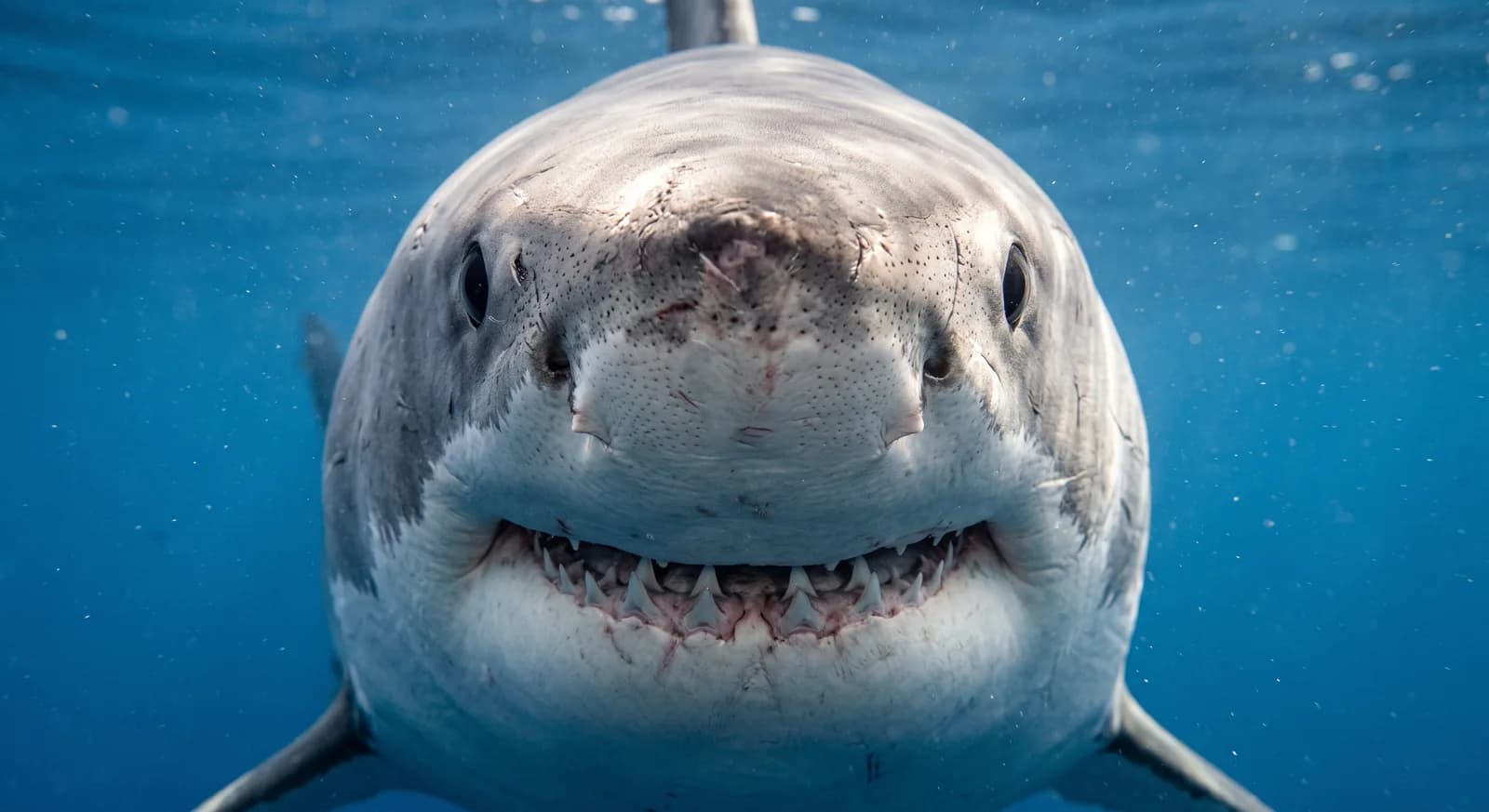 Vulnerable
Great White Shark
Carcharodon carcharias
Porbeagle
Lamna nasus
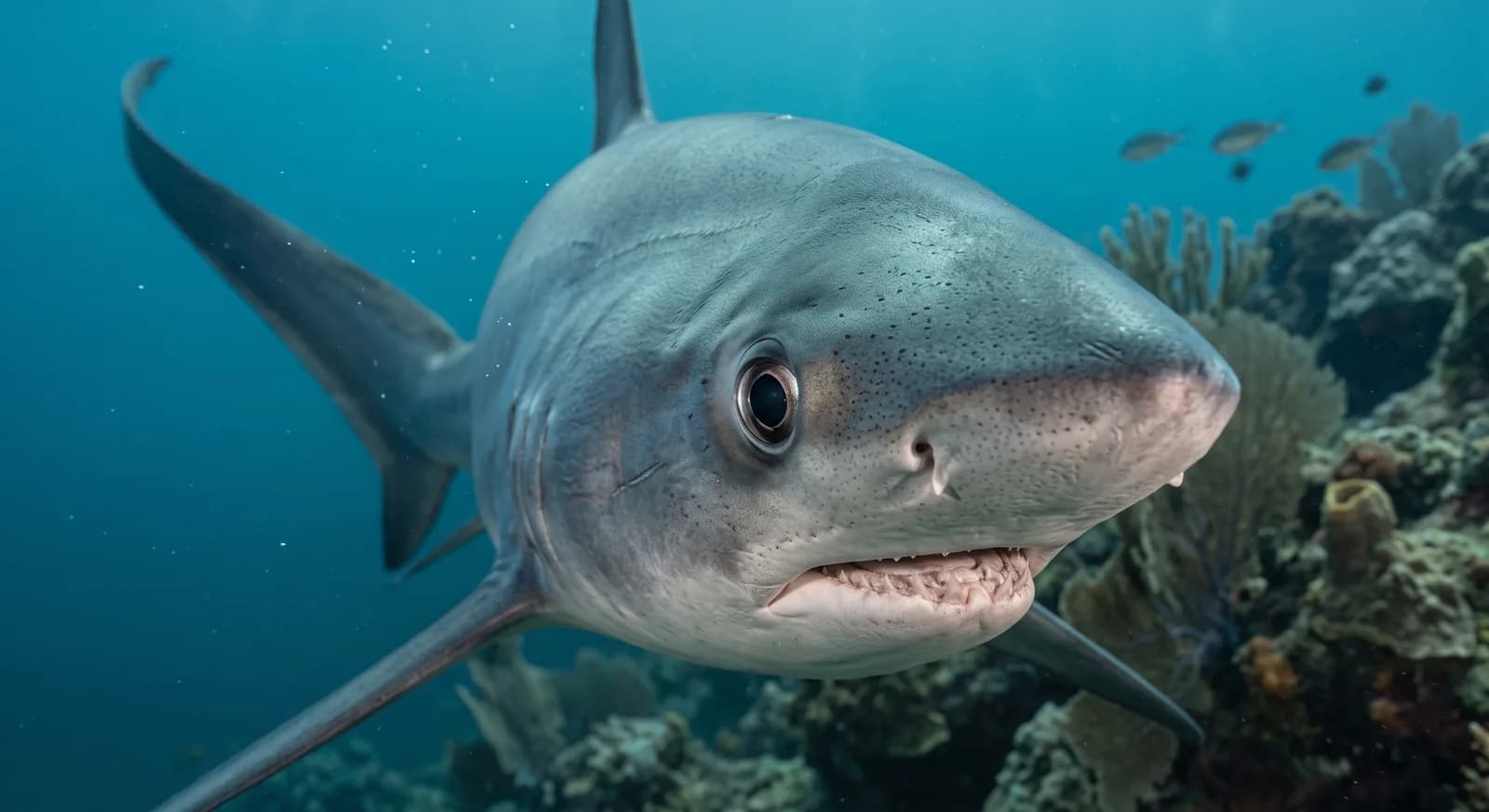 Vulnerable
Grayfish
Alopias vulpinus
Spurdog
Squalus acanthias
Alligator Gar
Atractosteus spatula
Longnose Gar
Lepisosteus osseus
How to help
The white sturgeon is classified as vulnerable. Organizations such as UICN, WWF y Wildlife Conservation Society work specifically on its conservation and that of its habitat; looking into their programs is a good starting point if you want to get involved.
It's documented in 5 real protected areas — part of why protecting these places matters for its conservation.
Keep exploring
Based on what we already know about white sturgeon.
Comments
Share an experience, a fun fact or a tip for seeing the white sturgeon.
Be the first to comment.