One of the 6 pangolins on WAnimals
Mammals · Pholidota · Manidae
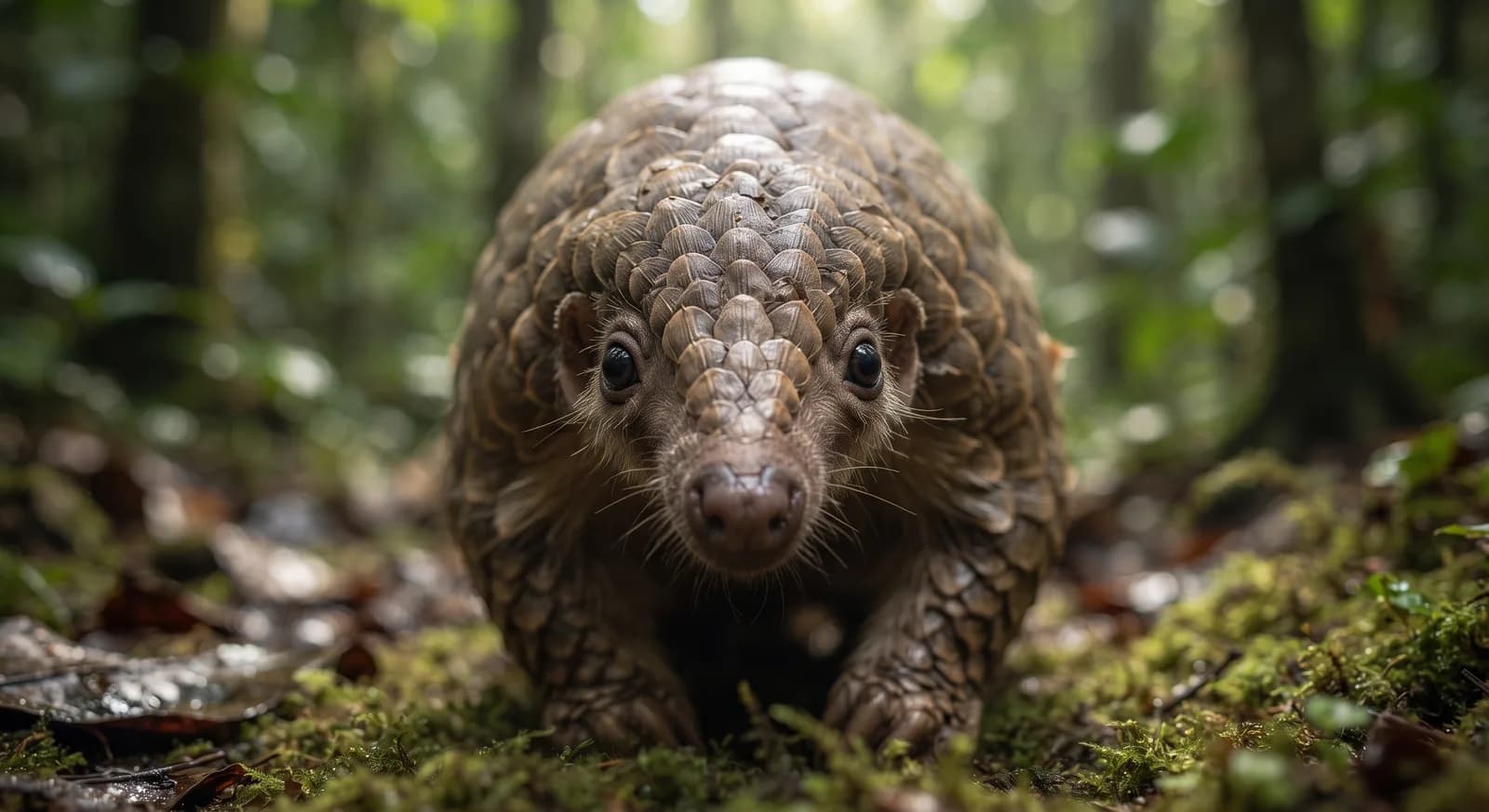
Philippine Pangolin
Manis culionensis
It faces an extremely high risk of imminent extinction in the wild. See full glossary
The Philippine pangolin, known locally as balintong, is endemic to the Palawan archipelago, in the western Philippines. It was not recognised as a species in its own right, separate from the Sunda pangolin, until 2005. It is nocturnal, arboreal and solitary, and feeds on ants and termites that it finds by smell and catches with an extremely long tongue. Its scales are made of keratin and have no demonstrated medicinal properties, but demand from the Asian market has caused its populations to collapse in barely two decades.
Weight
2 kg – 4 kg
Size
30 cm – 60 cm
Diet
Insectivore
Feeds mainly on insects and other invertebrates.
Activity
Nocturnal
Active mainly at night.
Social structure
Solitary
Lives and hunts alone, joining others only to breed.
Sighting difficulty
Very hard
Fun facts
- It was only recognised as a species in its own right in 2005: until then the Palawan populations were thought to be Sunda pangolins.
- Pangolins are the most trafficked mammals in the world: it is estimated that in recent decades scales corresponding to more than a million animals have been seized.
Life cycle & biology
- Skeleton type
- Vertebrate - internal bony skeleton (mammal)
- Habitat & environment
- Primary and secondary rainforest, scrub and plantations of the Palawan islands, in the Philippines
- Gestation / incubation
- 5 months
- Litter / clutch size
- 1
Sources consulted: https://es.wikipedia.org/wiki/Manis_culionensis
Where to watch it
Parks and dive sites where this species has been documented.
Related species
Other species in the catalogue with the most in common with Philippine Pangolin — same habitat, park, country, tags or family.
Sunda Pangolin
Manis javanica
Common House Gecko
Hemidactylus frenatus
Golden-capped Fruit Bat
Acerodon jubatus
 Vulnerable
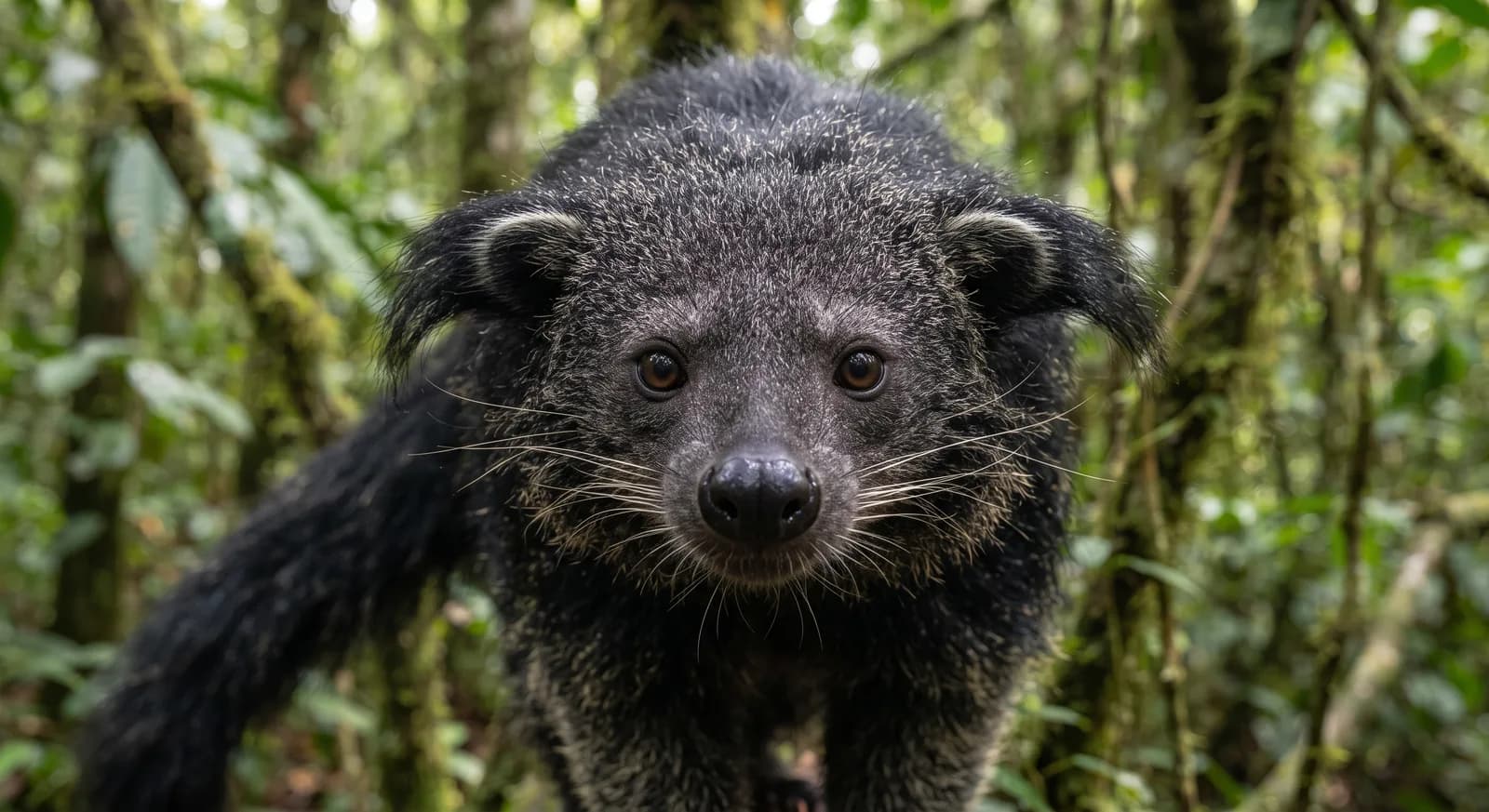
Binturong
Arctictis binturong
 Critically Endangered
Chinese Pangolin
Manis pentadactyla
Large Flying-fox
Pteropus vampyrus
How to help
The philippine pangolin is classified as critically endangered. Organizations such as UICN, WWF y Wildlife Conservation Society work specifically on its conservation and that of its habitat; looking into their programs is a good starting point if you want to get involved.
It's documented in 1 real protected area — part of why protecting these places matters for its conservation.
Keep exploring
Based on what we already know about philippine pangolin.
Comments
Share an experience, a fun fact or a tip for seeing the philippine pangolin.
Be the first to comment.