One of the 47 frogs on WAnimals
Amphibians · Anura · Nasikabatrachidae
Purple Frog
Nasikabatrachus sahyadrensis
It faces a very high risk of extinction in the wild in the near future. See full glossary
The purple frog is one of the most remarkable zoological discoveries of the twenty-first century: it was described in 2003 and turned out to belong to a family of its own whose closest relatives live in the Seychelles, separated for more than a hundred million years. It lives buried all year round and emerges only for a few days during the monsoon.
Size
5 cm – 9 cm
Lifespan
10 years
Diet
Insectivore
Feeds mainly on insects and other invertebrates.
Activity
Nocturnal
Active mainly at night.
Social structure
Solitary
Lives and hunts alone, joining others only to breed.
Sighting difficulty
Hard
Fun facts
- comportamientoIt spends almost its whole life underground and comes up only for a couple of weeks a year to breed during the monsoon.
- GeneralIt spends the whole year underground and comes up for just two weeks when the monsoon arrives.
- It is a living fossil: its lineage separated from that of its closest relatives, a group of frogs in the Seychelles, more than a hundred million years ago, when India and those islands were part of the same continental block. Its discovery in 2003 was likened to finding an unknown mammal the size of an elephant.
- It spends the whole year buried several metres down and emerges only two weeks a year, during the first monsoon rains, to breed in the torrents.
- Its snout is pointed and it has a grooved tongue specialised for eating termites underground, without needing to come to the surface.
Life cycle & biology
- Skeleton type
- Vertebrate - internal bony skeleton (amphibian)
- Habitat & environment
- Damp underground soils of montane rainforest
- Sexual maturity
- 3 years
- Gestation / incubation
- Larval development in mountain torrents
- Litter / clutch size
- 3000 eggs
Sources consulted: https://www.iucnredlist.org/ | https://animaldiversity.org/ | https://es.wikipedia.org/
Where to watch it
Parks and dive sites where this species has been documented.
Related species
Other species in the catalogue with the most in common with Purple Frog — same habitat, park, country, tags or family.
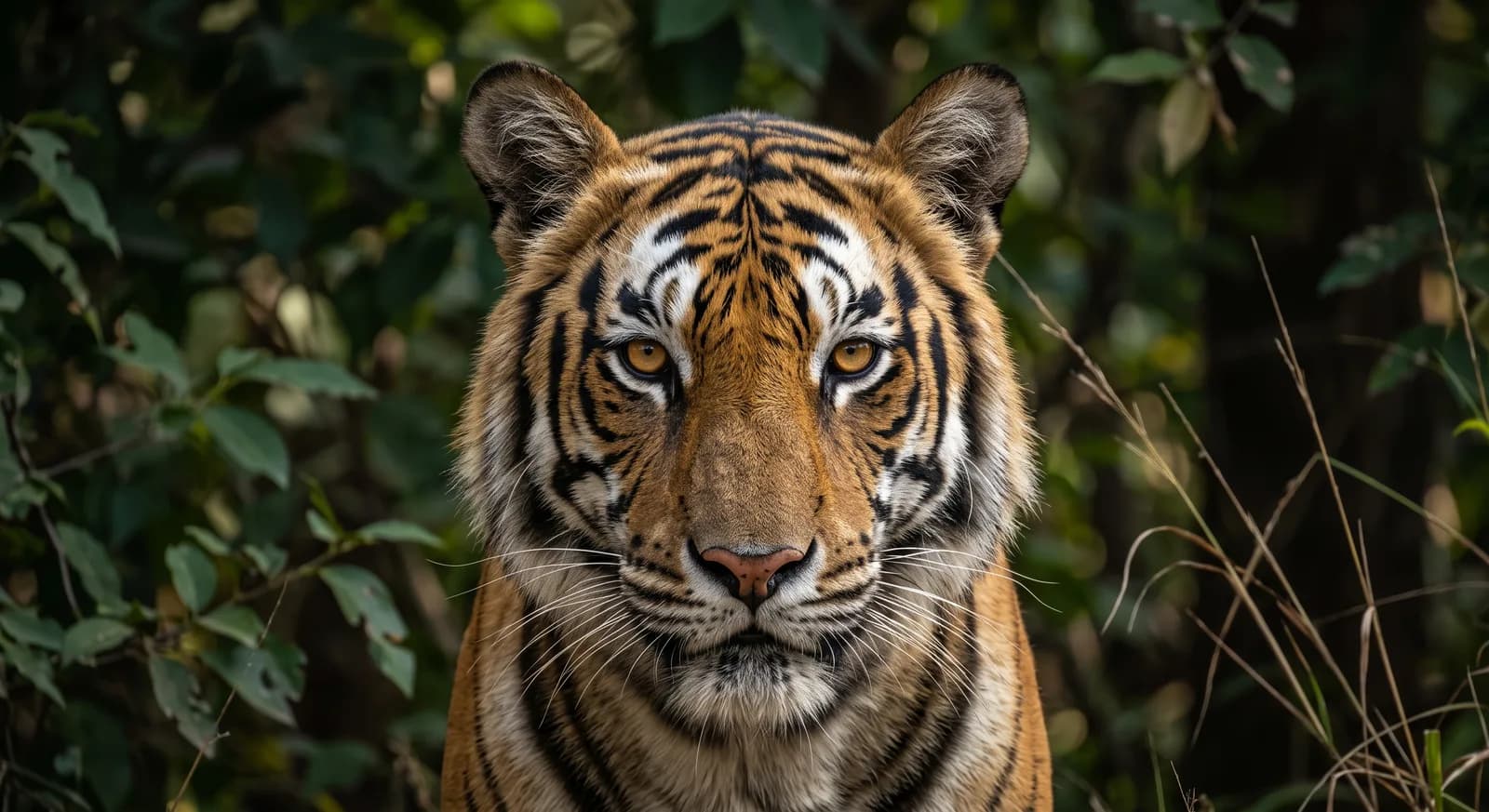 Endangered
Bengal Tiger
Panthera tigris tigris
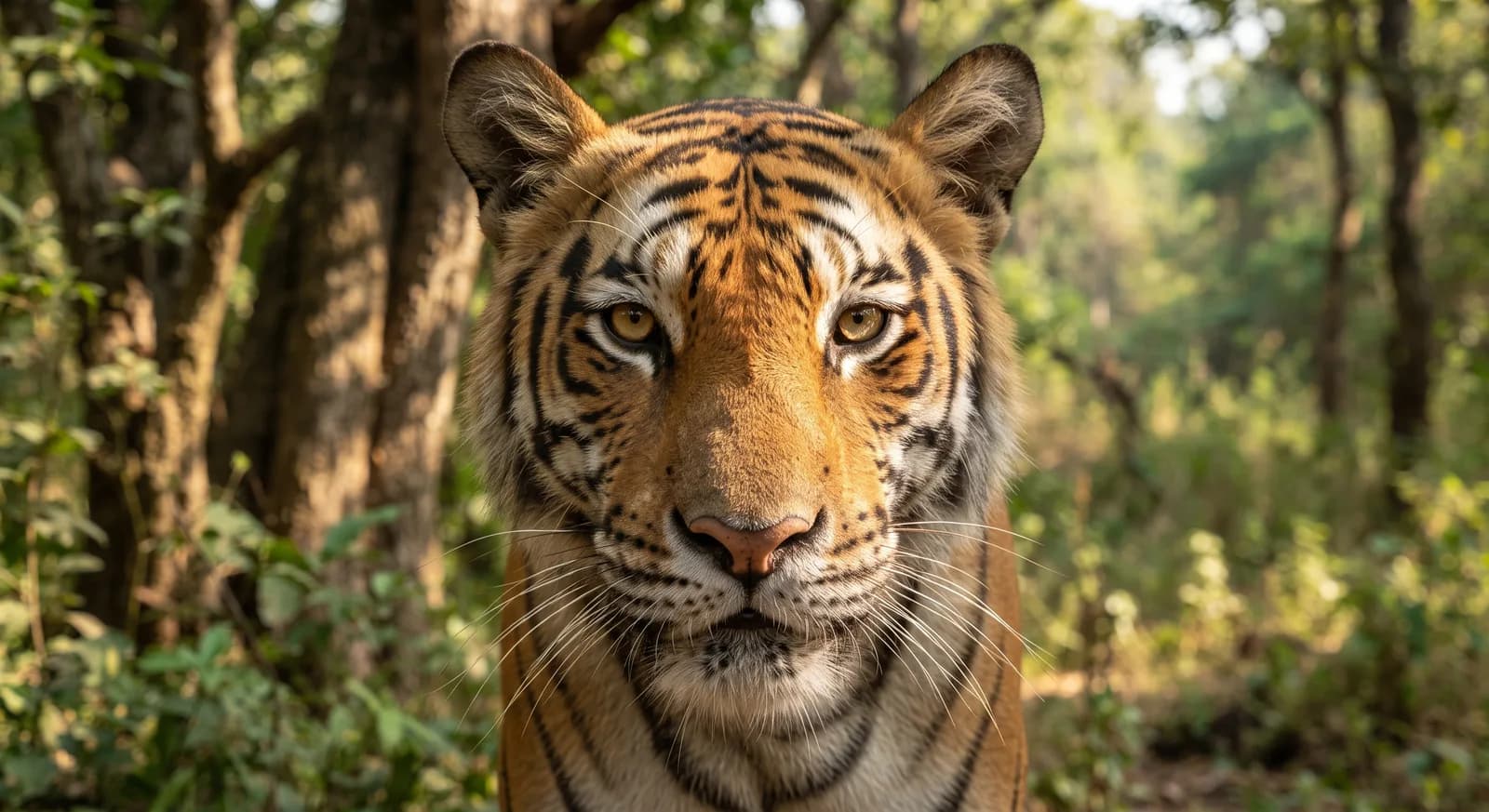 Endangered
Tiger
Panthera tigris
Indian Pangolin
Manis crassicaudata
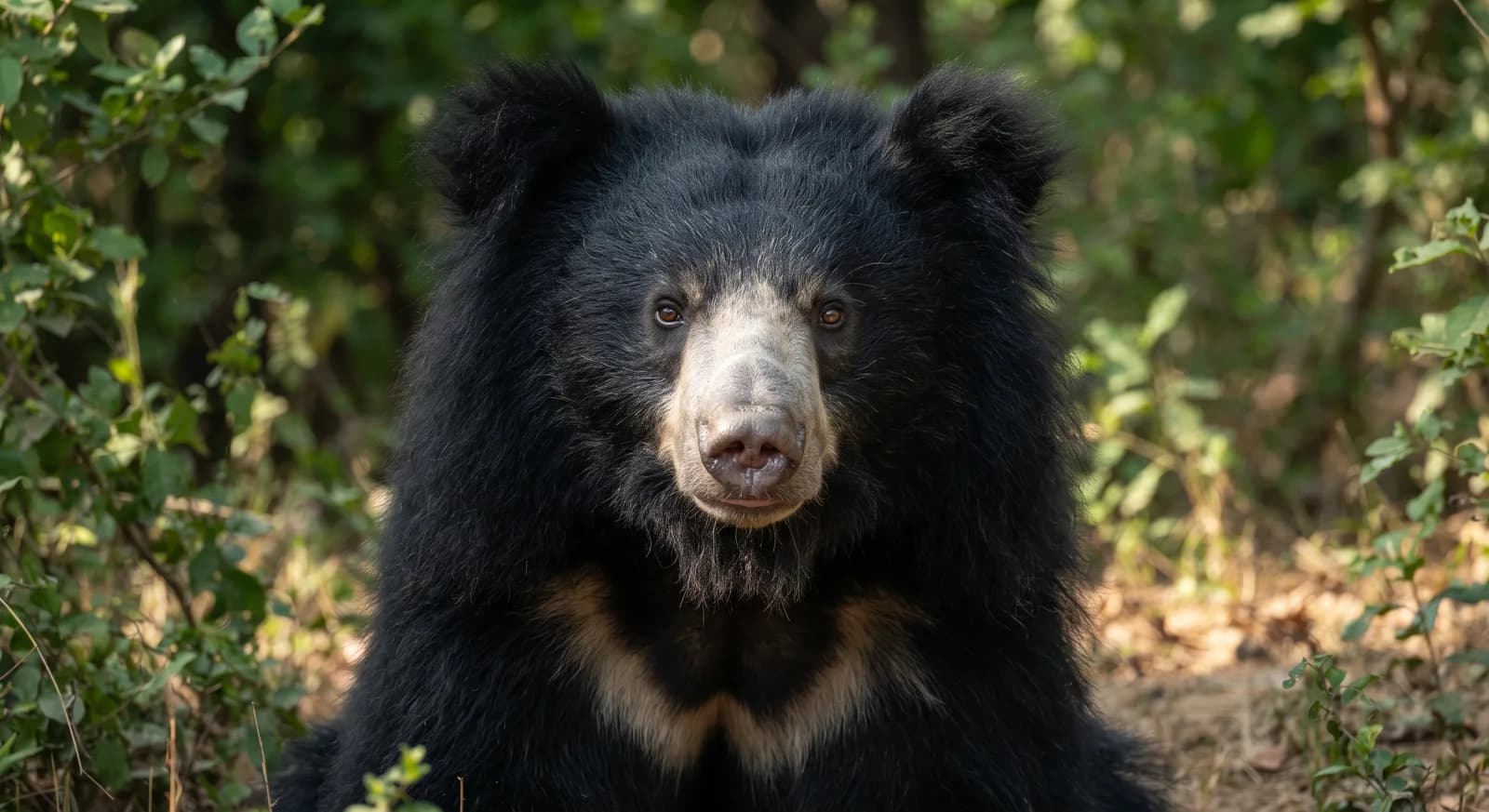 Vulnerable
Sloth Bear
Melursus ursinus
Fishing Cat
Prionailurus viverrinus
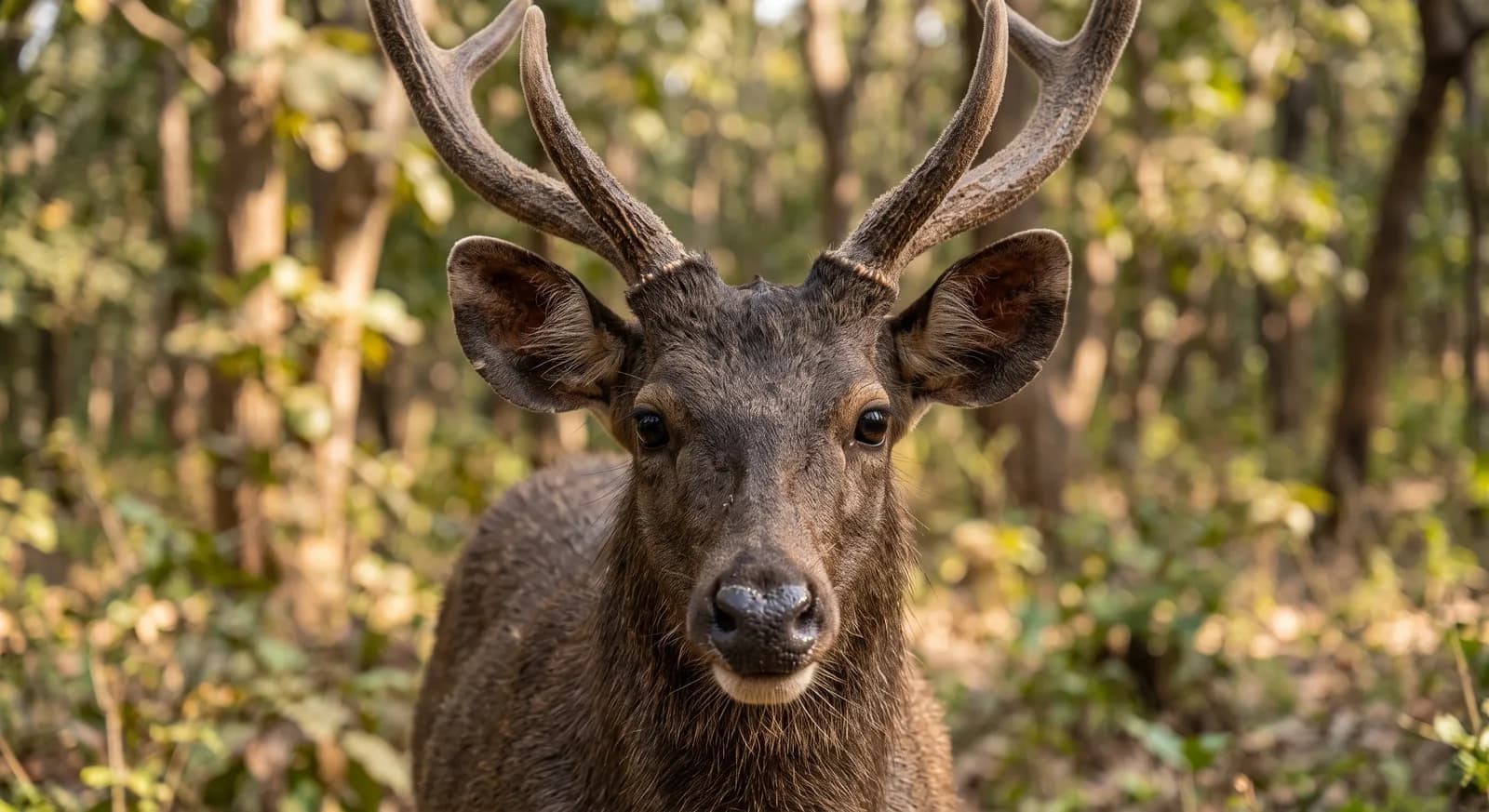 Vulnerable
Sambar
Rusa unicolor
How to help
The purple frog is classified as endangered. Organizations such as UICN, WWF y Wildlife Conservation Society work specifically on its conservation and that of its habitat; looking into their programs is a good starting point if you want to get involved.
It's documented in 4 real protected areas — part of why protecting these places matters for its conservation.
Keep exploring
Based on what we already know about purple frog.
Comments
Share an experience, a fun fact or a tip for seeing the purple frog.
Be the first to comment.