One of the 47 frogs on WAnimals
Amphibians · Anura · Dendrobatidae
Granular Poison Frog
Oophaga granulifera
It faces a high risk of extinction in the wild over the medium term. See full glossary
The granular poison frog is a dendrobatid of intense red or orange with green or blue legs, restricted to a strip of the Pacific slope of Costa Rica and Panama. Like its relative the strawberry poison frog, the mother feeds each tadpole with infertile eggs in a different bromeliad for weeks on end.
Weight
1 kg – 2 kg
Size
1.8 cm – 2.4 cm
Lifespan
8 years
Diet
Insectivore
Feeds mainly on insects and other invertebrates.
Activity
Diurnal
Active mainly during the day.
Social structure
Solitary
Lives and hunts alone, joining others only to breed.
Sighting difficulty
Moderate
Fun facts
- Its range is a narrow strip of the Central American Pacific slope, heavily fragmented by deforestation, which places it in a higher threat category than its more widespread relatives.
- Like the strawberry poison frog, the mother carries each tadpole to a different bromeliad and returns to each of them for weeks to lay an infertile egg for the young to eat.
- The males are extremely territorial despite their size: they defend a square metre of leaf litter with calls, displays and wrestling bouts in which they try to pin their rival to the ground.
Life cycle & biology
- Skeleton type
- Vertebrate - internal bony skeleton (amphibian)
- Habitat & environment
- Understorey of rainforest of the Pacific slope of Costa Rica and Panama
- Size at birth
- The female carries each tadpole to a bromeliad and feeds it with unfertilised eggs
- Sexual maturity
- 10 months
- Gestation / incubation
- Larval development in bromeliads, fed by the mother
- Litter / clutch size
- 5 eggs
Sources consulted: https://es.wikipedia.org/wiki/Oophaga_granulifera
Where to find it
See its range on the interactive mapBest time: All year round on the Pacific slope of Costa Rica and Panama, by day, on the floor of the rainforest.
Where to watch it
Parks and dive sites where this species has been documented.
Related species
Other species in the catalogue with the most in common with Granular Poison Frog — same habitat, park, country, tags or family.
Green and Black Poison Frog
Dendrobates auratus
Strawberry Poison Frog
Oophaga pumilio
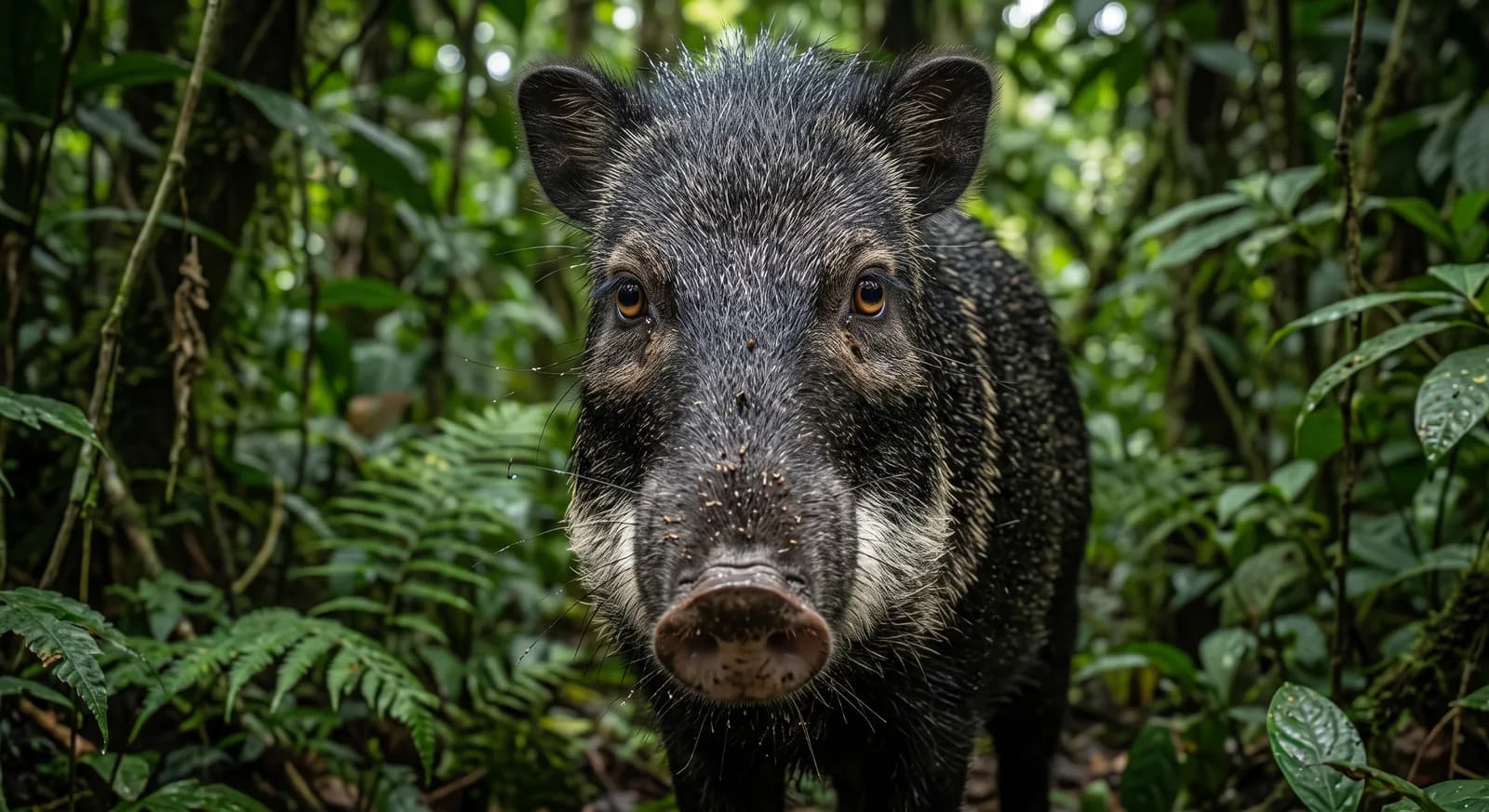 Vulnerable
White-Lipped Peccary
Tayassu pecari
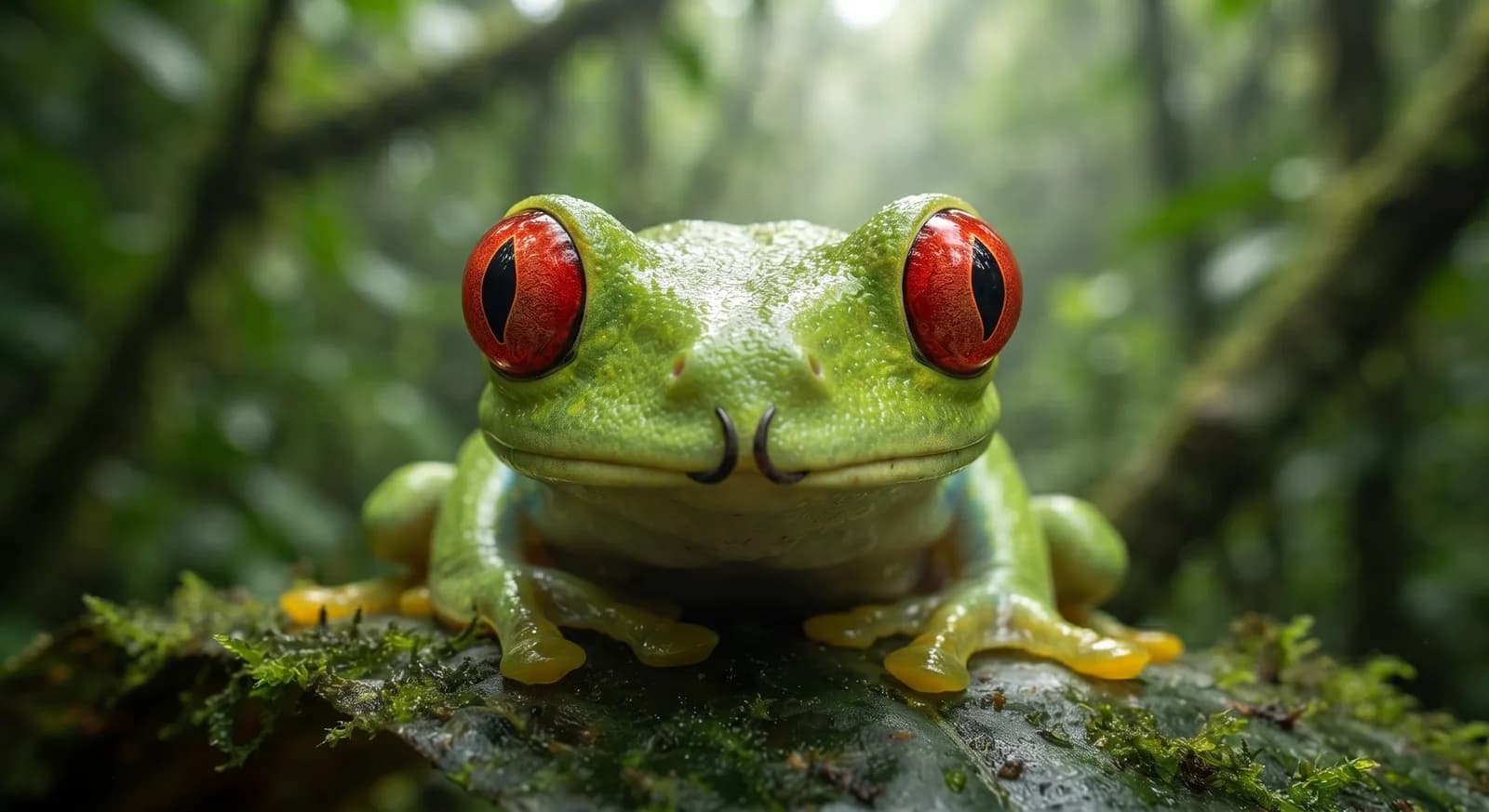 Least Concern
Red-eyed Treefrog
Agalychnis callidryas
Giant Ameiva
Ameiva ameiva
How to help
The granular poison frog is classified as vulnerable. Organizations such as UICN, WWF y Wildlife Conservation Society work specifically on its conservation and that of its habitat; looking into their programs is a good starting point if you want to get involved.
It's documented in 7 real protected areas — part of why protecting these places matters for its conservation.
Keep exploring
Based on what we already know about granular poison frog.
Comments
Share an experience, a fun fact or a tip for seeing the granular poison frog.
Be the first to comment.