One of the 4 trogons on WAnimals
Birds · Trogoniformes · Trogonidae
Hispaniolan Trogon
Priotelus roseigaster
It could become endangered in the near future if current threats go unchecked. See full glossary
The Hispaniolan trogon is the national bird of Haiti and endemic to the island that country shares with the Dominican Republic. It is metallic green above, grey on the breast and intensely red on the belly, with a tail barred in black and white. It depends on the island's montane forests, which are much reduced, above all on the Haitian side.
Weight
60 g – 80 g
Size
27 cm – 30 cm
Lifespan
12 years
Diet
Omnivore
Combines animal and plant food depending on availability.
Activity
Diurnal
Active mainly during the day.
Social structure
In pairs
Usually lives in pairs, sometimes for life.
Sighting difficulty
Moderate
Fun facts
- It is the national bird of Haiti, a country that has lost more than ninety per cent of its original forest cover: the future of the species today depends almost entirely on the forests of the Dominican side.
- It nests in holes in dead trees and in cavities abandoned by woodpeckers, and depends on old, decaying trees being left standing.
- Like all trogons it has the heterodactyl toe arrangement, with the first and second toes pointing backwards, an anatomy shared by no other group of birds in the world.
Life cycle & biology
- Skeleton type
- Vertebrate - internal bony skeleton (bird)
- Habitat & environment
- Humid montane forest and pine woods of the island of Hispaniola, between 500 and 2,500 metres
- Sexual maturity
- 12 months
- Gestation / incubation
- 18 days of incubation
- Litter / clutch size
- 2 eggs
Sources consulted: https://es.wikipedia.org/wiki/Priotelus_roseigaster
Where to watch it
Parks and dive sites where this species has been documented.
Related species
Other species in the catalogue with the most in common with Hispaniolan Trogon — same habitat, park, country, tags or family.
Hispaniolan Amazon
Amazona ventralis
 Near Threatened
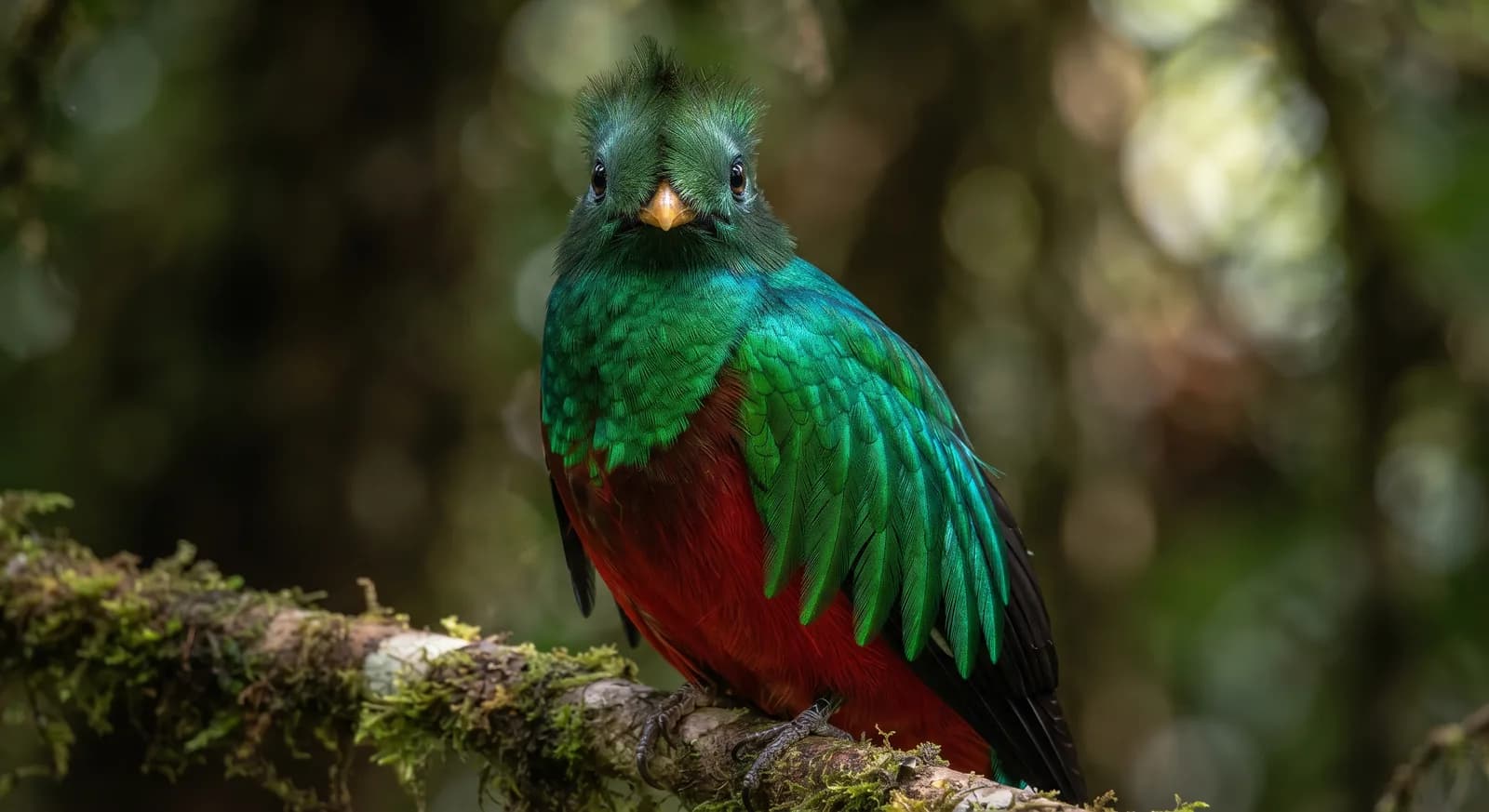
Resplendent Quetzal
Pharomachrus mocinno
 Least Concern
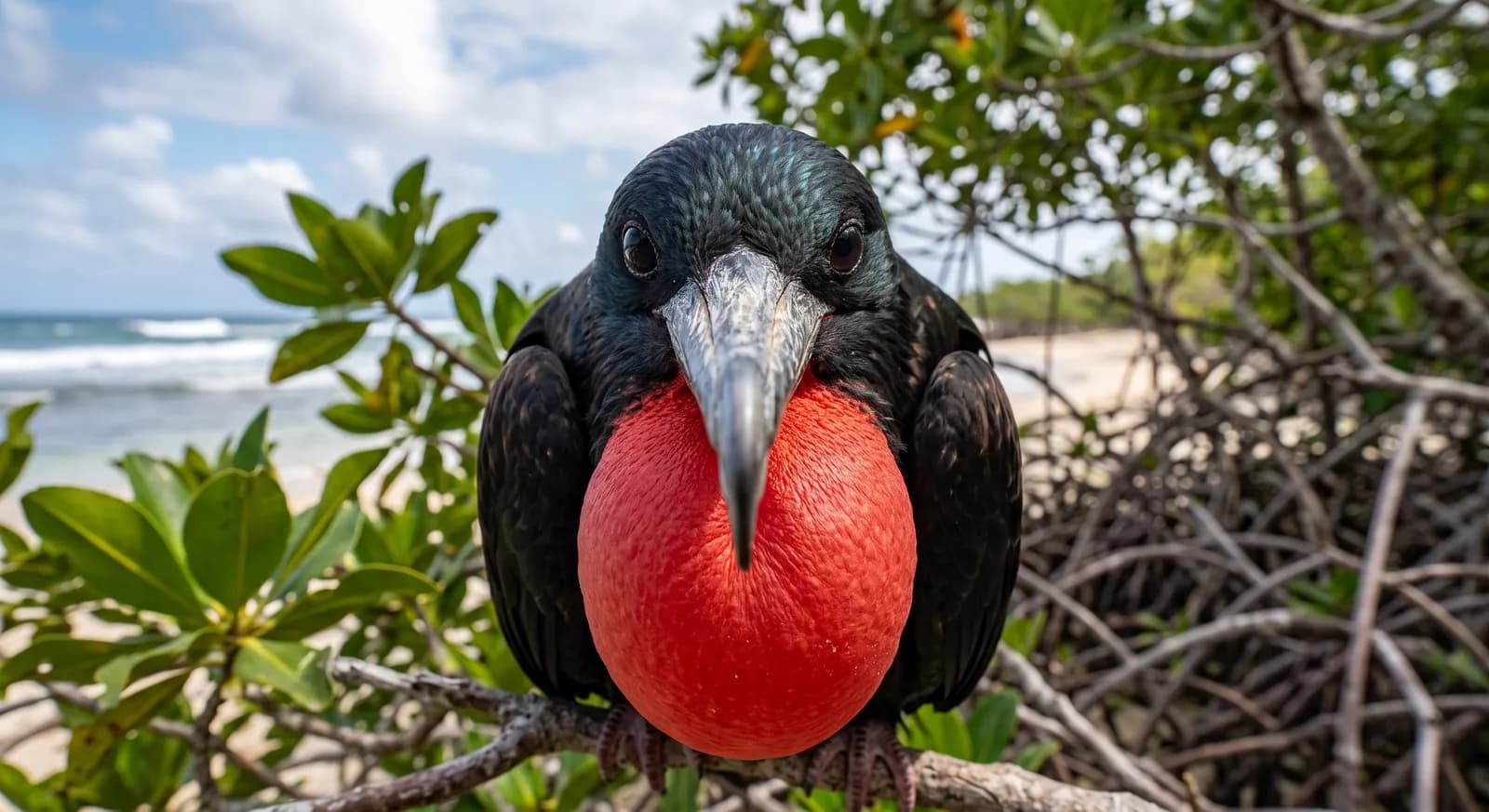
Magnificent Frigatebird
Fregata magnificens
Cuban Brown Anole
Anolis sagrei
Snowy Egret
Egretta thula
Collared Trogon
Trogon collaris
Keep exploring
Based on what we already know about hispaniolan trogon.
Comments
Share an experience, a fun fact or a tip for seeing the hispaniolan trogon.
Be the first to comment.