One of the 17 foxes on WAnimals
Mammals · Carnivora · Canidae
Bengal Fox
Vulpes bengalensis
The species is abundant and widely distributed; it faces no significant short-term risk. See full glossary
The Indian fox or Bengal fox is a small, slender canid endemic to the Indian subcontinent, with a bushy black-tipped tail that makes up more than half its length. It avoids both true deserts and dense forest, and occupies semi-arid grassland and farmland mosaics. It lives in monogamous pairs that dig complex burrows with several entrances. Its great threat is the conversion of grassland, officially classified as wasteland in India and therefore the first to disappear.
Weight
1.8 kg – 4.1 kg
Size
45 cm – 60 cm
Lifespan
8 years
Diet
Omnivore
Combines animal and plant food depending on availability.
Activity
Nocturnal
Active mainly at night.
Social structure
In pairs
Usually lives in pairs, sometimes for life.
Sighting difficulty
Easy
Fun facts
- Its habitat, the dry Indian grassland, is officially classified as wasteland in the country's legislation, which has allowed enormous areas to be turned over to crops, industry or plantations without environmental assessment: it is the main cause of its local decline.
- It forms monogamous pairs that can last for life and that hunt, dig and raise young together, with the male relieving the female on watch at the burrow.
Life cycle & biology
- Skeleton type
- Vertebrate - internal bony skeleton (mammal)
- Habitat & environment
- Semi-arid grassland, thorn scrub and farmland of the Indian subcontinent
- Sexual maturity
- 12 months
- Gestation / incubation
- 50 days
- Litter / clutch size
- 4
Sources consulted: https://www.iucnredlist.org/ | https://animaldiversity.org/ | https://es.wikipedia.org/
Where to find it
See its range on the interactive mapWhere to watch it
Parques y spots de buceo donde se ha documentado esta especie — se muestran 10 de 16 documentados.
Related species
Other species in the catalogue with the most in common with Bengal Fox — same habitat, park, country, tags or family.
Blanford's Fox
Vulpes cana
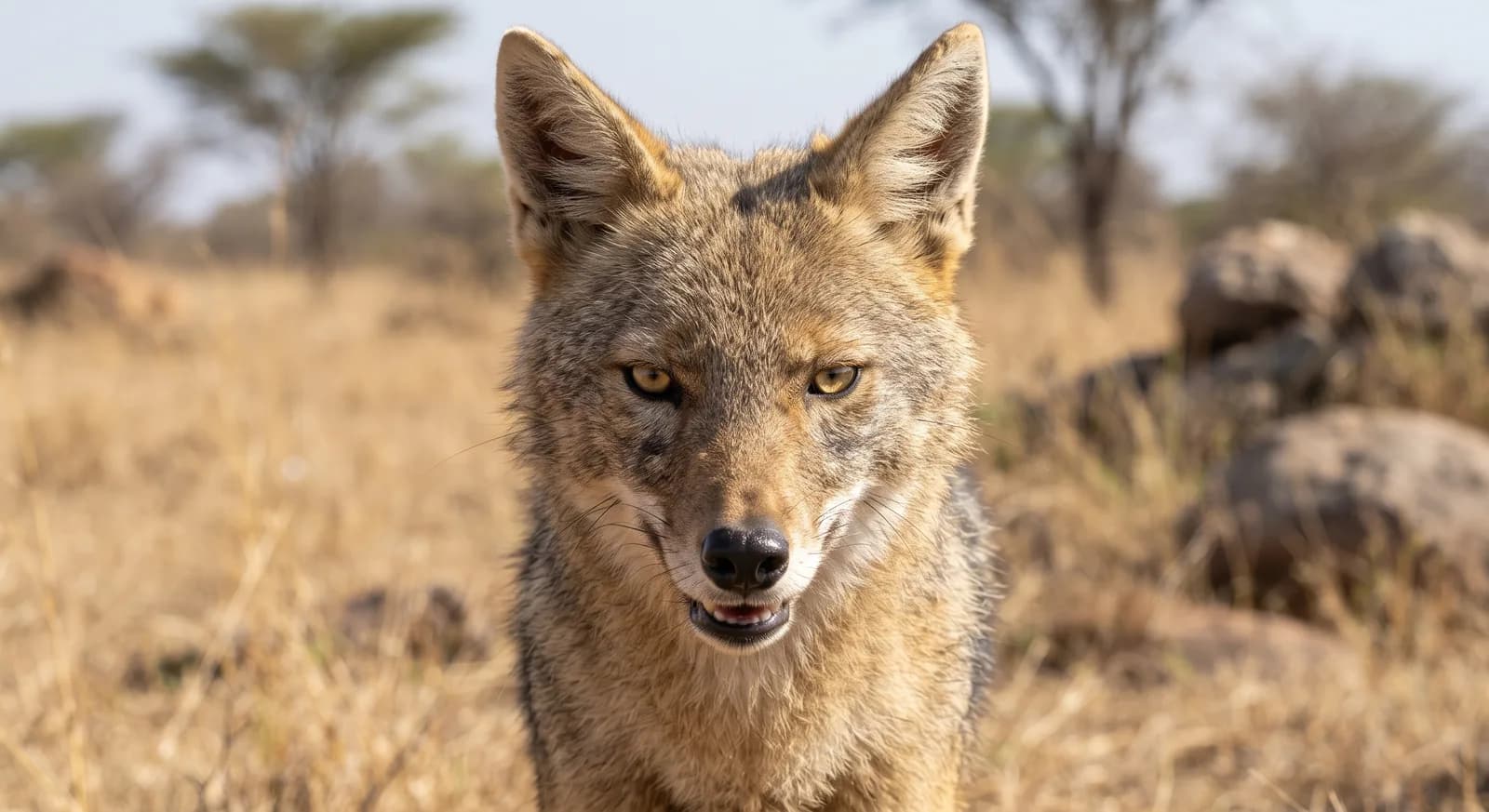 Least Concern
Golden Jackal
Canis aureus
 Least Concern
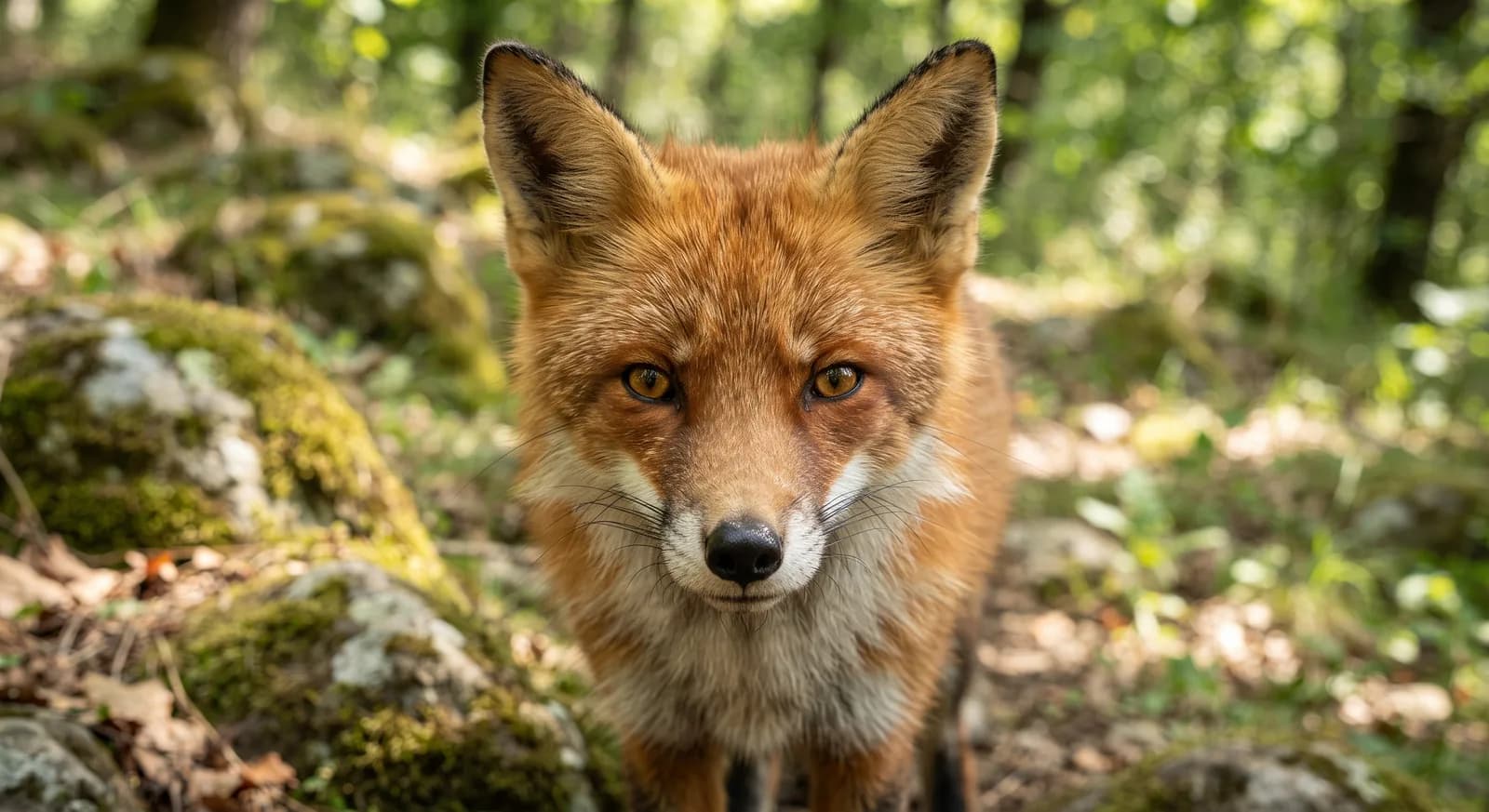
Red Fox
Vulpes vulpes
Fennec Fox
Vulpes zerda
 Least Concern
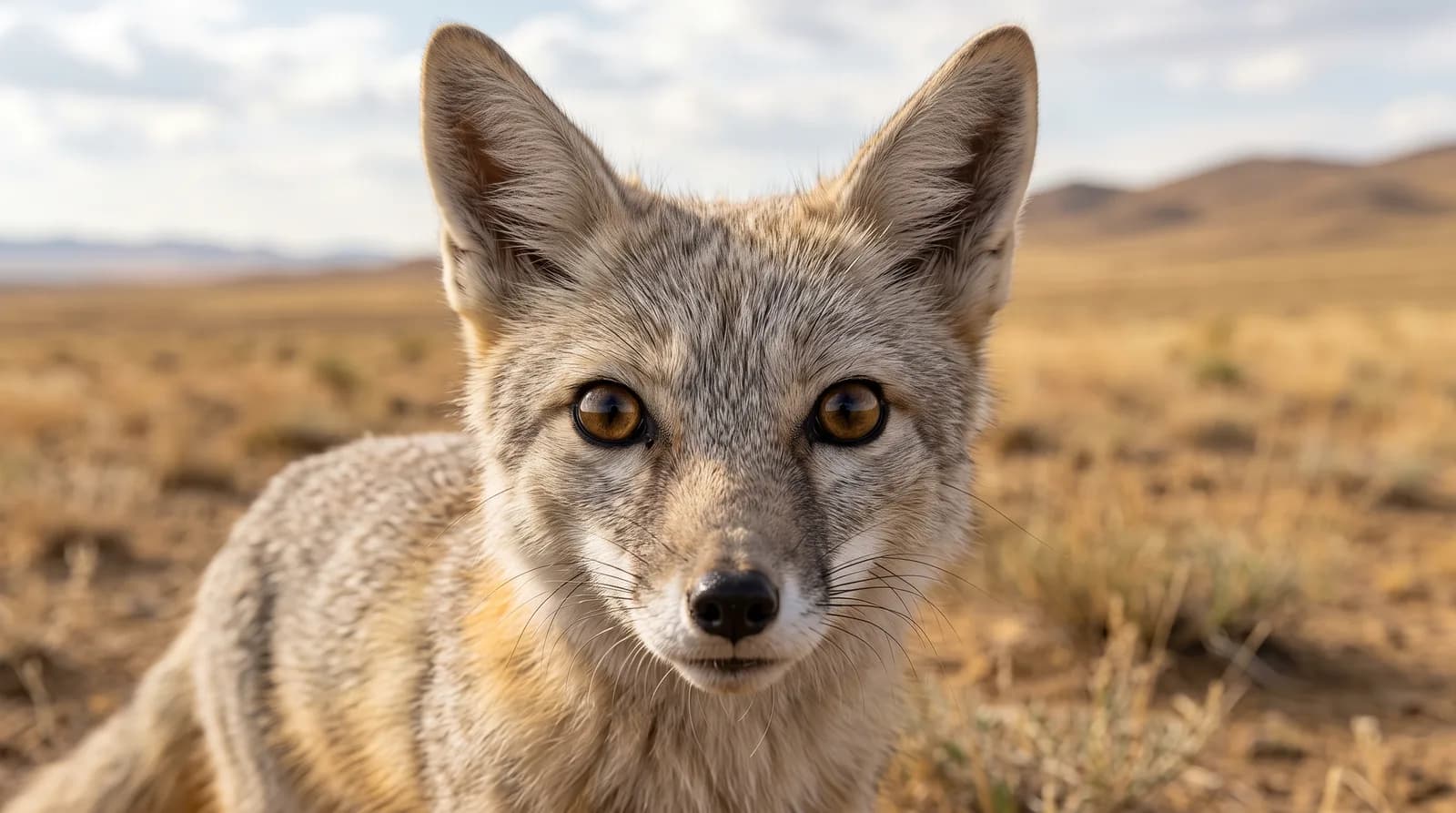
Corsac Fox
Vulpes corsac
Long-eared Hedgehog
Hemiechinus auritus
Keep exploring
Based on what we already know about bengal fox.
Comments
Share an experience, a fun fact or a tip for seeing the bengal fox.
Be the first to comment.