A limestone, Mediterranean island in the middle of Galicia, set above the Sil canyon and riddled with caves.
Area
31 km²
Declared in
2002
Region
Southern Europe
Climate
Árido / desértico, Templado, Mediterráneo, Montañoso
Best time
All year round
Highlight
Limestone bluffs above the Sil canyon
Serra da Enciña da Lastra is the youngest of the natural parks of Galicia: it was declared on 4 April 2002 and takes in 3,151.67 hectares in the municipality of Rubiá, in the Valdeorras district, at the north-eastern tip of Ourense, all but merging with El Bierzo and at the gates of Las Médulas. Its singularity begins with the rock: where Galicia is granite, here there is limestone. That has produced a steep relief of crags, cliffs and canyons — that of the river Sil is the structural axis of the area — and a subsoil riddled with numerous caves, known locally as palas, among them Pala Cumbeira, Pala da Zorra and Pala Pereda, which make the park a reference destination for caving. The average altitude is around 684 m.
The limestone substrate and the shelter of the canyons have created a Mediterranean environment unusual in Galicia. The holm oak, which gives the park its name, occupies around a third of its area, accompanied by strawberry tree, cork oak, almond, olive and chestnut groves, with wild thyme scrub, lavender and oregano in the clearings. The botanical jewel are the orchids: more than 25 species, over half of those recorded in the whole of Galicia, along with endemics of calcareous soils such as Petrocoptis grandiflora, which tints the crags purple.
The inaccessible cliffs of the canyon make the park a first-order ornithological refuge, with the highest concentration of breeding birds in Galicia: golden eagle, peregrine falcon, choughs and house martins breed on its walls, and the Pena Falcueira viewpoint is one of the best places to watch them. Underground, the caves hold nine bat species, the most varied bat community in the region. To these are added the otter and the Iberian desman among the protected mammals. The park also preserves stretches of the Roman road XVIII, which linked Bracara Augusta with Asturica Augusta, and eight small hamlets within its boundaries, with the visitor centre at Biobra.
Location
See on the interactive map1 dive site within 300 km is also shown.
132 species documented in Serra da Enciña da Lastra
At conservation risk:Cangrejo de río autóctono,Murciélago de cueva (murciélago de alas largas),Náyade perlífera,Rana patilarga (rana ibérica),Salamandra rabilarga
Abeja albañil
Osmia bicornis
Abeja carpintera violeta
Xylocopa violacea
Abeja del sudor europea
Lasioglossum malachurum
Abeja minera fulva
Andrena fulva
Abejorro común
Melolontha melolontha
Abejorro terrestre
Bombus terrestris
Águila calzada
Hieraaetus pennatus
Aguilucho cenizo
Circus pygargus
 Least Concern
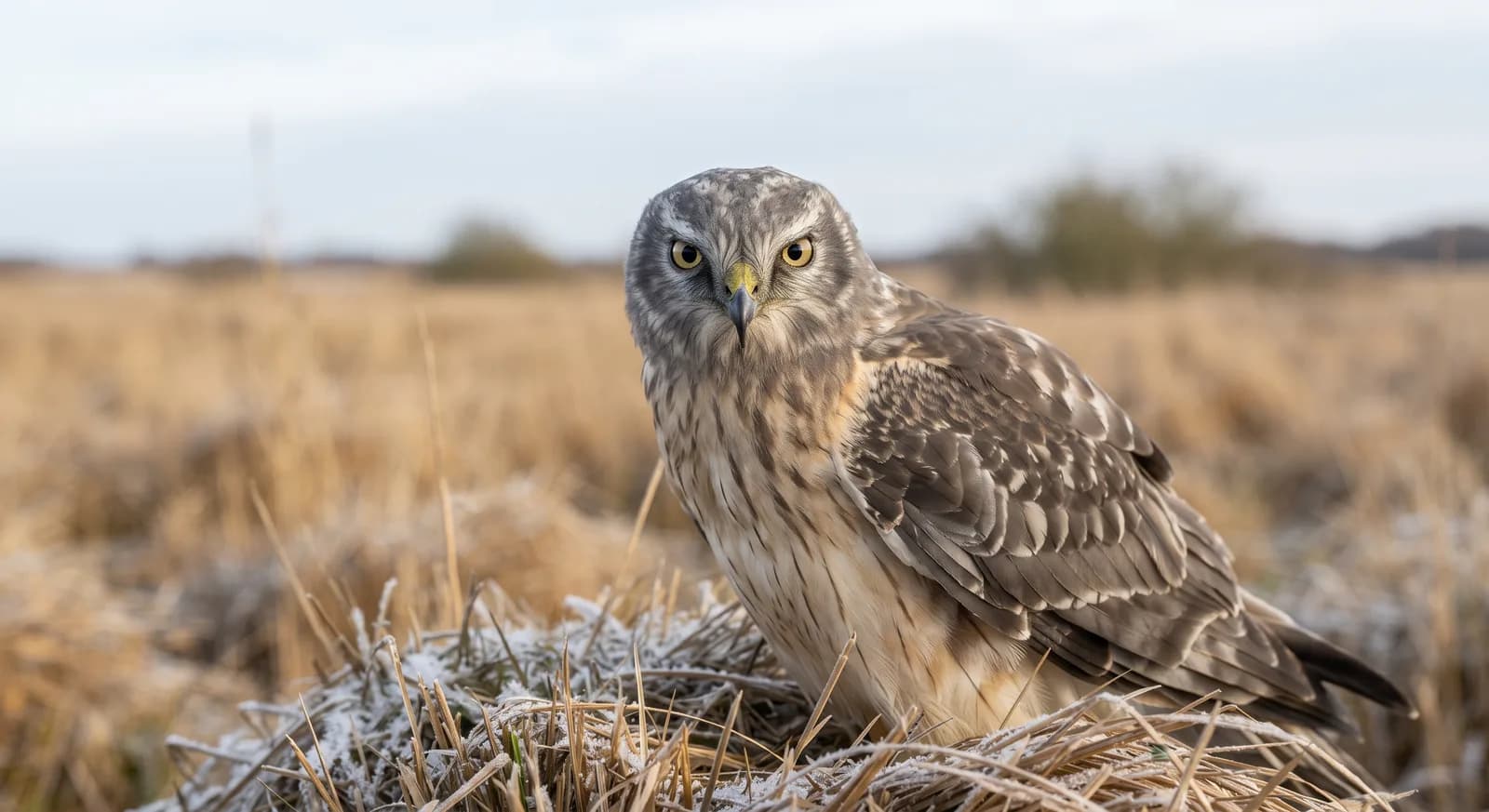
Aguilucho pálido
Circus cyaneus
 Least Concern
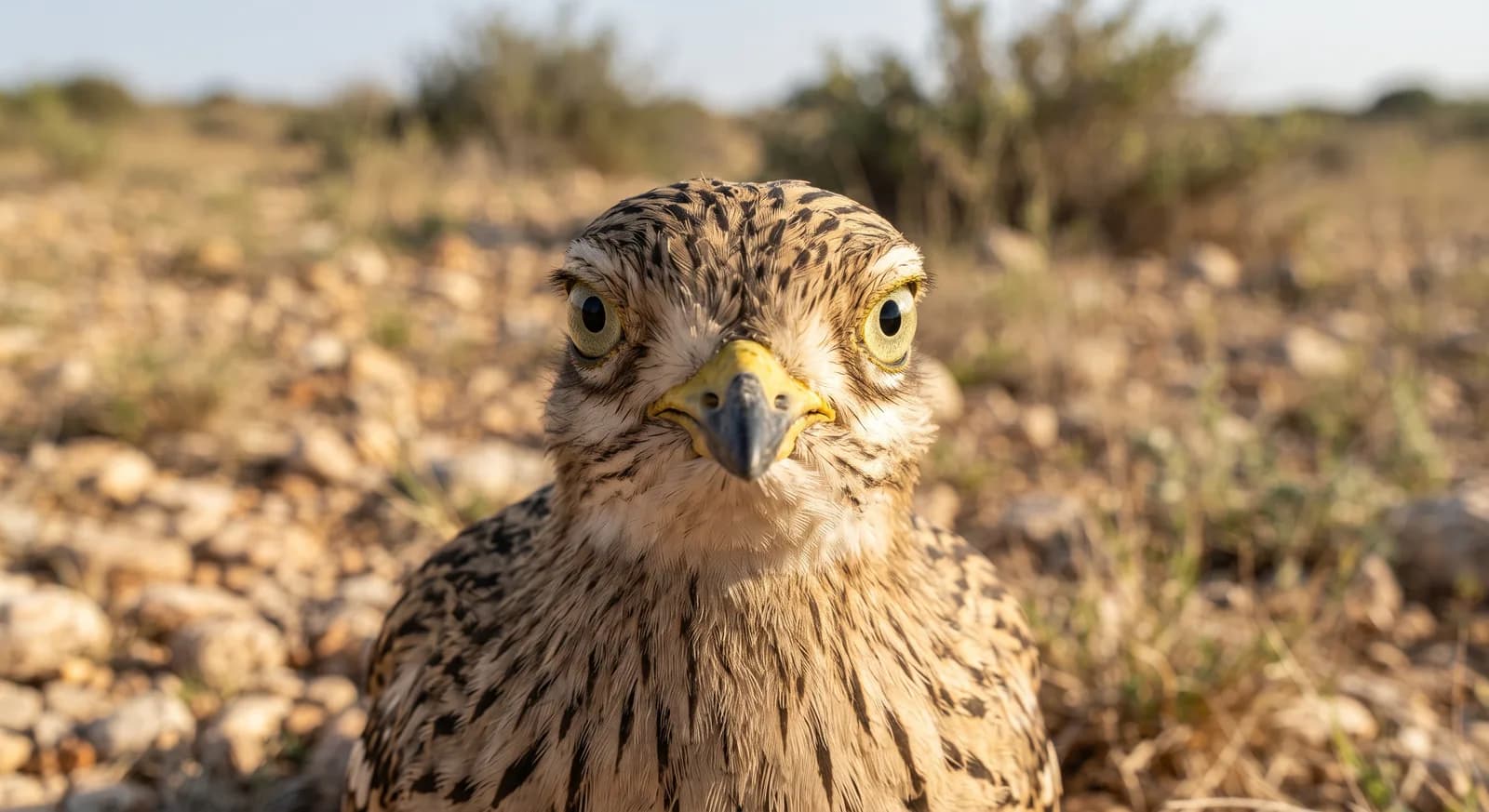
Alcaraván común
Burhinus oedicnemus
 Least Concern
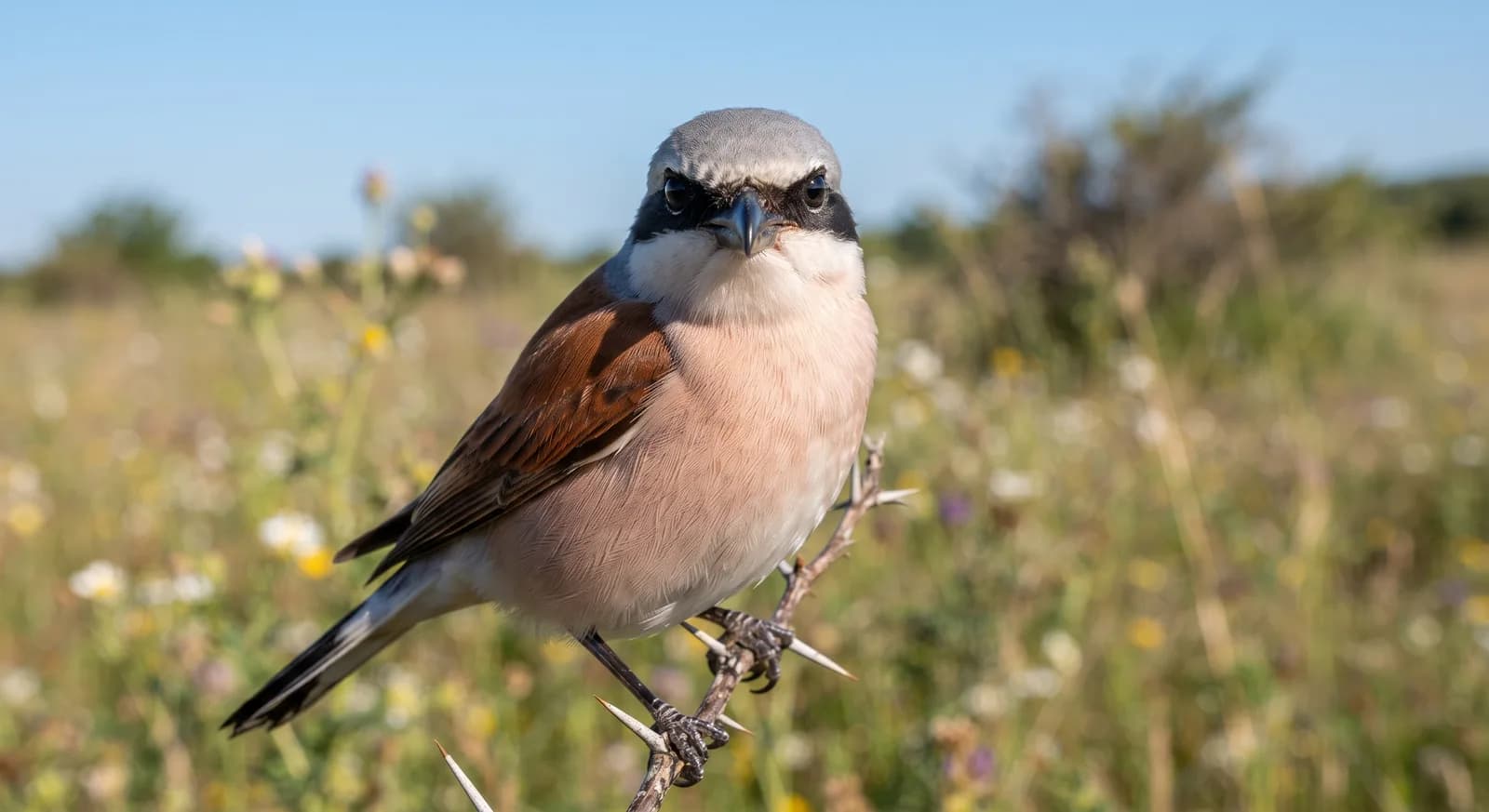
Alcaudón dorsirrojo
Lanius collurio
 Least Concern
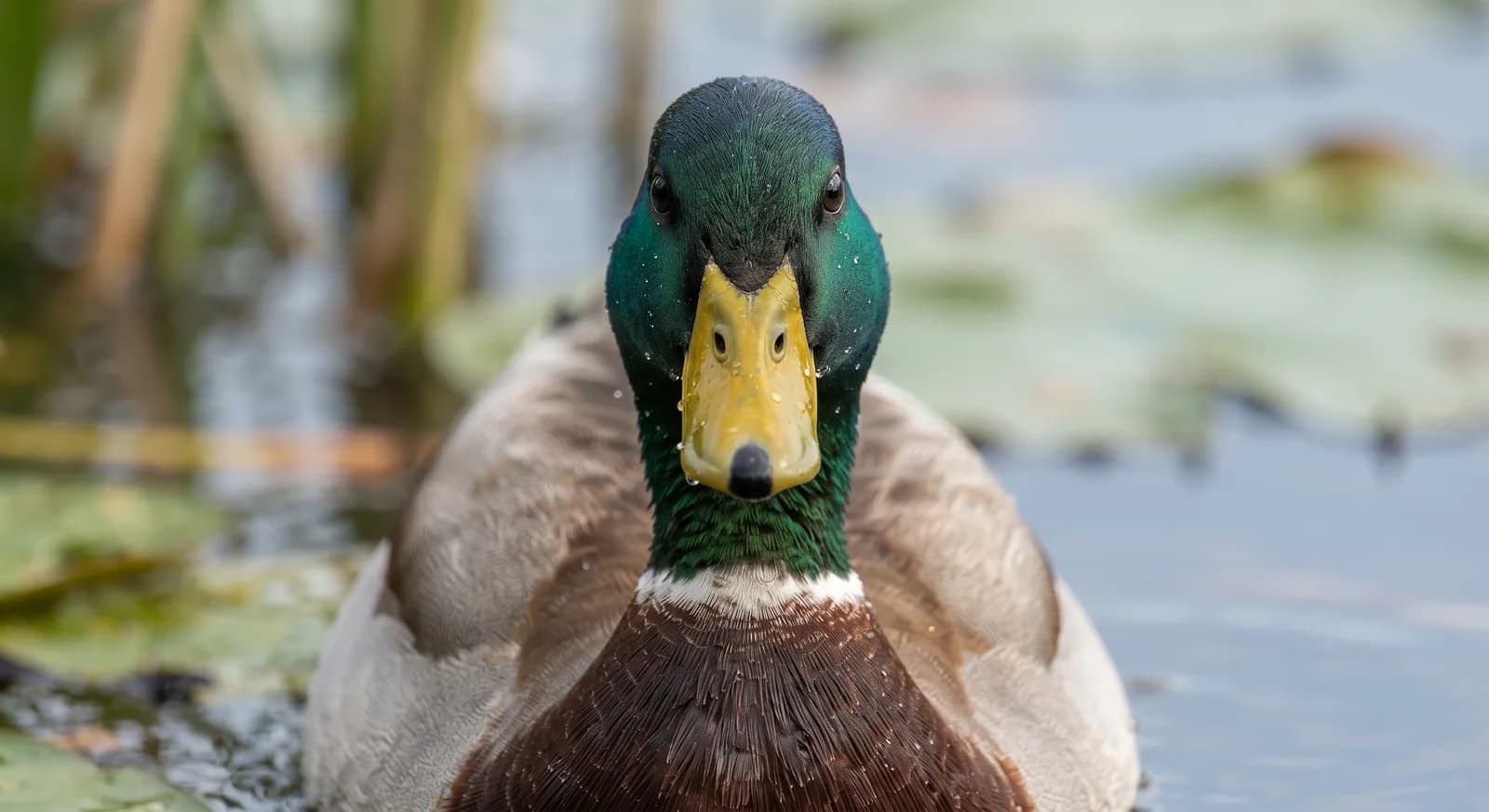
Ánade real
Anas platyrhynchos
Flora and ecosystems
Ecosystems found in Spain, where Serra da Enciña da Lastra lies.
Experiences in this park
Nearby dive sites
Where can I dive near here?
Cíes Islands
170 km away
Similar parks
Which other parks are like this one?
Keep exploring
Based on what we already know about Serra da Enciña da Lastra.
Your rating
How many stars would you give Serra da Enciña da Lastra?
Comments
Share your experience visiting Serra da Enciña da Lastra, or a tip for other travellers.
Be the first to comment.