Skip to content
WAnimals
  • Map
  • Species
  • Parks
  • Diving
Log inCreate account
WAnimals

The guide for travellers and animal lovers: discover, plan and share your wild adventures around the world.

Discover wildlife

  • Species
  • Ecosystems
  • Glossary
  • Tags

Explore places

  • Map
  • Countries
  • Parks
  • Diving

Plan experiences

  • Guides

Learn

  • Blog

Resources

  • About us
  • How we build our profiles
  • Help centre
  • Contact
  • Install the app

Follow us

Account

  • Log in
  • Create account

© 2026 WAnimals. All rights reserved.

Terms of servicePrivacyCookiesLegal notice
MapSpeciesParksDiving
  1. Home
  2. Parks
  3. Thailand
  4. Doi Suthep-Pui

Doi Suthep-Pui

National Park
South-East AsiaDesignated in 1981261 km²
Spotted something wrong?

Chiang Mai's mountain, with montane forest, vegetation gradients and the most venerated Buddhist temple in the north.

Area

261 km²

Designated in

1981

Region

South-East Asia

Highlight

A montane forest gradient above Chiang Mai

Doi Suthep-Pui National Park was created in 1981 next to the city of Chiang Mai, in northern Thailand, and protects some 261 km² around two summits, Doi Suthep and Doi Pui, the latter rising above 1,600 metres.

Its proximity to a large city and its altitudinal gradient have made it one of the best-studied areas in the country from a botanical point of view: within a few kilometres one passes from the deciduous dipterocarp forest of the lower slopes to montane evergreen forest and the cloud forest of the summits, and more than two thousand species of vascular plant have been catalogued, many of them first described here.

The park also has considerable cultural significance. On its slope stands Wat Phra That Doi Suthep, founded according to tradition in 1383 and the most venerated Buddhist temple in northern Thailand, reached by a stairway flanked by nagas. Hmong communities live at the higher altitudes, and the royal palace of Bhubing is also within the park. That combination of urban proximity, pilgrimage and tourism generates very high visitor pressure and problems of building development along its edges.
Location

Loading map…

Doi Suthep-Pui: 11 documented species

Mammals4Birds1Reptiles3Insecta

Flora and ecosystems

Ecosystems found in Thailand, where Doi Suthep-Pui lies.

Tropical rainforestMarine / coastal

Experiences in this park

Birdwatching

Similar parks

Which other parks are like this one?

Same country: Thailand

Same country: Thailand

Same country: Thailand

Same country: Thailand

Keep exploring

Based on what we already know about this park.

Share your experience visiting Doi Suthep-Pui, or a tip for other travellers.

Climate

Tropical, Temperate, Mountain

Best season

November to February

Plan your visit

Best season
November to February
Area
261 km²
More places in ThailandSee location
3

Threatened:King Cobra,Sunda Pangolin,Southern Pig-tailed Macaque,Oriental Small-clawed Otter

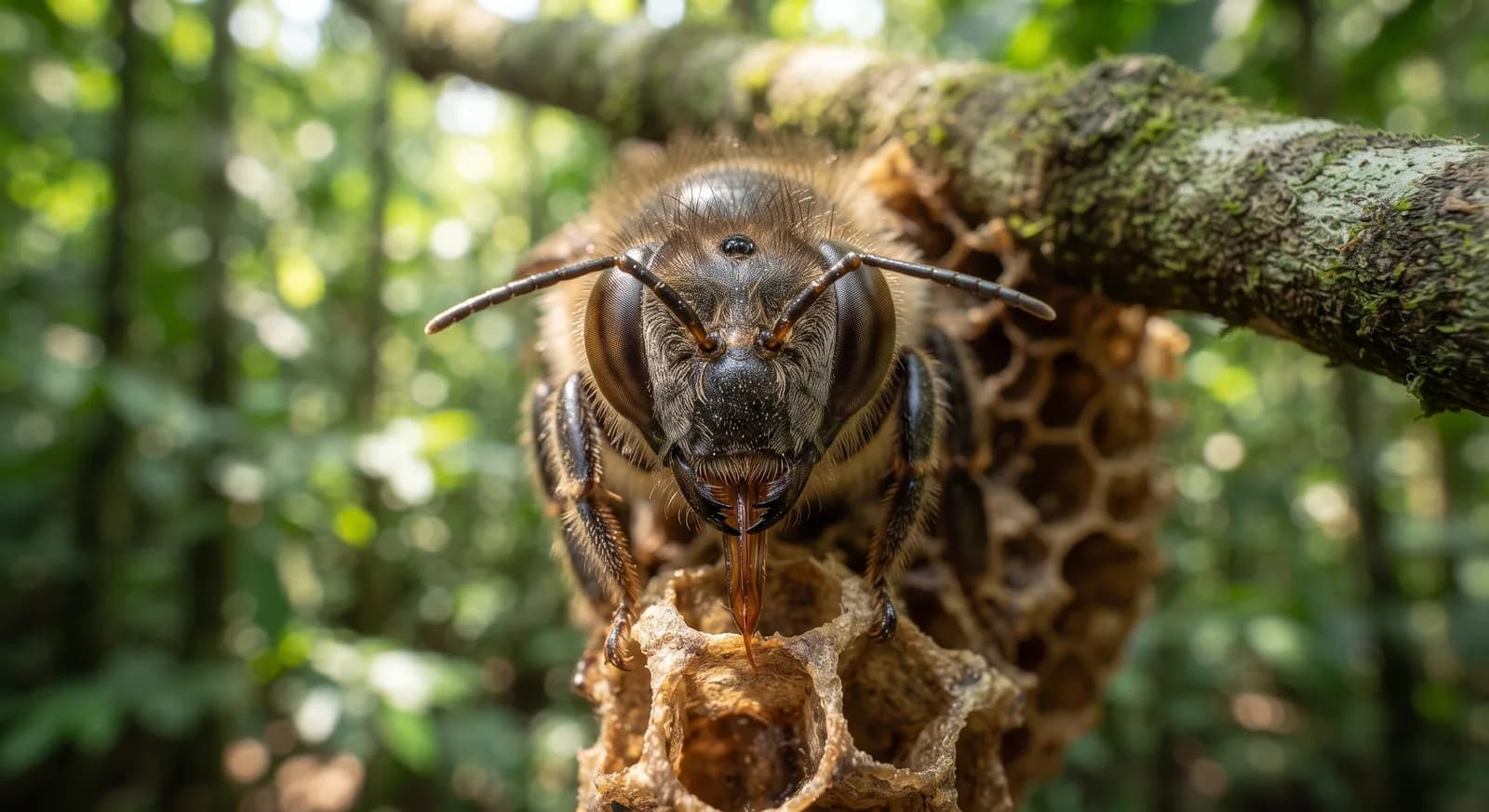
Giant Honey BeeNot Evaluated

Giant Honey Bee

Apis dorsata

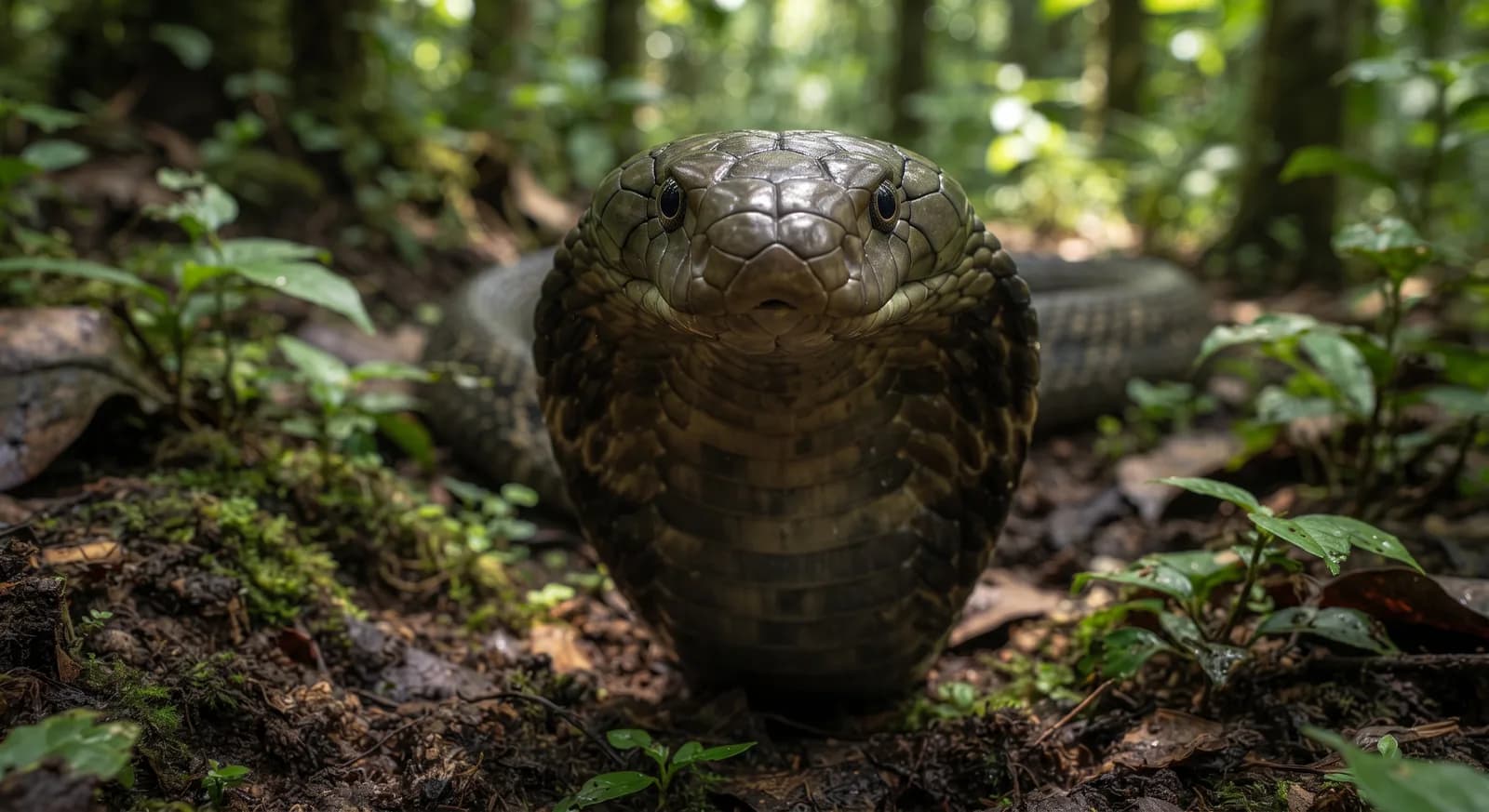
King CobraVulnerable

King Cobra

Ophiophagus hannah

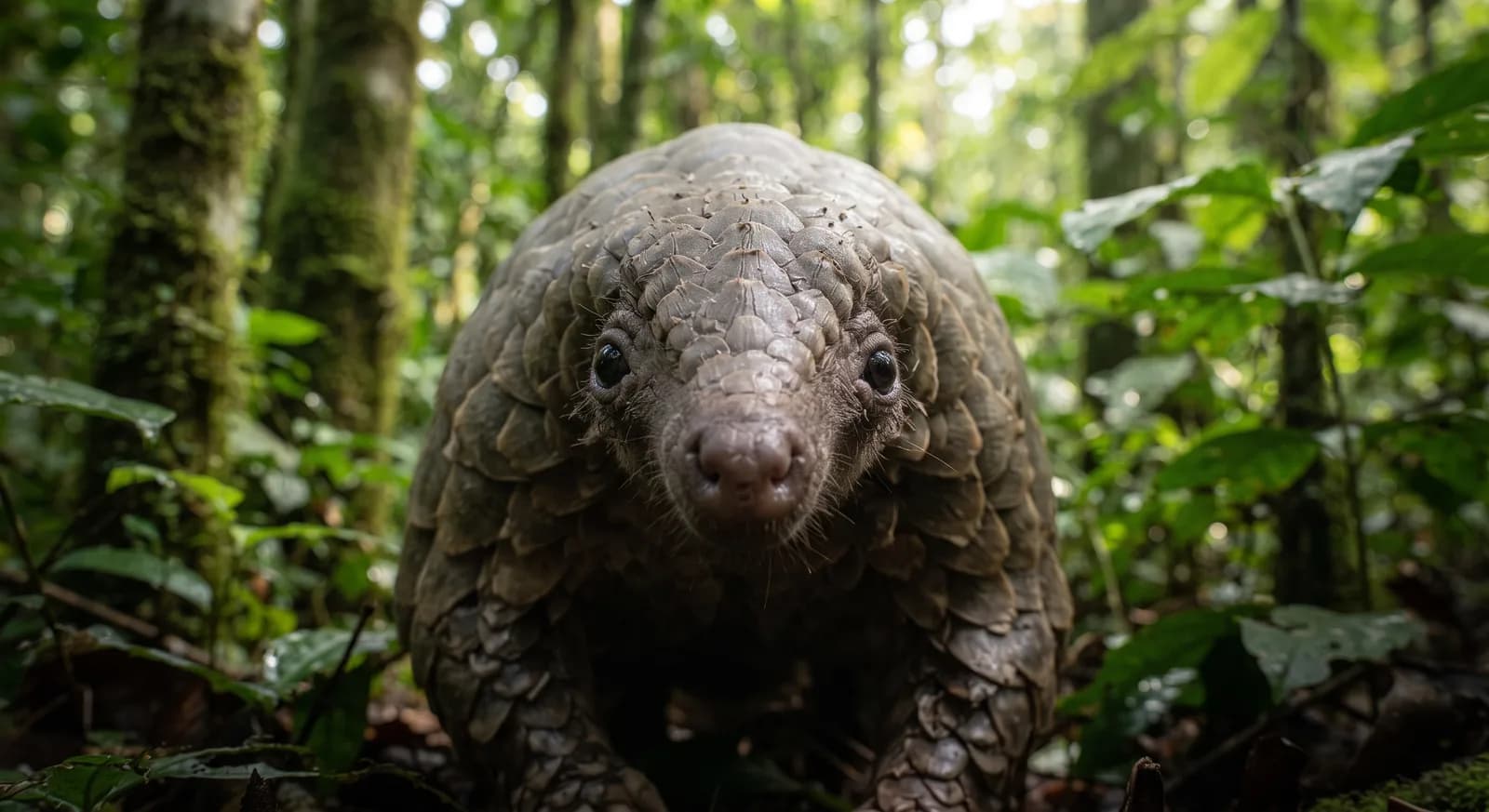
Sunda PangolinCritically Endangered

Sunda Pangolin

Manis javanica

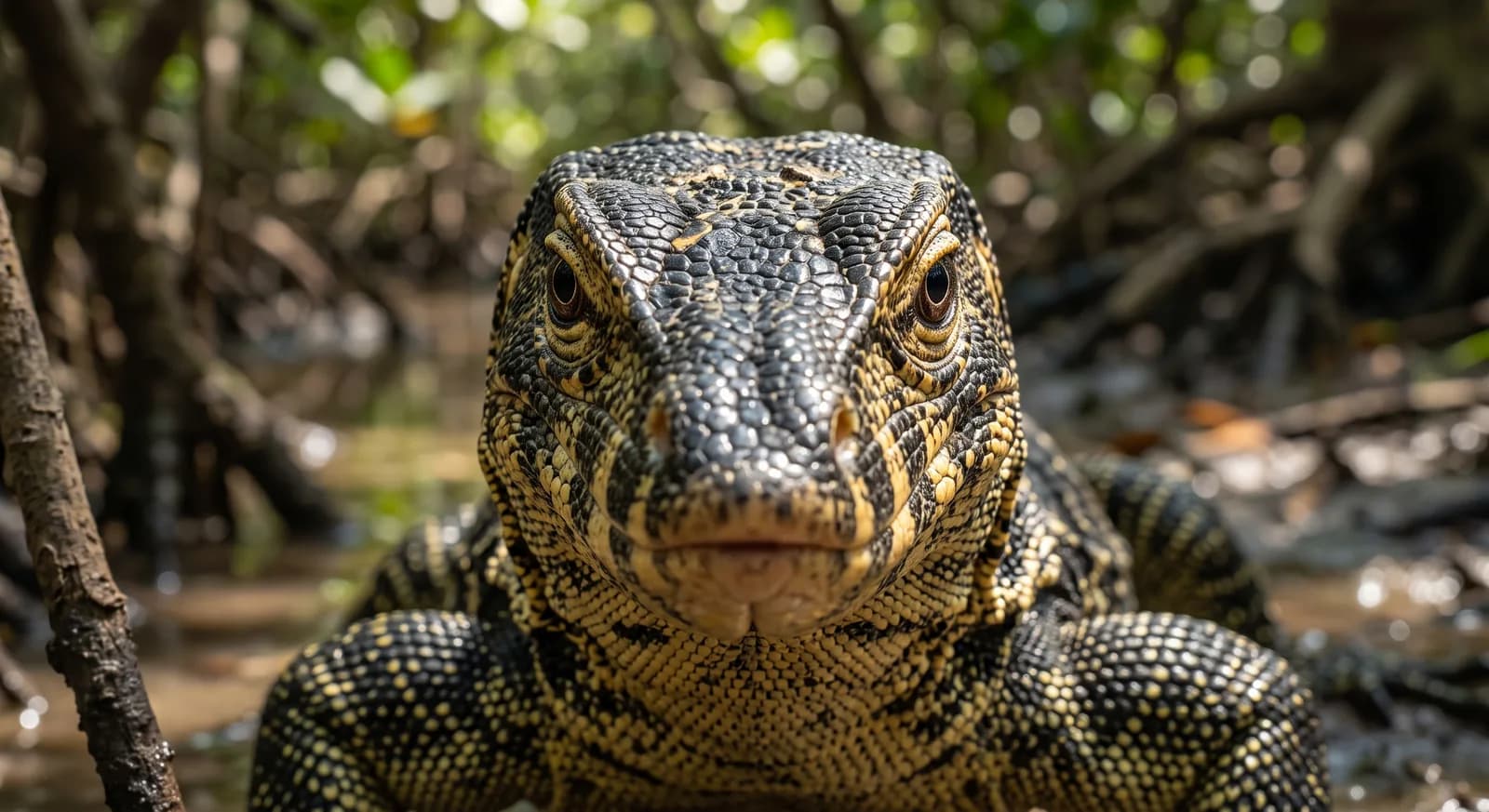
Common Water MonitorNot Evaluated

Common Water Monitor

Varanus salvator

Least Concern

Red-whiskered Bulbul

Pycnonotus jocosus

Not Evaluated

Giant Leaf Insect

Phyllium giganteum

Endangered

Southern Pig-tailed Macaque

Macaca nemestrina

Not Evaluated

Orchid Mantis

Hymenopus coronatus

Not Evaluated

Indian Muntjac

Muntiacus muntjak

Vulnerable

Oriental Small-clawed Otter

Aonyx cinereus

Not Evaluated

Tokay Gecko

Gekko gecko

Thailand · South-East Asia
See on the interactive map→
National Park

Ao Phang Nga

Thailand

Long-tailed Macaque · Ringed Kingfisher

November to February

See park
National Park

Erawan

Thailand

Lar Gibbon · Long-tailed Macaque

November to February

See park
National Park

Khao Sam Roi Yot

Thailand

Dusky Langur · Long-tailed Macaque

November to February

See park
UNESCO
National Park

Khao Yai

Thailand

Asian elephant · white-handed gibbon

November to February

See park
CountryThailand
This page in other languages: Español · Deutsch · Français · Português · Italiano
Temperate forest