Skip to content
WAnimals
  • Map
  • Species
  • Parks
  • Diving
Log inCreate account
WAnimals

The guide for travellers and animal lovers: discover, plan and share your wild adventures around the world.

Discover wildlife

  • Species
  • Ecosystems
  • Glossary
  • Tags

Explore places

  • Map
  • Countries
  • Parks
  • Diving

Plan experiences

  • Guides

Learn

  • Blog

Resources

  • Help centre
  • Contact
  • Install the app

Follow us

Account

  • Log in
  • Create account

© 2026 WAnimals. All rights reserved.

About usHow we build our profilesTerms of servicePrivacyLegal notice
MapSpeciesParksDiving
  1. Home
  2. Species
  3. Indian Muntjac

Mammals · Artiodactyla · Cervidae

Indian Muntjac

Muntiacus muntjak

Not Evaluated

It has not yet been assessed against the IUCN criteria.

Spotted something wrong?

It is popularly known as the barking deer for an alarm call much like a dog's bark.

Weight

15 kg – 35 kg

Size

40 cm – 65 cm

Life expectancy

10 years

Diet

Herbivore

Feeds mainly on plants.

Activity

Irregular activity

Active at irregular times, by day or night depending on circumstances.

Social structure

Solitary

Lives and hunts alone, joining others only to breed.

Sighting difficulty

Unknown

Rainforest
16countries75parks23same family

Fun facts

  • Unlike most deer it can breed all year round, with no defined rut.
  • It eats leaves, shoots, forest fruit and fungi.
  • It lives in dense tropical forest of South and South-East Asia.

Life cycle and biology

Skeleton type
Vertebrate - internal bony skeleton (mammal)
Habitat and environment
Dense tropical forest of South and South-East Asia
Birth weight
550-675 g at birth
Size at birth
550-675 g at birth
Sexual maturity
Within the first year in the female
Gestation / incubation
200-230 days (~7-7.5 months)
Litter / clutch size
1 young per birth (twins occasional)
Life expectancy in captivity
Documented record of up to 18.8 years

Sources consulted: World Deer; Animal Kingdom; A-Z Animals (Muntjac); AnAge (genomics.senescence.info); Encyclopedia.com; Animalia.bio (Southern Red Muntjac)

Where to find it

Loading map…

Where to see it

Parks and dive sites where this species has been documented — showing 10 of 75.

Related species

Other species in the catalogue with the most in common with Indian Muntjac — same habitat, park, country, tags or family.

Same taxonomic family
Shares a park
Shares a park

Keep exploring

Based on what we already know about indian muntjac.

Comments

Share an experience, a fun fact or a tip for seeing the indian muntjac.

Be the first to comment.

See full glossary
This page in other languages: Español · Deutsch · Français · Português · Italiano

The pins mark the parks where its presence is documented.

See its range on the interactive map→
Chitwan National ParkNepal
KazirangaIndia
RanthamboreIndia
GirIndia
PeriyarIndia
Jim CorbettIndia
YalaSri Lanka
Royal ManasBhutan
Gunung LeuserIndonesia
Way KambasIndonesia
See all 75 parks
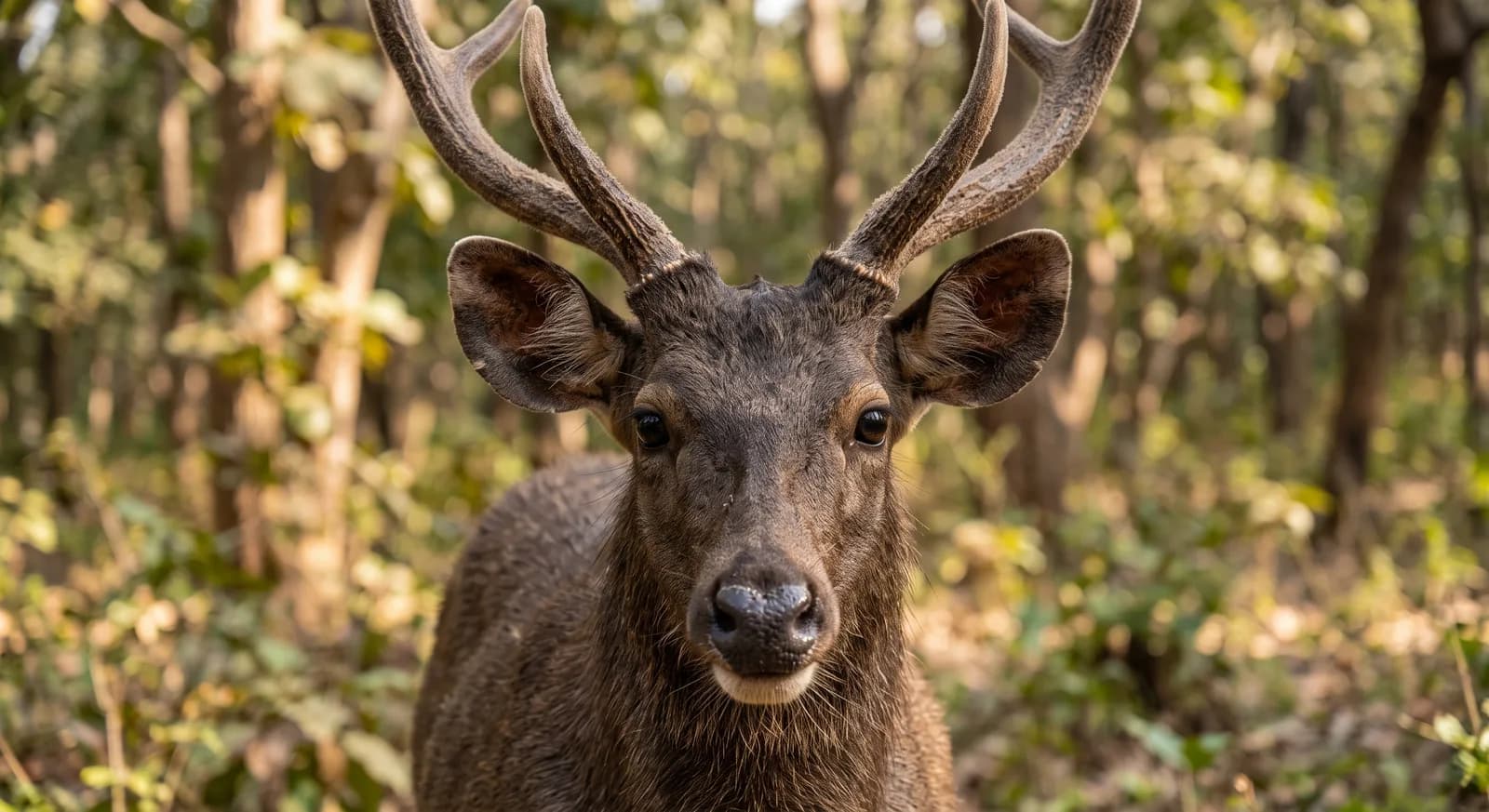
SambarVulnerable

Sambar

Rusa unicolor

Hog DeerEndangered

Hog Deer

Axis porcinus

Vulnerable

Barasingha

Rucervus duvaucelii

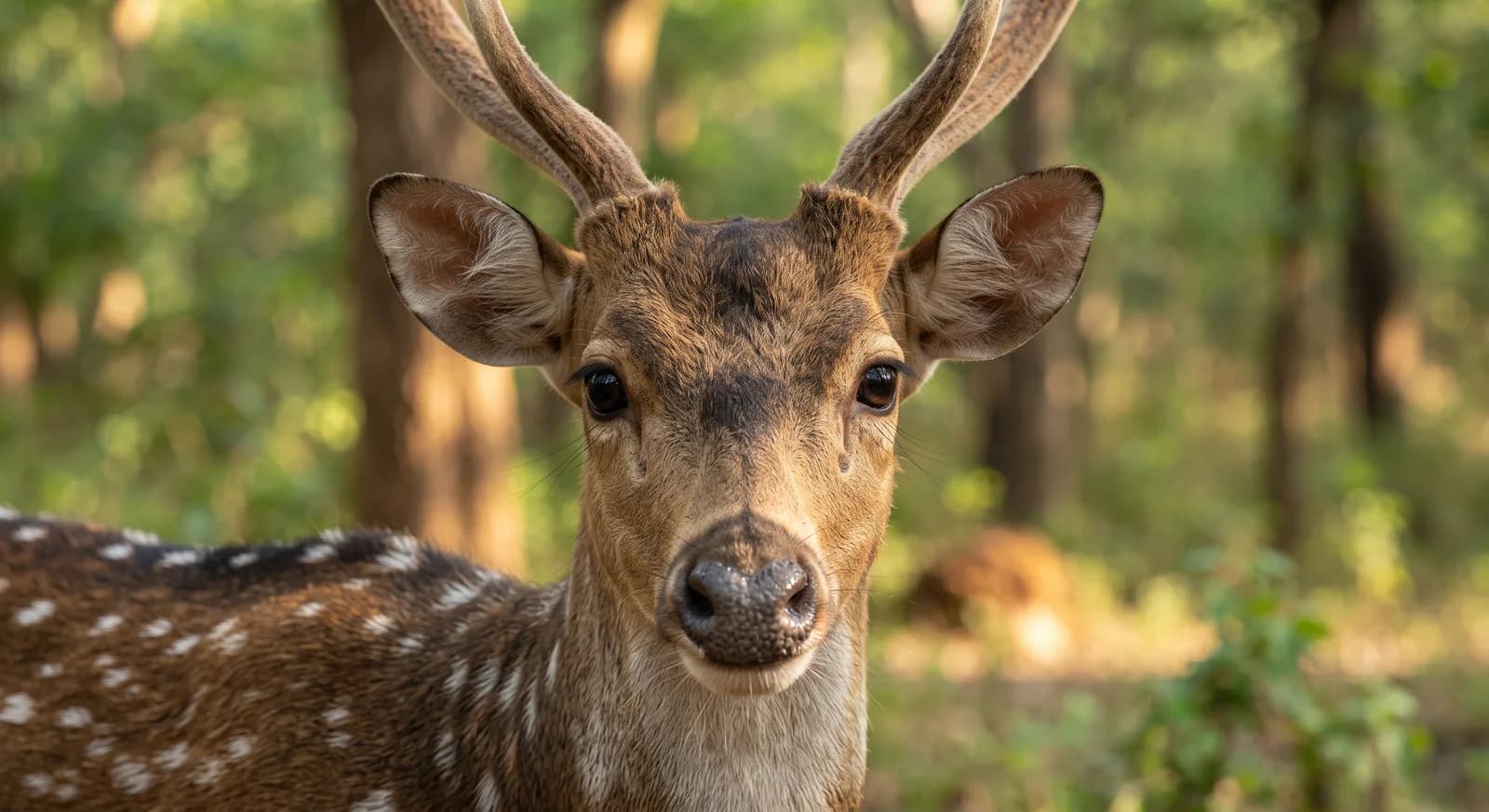
ChitalLeast Concern

Chital

Axis axis

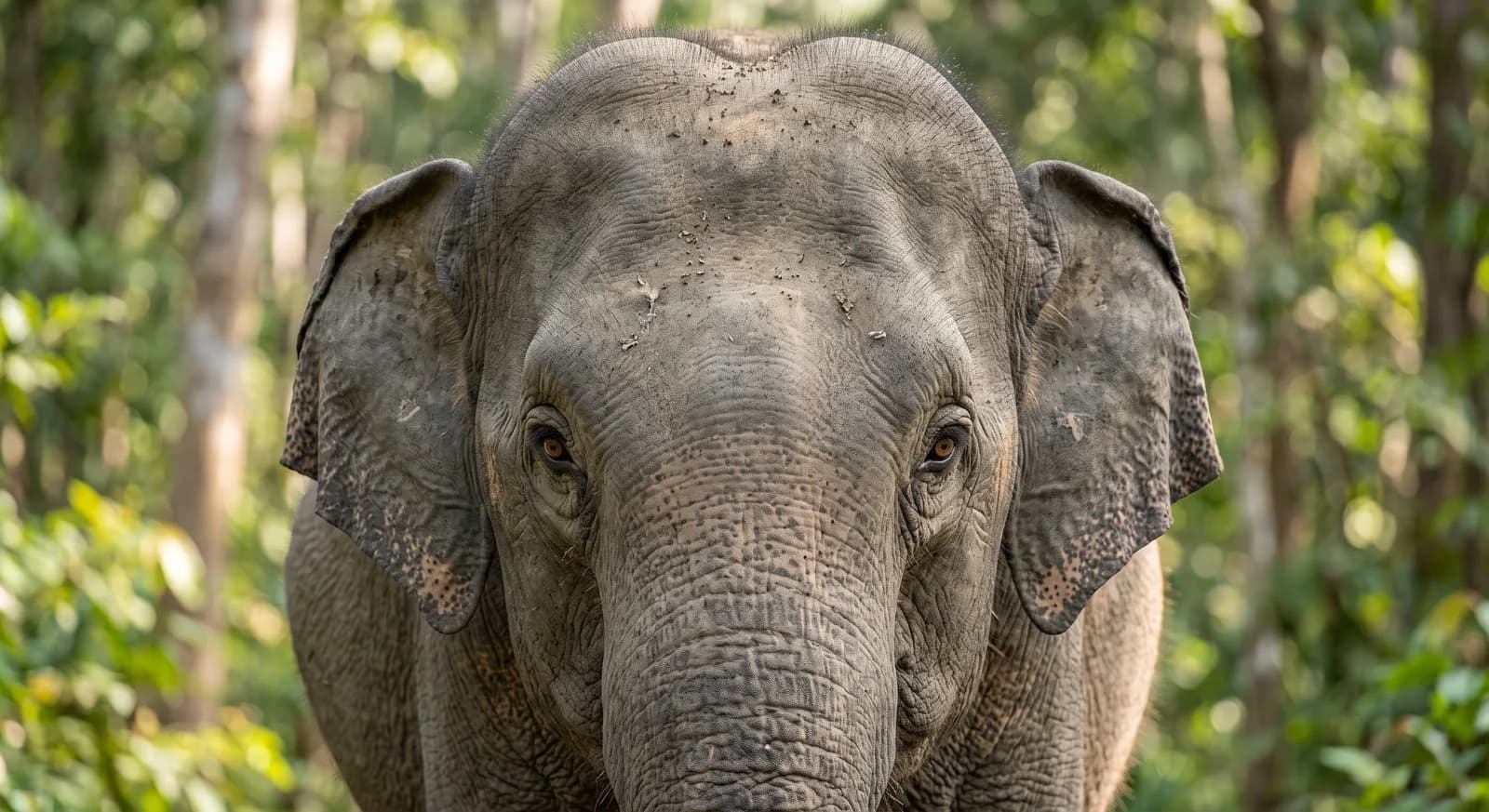
Asian ElephantEndangered

Asian Elephant

Elephas maximus

Least Concern

Sunda Flying Lemur

Galeopterus variegatus

CountriesIndia
ParksChitwan National ParkNepal
TagsHerbivore
Herbivore
Variable activity
Solitary
Rainforest
Mammal
India
Thailand
Sri Lanka
Vietnam
Indonesia
Cambodia
Bangladesh
Bhutan
Brunei
Cambodia
China
India
Indonesia
Laos
Malaysia
Myanmar
Nepal
Pakistan
Singapore
Sri Lanka
Thailand
Vietnam