Skip to content
WAnimals
  • Map
  • Species
  • Parks
  • Diving
Log inCreate account
WAnimals

The guide for travellers and animal lovers: discover, plan and share your wild adventures around the world.

Discover wildlife

  • Species
  • Ecosystems
  • Glossary
  • Tags

Explore places

  • Map
  • Countries
  • Parks
  • Diving

Plan experiences

  • Guides

Learn

  • Blog

Resources

  • About us
  • How we build our profiles
  • Help centre
  • Contact
  • Install the app

Follow us

Account

  • Log in
  • Create account

© 2026 WAnimals. All rights reserved.

Terms of servicePrivacyCookiesLegal notice
MapSpeciesParksDiving
  1. Home
  2. Species
  3. American Goldfinch

One of the 2 goldfinches on WAnimals

Birds · Passeriformes · Fringillidae

American Goldfinch

Spinus tristis

Least Concern

The species is abundant and widely distributed; it faces no significant short-term risk.

Spotted something wrong?

The American goldfinch is a small finch whose male in summer is an intense canary yellow with a black forehead and wings. It is strictly a seed eater, which is unusual among small birds, and that diet governs its calendar: it breeds in high summer, far later than any other bird in its range, when the thistles set seed.

Weight

11 g – 20 g

Size

11 cm – 13 cm

Life expectancy

11 years

Diet

Herbivore

Feeds mainly on plants.

Activity

Diurnal

Active mainly during the day.

Temperate forestGrassland
3countries41parks13same family

Fun facts

  • GeneralIt breeds very late, in July, to make use of the thistledown it lines its nest with.
  • It shares a genus with the Eurasian siskin (Spinus spinus), already in this catalogue: both moved from Carduelis to Spinus in the same revision.
  • It is one of the most popular feeder birds in North America.
  • Its epithet tristis means "sad" in Latin, a name hardly in keeping with its bright yellow plumage.
  • It breeds in July and August, months later than the rest of North America's birds, because it waits for the thistles to seed and release the down with which it lines the nest.
  • Its strictly seed-eating diet protects it from the brown-headed cowbird: that parasite's chicks cannot survive on a diet of seeds and die within a few days, so the goldfinch has no need to defend itself against brood parasitism.
  • The male moults to a dull olive brown in autumn and regains the intense yellow in spring: it is one of the few North American finches with a complete moult twice a year.

Life cycle and biology

Skeleton type
Vertebrate - internal bony skeleton (bird)
Habitat and environment
Thistle fields, roadsides, scrub, gardens and feeders of North America
Sexual maturity
11.9 months
Gestation / incubation
13 days
Litter / clutch size
5

Sources consulted: IUCN Red List · NPSpecies (National Park Service, EE. UU.) · Animalia.bio · Linnaeus 1758

Where to find it

Best time: Spring and summer, when the male is in his deep yellow plumage

Loading map…

Where to see it

Parks and dive sites where this species has been documented — showing 10 of 41.

Related species

Other species in the catalogue with the most in common with American Goldfinch — same habitat, park, country, tags or family.

Shares a park
Shares a park
Shares a park
Shares a park
Shares a park
Shares a park

Keep exploring

Based on what we already know about american goldfinch.

Share an experience, a fun fact or a tip for seeing the american goldfinch.
See full glossary
This page in other languages: Español · Deutsch · Français · Português · Italiano

The pins mark the parks where its presence is documented.
See its range on the interactive map→
EvergladesUnited States
Great Smoky MountainsUnited States
RedwoodUnited States
AcadiaUnited States
OlympicUnited States
Mammoth CaveUnited States
Gros MorneCanada
FundyCanada
Point PeleeCanada
VoyageursUnited States
See all 41 parks
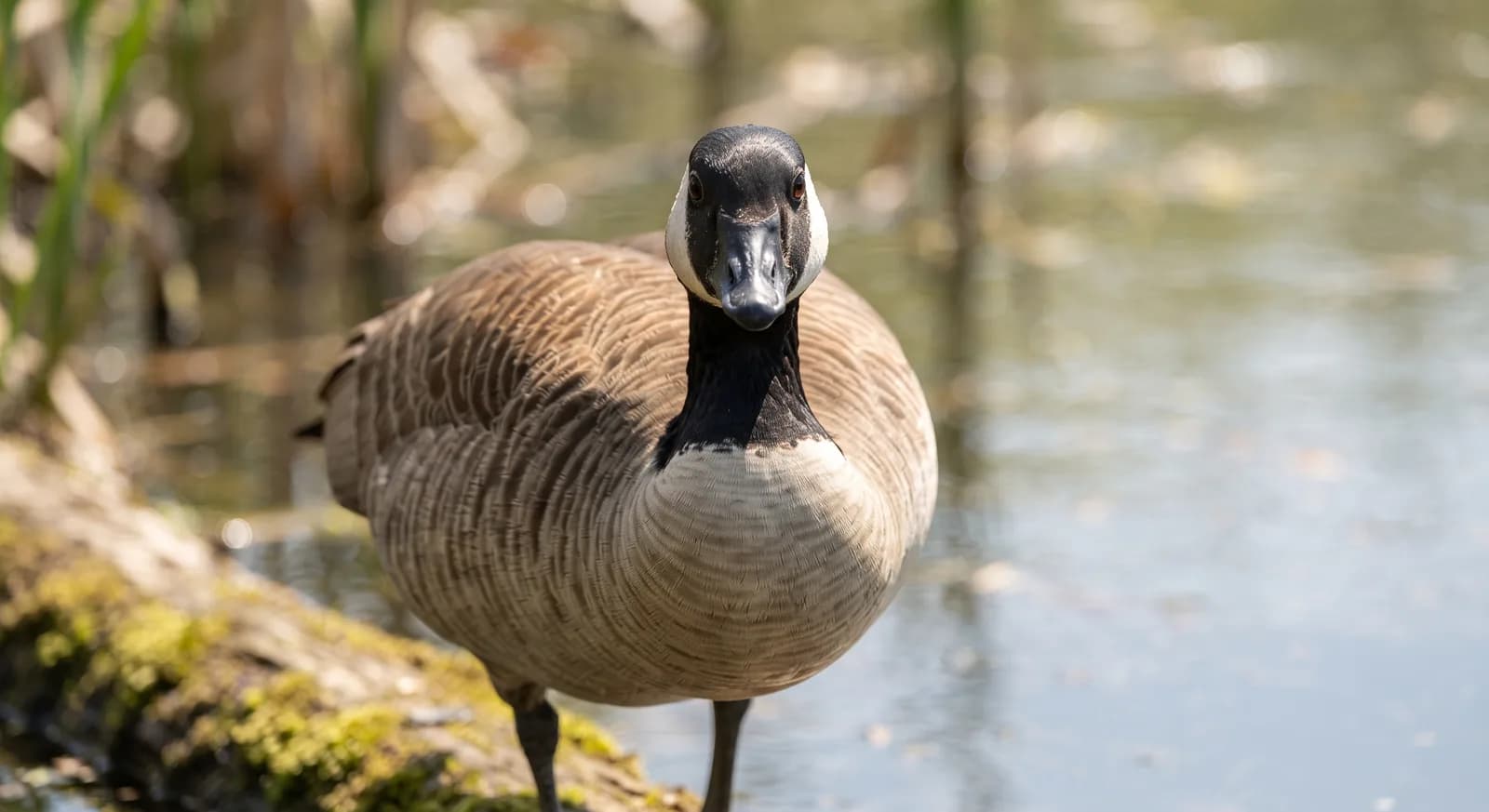
Canada GooseLeast Concern

Canada Goose

Branta canadensis

Least Concern

Mourning Dove

Zenaida macroura

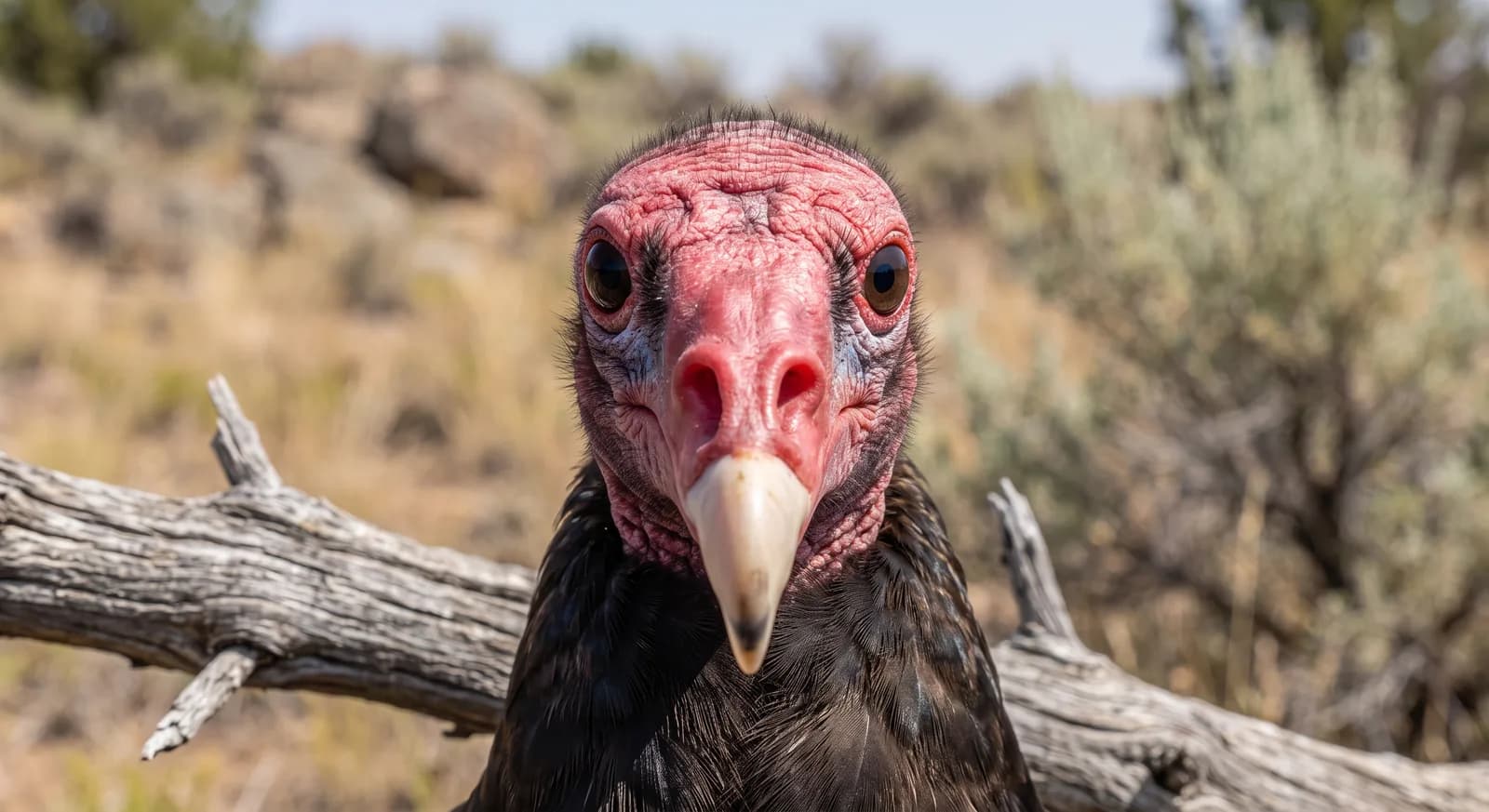
Turkey VultureLeast Concern

Turkey Vulture

Cathartes aura

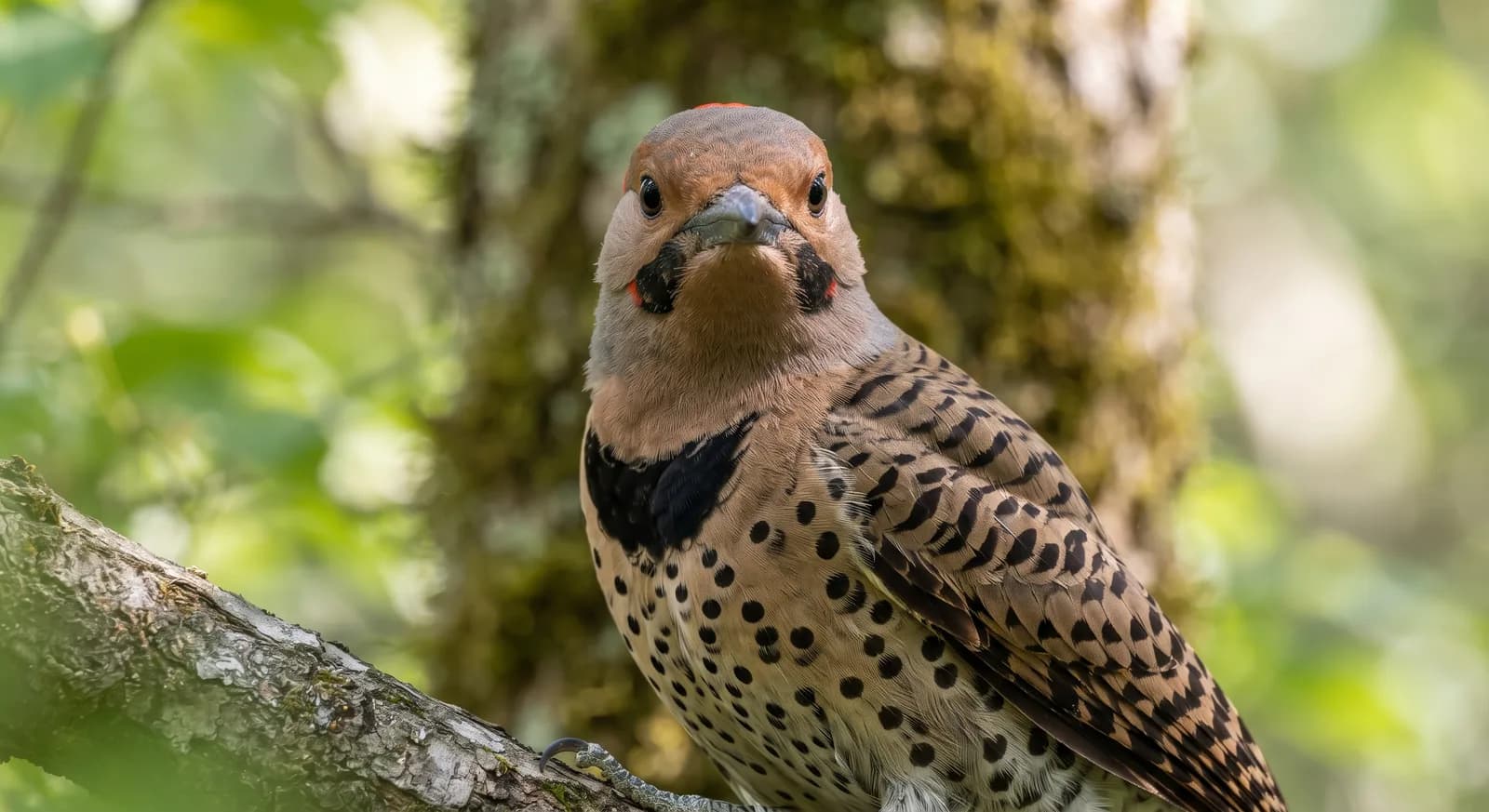
Northern FlickerLeast Concern

Northern Flicker

Colaptes auratus

Least Concern

American Robin

Turdus migratorius

Least Concern

Brown-headed Cowbird

Molothrus ater

CountriesUnited States
ParksEvergladesUnited States
TagsHerbivore
Herbivore
Diurnal
Bird
Temperate forest
Grassland
United States
Canada
Mexico